Cognitive Development Normal Phonics Worksheets for Ages 6-8
4 filtered results
-
From - To
Discover our Cognitive Development Normal Phonics Worksheets designed for children ages 6-8! These engaging worksheets support the early foundations of reading by enhancing phonics skills through fun and interactive activities. Your child will explore letter and sound relationships, improve their vocabulary, and strengthen their cognitive abilities. Created with colorful illustrations, these worksheets motivate young learners while ensuring a constructive learning experience. Perfect for parents and teachers, our resources lay the groundwork for effective literacy skills, preparing children for more advanced reading challenges. Unlock your child's potential with our specially tailored phonics worksheets and make learning phonics an enjoyable adventure!
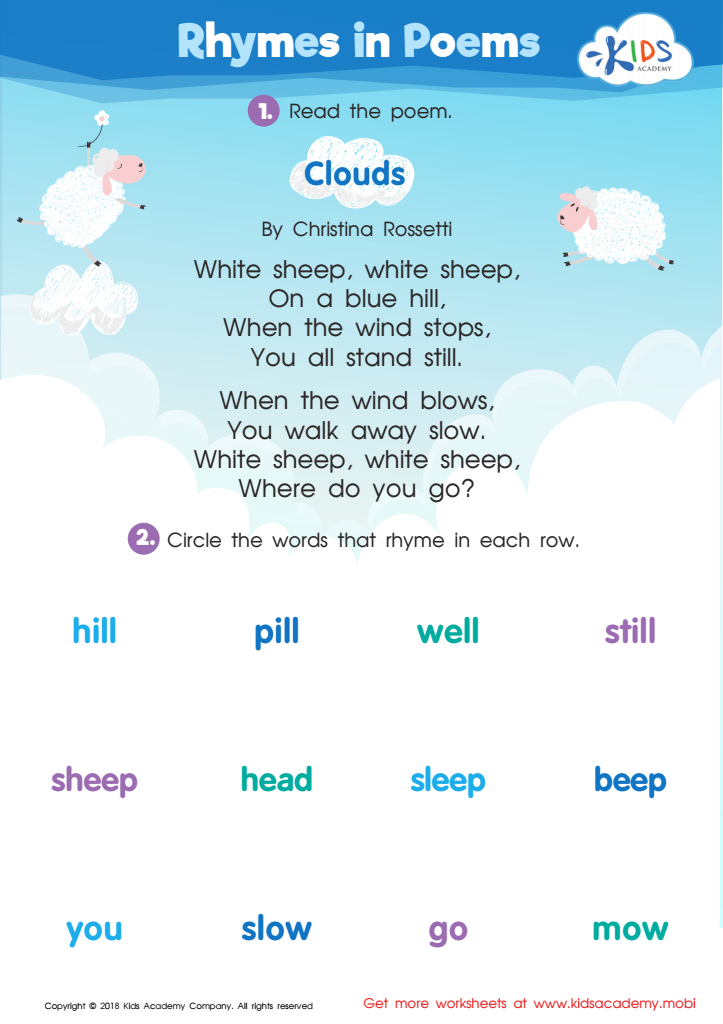
Rhymes in Poems Worksheet
 Assign to My Students
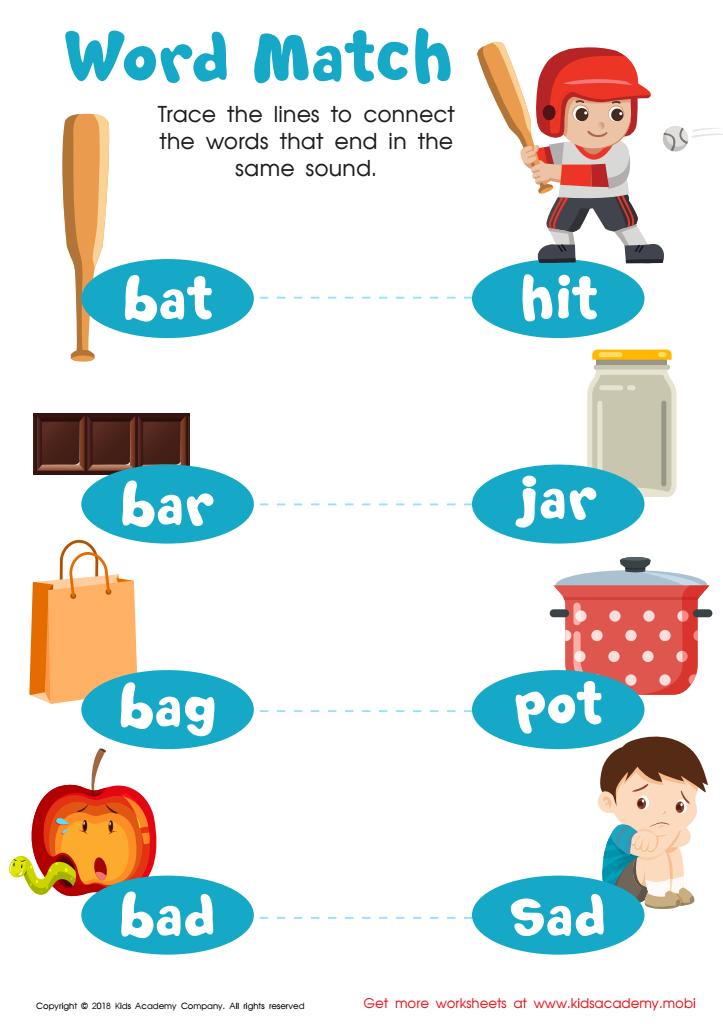
Word Match Reading Worksheet
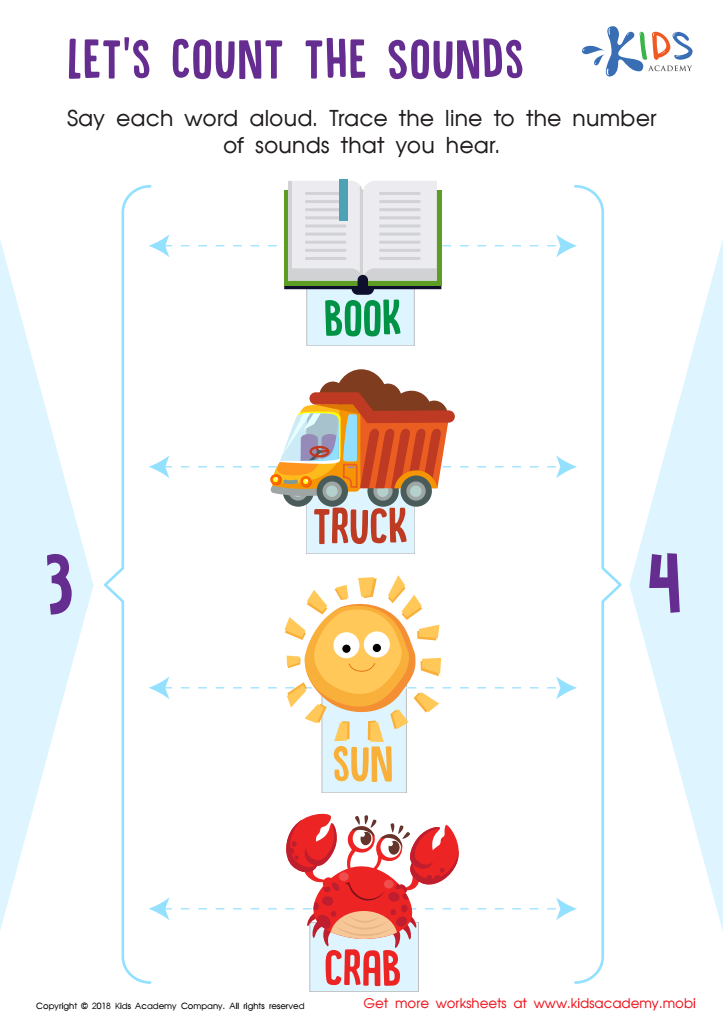
Let's Count the Sounds Worksheet
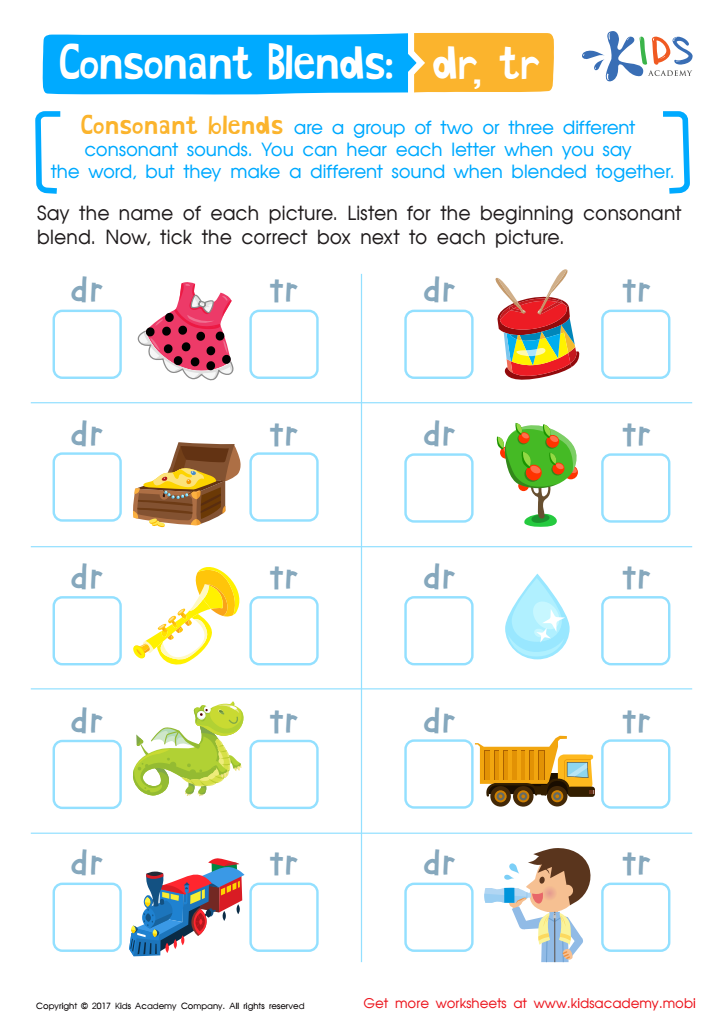
Consonant Blends: "Dr" and "Tr" Printable








Cognitive development during ages 6 to 8 is pivotal as children transition from early literacy to more advanced reading skills. Understanding phonics is crucial during this stage because it lays the foundation for reading fluency, comprehension, and overall literacy.
Parents and teachers should care about normal phonics because children at this age are developing the ability to decode words independently. Phonics helps them understand the relationship between sounds and letters, which enhances their ability to read and spell. This knowledge not only serves academic purposes but also boosts self-esteem and confidence as they succeed in reading tasks.
Furthermore, strong phonics skills facilitate cognitive processes such as memory, logical thinking, and problem-solving. When children can read effectively, they can engage with diverse topics, expand their vocabulary, and enhance their critical thinking skills. This engagement is critical for academic success and lifelong learning.
By nurturing phonics skills, parents and teachers can help create a solid literacy foundation, aiding children in their academic journey and beyond. Ultimately, prioritizing normal phonics enhances a child's cognitive development, ensures effective communication, and prepares them for a world that increasingly relies on reading and comprehension skills.







