Reading development Normal Phonics Worksheets for Ages 6-8
5 filtered results
-
From - To
Discover our engaging Normal Phonics Worksheets designed specifically for children aged 6-8 to boost their reading development! These sheets are tailored to help young learners master essential phonics skills through fun and interactive activities. Each worksheet focuses on different sounds and letter combinations, promoting phonemic awareness and decoding skills. Perfect for classroom use or at-home learning, our resources support literacy growth by encouraging kids to read fluently and confidently. With vibrant illustrations and age-appropriate content, these worksheets make learning phonics enjoyable and effective. Start nurturing your child's reading journey today with our comprehensive collection of phonics worksheets!
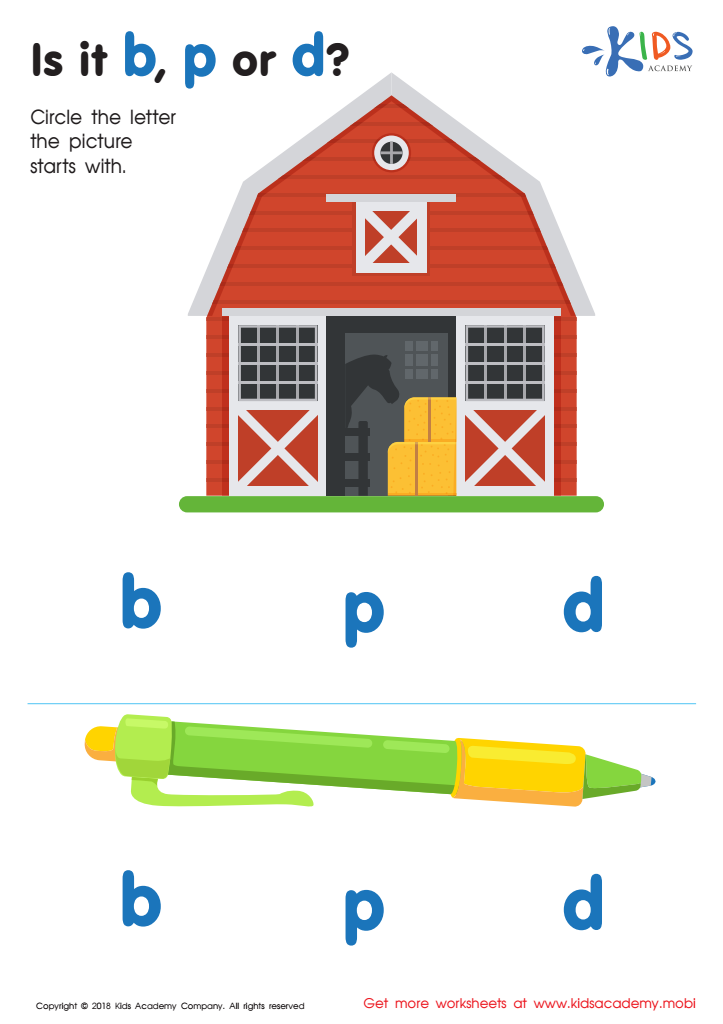
Is it b, p or d? Worksheet
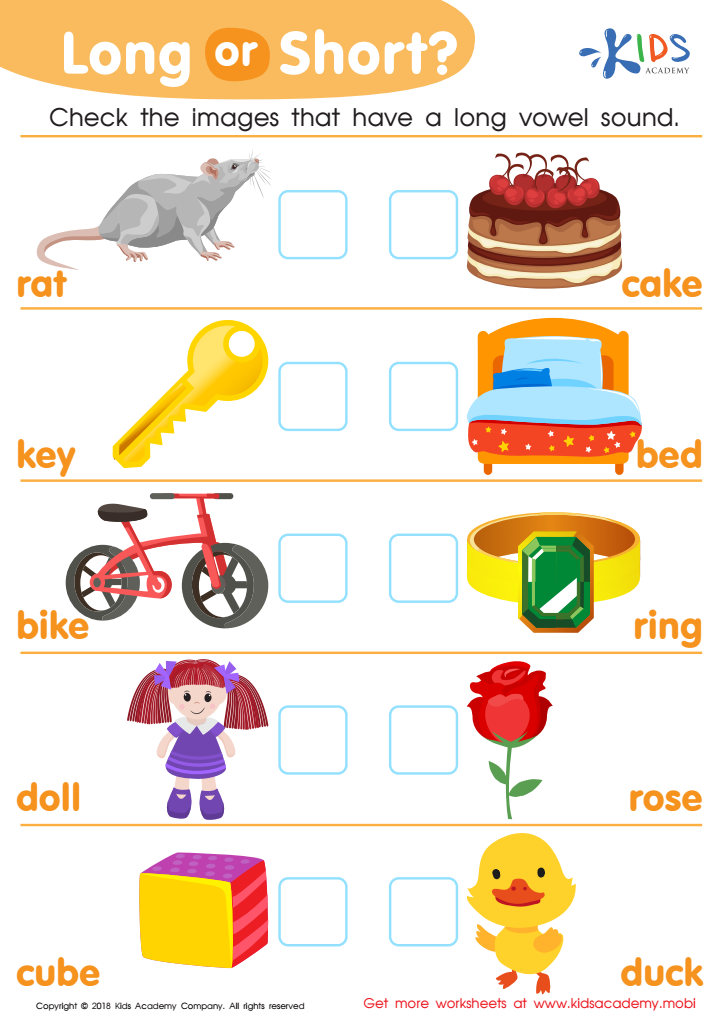
Long or Short Reading Worksheet
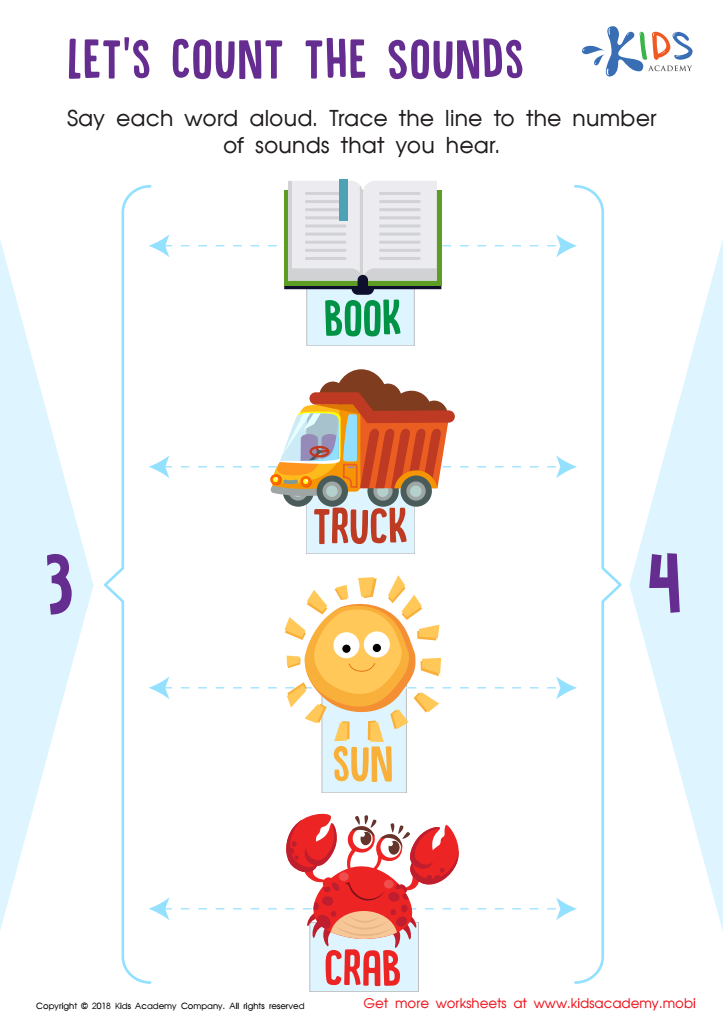
Let's Count the Sounds Worksheet
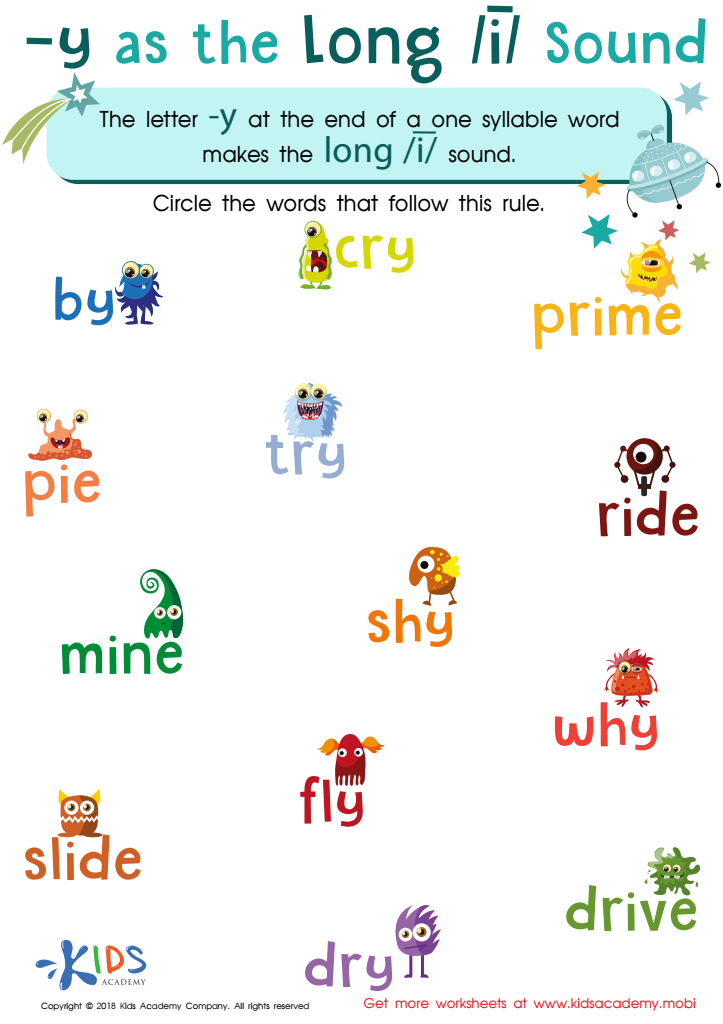
Reading: Y as Long I Worksheet
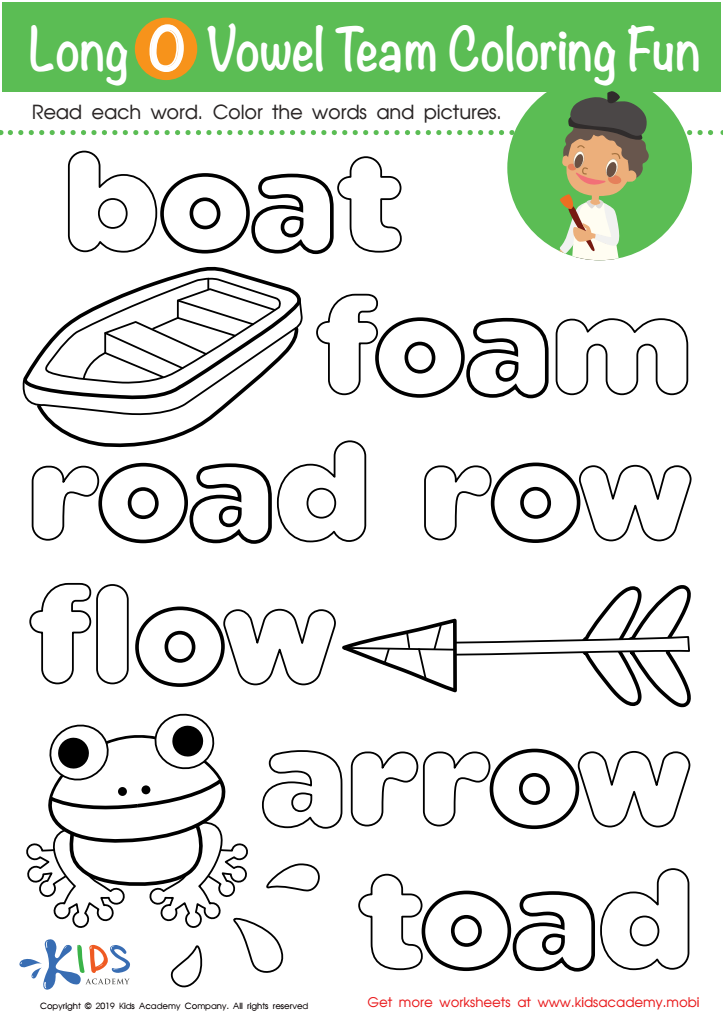
Long O Vowel Team Coloring Worksheet
 Assign to My Students








Phonics is foundational to reading development in young learners, particularly for children aged 6 to 8. At this critical stage, children transition from learning how to read to reading to learn. Mastering phonics empowers them to decode words accurately, fostering confidence and fluency in reading. Without this skill, children may struggle to grasp essential literacy concepts, which can hinder their academic progress across various subjects.
Parents and teachers play a crucial role in this developmental phase. By understanding and supporting normal phonics development, they can create rich literacy environments that encourage exploration and connection with texts. Engaging in phonics activities—like letter-sound games and storytelling—can help reinforce these skills, making learning fun and interactive.
Moreover, strong reading abilities can lead to increased motivation and a love for reading, which is vital for lifelong learning. When children are proficient in phonics, they not only perform better in language arts but also develop better analytical thinking, communication skills, and a broader vocabulary.
In essence, phonics is not just about decoding words; it’s about building a robust foundation for overall academic success, making it imperative for parents and teachers to prioritize this aspect of reading development.







