
Vocabulary Enrichment Normal Phonics Worksheets for Ages 6-8
6 filtered results
Difficulty Level
Grade
Age
-
From - To
Subject
Activity
Standards
Unlock your child's potential with our Vocabulary Enrichment Normal Phonics Worksheets for ages 6-8! Designed to enhance word recognition and expand vocabulary, these engaging worksheets help young learners master essential phonics skills. Each activity focuses on blending sounds, decoding words, and understanding meanings through fun exercises that promote critical thinking. Our easy-to-follow format encourages independent learning while stimulating curiosity and creativity. Perfect for classroom use or supplemental home learning, these worksheets provide a valuable resource for parents and teachers alike. Nurture a lifelong love for language and empower your child's literacy journey with our thoughtfully developed phonics materials!
Favorites
With answer key
Interactive
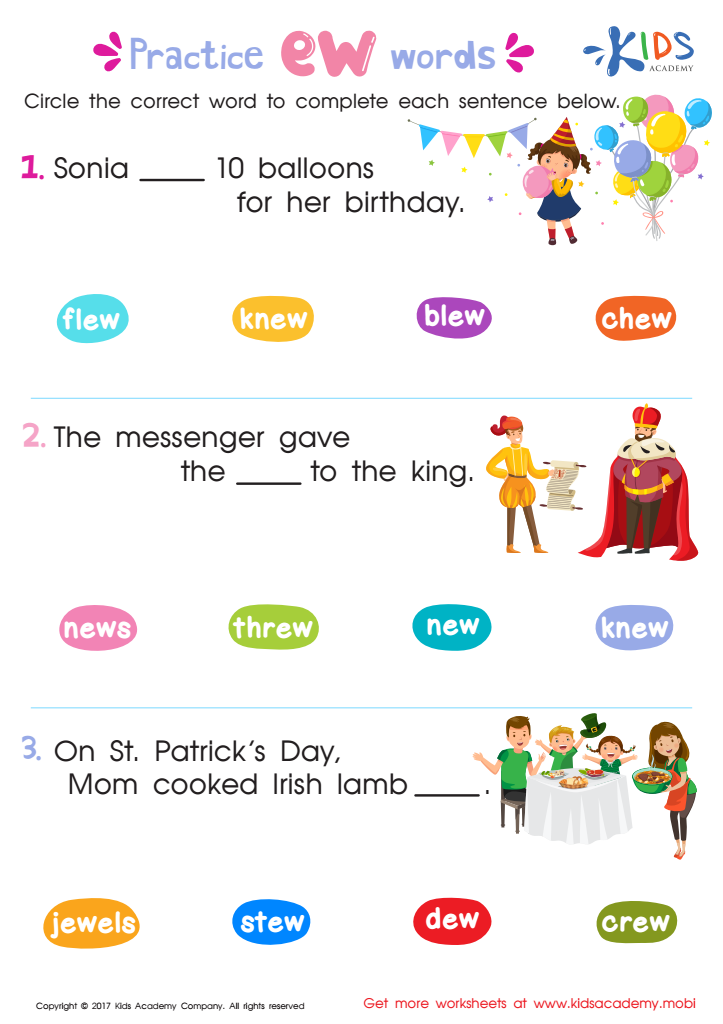
EW Words Worksheet
Practice the diphthong ew and boost your child's vocabulary with this fun ew words worksheet! Filled with illustrations, it will help your child hone their reading and spelling skills. Plus, the tricky words will make it both enjoyable and rewarding!
 Assign to My Students
EW Words Worksheet
Worksheet
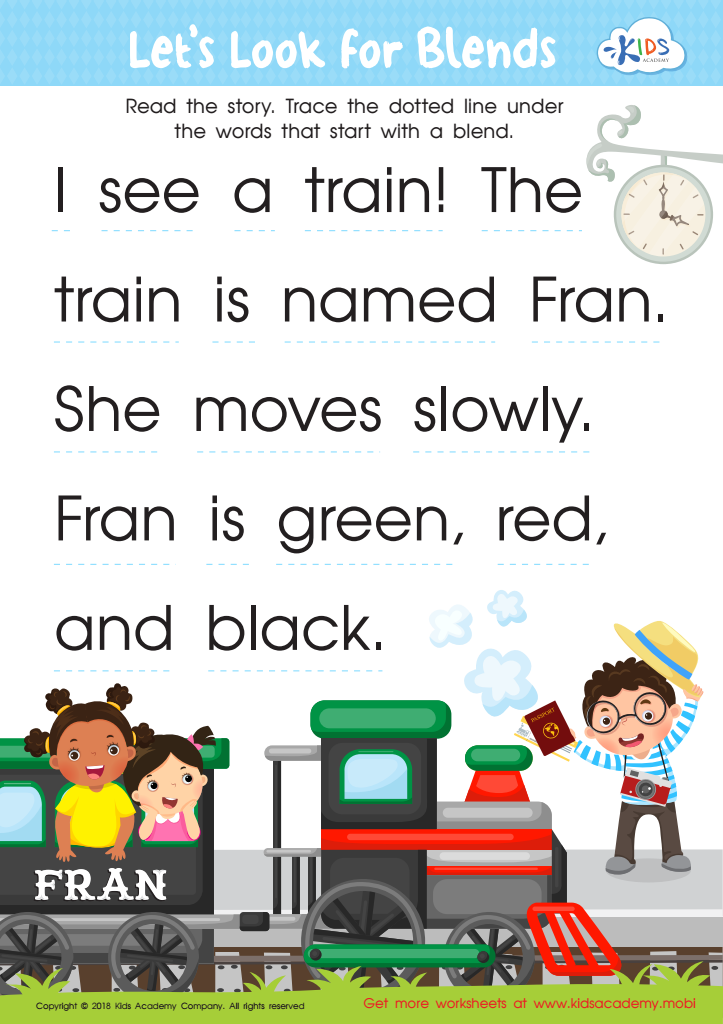
Let's Look for Blends Worksheet
Does your child love trains? Get them to read the story or help them read it aloud. Ask them to trace the words that start with blends on the dotted lines. This exercise will help them improve their blend-identifying skills!
Let's Look for Blends Worksheet
Worksheet
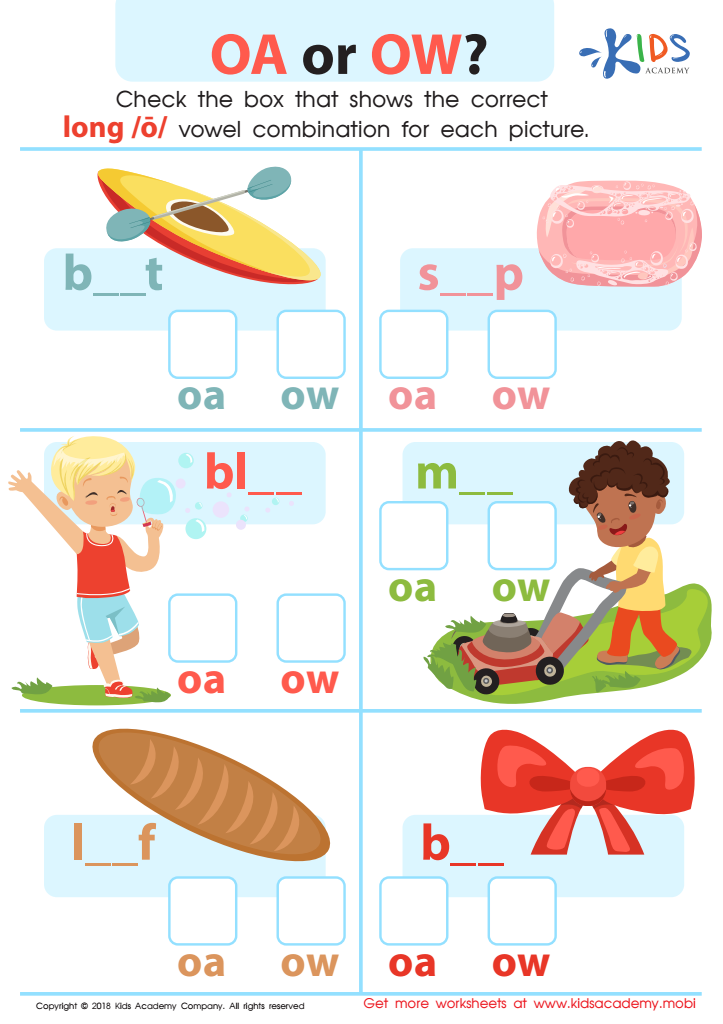
Reading: OA or OW Worksheet
This printable worksheet helps young and emergent readers with decoding words and understanding digraphs (two letters with one sound). It requires students to complete the spelling for each word based on the picture, focusing on /oa/ and /ow/ spellings. It's ideal for a reading classroom and for spelling practice.
Reading: OA or OW Worksheet
Worksheet
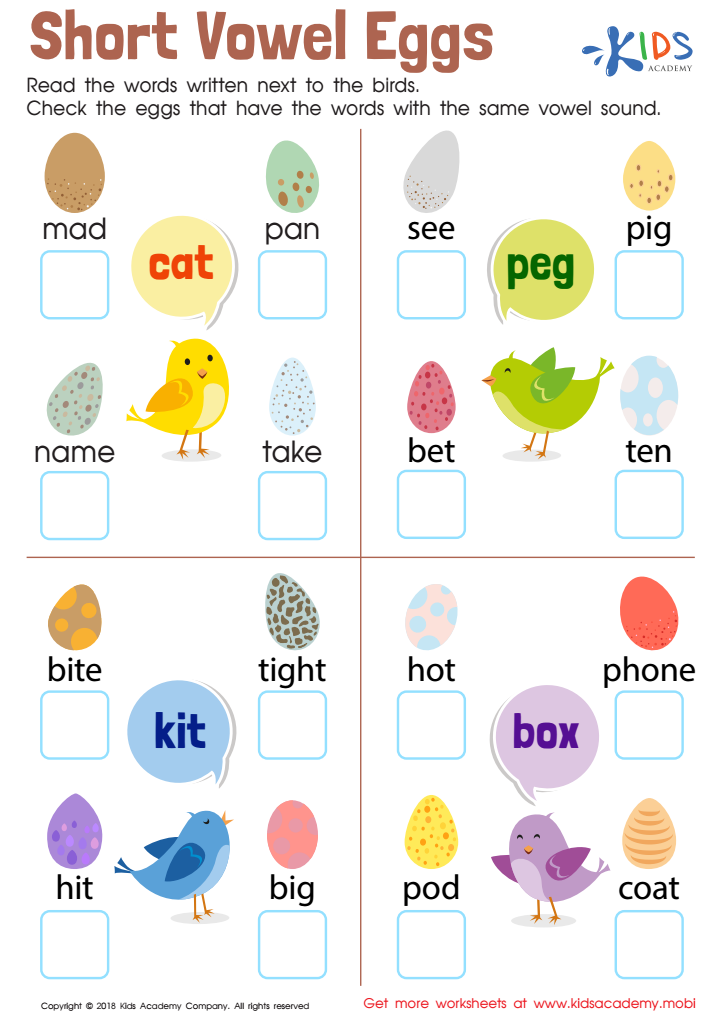
Short Vowel Eggs Worksheet
Your students will love helping these birdies pick the short vowel eggs! Have them read the words in the thought bubbles, then check off the boxes with the same short vowel sounds. The bright colors of this free Worksheet will draw them in and get them practicing their vowels!
Short Vowel Eggs Worksheet
Worksheet
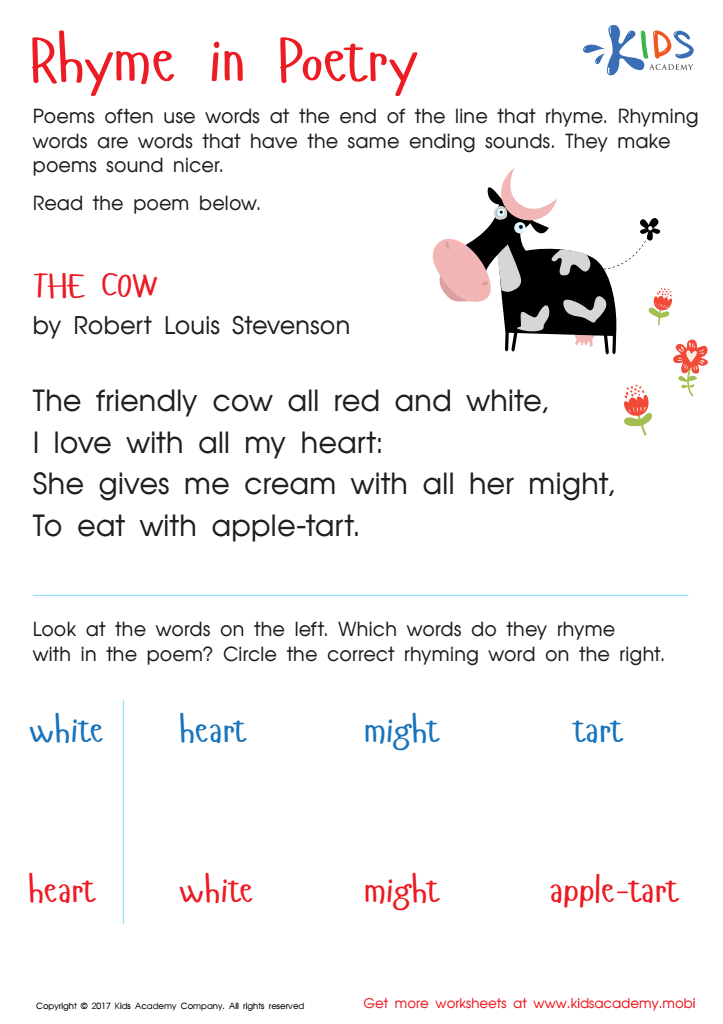
Rhyme In Poetry Worksheet
Introduce your child to poetic devices and help build their ear for poetry with Robert Louis Stevenson's adorable poem about a cow! Through this rhyming worksheet, your child will gain an appreciation for poetry and language.
Rhyme In Poetry Worksheet
Worksheet
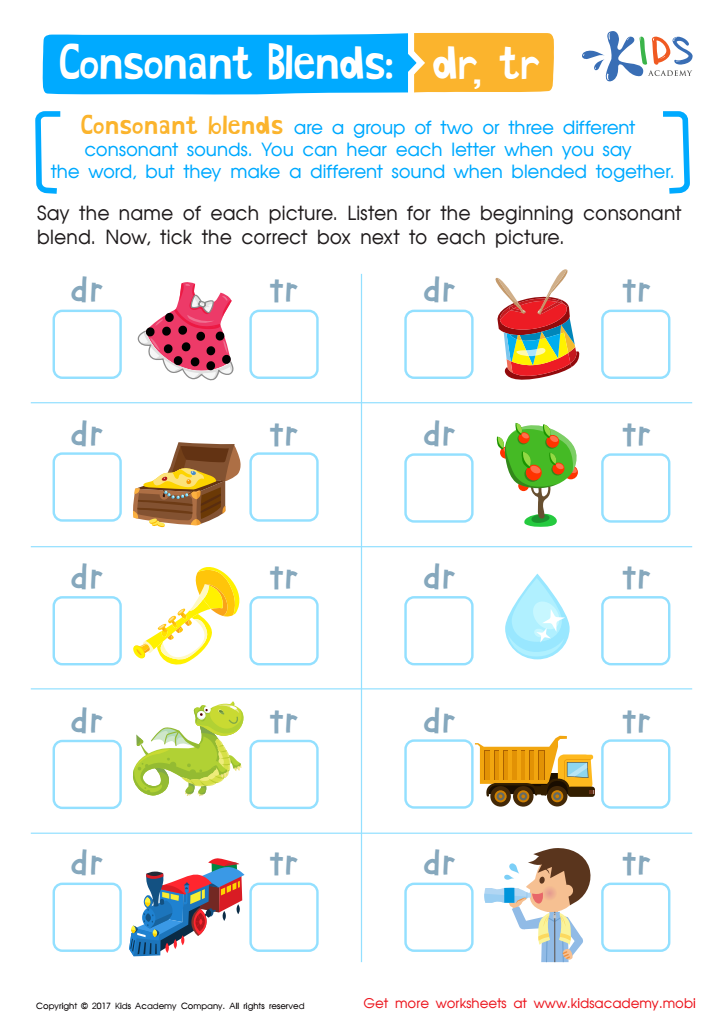
Consonant Blends: "Dr" and "Tr" Printable
Pictures of the words provide a visual cue, and sound-outs help with auditory cues.
Consonant Blends: "Dr" and "Tr" Printable
Worksheet
Join Kids Academy for Free
Who is primarily going to use this learning content?








Vocabulary Enrichment Normal Phonics for children aged 6-8 plays a crucial role in early literacy development. At this formative age, children are rapidly acquiring language skills, making it an optimal time to expand their vocabulary and enhance reading abilities. By focusing on phonics, children learn to decode words, understand sound-symbol relationships, and improve their reading fluency.
Parents and teachers should care about this program because a strong vocabulary base contributes significantly to overall academic success. The language skills developed during these years not only assist in reading and writing but also boost comprehension in various subjects, fostering a lifelong love for learning. Furthermore, vocabulary enrichment supports effective communication, enabling children to express their thoughts and feelings more clearly.
Investing time in phonics-based vocabulary enrichment also lays the groundwork for critical thinking and problem-solving skills. Children who engage in rich vocabulary experiences are better equipped to understand nuanced texts and engage with complex ideas as they progress in their education. Additionally, the collaborative nature of vocabulary activities encourages social skills and collaboration, preparing children for diverse learning environments. Overall, prioritizing vocabulary enrichment in early education fuels children’s confidence, curiosity, and academic achievement.







