Handwriting Skills Normal Tracing Letters Worksheets for Ages 6-8
5 filtered results
-
From - To
Enhance your child's handwriting with our expertly crafted "Handwriting Skills Normal Tracing Letters Worksheets for Ages 6-8." Designed to support early literacy development, these engaging worksheets focus on proper letter formation, promoting fine motor skills and hand-eye coordination. Tailored for young learners, they feature clear traceable letters, guiding children through consistent practice. Ideal for home or classroom use, the worksheets combine education with fun, effectively preparing kids for advanced writing tasks. Explore our comprehensive collection, where improving penmanship is an enjoyable journey. Embrace the joy of learning and watch as your child's confidence and skills soar.
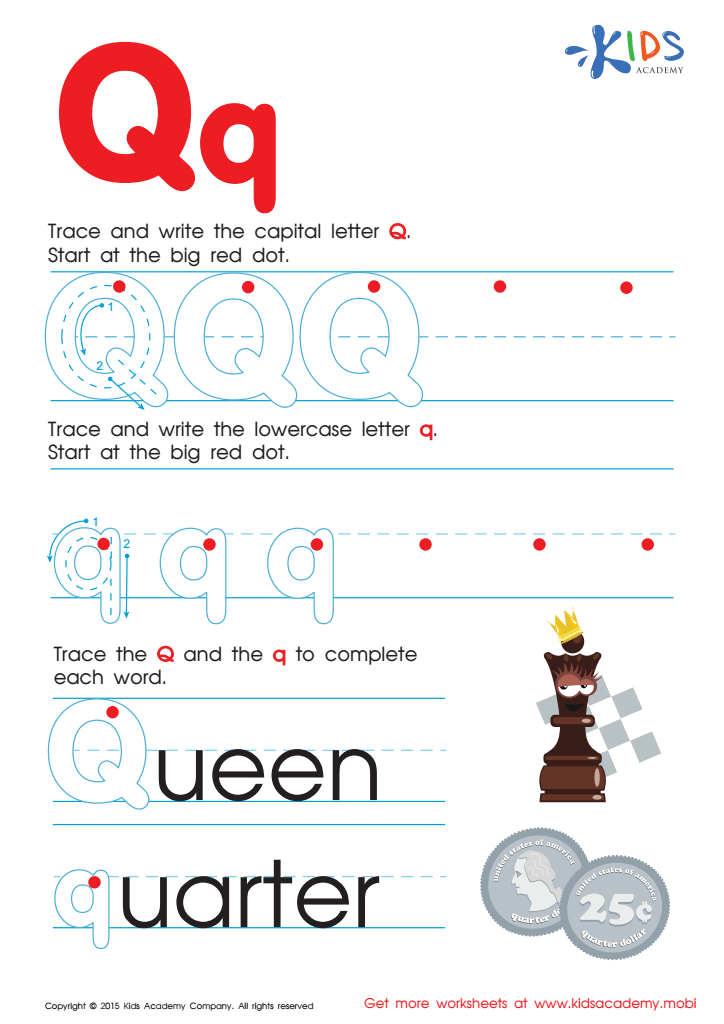
Letter Q Tracing Page
 Assign to My Students
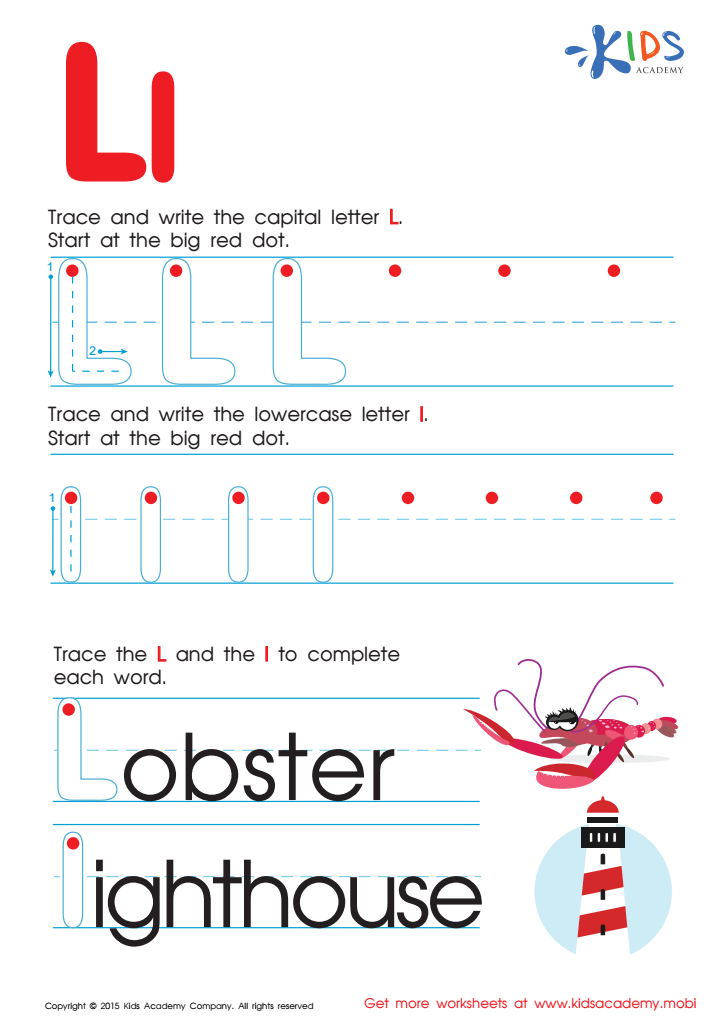
Letter L Tracing Page

Letter E Tracing Page
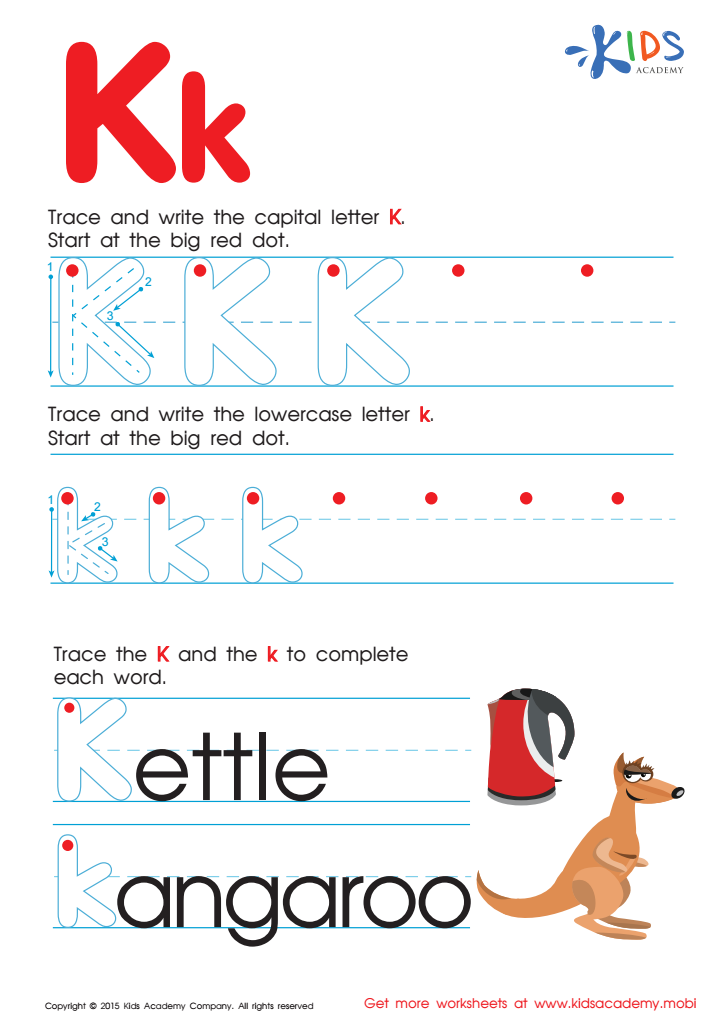
Letter K Tracing Page
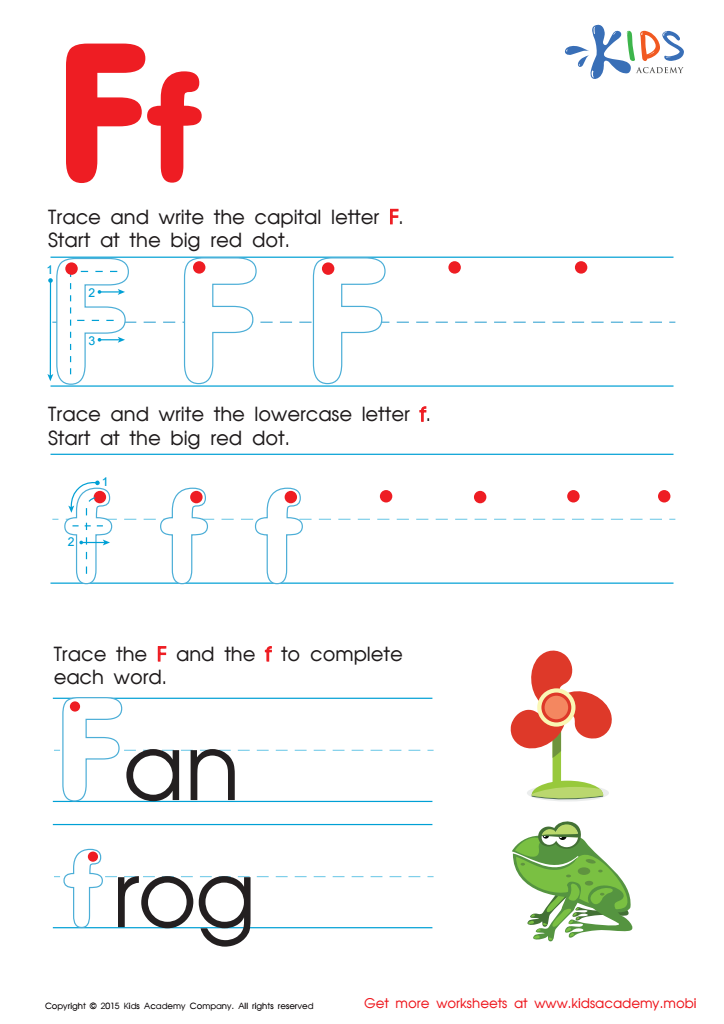
Letter F Tracing Page







Handwriting skills are a crucial developmental milestone for children aged 6-8, laying the foundation for effective written communication. For parents and teachers, prioritizing proper handwriting practice, particularly through normal tracing letters, is essential for several reasons.
Firstly, handwriting influences cognitive and motor skills development. The act of tracing letters helps refine fine motor skills by enhancing hand-eye coordination and dexterity. This motor development is not only pivotal for handwriting but also for various everyday tasks.
Secondly, good handwriting habits formed during this age act as a precursor for academic success. Neat and legible handwriting allows children to focus on higher-order thinking and learning rather than struggling with the mechanics of writing. This eliminates potential frustration and boosts self-confidence, positively impacting academic performance.
Moreover, handwriting exercises improve memory retention and learning. The cognitive process involved in forming letters activates neural pathways associated with reading and understanding. Research shows that children who regularly engage in writing practice excel more in reading and comprehensive tasks.
Lastly, handwriting is a fundamental skill that transcends into lifelong practical and professional capabilities. While digitalization is prevalent, handwriting maintains its relevance, fostering a sense of individual expression and personal touch.
Hence, encouraging children to develop robust handwriting skills through tracing and practice equips them with essential tools for education and beyond, making it a priority for both parents and teachers.








