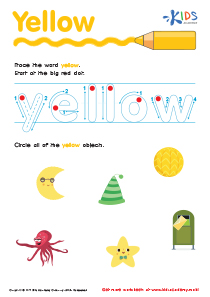
Handwriting practice Normal English for Beginners Worksheets for Ages 6-8 - Page 2
26 filtered results
-
From - To
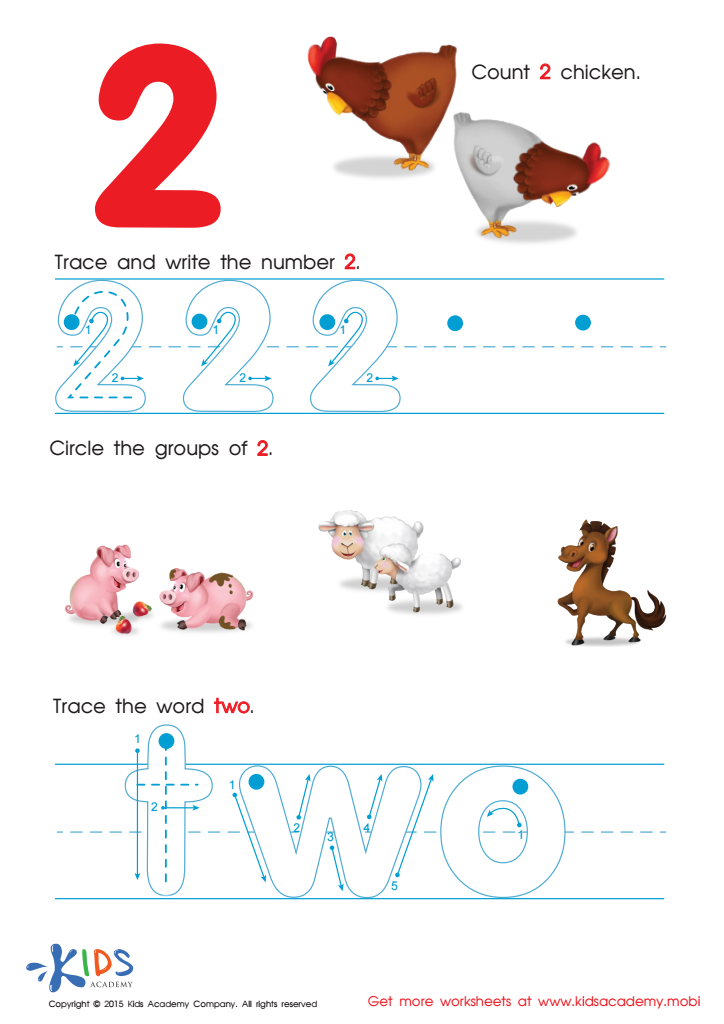
Learn to Write the Number 2 Worksheet
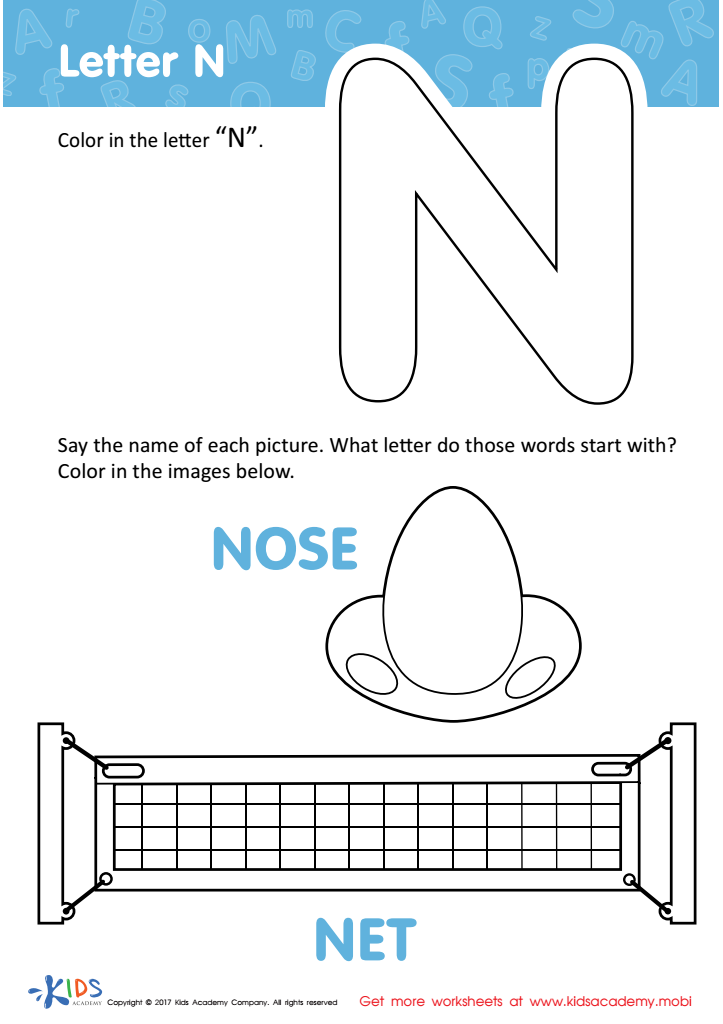
Letter N Coloring Sheet
 Assign to My Students





Handwriting practice is essential for children aged 6-8 for several reasons. Firstly, it aids in the development of fine motor skills. As young learners manipulate pencils and form letters, they enhance their hand-eye coordination and dexterity, which will benefit them in various tasks throughout life.
Secondly, handwriting fosters cognitive development. Writing by hand encourages children to process information more deeply than typing or drawing, leading to better understanding and retention of concepts. This is particularly important as they begin to tackle more complex subjects in school.
Moreover, handwriting is crucial for building literacy skills. As children practice letter formation, they learn to connect sounds with letters, ultimately improving their reading and writing abilities. An emphasis on clear, legible handwriting also helps children communicate their ideas effectively, boosting their confidence.
Lastly, successful handwriting practice instills a sense of discipline and patience in children. It shows them the value of consistent effort, which can translate into other areas of life.
Given these benefits, it’s imperative that parents and teachers prioritize handwriting practice as part of early education, ensuring children develop vital skills that will serve them academically and socially.