Alphabetical order understanding Normal Worksheets for Ages 6-8
3 filtered results
-
From - To
Discover engaging "Alphabetical Order Understanding Normal Worksheets" designed for children aged 6-8. These worksheets help young learners grasp the fundamentals of organizing words and terms in alphabetical order. Through fun and interactive activities, students will enhance their literacy skills while improving their ability to categorize, sort, and sequence. Ideal for classroom use or home study, these resources foster a love for reading and writing. Watch as your child's confidence grows as they master this essential skill, paving the way for future literacy success. Explore our curated worksheets and make learning fun and exciting for your little ones today!
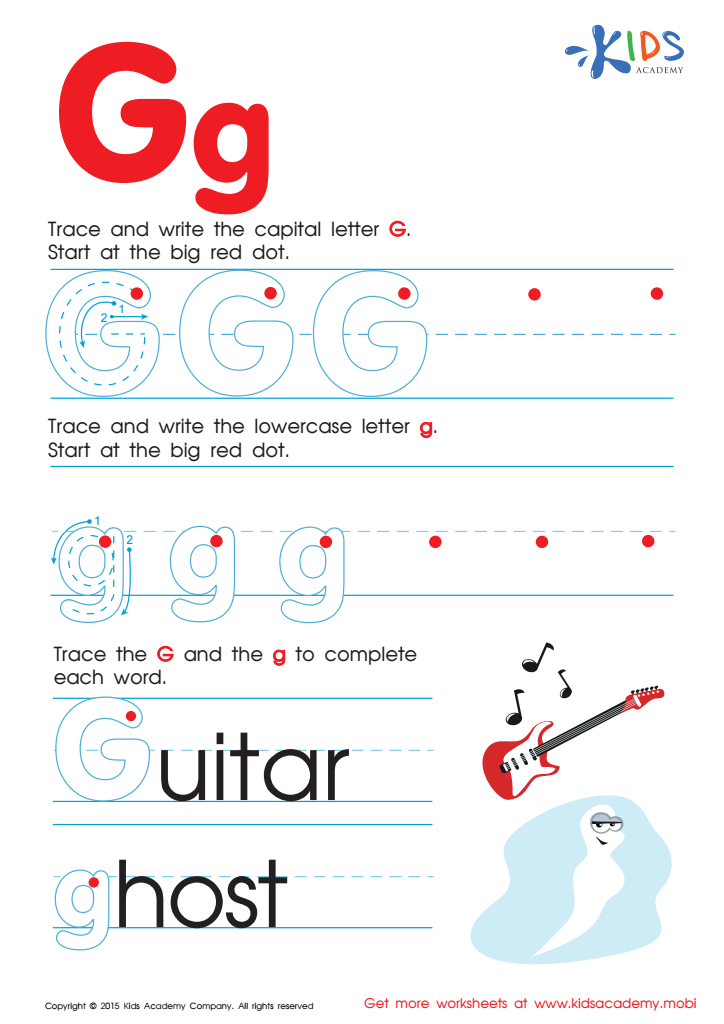
Letter G Tracing Page
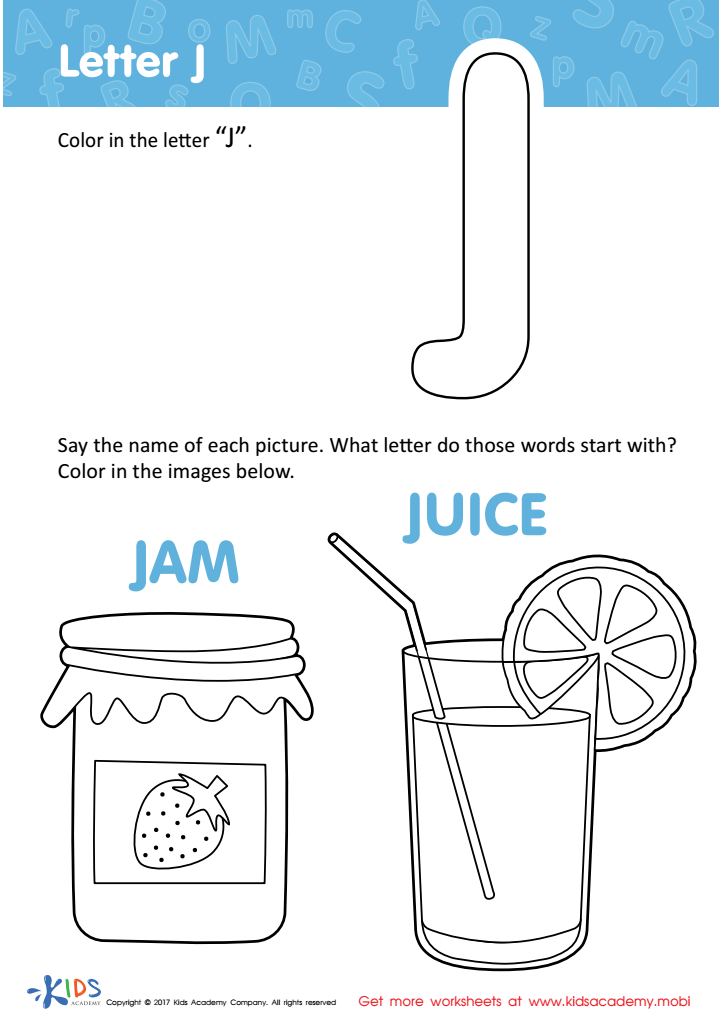
Letter J Coloring Sheet
 Assign to My Students
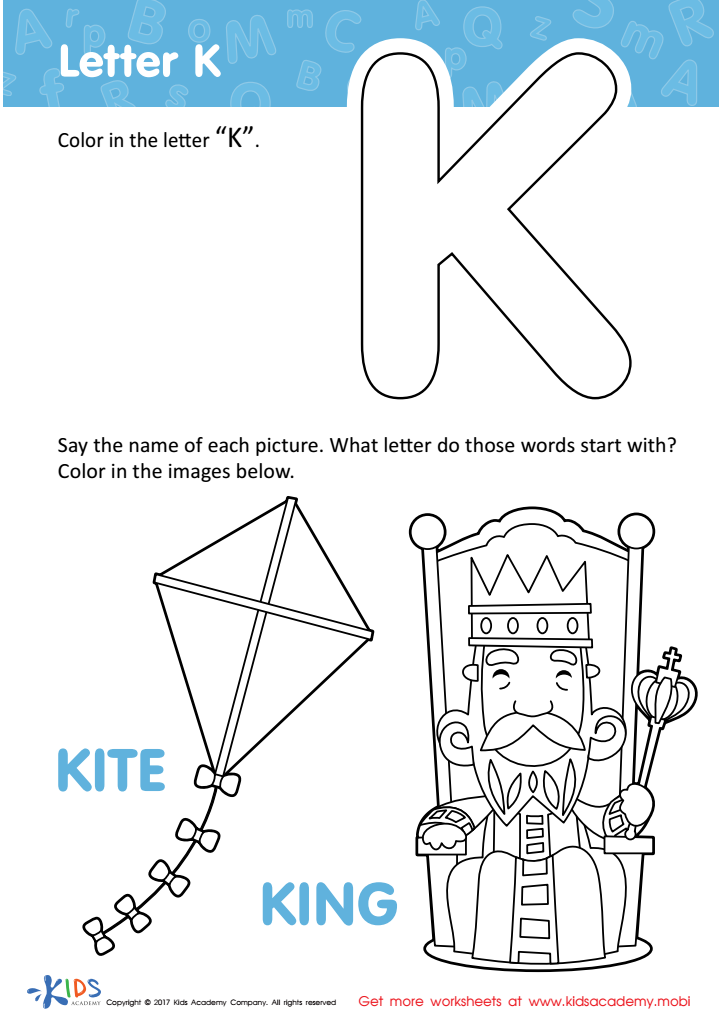
Letter K Coloring Sheet
Assign to My Students


.jpg)



Understanding alphabetical order is crucial for children aged 6 to 8, as it lays the foundation for essential literacy skills. First, it enhances vocabulary development and reading proficiency. When children learn the sequence of letters, they can better recognize and spell words, which significantly impacts their writing and communication abilities.
Moreover, knowing alphabetical order fosters organizational skills. Many classroom activities, such as sorting tricks in games or arranging books, require students to understand this concept. It also aids them in using alphabetical tools like dictionaries and encyclopedias, encouraging independence in research and information retrieval.
Additionally, mastering alphabetical order promotes critical thinking and problem-solving. As children sort items or list words, they engage in cognitive processes that develop their analytical skills. This understanding fosters confidence in their abilities, motivating them to explore language further.
Furthermore, teaching alphabetical order nurtures social skills by facilitating cooperative learning. Activities like group games or peer-assisted learning create opportunities for teamwork, enhancing communication among peers.
Overall, prioritizing alphabetical order for children aged 6 to 8 supports their literacy development, organizational skills, analytical thinking, and social interaction, all of which are vital for their academic success and overall growth.








