Building vocabulary Normal Worksheets for Ages 6-8
4 filtered results
-
From - To
Enhance your child's language skills with our Building Vocabulary Normal Worksheets tailored for ages 6-8. These engaging, printable worksheets are designed to boost vocabulary through fun and interactive activities. Children will explore new words in various contexts, helping them understand meanings and usage while improving their reading comprehension. The carefully curated exercises cater to diverse learning styles, ensuring that each child can thrive. With vibrant illustrations and challenging prompts, our worksheets make learning enjoyable and effective! Equip your young learners with the tools they need for academic success by fostering a rich vocabulary that will last a lifetime. Dive in and watch them flourish!
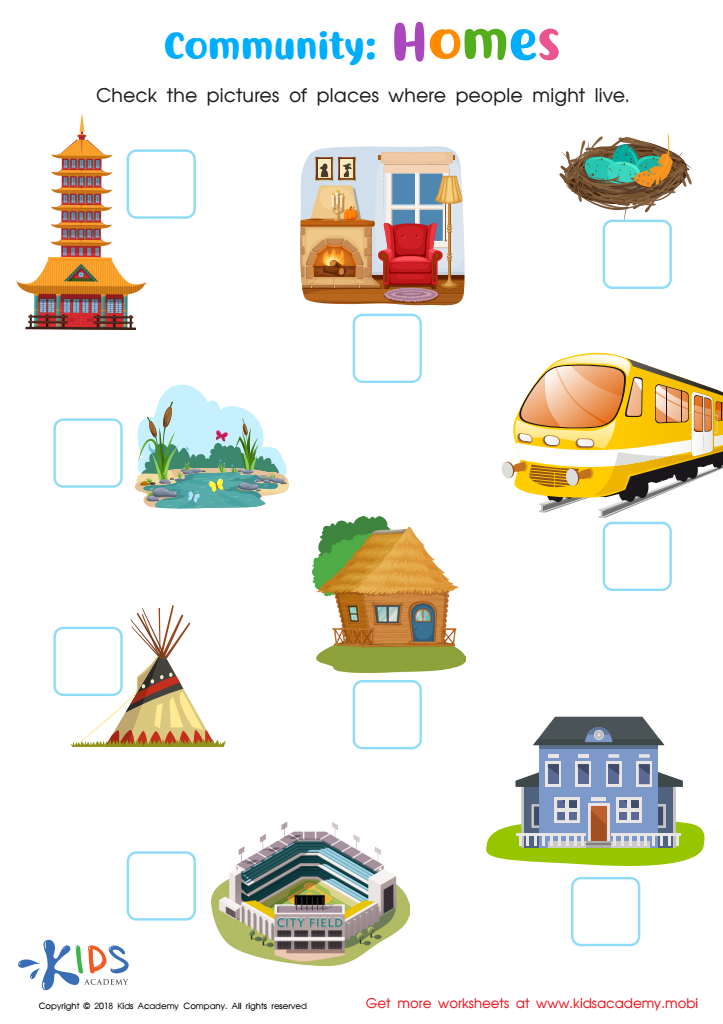
Community: Homes Worksheet
 Assign to My Students
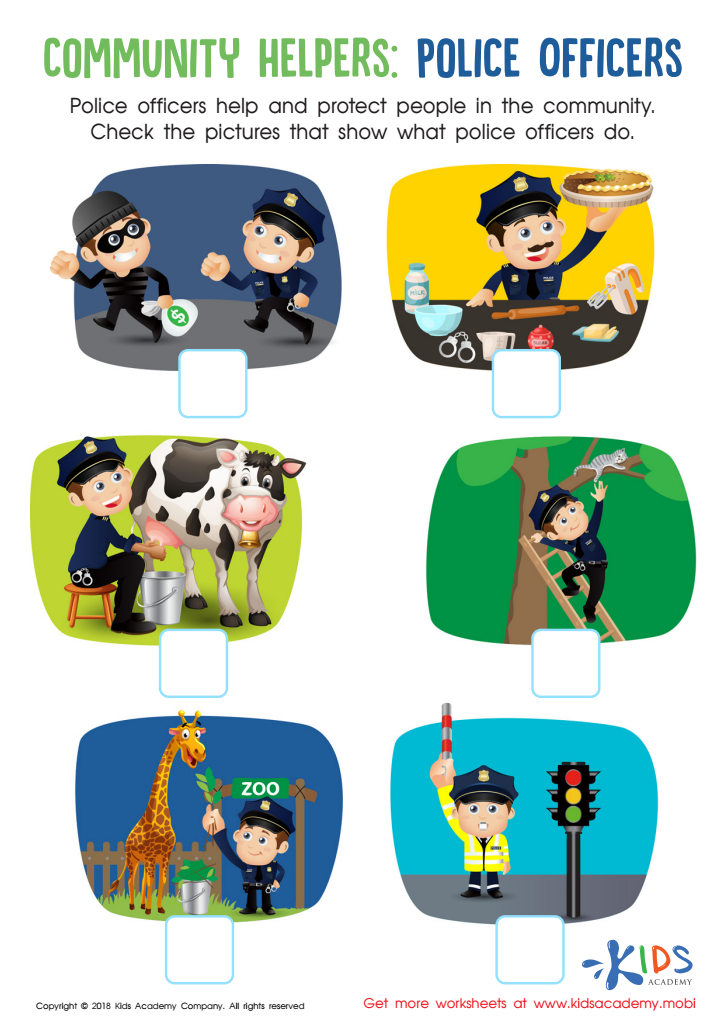
Police Officers Community Helpers Worksheet
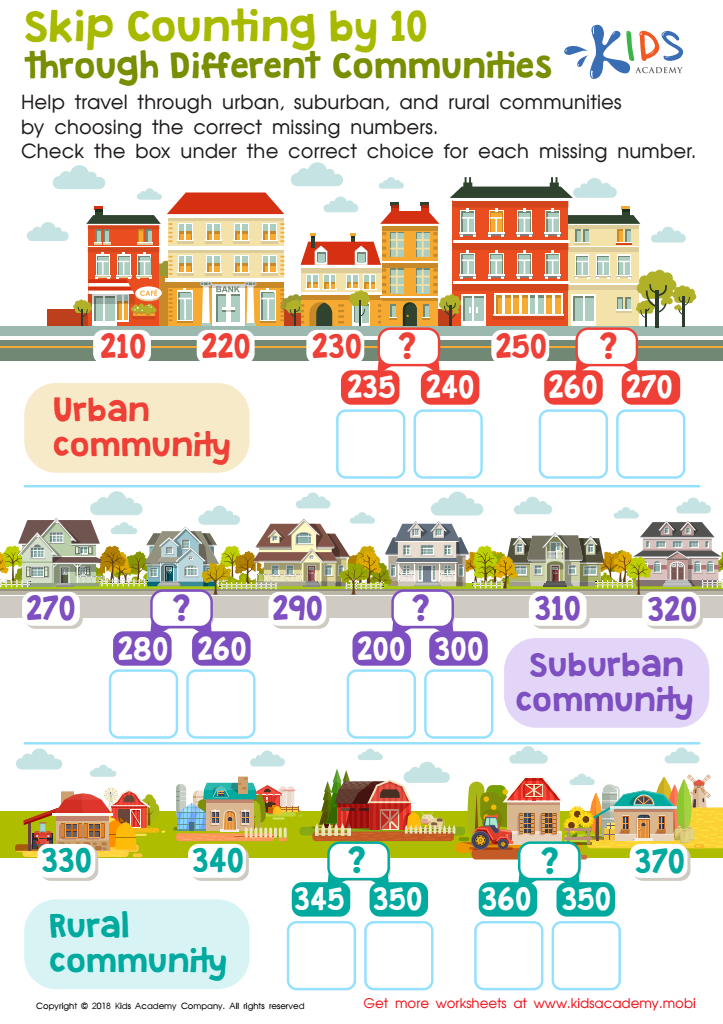
Skip Counting by 10 through Different Communities Worksheet
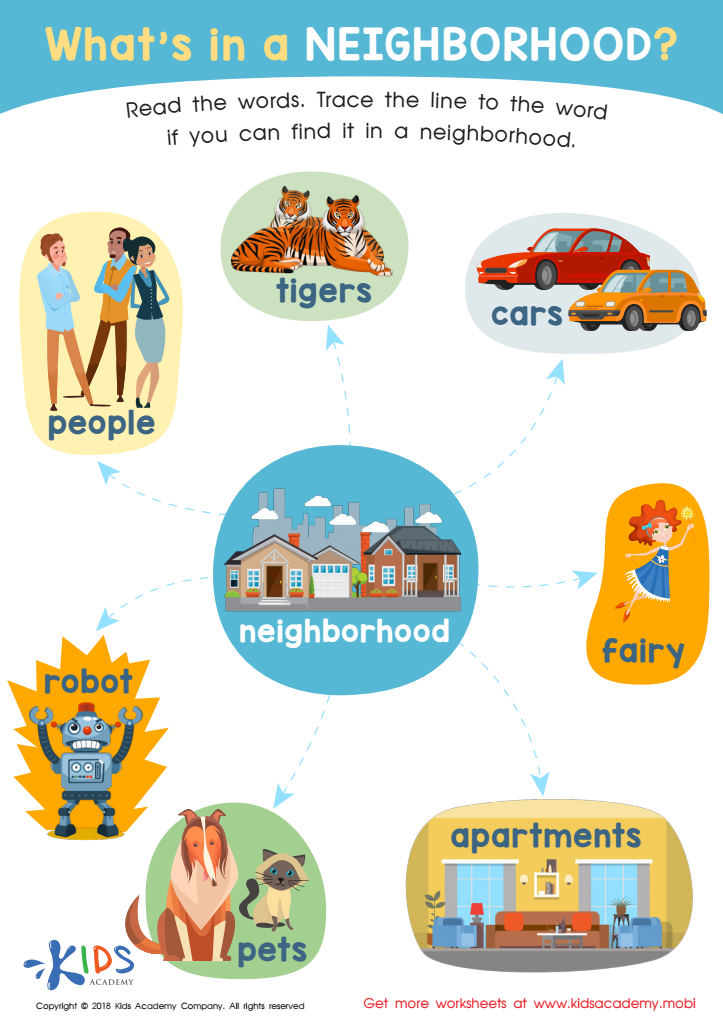
What's in a Neighborhood? Worksheet








Building vocabulary for children ages 6-8 is crucial for their cognitive and social development. At this stage, children are expanding their literacy skills and beginning to read independently, so a rich vocabulary enhances their understanding of texts. Strong vocabulary is directly linked to better reading comprehension, allowing children to grasp concepts, infer meanings, and enjoy stories more fully. This not only fosters a love for reading but also lays a solid foundation for future learning.
Additionally, vocabulary influences communication skills, enabling children to express their thoughts and ideas clearly. As they interact with peers and adults, a robust vocabulary aids in effective participation in discussions, enhancing their social skills and confidence.
Moreover, children with a rich vocabulary are more likely to perform better academically across subjects, as many concepts require specific terminology. Parents and teachers can help by introducing new words in context, engaging in conversations, and encouraging reading. By nurturing vocabulary growth, adults play a vital role in shaping children’s future educational and personal success, ensuring they have the tools necessary to navigate both academic challenges and everyday life. Building vocabulary early can thus lead to lifelong benefits in communication and learning.








