Developing critical thinking Normal Worksheets for Ages 6-8
7 filtered results
-
From - To
Explore our comprehensive collection of printable worksheets designed for ages 6-8, focusing on developing critical thinking skills. At Kids Academy, we emphasize the importance of nurturing young minds through engaging and interactive activities. Our worksheets help children to enhance their problem-solving abilities, logical reasoning, and decision-making skills. Each worksheet is expertly crafted to make learning fun and challenging, motivating kids to think creatively and analyze information critically. With our resources, children build a robust foundation that encourages active learning and intellectual growth. Start your child's critical thinking journey with Kids Academy today!

Seeds on the Move Worksheet
 Assign to My Students
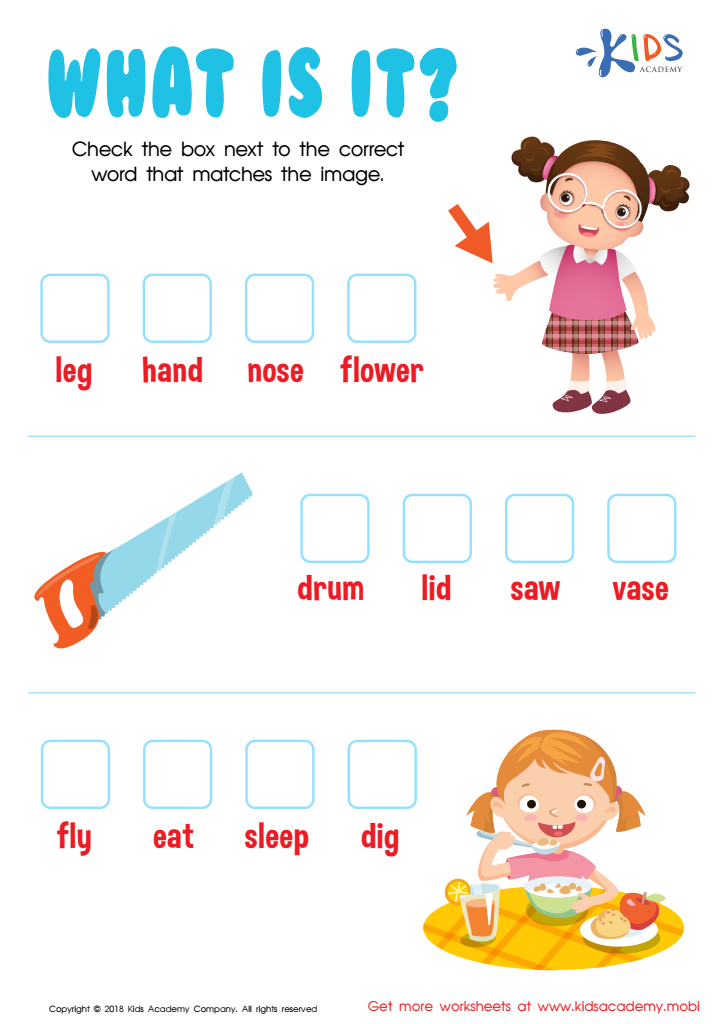
What Is It? Worksheet
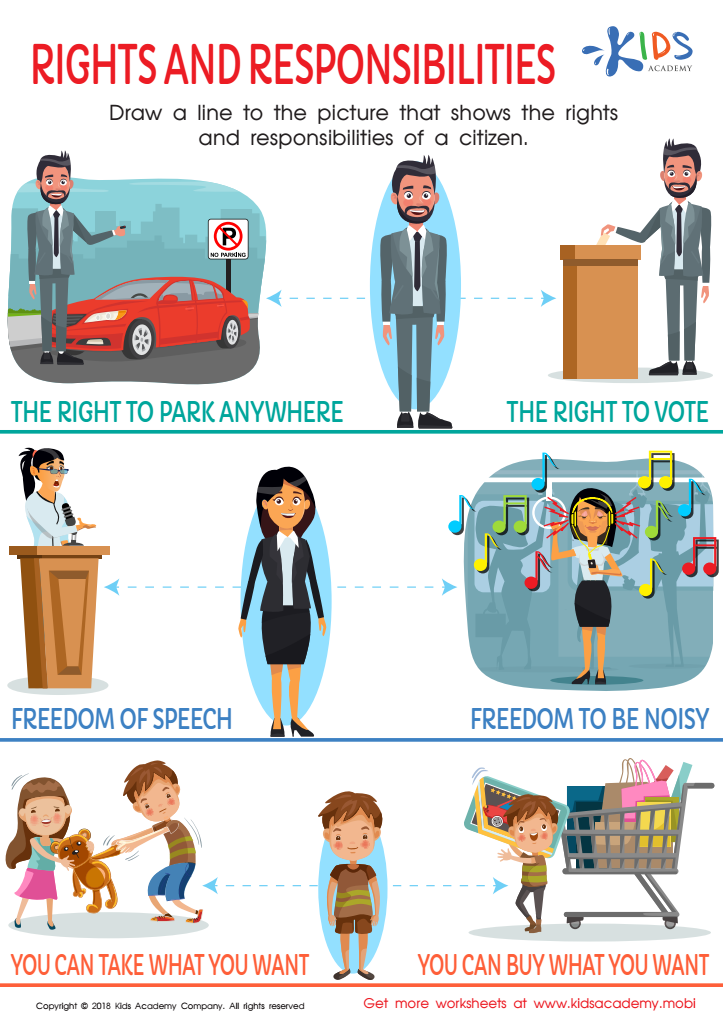
Rights and Responsibilities Worksheet
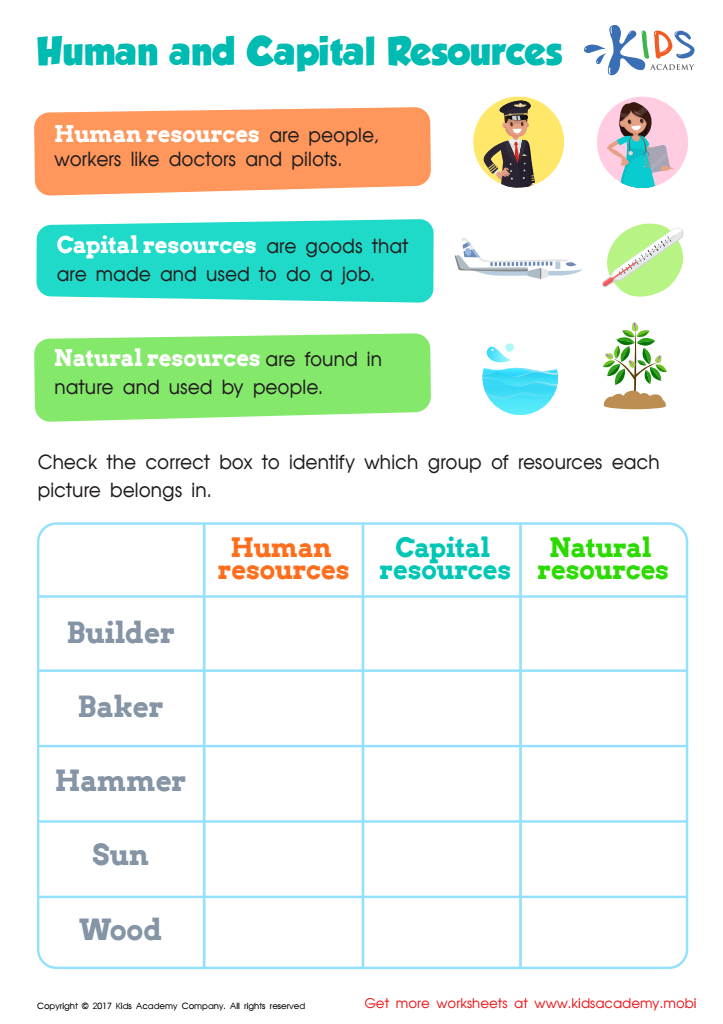
Human and Capital Resources Worksheet
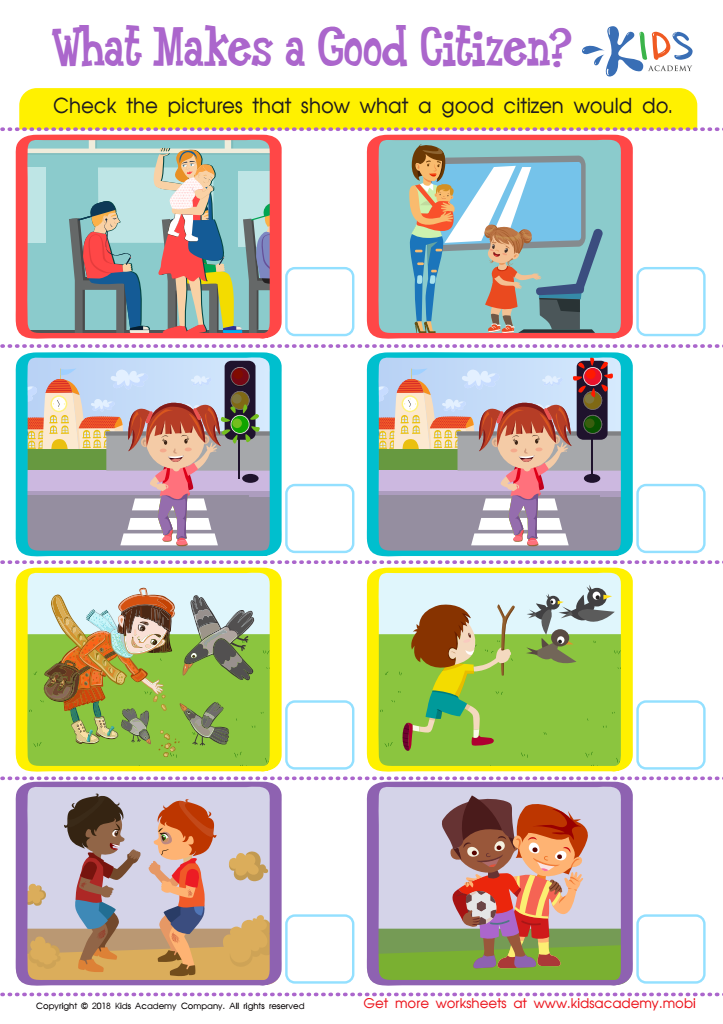
What Makes a Good Citizen? Worksheet
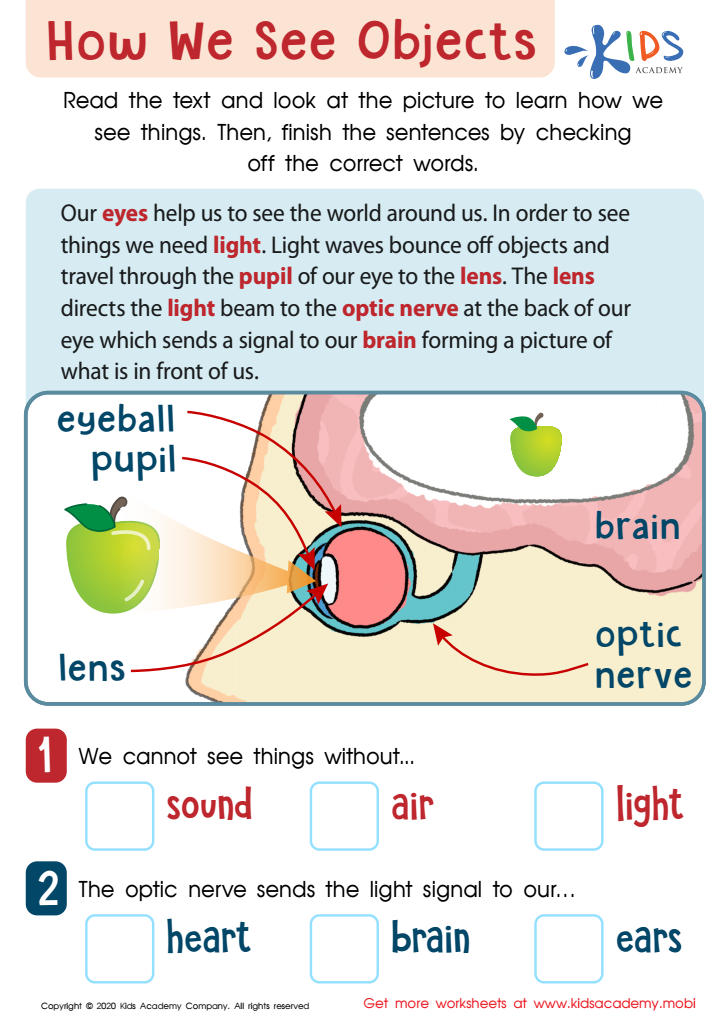
How We See Objects Worksheet
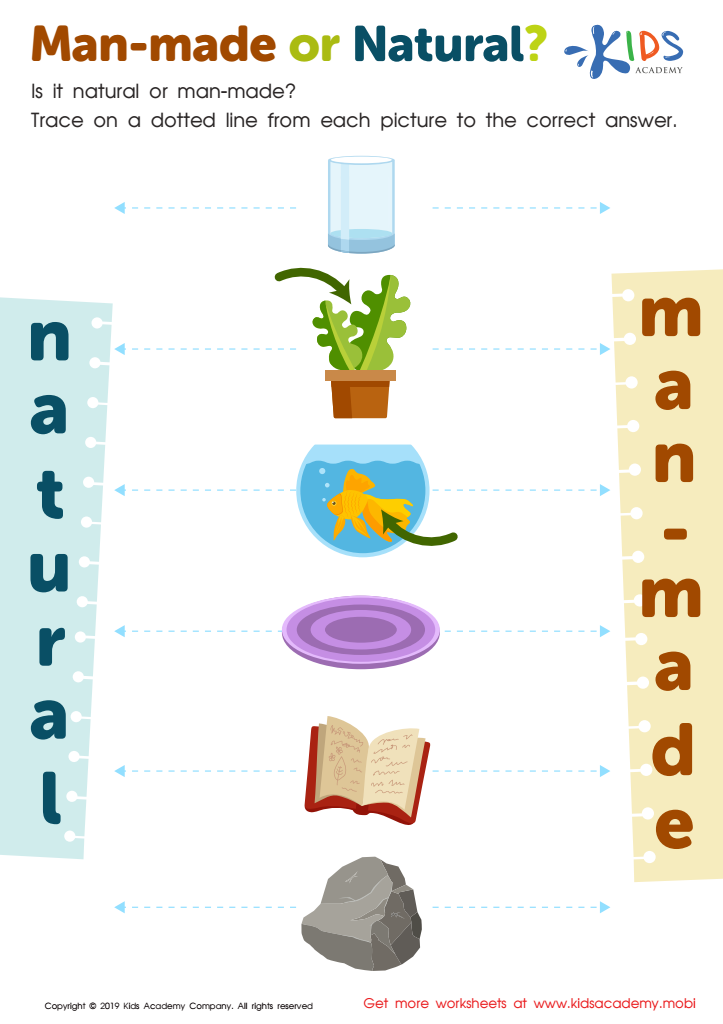
Man-Made or Natural? Worksheet






Developing critical thinking skills in children aged 6-8 is crucial for their cognitive and emotional development. At this delicate stage, kids are naturally curious and eager to explore the world around them. Encouraging critical thinking helps foster their ability to analyze situations, voice their thoughts, and make informed decisions. This foundational skill not only aids academic performance but also promotes problem-solving abilities necessary for real-life challenges.
For parents and teachers, nurturing critical thinking enhances children's school readiness and confidence. These skills improve reading comprehension, mathematical reasoning, and lead to better outcomes in science and social studies. Moreover, critical thinking encourages creativity, as children learn to approach problems from various angles and devise innovative solutions.
On a social level, critical thinkers show healthier social interactions. They can listen to others, consider different perspectives, and develop empathy. Teaching kids to reason independently helps instill self-discipline, patience, and resilience, preparing them for future societal roles.
In summary, investing in children's critical thinking during these early years lays the groundwork for their lifelong learning and personal growth. It empowers them to become adept learners and socially responsible individuals, making it a vital component of early childhood education for parents and teachers alike.








