Enhancing categorization skills Normal Worksheets for Ages 6-8
4 filtered results
-
From - To
Enhance your child's categorization skills with our engaging normal worksheets designed for ages 6-8. These thoughtfully crafted worksheets introduce children to the fundamentals of grouping and sorting, fostering critical thinking and organizational abilities. Interactive activities include sorting items based on color, shape, and size, making learning fun and effective. Perfect for classroom or home use, our worksheets are designed to stimulate young minds while building essential skills in categorization. Help your child develop confidence in identifying similarities and differences with these vibrant and educational resources. Dive into a world of learning and watch their skills flourish! Explore our worksheets today!
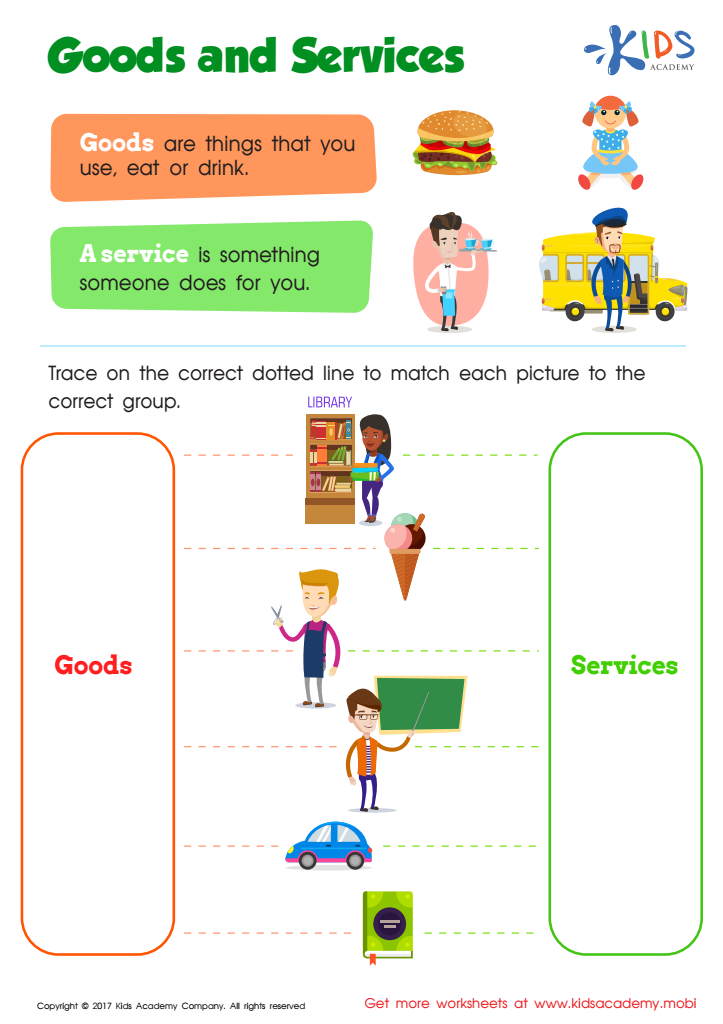
 Assign to My Students
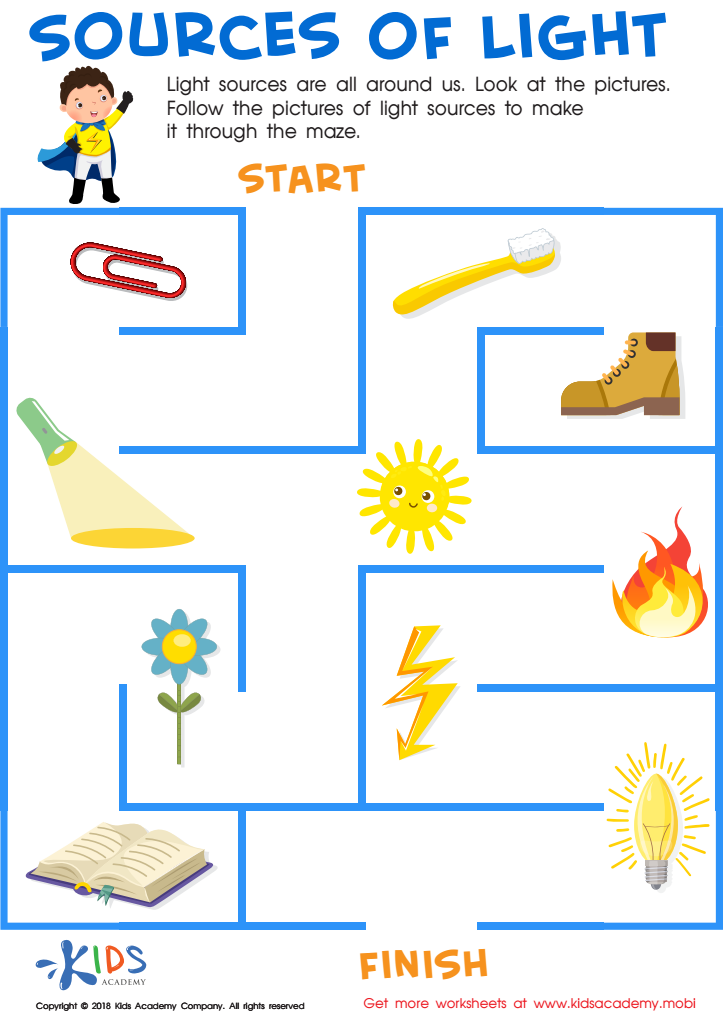
Sources of Light Worksheet
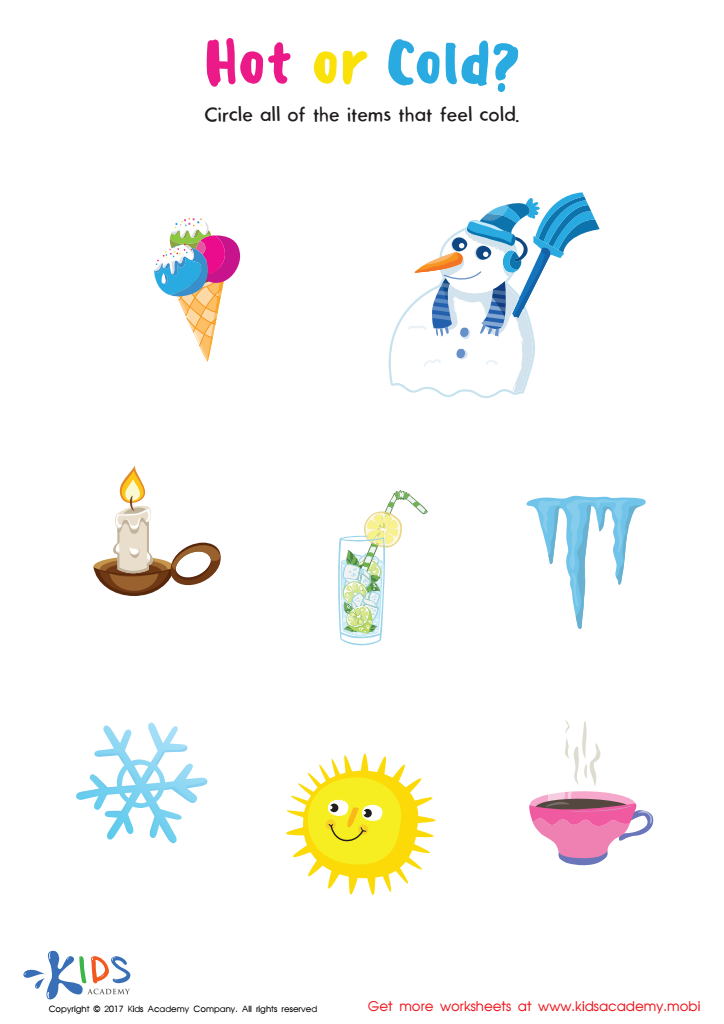
Hot or Cold Printable
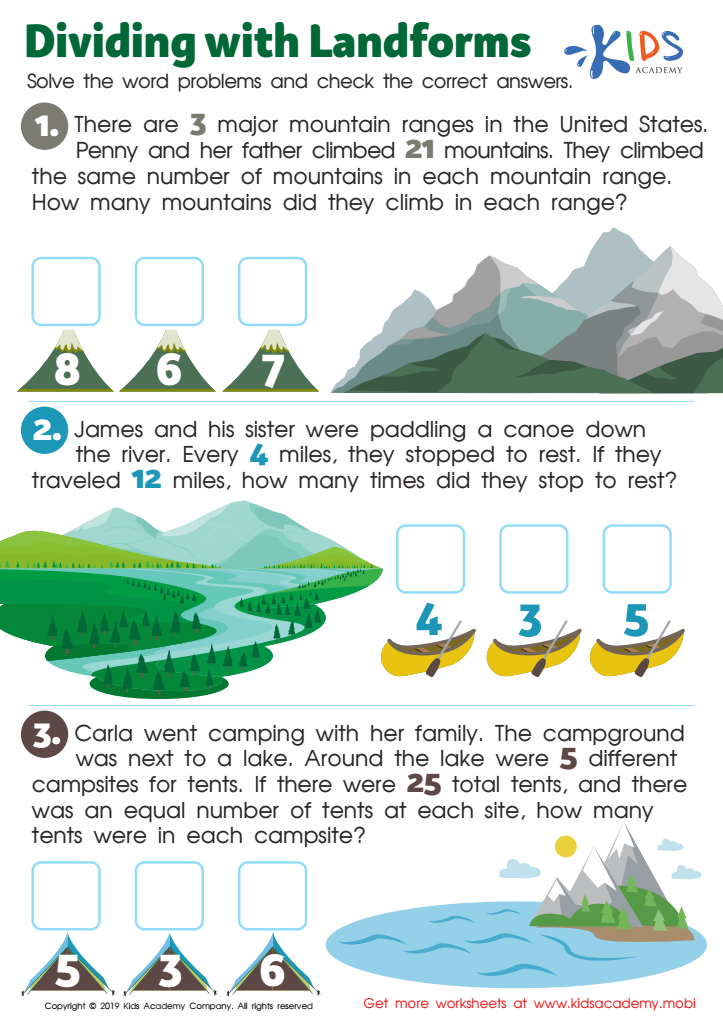
Dividing with Landforms








Enhancing categorization skills in children aged 6-8 is crucial for their cognitive development and academic success. At this age, children are building the foundational abilities needed for critical thinking and problem-solving, and categorization plays a vital role in these processes. When children learn to group objects, actions, or concepts based on shared characteristics, they develop better organizational skills and enhance their ability to understand and retain information, which is essential in subjects like math and science.
Additionally, strong categorization skills contribute to improved language development. As children learn to classify items, they build vocabulary and learn to express their thoughts clearly. For parents and teachers, fostering these skills can lead to more engaging and effective learning experiences. Children learn to see relationships between different ideas and concepts, which promotes creativity and innovation.
Furthermore, categorization helps social skills, as children learn to recognize similarities and differences in their peers, fostering empathy and cooperation. By encouraging categorization exercises through play, discussions, and activities, adults can help children develop essential lifelong skills, preparing them for future academic challenges and social interactions. Investing in these foundational abilities is an investment in a child’s overall intellectual and emotional growth.








