Grammar application Normal Worksheets for Ages 6-8
3 filtered results
-
From - To
Discover our "Grammar Application Normal Worksheets for Ages 6-8" to foster essential language skills in your young learner. Designed specifically for early grade students, these engaging activities cover basic grammar concepts, including nouns, verbs, adjectives, and punctuation. Each worksheet blends fun exercises with educational content, making learning grammar enjoyable and effective. Perfect for in-class use or supplemental home practice, our worksheets provide a strong foundation in grammar that will benefit students throughout their academic journey. Help your child or student master the building blocks of language with our thoughtfully crafted grammar worksheets.
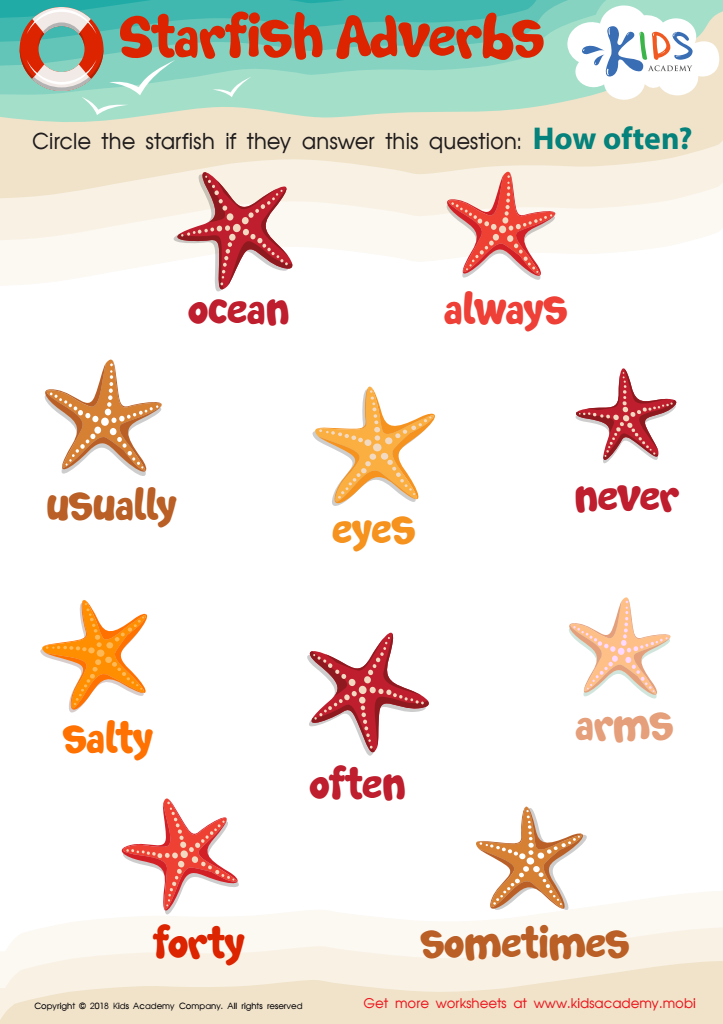
Starfish Adverbs Worksheet
 Assign to My Students
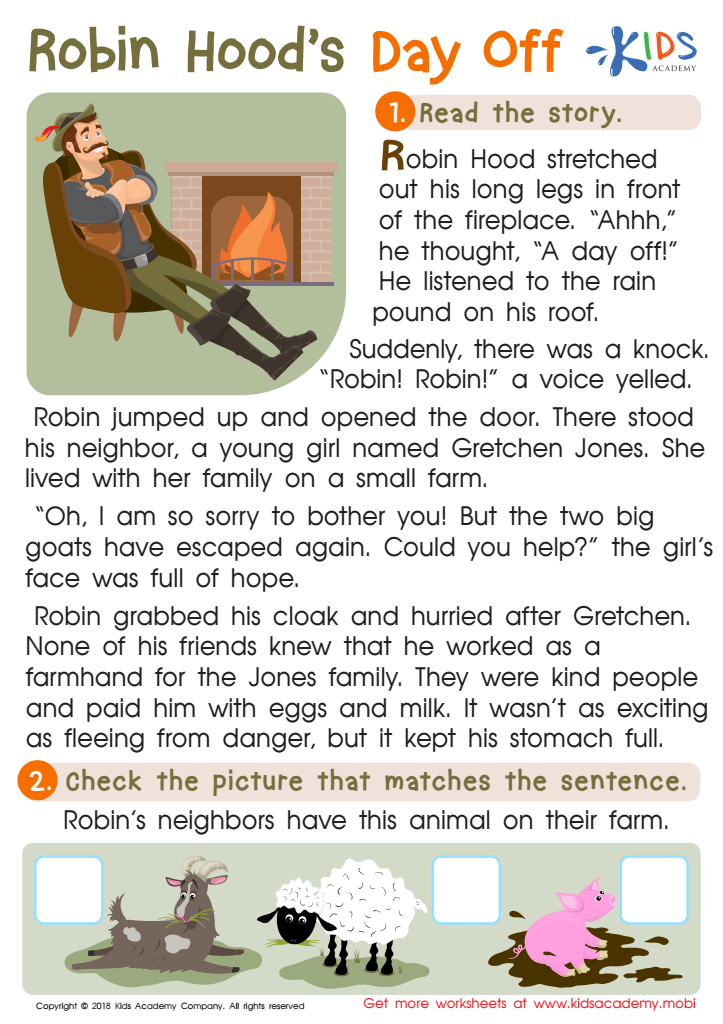
Robin Hood's Day Off Worksheet
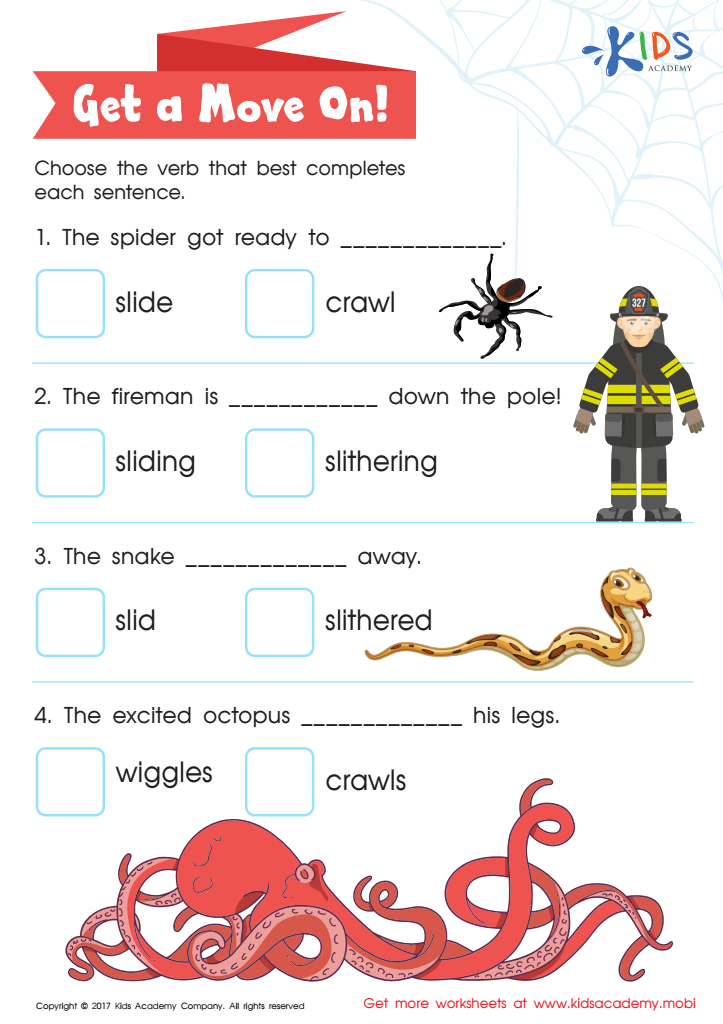
Verb Worksheet


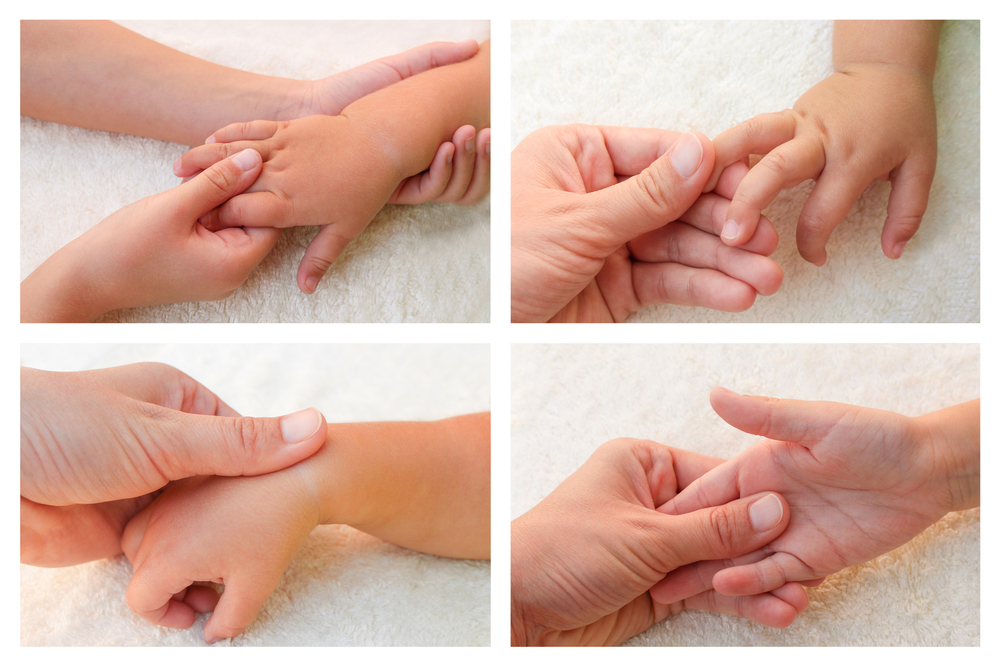





Understanding and applying proper grammar from an early age, particularly for children ages 6-8, is essential for several reasons. First, mastering grammar sets the foundation for effective communication. When children learn correct sentence structure, verb usage, and punctuation, they can express their thoughts clearly and coherently, both in writing and speaking.
Second, early grammar instruction boosts academic success. Much of a child's education involves reading and writing, and strong grammar skills facilitate better comprehension and more effective writing. This can translate to better grades and a more profound understanding of other subjects as well.
Third, learning grammar enhances critical thinking skills. Understanding the rules of language encourages children to think analytically about how sentences are constructed and to recognize patterns. This promotes cognitive development and problem-solving abilities.
Moreover, proficiency in grammar instills confidence in young learners. Children who can communicate effectively are more likely to participate in class, engage in discussions, and enjoy richer social interactions.
Lastly, good grammar habits, established early, tend to stick. The sooner children master the basics, the more effortless their future learning will be. Therefore, investing time in proper grammar instruction for young children is crucial for their overall development and lifelong learning success.








