
Language skills development Normal Worksheets for Ages 6-8
3 filtered results
Difficulty Level
Grade
Age
-
From - To
Subject
Activity
Standards
Enhance your child's language skills with our engaging normal worksheets, designed specifically for ages 6-8. These resources help develop essential reading, writing, and vocabulary skills through fun and interactive activities. Each worksheet targets crucial language concepts, allowing kids to build confidence as they learn. From completing sentences to exploring word meanings, our exercises are crafted to suit various learning styles. Perfect for home or classroom use, these worksheets encourage creativity and critical thinking while ensuring comprehension. Foster a love for language in your child and lay a strong foundation for future learning with our expertly designed materials!
Favorites
With answer key
Interactive
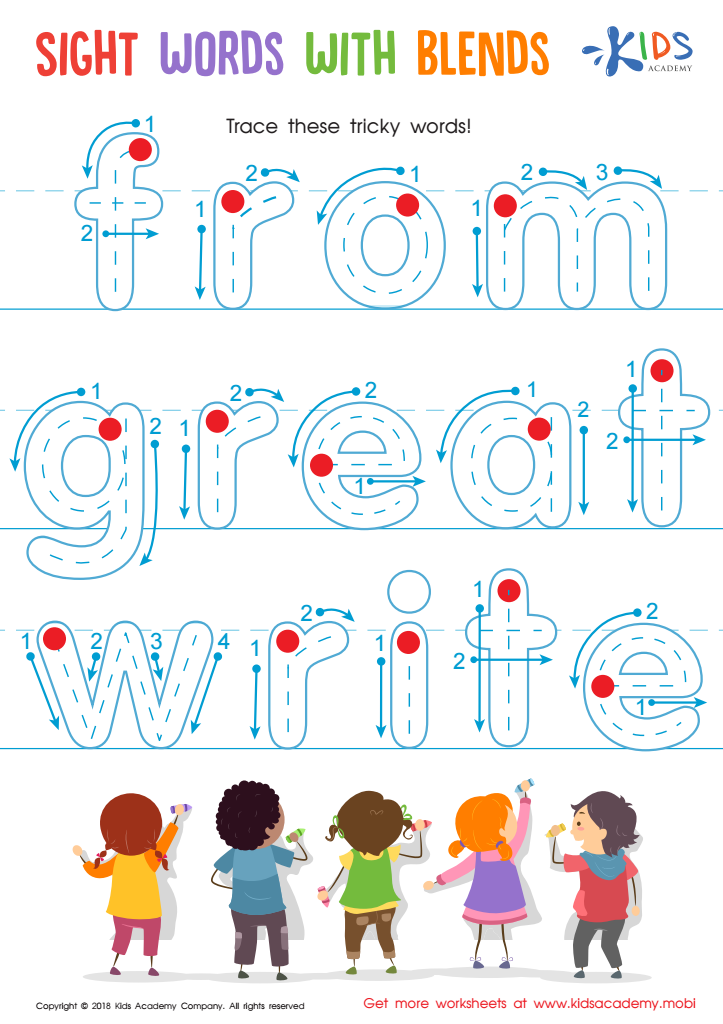
Sight Words with Blends Worksheet
This free PDF lets your children trace and write sight words with tricky blends. The guide numbers help them start from the top, building fine motor skills and enhancing sight word vocab. It's a great way to give your kids a solid foundation for reading!
 Assign to My Students
Sight Words with Blends Worksheet
Worksheet
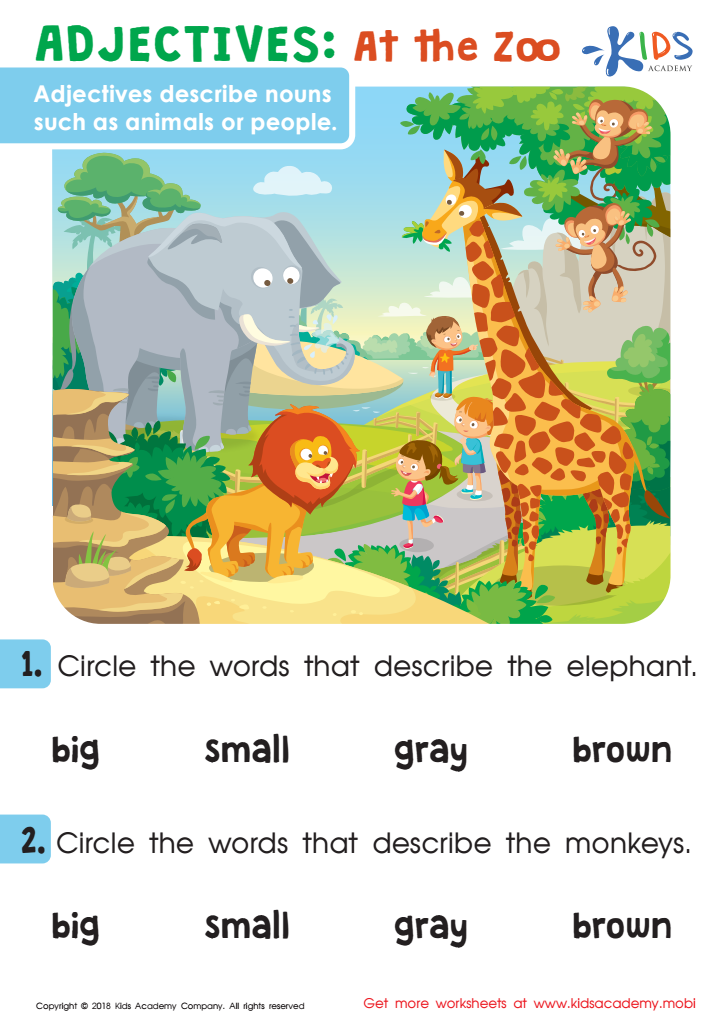
Adjectives: At The Zoo Worksheet
Take your kids to the zoo and ask them about their favorite activities and animals. This worksheet is a great way for kids to learn about adjectives. Explain that adjectives describe nouns like people or animals (e.g. big, tall, dark). Look at the printout with your kids and help them circle words that describe the animals in the picture.
Adjectives: At The Zoo Worksheet
Worksheet
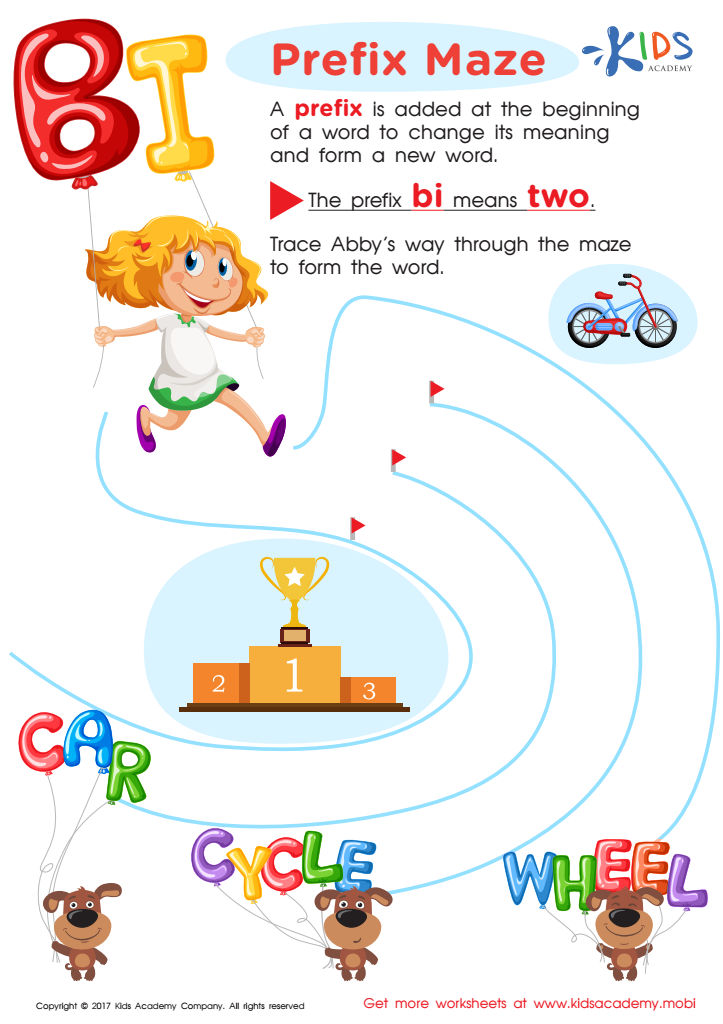
Prefix Bi Words Worksheet
Help "bi" find its root word in this fun and colorful prefix worksheet! Your child will learn how words are built while having a great time!
Prefix Bi Words Worksheet
Worksheet
Join Kids Academy for Free
Who is primarily going to use this learning content?






.jpg)
Language skills development in children aged 6-8 is crucial for several reasons. At this age, children are transitioning from learning to read to reading to learn. Strong language skills are essential for academic success, as they enable children to understand and engage with a variety of subjects. Proficient language skills enhance comprehension, allowing children to process information effectively and articulate their thoughts clearly.
Furthermore, language development fosters social skills. Children begin to communicate more complex ideas, facilitating friendships and effective collaboration with peers. Users of advanced language structures can express emotions, needs, and opinions, contributing to healthier relationships and boosted self-esteem.
Optimally, language skills can additionally influence a child’s future career prospects. Proficiency in language enhances critical thinking, creativity, and problem-solving—the foundations for richer life experiences and academic opportunities. Furthermore, during this stage, children acquire the building blocks of grammar and vocabulary, equipping them for various contexts and the nuances of language.
Ultimately, nurturing these skills during critical developmental years can lead to greater academic achievement, improved social interactions, and long-term success, making it essential for parents and teachers alike to prioritize language development in this formative phase.








