Letter-sound association Normal Worksheets for Ages 6-8
6 filtered results
-
From - To
Enhance your child’s reading skills with our Letter-Sound Association worksheets tailored for ages 6-8. These engaging activities connect letters with their corresponding sounds, laying a robust foundation for early reading proficiency. Ideal for developing phonemic awareness, these worksheets offer diverse exercises including matching, tracing, and pronunciation practice, ensuring a comprehensive learning experience. Perfect for classrooms or homeschooling, these resources are designed to make learning fun and effective. Visit Kids Academy and explore our extensive collection to support your child's journey to becoming a confident reader through interactive, hands-on practice.
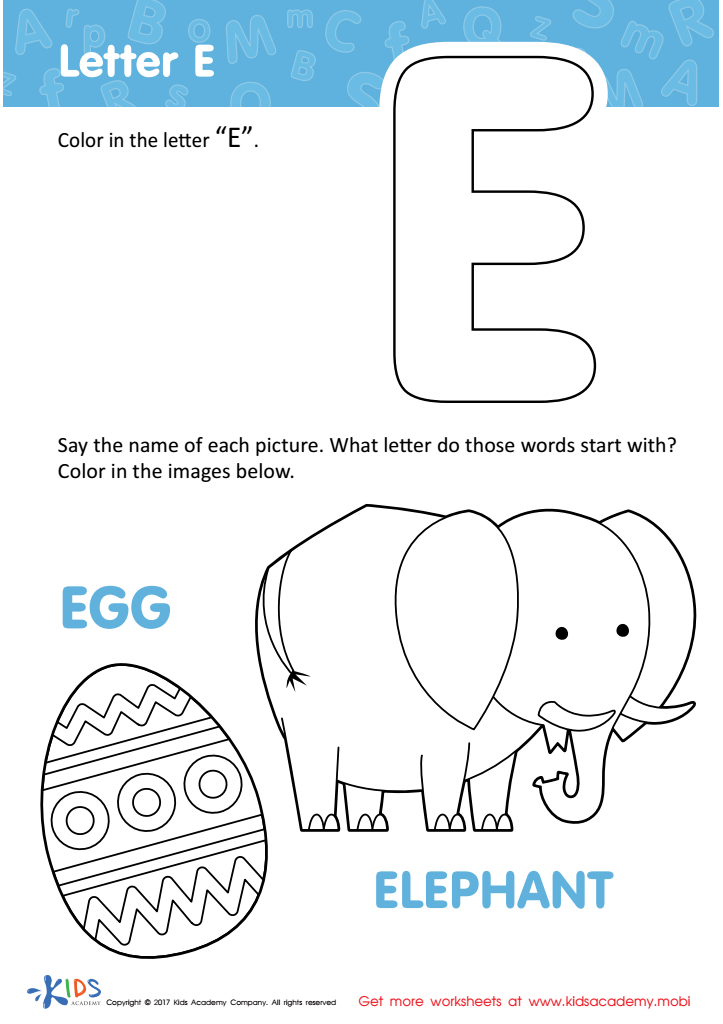
Letter E Coloring Sheet
 Assign to My Students
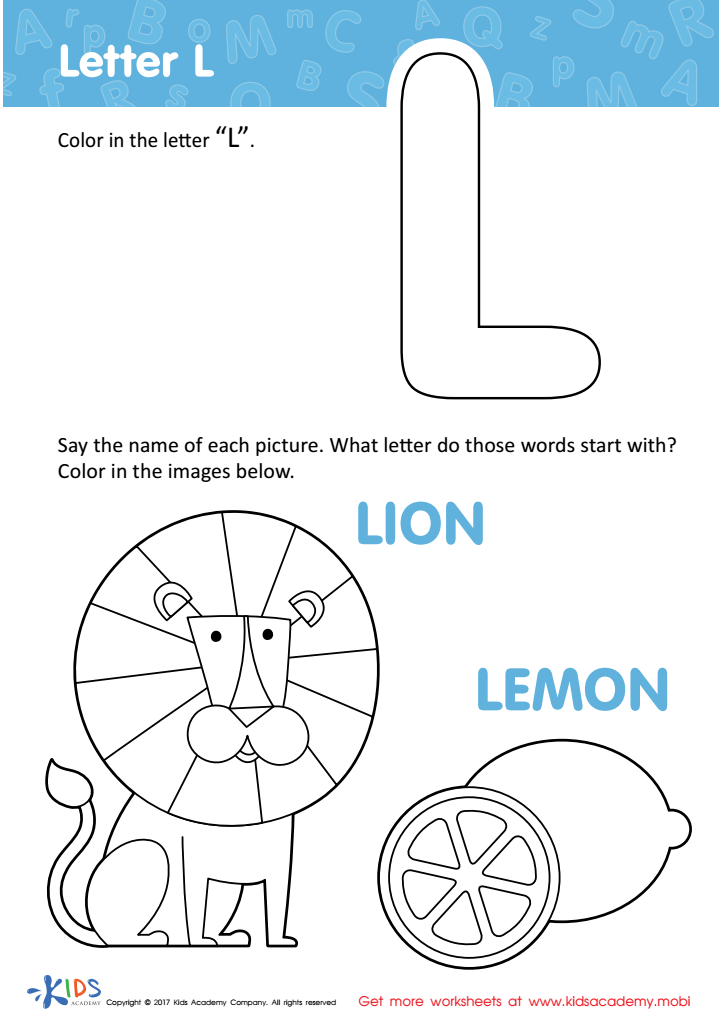
Letter L Coloring Sheet
Assign to My Students
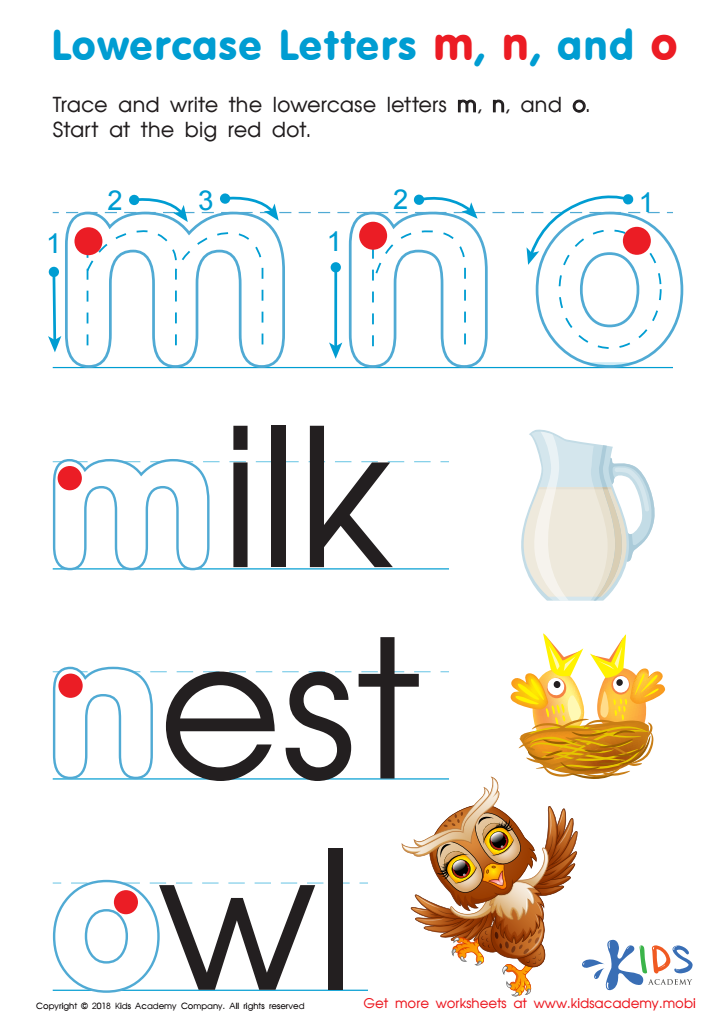
Lowercase Letters m n o Worksheet
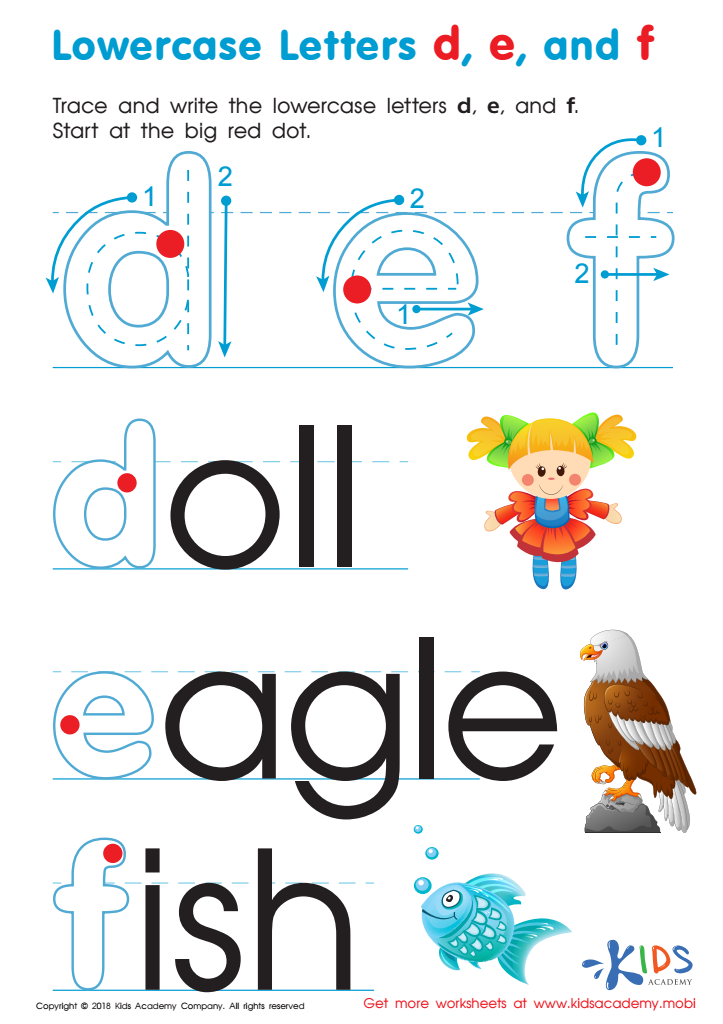
Lowercase Letters d e f Worksheet
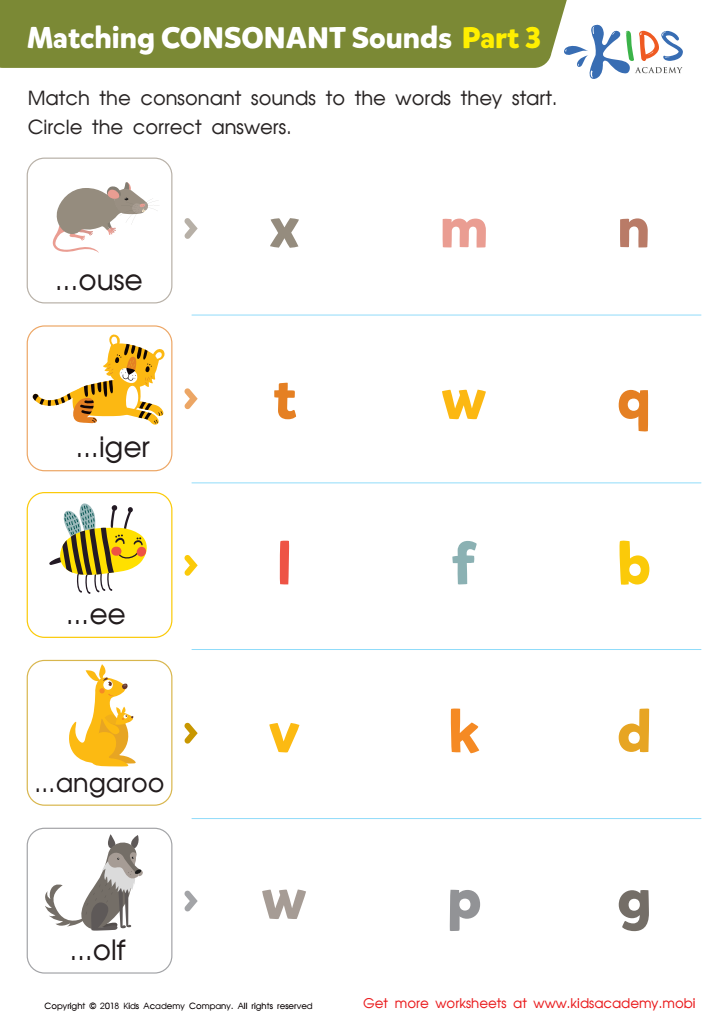
Matching Consonant Sounds: Part 3 Worksheet
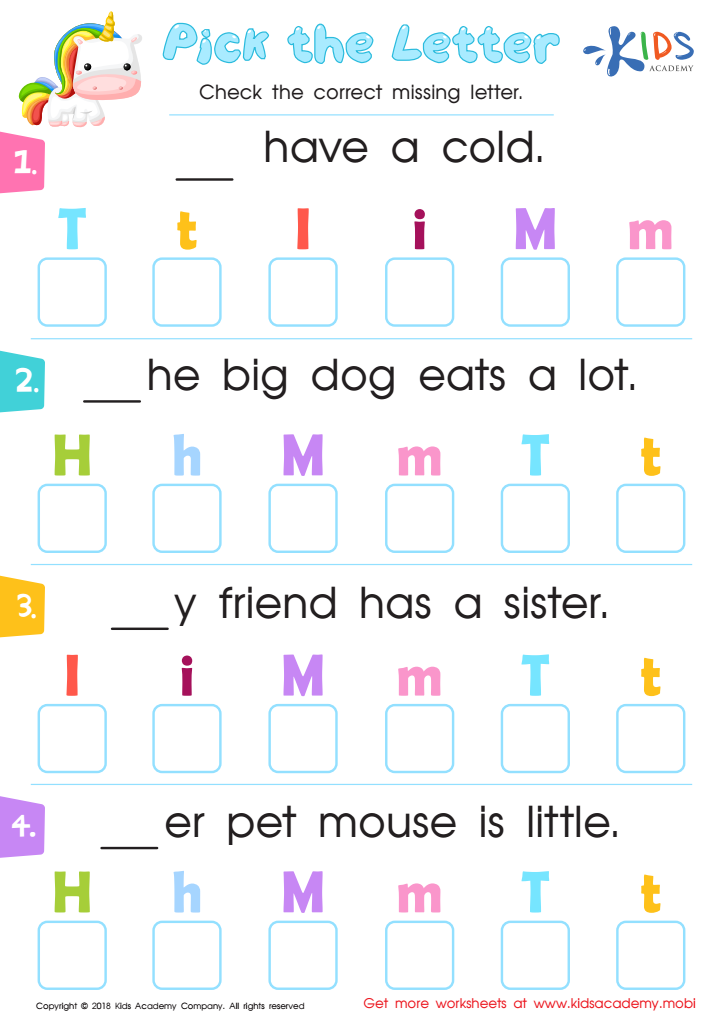
Pick the Letter Worksheet





.jpg)


Letter-sound association is a fundamental building block of literacy, commonly referred to as phonics. This skill is especially crucial for children aged 6-8, as it sets the stage for fluent reading and competent writing—lifelong skills necessary for academic success and everyday functioning.
At this age, children transition from recognizing letters to understanding that these letters represent specific sounds. This knowledge enables them to decode words accurately, enhancing their reading ability. Without a solid grasp of letter-sound association, children might struggle to read fluently or understand the text they read, hampering their confidence and desire to read.
For parents and teachers, fostering this skill means engaging students in activities that marry visual letters with their corresponding phonetic sounds. This might include games, songs, or reading exercises. Such engagement is not only educational but fun, encouraging continuous learning.
Moreover, strong letter-sound associations help with spelling. When children understand why words are spelled a certain way, they find it easier to write correctly and read between the lines, enriching their vocabulary and comprehension.
In summary, prioritizing letter-sound association ensures children are equipped with foundational skills necessary for proficient reading and writing, boosting their confidence and educational growth. Reaching this understanding at ages 6-8 paves the way for future academic success and a lifetime love of reading.








