Reading comprehension skills Normal Worksheets for Ages 6-8
3 filtered results
-
From - To
Unlock your child's potential with our Reading Comprehension Skills Normal Worksheets, specially designed for ages 6-8. These engaging worksheets encourage young learners to dive into stories and comprehend key ideas effectively. With a variety of fun exercises, children will build their vocabulary, improve memory retention, and enhance critical thinking skills. Our activities cater to different learning styles, ensuring that every child can enjoy and benefit from reading practice. Perfect for classroom use or at-home learning, these worksheets make developing reading skills enjoyable and interactive. Help your child become a confident reader today with our expertly crafted resources!
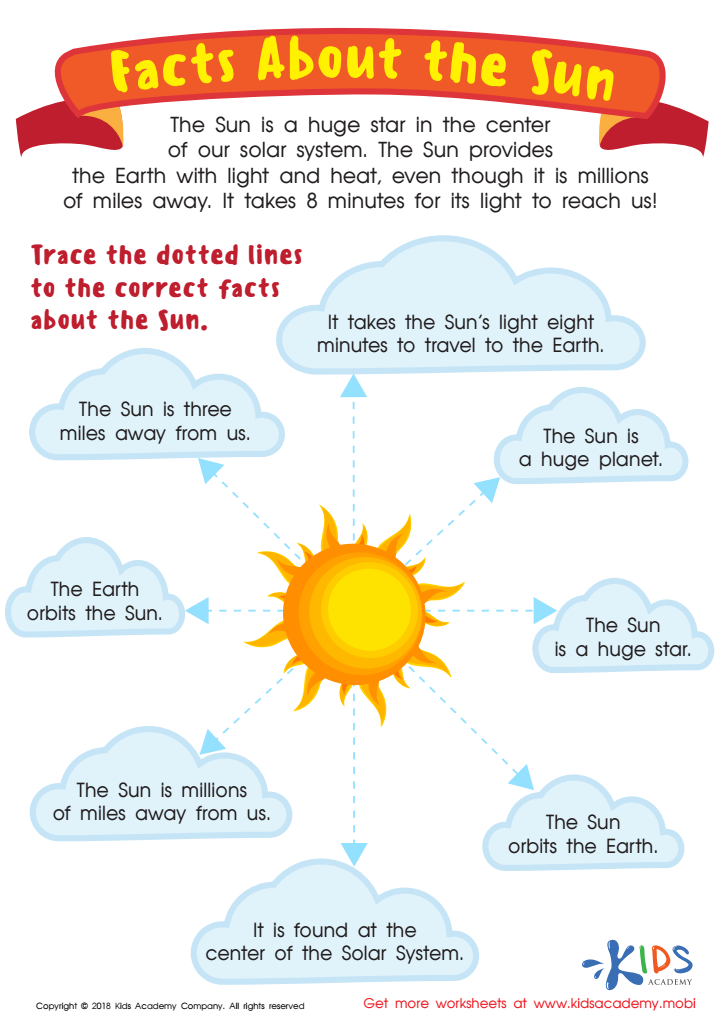
Facts About the Sun Worksheet
 Assign to My Students
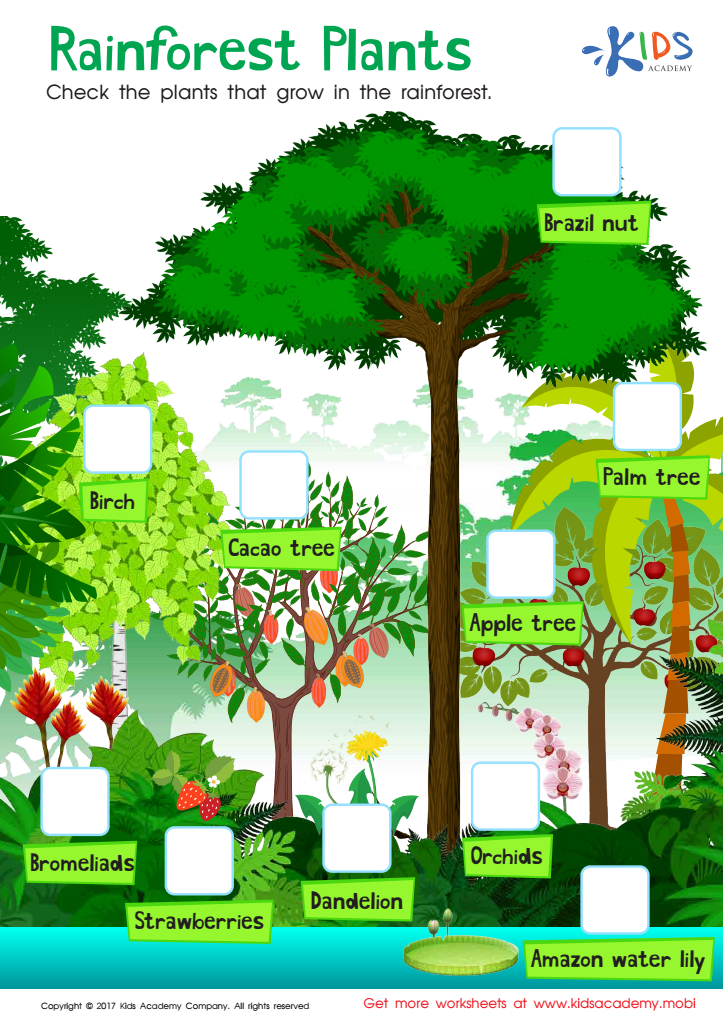
Rainforest Plants Worksheet
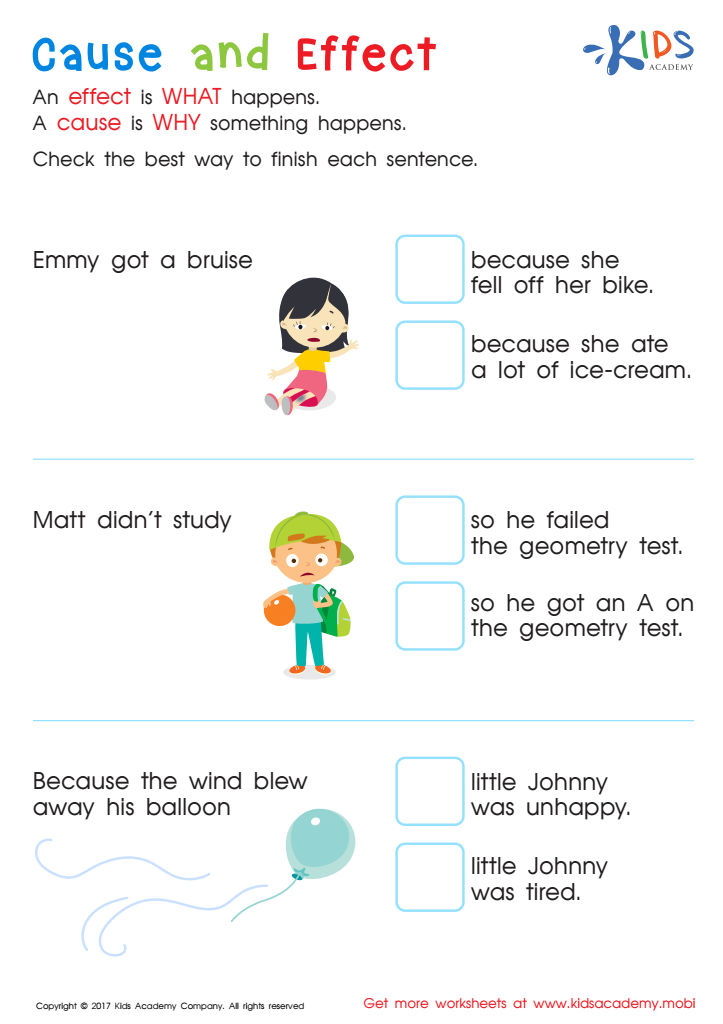
Cause and Effect Worksheet







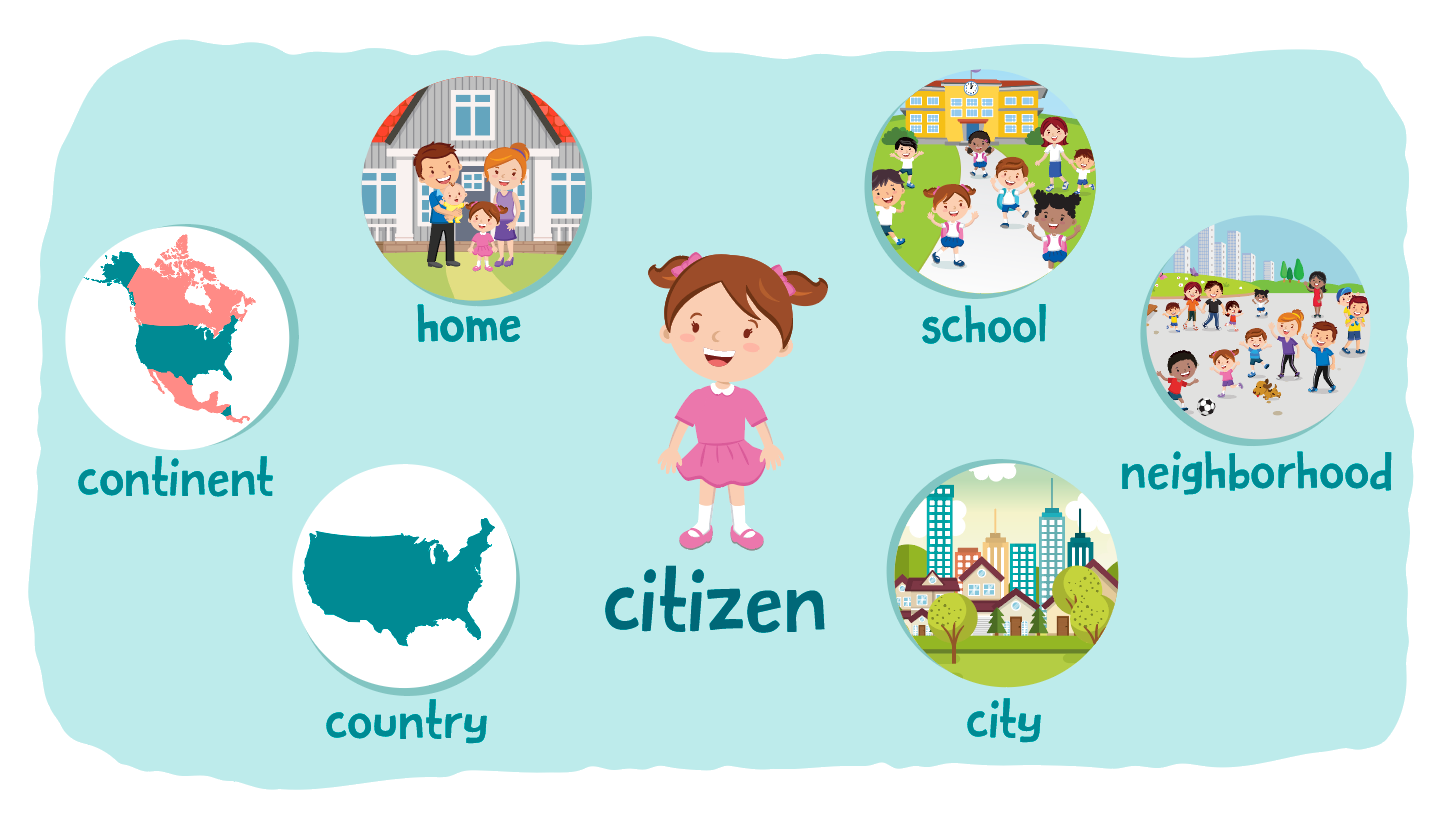
Reading comprehension skills are crucial for children aged 6-8 because this stage lays the foundation for their academic success and overall development. During these formative years, children transition from learning to read to reading to learn. Strong comprehension skills enable them to understand and engage with the material, enriching their knowledge and critical thinking abilities.
When children successfully comprehend what they read, they develop a love for literature, fostering lifelong reading habits. Furthermore, good comprehension helps them connect ideas, solve problems, and apply their knowledge in various subjects.
For teachers and parents, nurturing reading comprehension is essential for promoting self-confidence and independence in children. When children can interpret texts effectively, they become more active participants in discussions and classroom activities. This helps build social skills and collaborative learning experiences.
Moreover, strong reading comprehension can reduce the risks of future academic difficulties. Children with solid comprehension skills are more likely to perform well in standardized tests, essays, and classroom projects. Therefore, prioritizing reading comprehension not only benefits children's immediate learning but also shapes their future educational paths and success. By fostering these skills, caregivers and educators ensure that children are equipped for both academic challenges and lifelong learning.








