Science vocabulary expansion Normal Worksheets for Ages 6-8
3 filtered results
-
From - To
Enhance your child's scientific literacy with our "Science Vocabulary Expansion Normal Worksheets" designed for ages 6-8. These engaging worksheets are perfect for early learners, helping them explore essential science terms through exciting activities and interactive exercises. Each worksheet promotes vocabulary development, critical thinking, and comprehension skills, ensuring a solid foundation for future learning. Ideal for use at home or in the classroom, these resources encourage curiosity and discovery in the world of science. Start expanding your child's vocabulary today and ignite their passion for learning about the natural world with these accessible and educational worksheets!
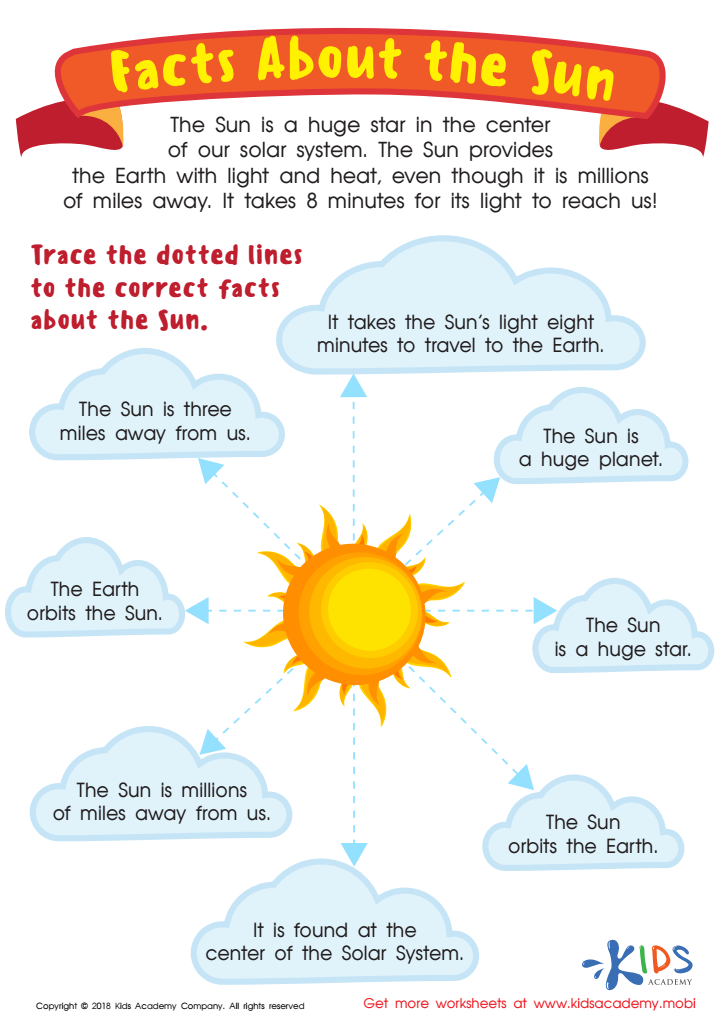
Facts About the Sun Worksheet
 Assign to My Students
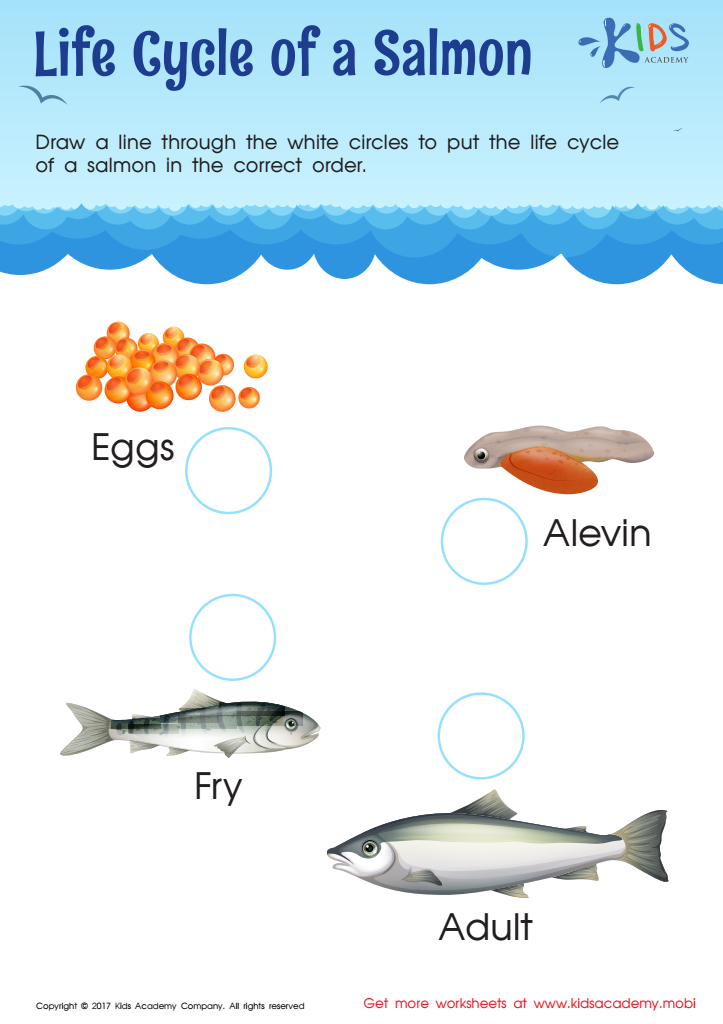
Cycle Of Salmon Worksheet
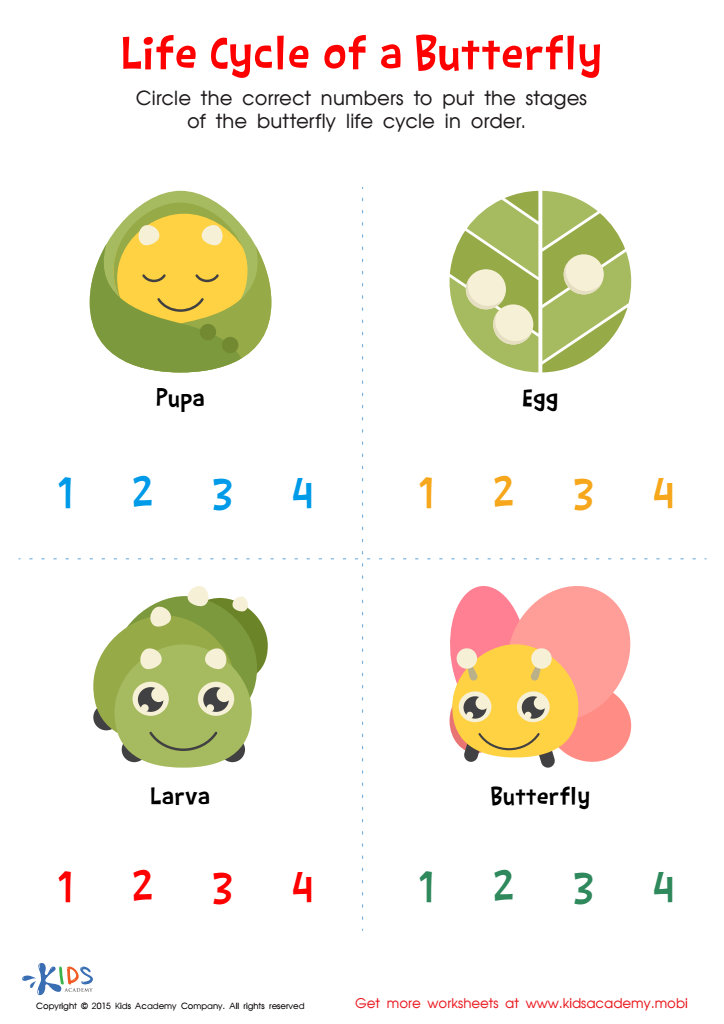
Life Cycle of Butterfly Printable







Expanding science vocabulary for children aged 6-8 is crucial for several reasons. At this developmental stage, children are naturally curious about the world around them. Having a rich vocabulary allows them to articulate their questions and observations effectively, fostering a love for science. As they explore concepts such as ecosystems, energy, and matter, the right terminology helps them form connections between ideas, enhancing comprehension and retention.
Moreover, a robust science vocabulary supports literacy skills. Children learn to decode new words and understand context, which benefits their overall reading abilities. Engaging with scientific vocabulary not only enriches their language but also prepares them for future academic success. Science teachers and parents play a vital role in this process; by introducing and reinforcing relevant terms through experiments, discussions, and projects, they create an immersive learning environment.
Additionally, vocabulary expansion enhances critical thinking. When children can articulate their thoughts using precise language, they can engage in higher-order thinking, forming hypotheses, and making conclusions based on observations. Ultimately, fostering science vocabulary is not just about word memorization; it’s about enabling children to navigate and understand the world around them, equipping them with skills necessary for lifelong learning and inquiry.








