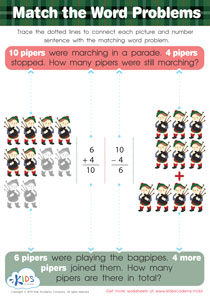
Basic Math Skills Normal Addition Worksheets for Ages 6-8
5 filtered results
Difficulty Level
Grade
Age
-
From - To
Subject
Activity
Standards
Enhance your child's math abilities with our Basic Math Skills Normal Addition Worksheets designed specifically for ages 6-8. These engaging worksheets focus on developing essential addition skills, providing young learners with the practice they need to gain confidence and proficiency. Ideal for early grade students, these printable resources offer various addition problems that encourage critical thinking and problem-solving. Perfect for classroom or home use, our worksheets align with educational standards to ensure your child builds a strong mathematical foundation. Start today and watch your child progress in their numerical understanding and arithmetic skills!
Favorites
With answer key
Interactive
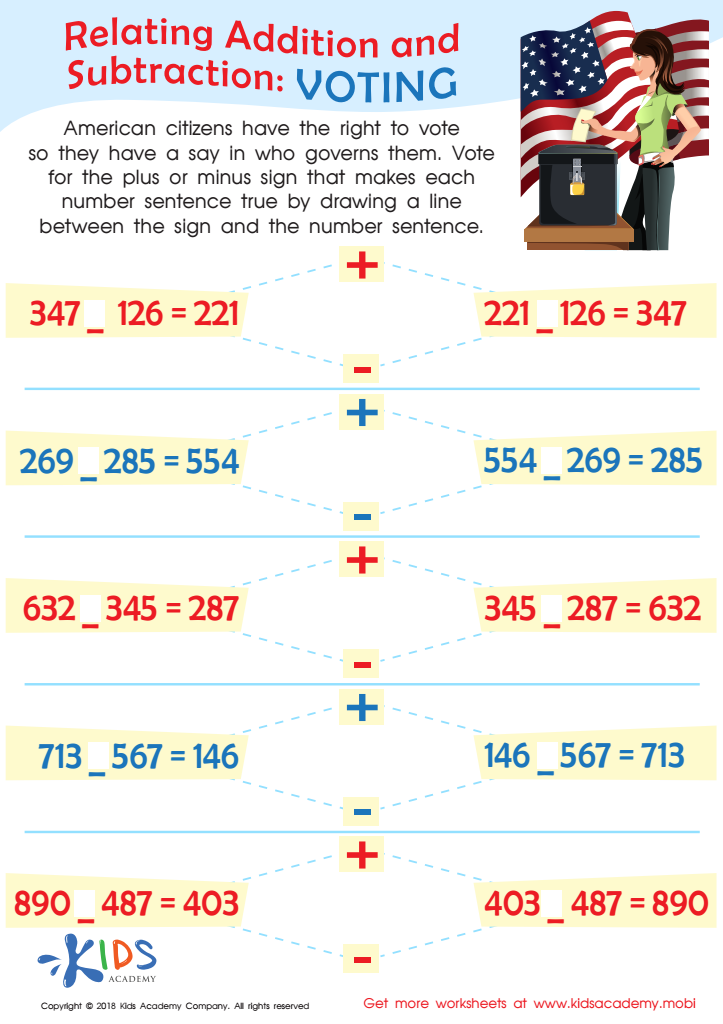
Voting Worksheet
This worksheet combines Social Studies and Math, teaching kids the democratic concept of voting. Guide learners to observe the problem, and decide if it needs a plus or minus. They "vote" for the correct answer by drawing a line from the problem to the correct operation symbol. Tally up the votes to check the answers!
 Assign to My Students
Voting Worksheet
Worksheet
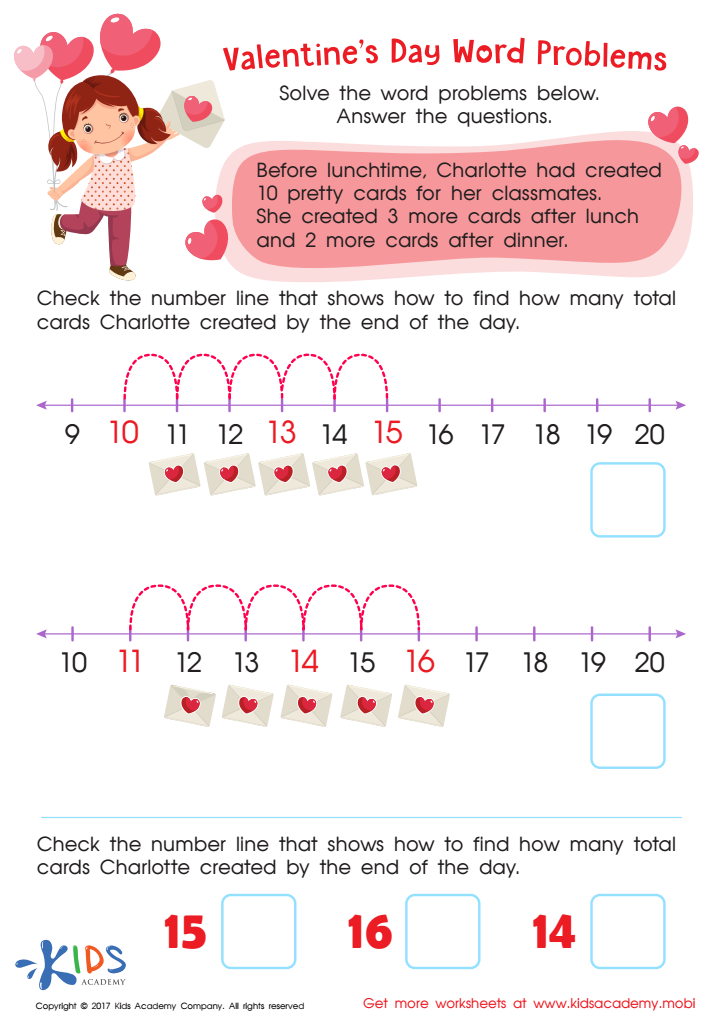
Valentines Day Word Problem Worksheet
This Valentine's Day worksheet will help your child practice using a number line to solve an addition problem. It's a great way to boost confidence and make solving word problems a breeze.
Valentines Day Word Problem Worksheet
Worksheet
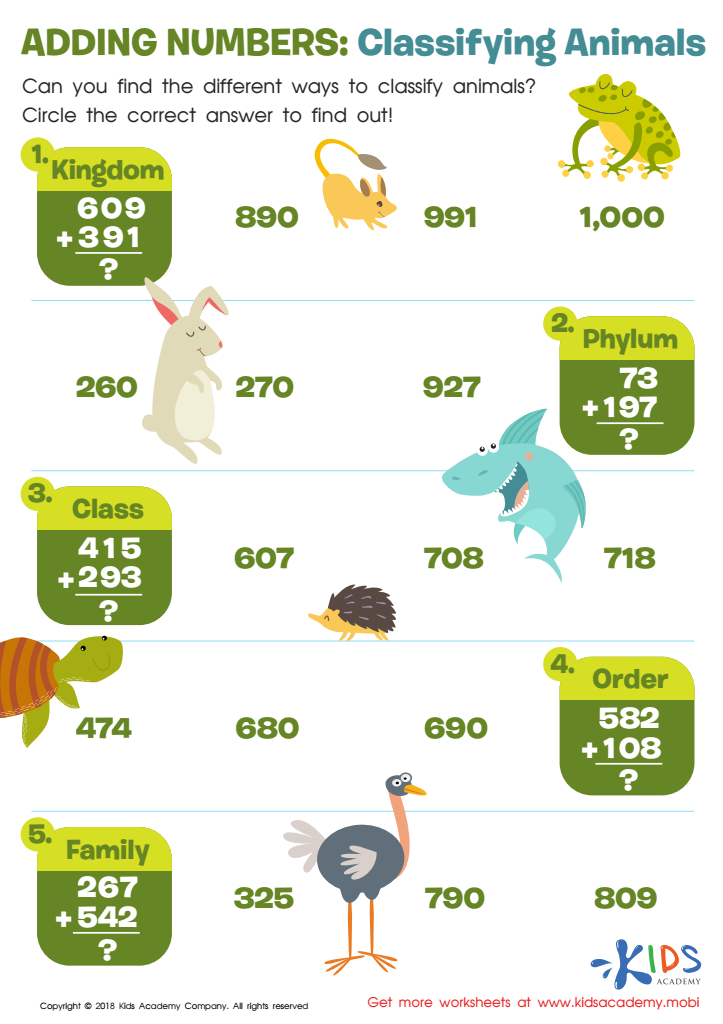
Adding Numbers: Classifying Animals Worksheet
Your kids can learn to classify animals in Biology. This worksheet helps them do this by solving 5 equations. Circle the right answer to complete the task.
Adding Numbers: Classifying Animals Worksheet
Worksheet
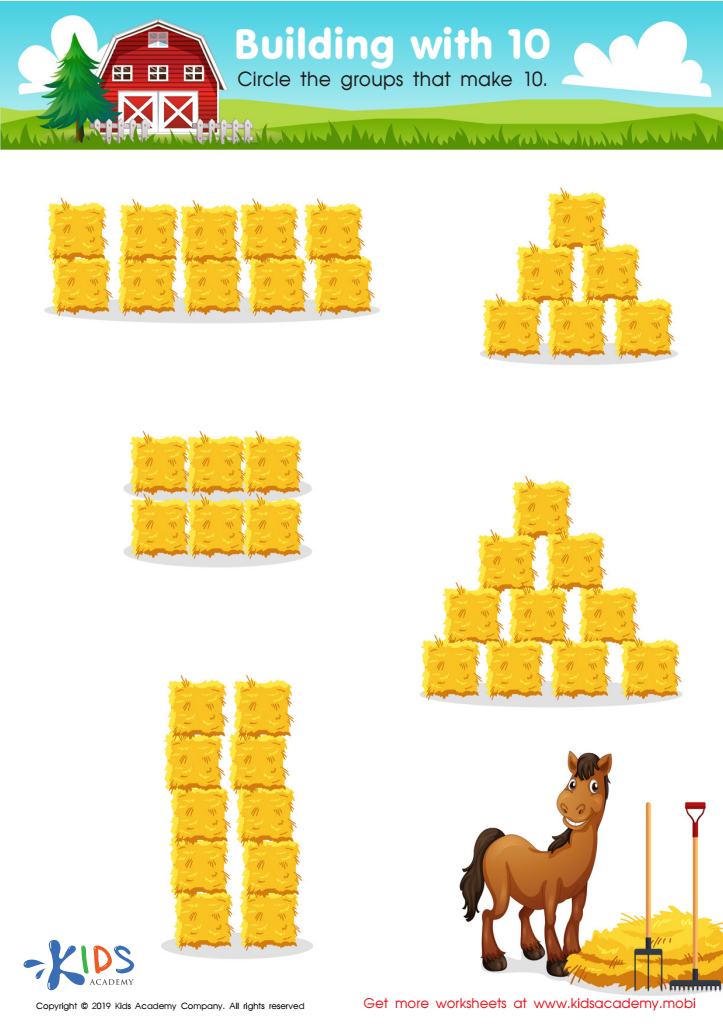
Building with 10 Worksheet
Counting numbers can be simple with this worksheet: Ask your kids to count the stacks of objects, ensure accuracy with your help, then circle the ones of ten. With practice and guidance, your children will soon become counting pros!
Building with 10 Worksheet
Worksheet
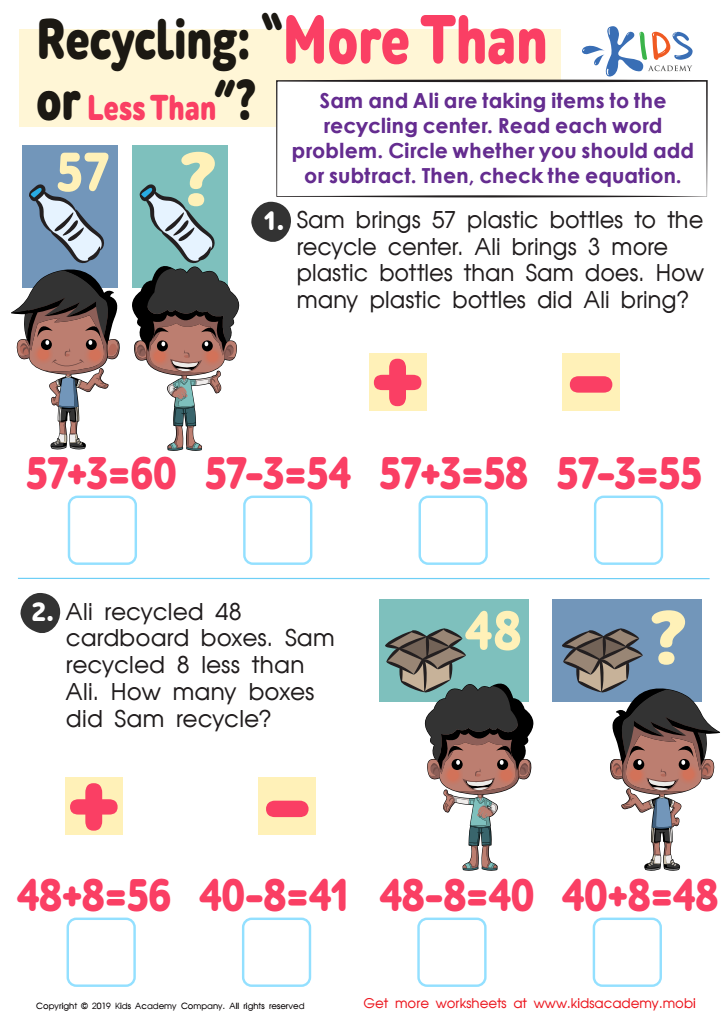
Recycling - More or Less Worksheet
Your child can compare numbers and solve word problems with this free worksheet. Help them understand what's being asked as Sam and Ali take items to the recycling center. They can choose the correct equation to match the word problem and apply their skills in reading and pulling out the appropriate information.
Recycling - More or Less Worksheet
Worksheet
Join Kids Academy for Free
Who is primarily going to use this learning content?





.jpg)


Mastering basic math skills, particularly normal addition, is fundamental for children aged 6-8 as it lays the groundwork for all future mathematical learning. At this young age, developing a strong understanding of addition goes beyond learning to combine numbers; it enhances problem-solving abilities, logical thinking, and the ability to relate math to everyday situations.
For parents and teachers, emphasizing basic addition is crucial because it builds a child's confidence with numbers. Proficiency in addition helps children perform better academically, not only in math but across subjects. Math skills are integral to understanding various concepts in science, the arts, and even language studies where patterns and structures play pivotal roles.
Furthermore, addition is a stepping stone to more complex mathematical operations like subtraction, multiplication, and division. A solid grasp ensures that children are well-prepared for more advanced topics in later grades, reducing the likelihood of math anxiety and frustration. It equips them with the skills they need to tackle practical, real-world tasks such as handling money, measuring ingredients in a recipe, or understanding time.
By supporting children's ability to perform addition, parents and teachers are helping them build a strong academic foundation, fostering a sense of achievement, and encouraging a lifelong positive attitude toward learning and problem-solving.