Problem-Solving Skills Normal Comparing Numbers Worksheets for Ages 6-8
4 filtered results
-
From - To
Discover our engaging "Problem-Solving Skills Normal Comparing Numbers" worksheets, specially designed for children ages 6 to 8. These interactive resources help young learners develop essential math skills as they practice comparing numbers in a fun and enjoyable way. Each worksheet features a variety of problem-solving activities that encourage critical thinking and promote number recognition and understanding. With appealing visuals and age-appropriate challenges, these worksheets make learning enjoyable while reinforcing key mathematical concepts. Perfect for classroom use or home practice, our worksheets are an excellent tool for fostering a solid foundation in mathematics for early learners. Let's make math fun!
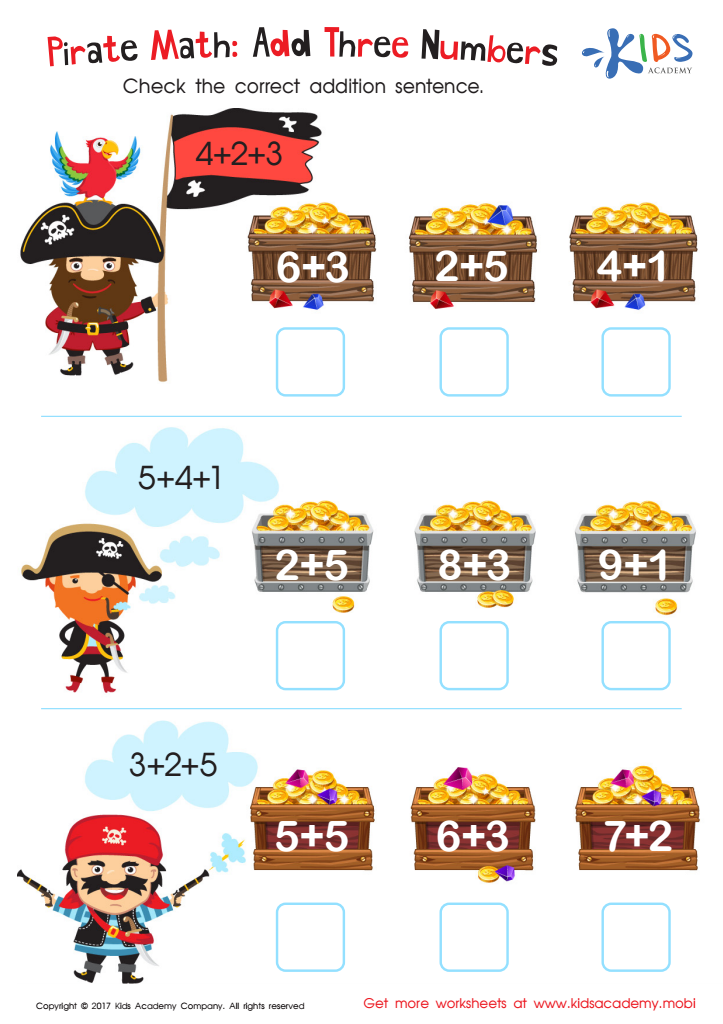
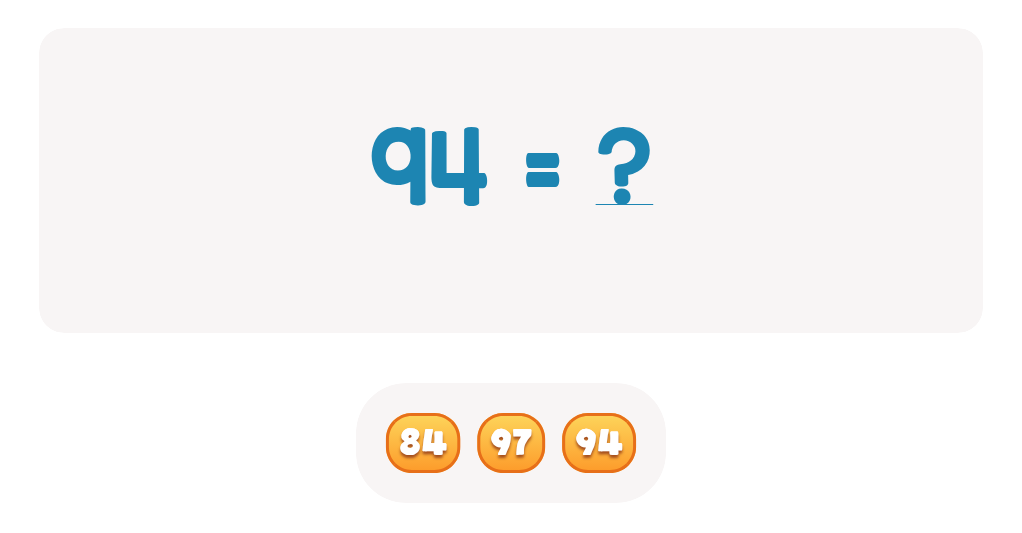
Pirate Math Printable
 Assign to My Students
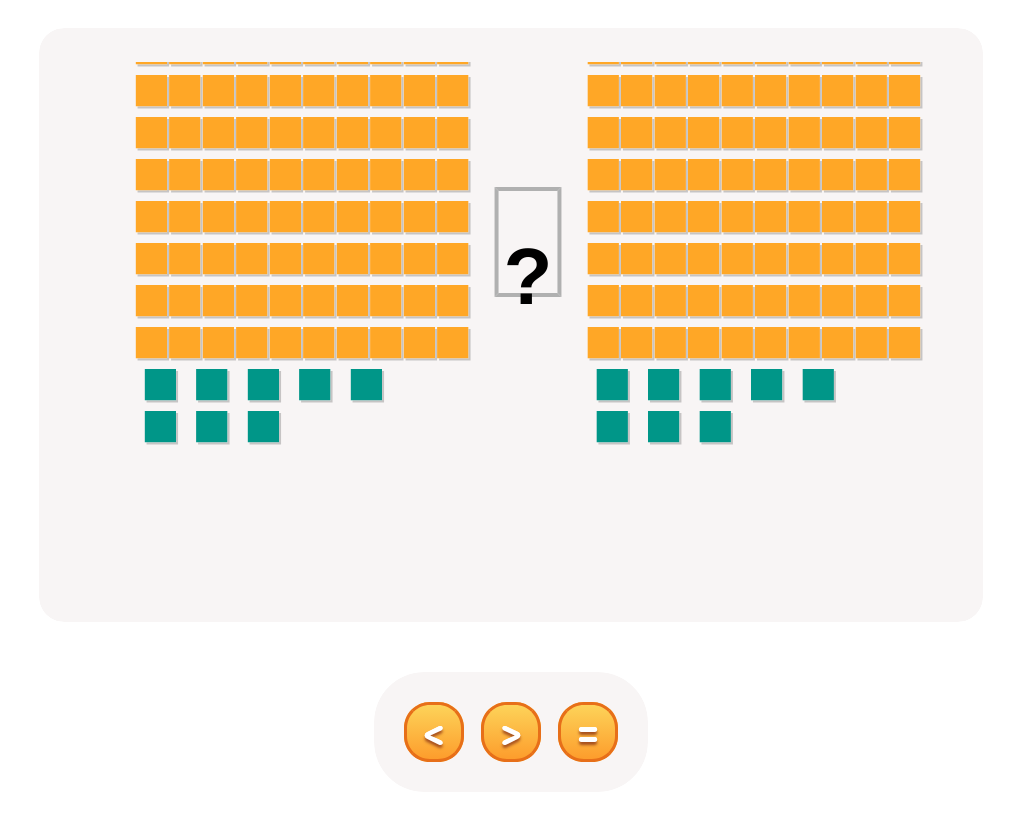

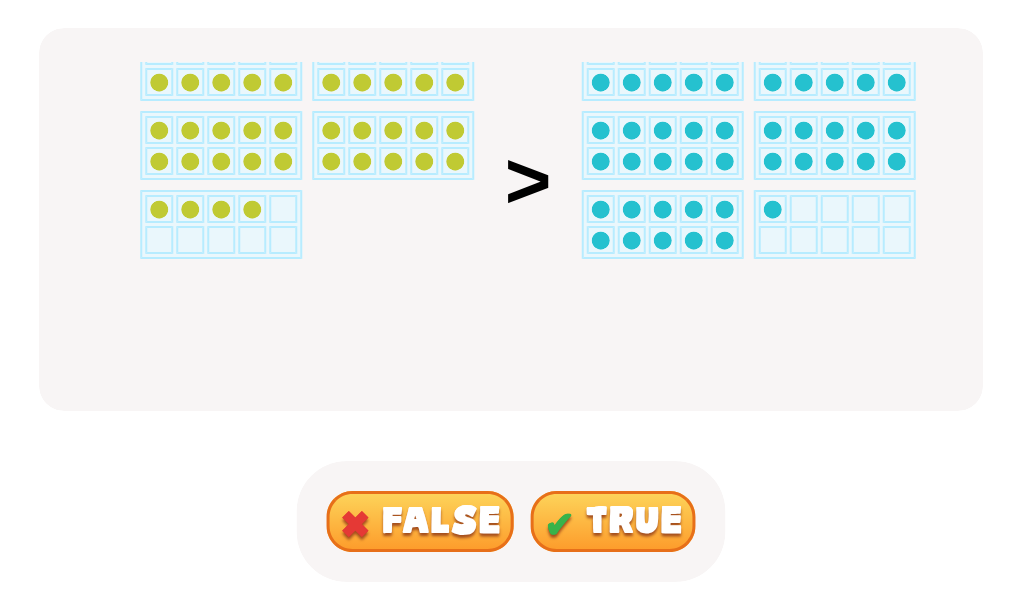
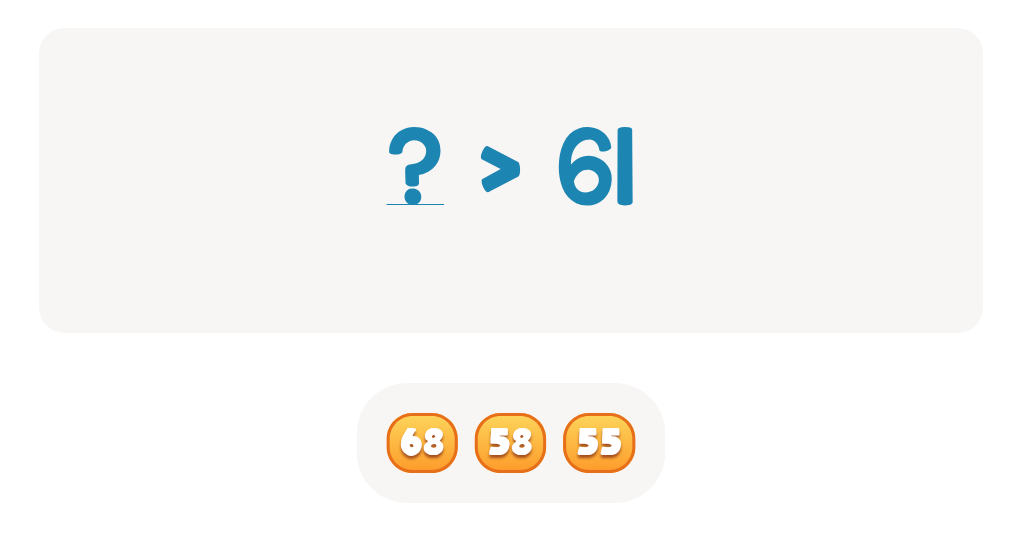
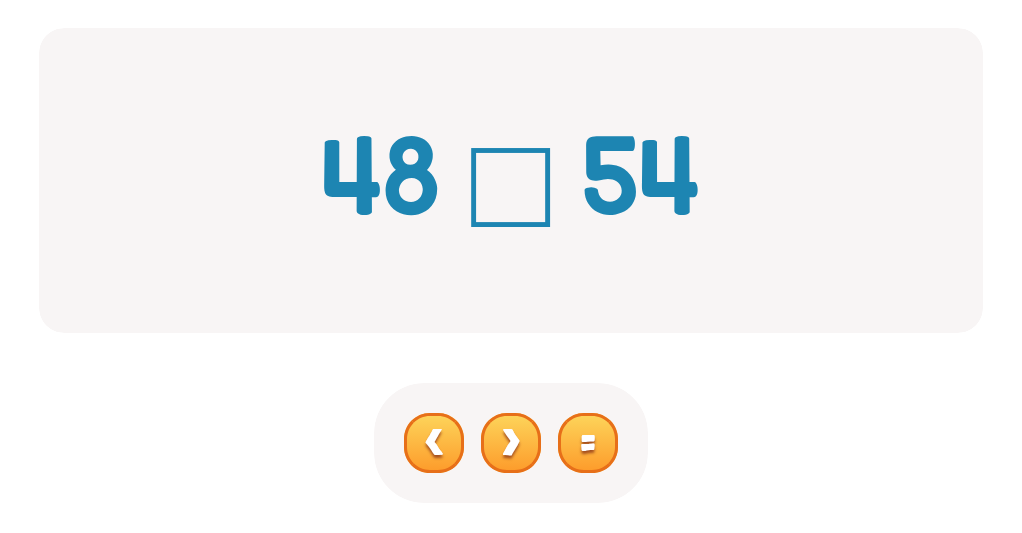
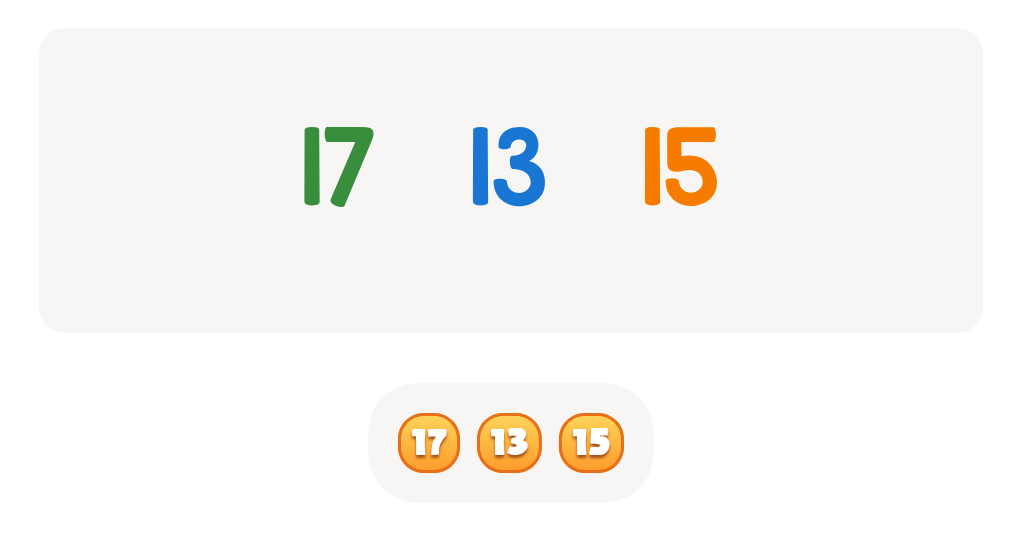
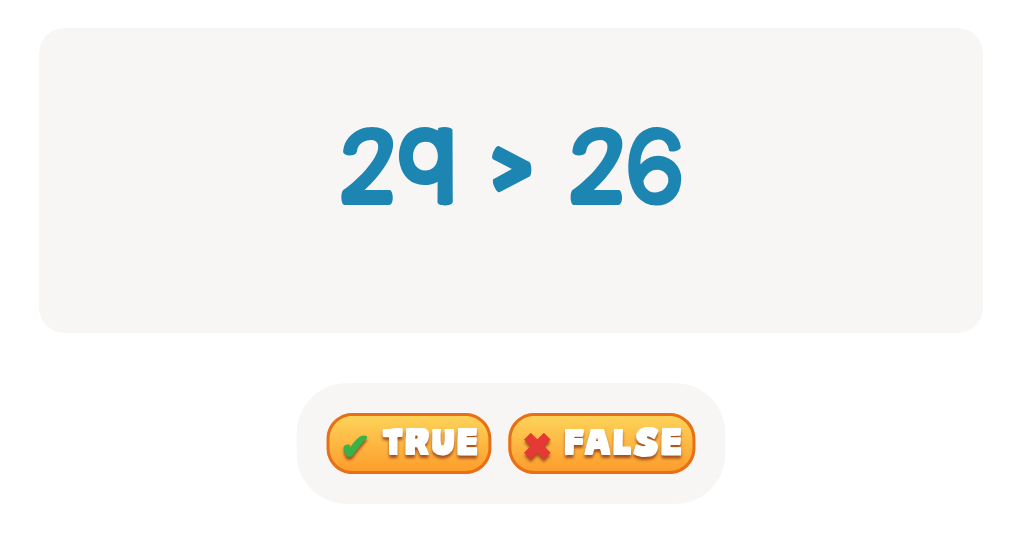
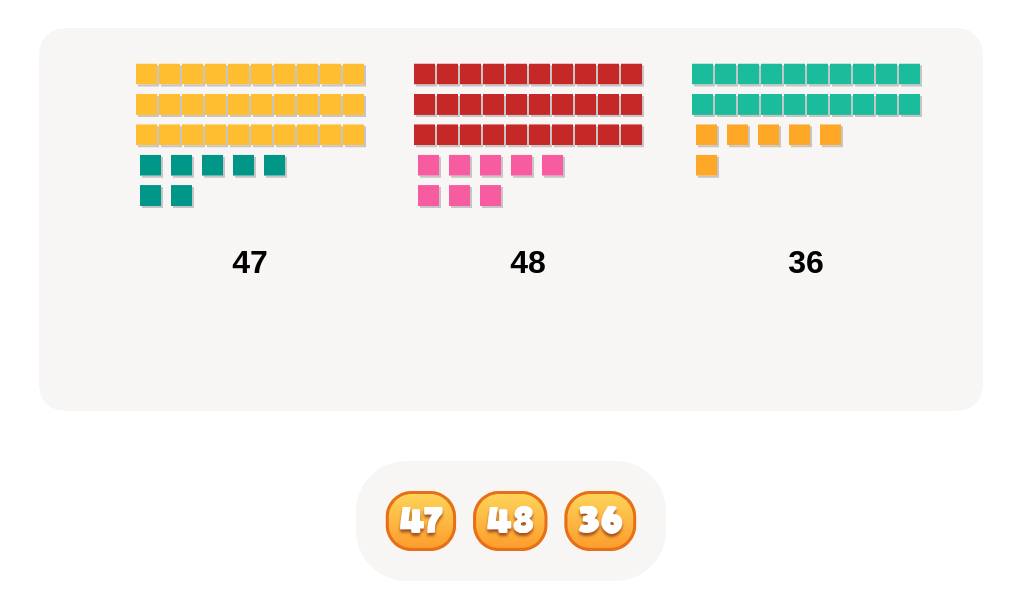
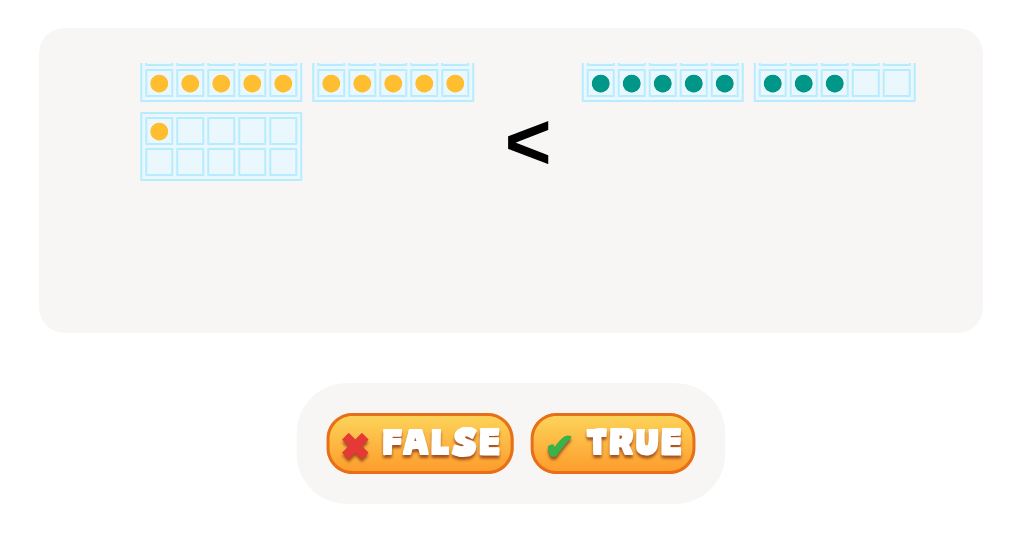
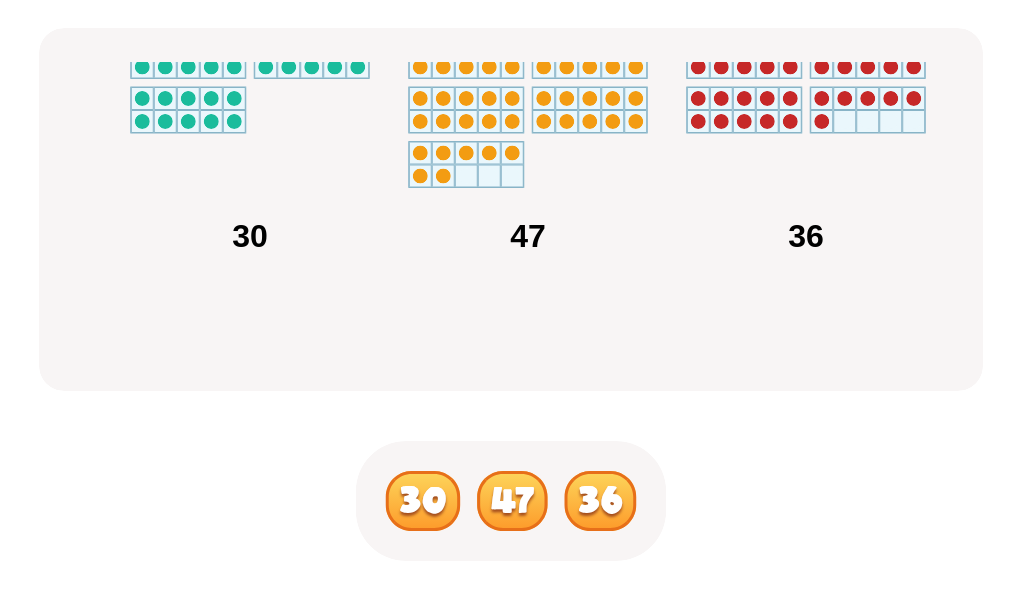
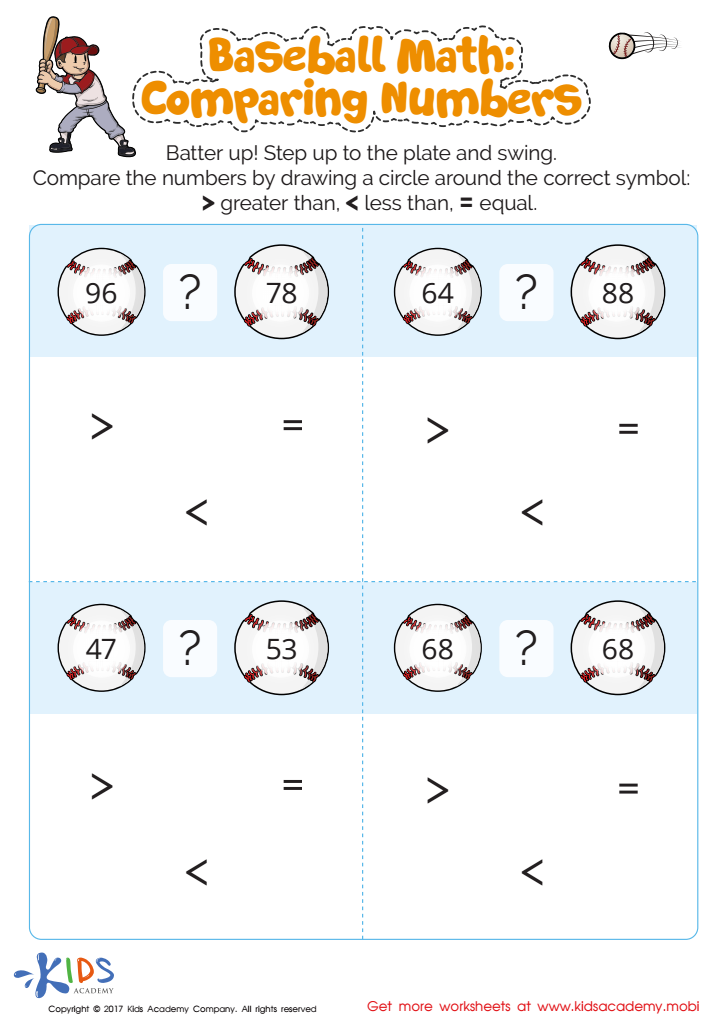
Compare Numbers Printable
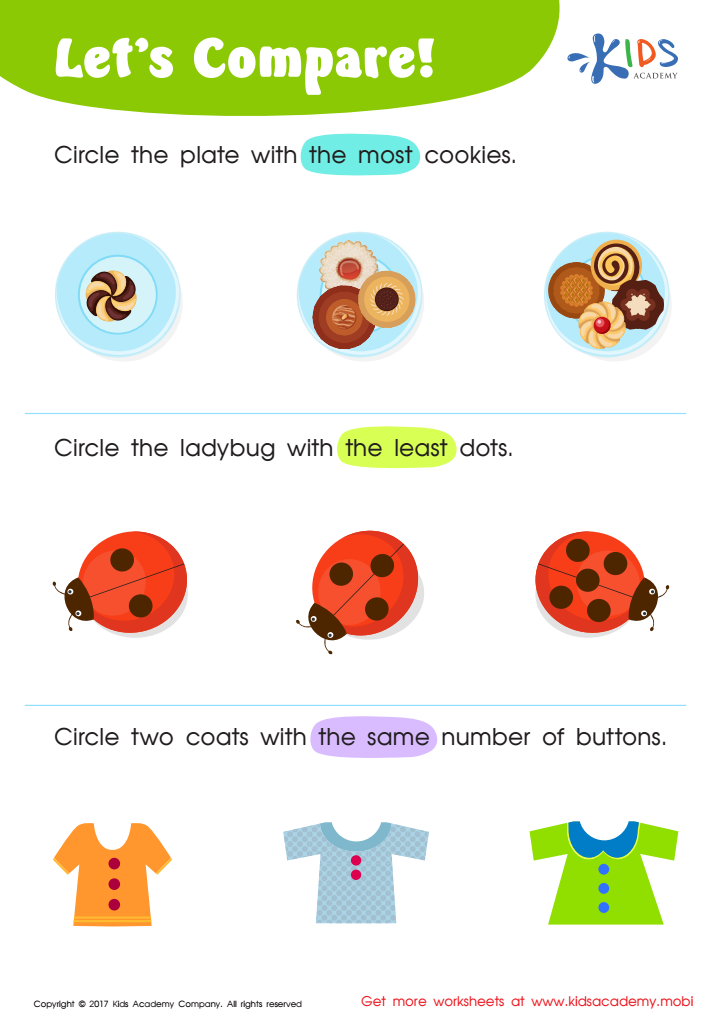
Matching: Classifying Toys by Size Worksheet
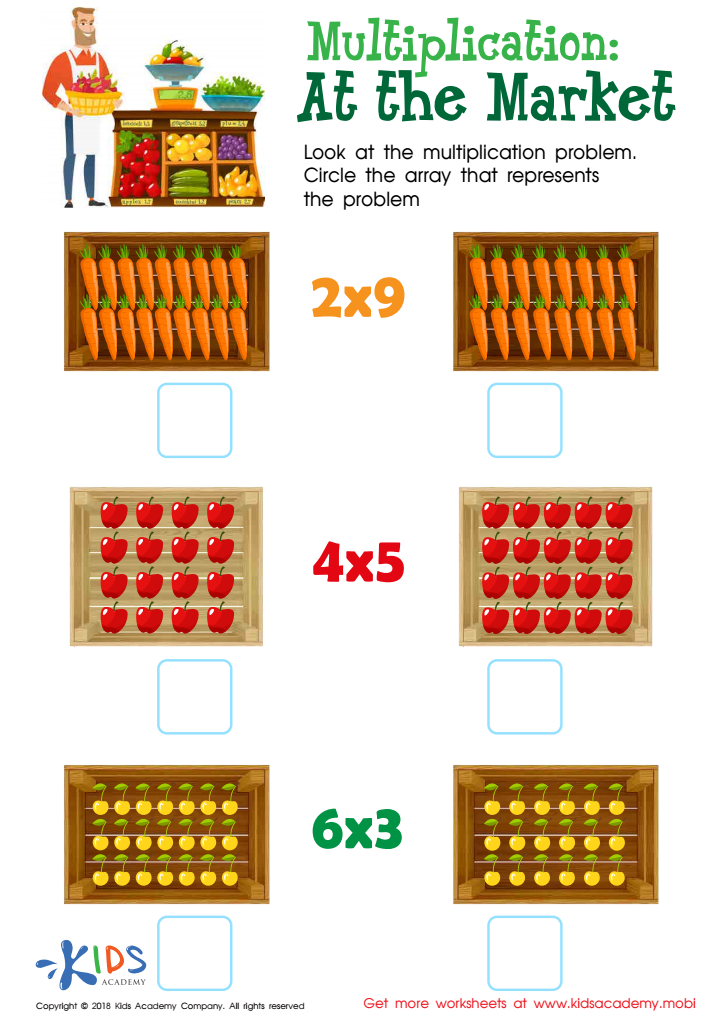
At the Market Worksheet








Problem-solving skills, particularly in the context of comparing numbers, are essential for children aged 6-8 as they lay the groundwork for future mathematical understanding and critical thinking. At this age, children begin to explore and understand fundamental mathematical concepts, making it crucial for parents and teachers to support their development in this area.
Firstly, comparing numbers fosters logical reasoning. Children learn to analyze quantities, recognize patterns, and make connections between different numerical values. This skill is not only vital for math but also applies to everyday decision-making, such as budgeting or assessing quantities in daily life.
Secondly, mastering problem-solving related to comparing numbers builds confidence. When children grasp how to effectively compare sizes, amounts, or values, they feel more empowered in their abilities, which encourages a positive attitude toward learning.
Lastly, these skills are foundational for future mathematics. As children progress, they will encounter more complex concepts, such as fractions, ratios, and statistics. A solid grasp of comparing numbers ensures they have the necessary tools to tackle these topics with confidence, ultimately setting the stage for academic success in the STEM fields and beyond. Thus, fostering problem-solving skills in early education is vital for holistic child development.