Recognizing Patterns Normal Math Worksheets for Ages 6-8
3 filtered results
-
From - To
Discover our "Recognizing Patterns Normal Math Worksheets" tailored for children aged 6-8. These engaging and interactive worksheets help young learners develop essential pattern recognition skills, a fundamental mathematical concept. With colorful visuals and varied activities, kids will enjoy identifying, creating, and extending patterns, enhancing their logical thinking and problem-solving abilities. Our worksheets not only make learning fun but also support skill retention through repetition and practice. Perfect for parents and educators, these resources aid in fostering a strong math foundation in early learners. Explore our collection today, and empower your child’s learning journey with engaging pattern recognition activities!
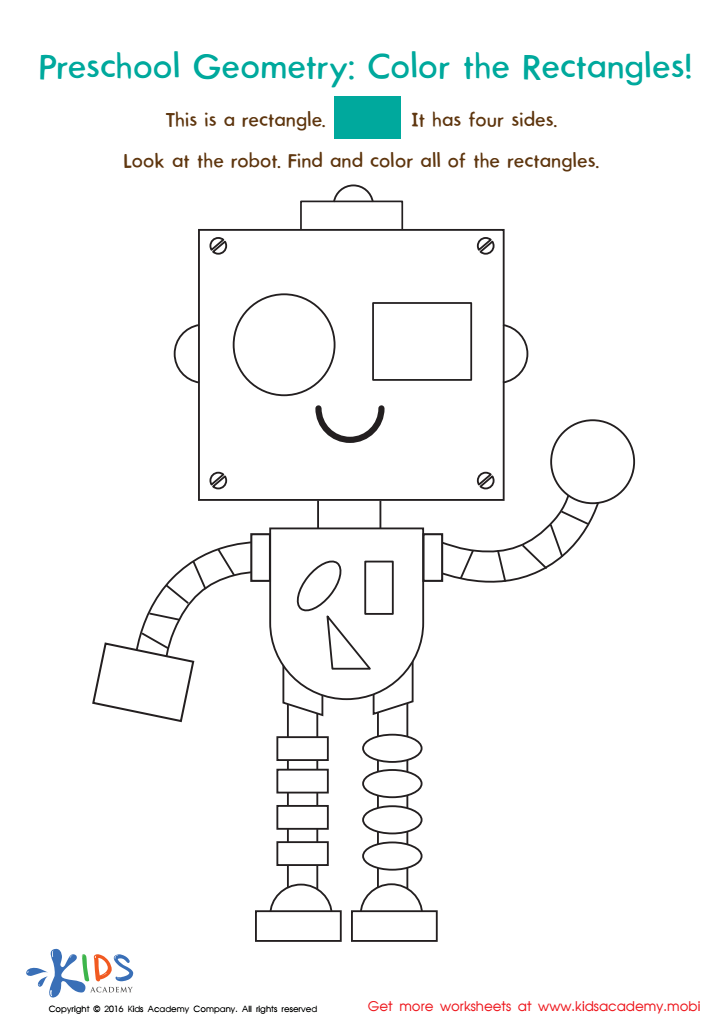
Geometry Worksheet
 Assign to My Students
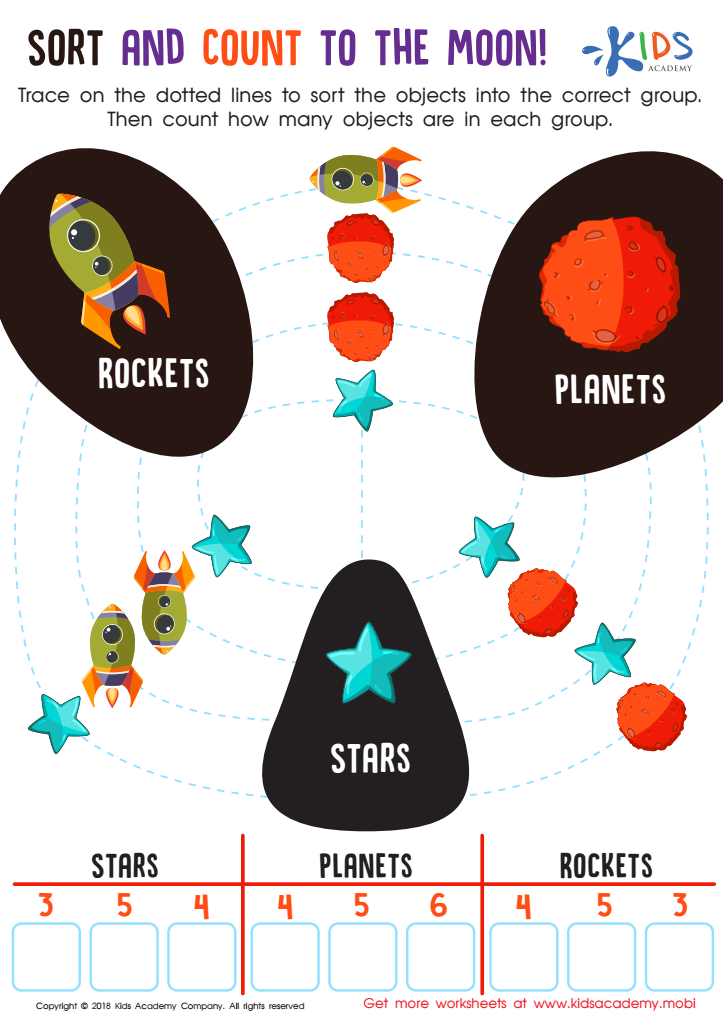
Sort and Count to the Moon Worksheet
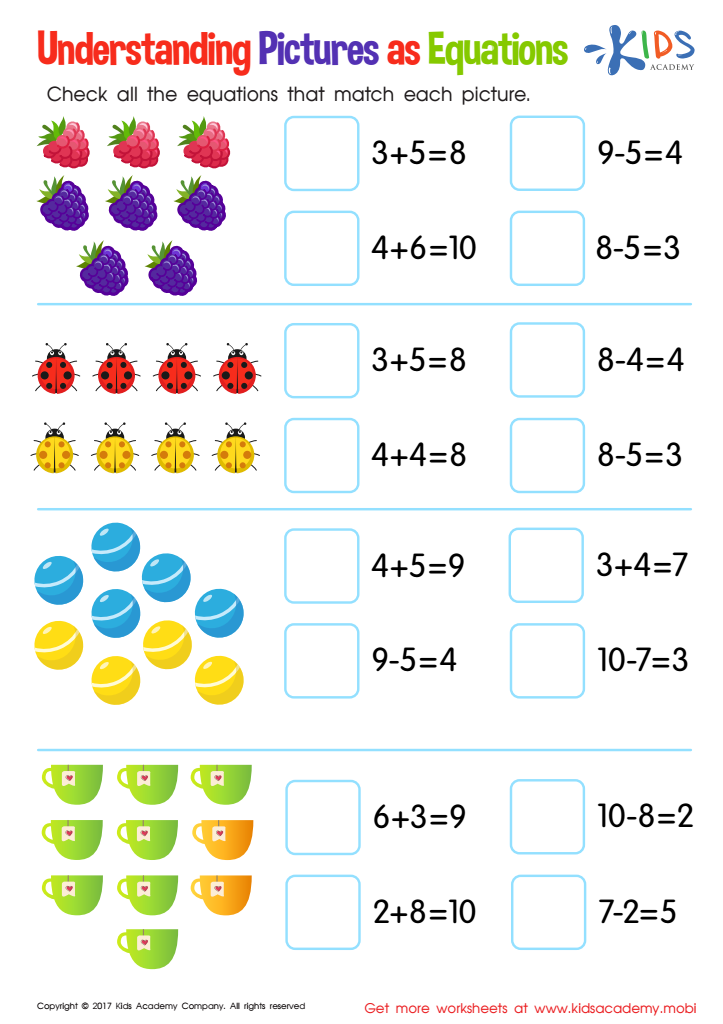
Understanding Pictures as Equations Worksheet





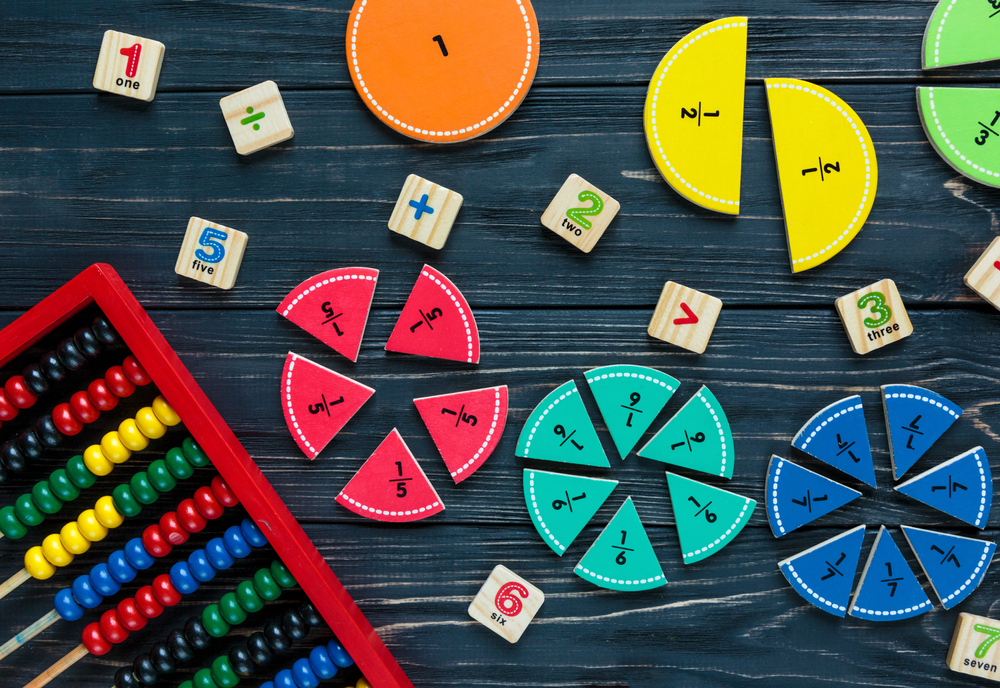
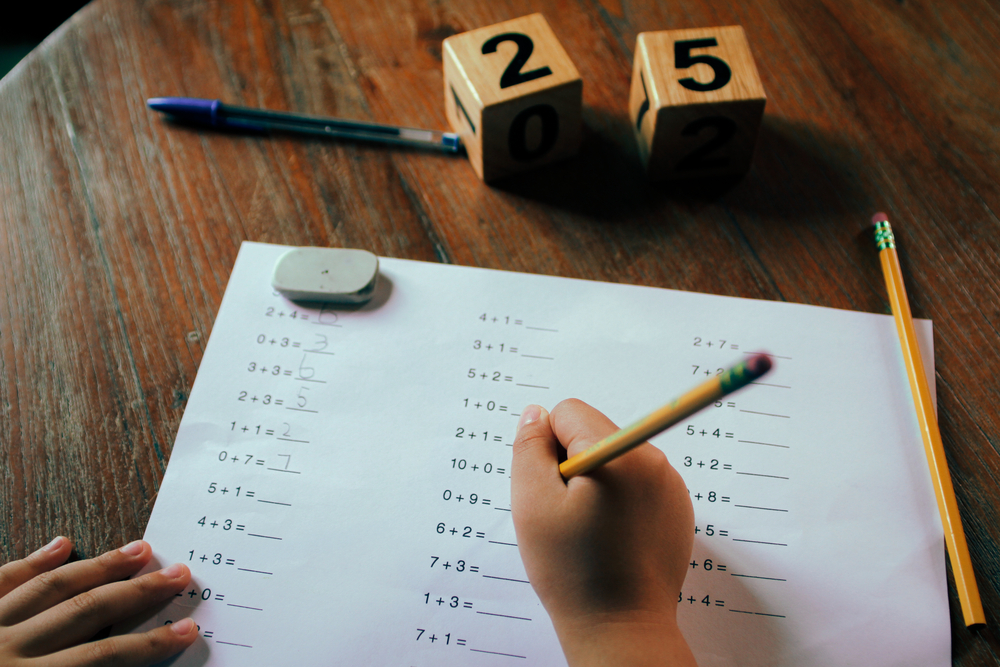

Recognizing patterns is a crucial mathematical skill for children aged 6-8, and it's essential for both parents and teachers to foster this understanding. Recognizing patterns helps children develop critical thinking and problem-solving skills, which are foundational for higher-level mathematics. By identifying and describing patterns, children not only enhance their mathematical ability but also gain confidence in their analytical skills.
Moreover, patterns can be found everywhere in daily life, from nature to art, making this concept relevant and engaging. Teaching children to recognize patterns strengthens their observational skills and provides them with tools to make predictions, solve problems, and establish connections in various subjects, such as science and language arts.
Additionally, when parents and teachers emphasize pattern recognition, it lays a groundwork for more complex mathematical concepts like sequencing, functions, and algebra. Early experiences with patterns can inspire a lasting interest in mathematics and boost future performance.
In summary, recognizing patterns equips children with essential cognitive skills, enriches their learning experience across disciplines, and prepares them for advanced concepts in mathematics. Parents and teachers should prioritize this skill for overall cognitive development and academic achievement.








