Handwriting practice Normal Building Vocabulary Worksheets for Ages 6-8
4 filtered results
-
From - To
Enhance your child’s vocabulary and handwriting skills with our interactive worksheets designed for children aged 6-8. Our engaging exercises focus on handwriting practice while expanding your youngster’s vocabulary. These fun and educational worksheets use age-appropriate words and phrases, promoting a love for writing and reading. By combining handwriting practice with vocabulary building, children not only improve their writing legibility but also strengthen their understanding and usage of new words. Perfect for at-home learning or as a classroom resource, our worksheets foster essential learning skills in an enjoyable and meaningful way. Start enriching your child’s educational journey today!
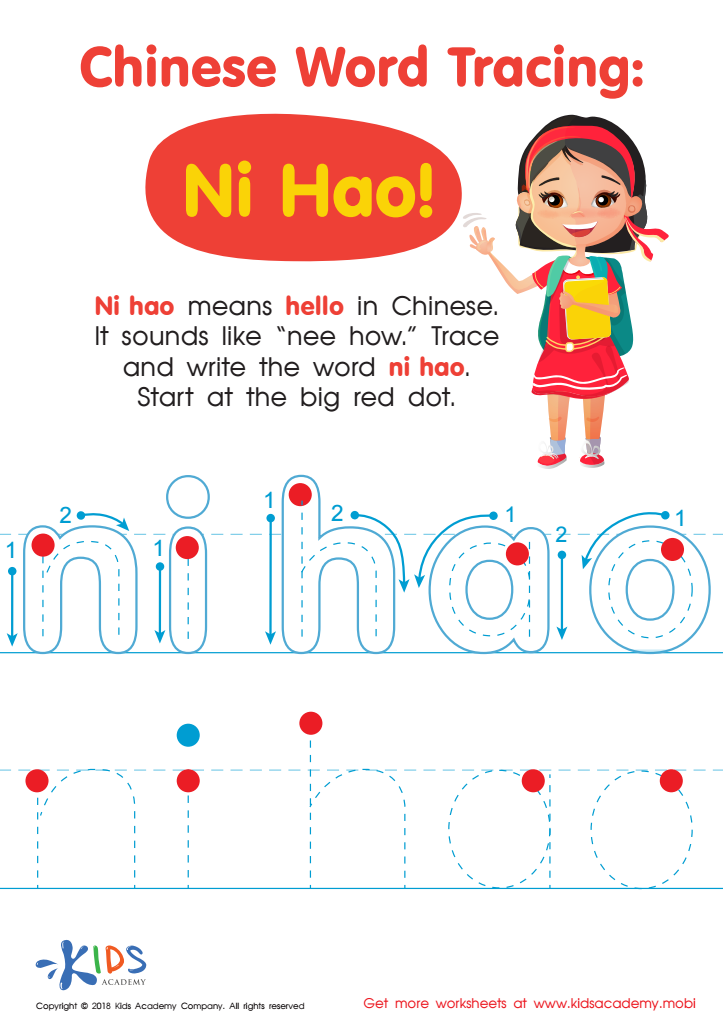
Chinese Word Tracing: Ni Hao Worksheet
 Assign to My Students











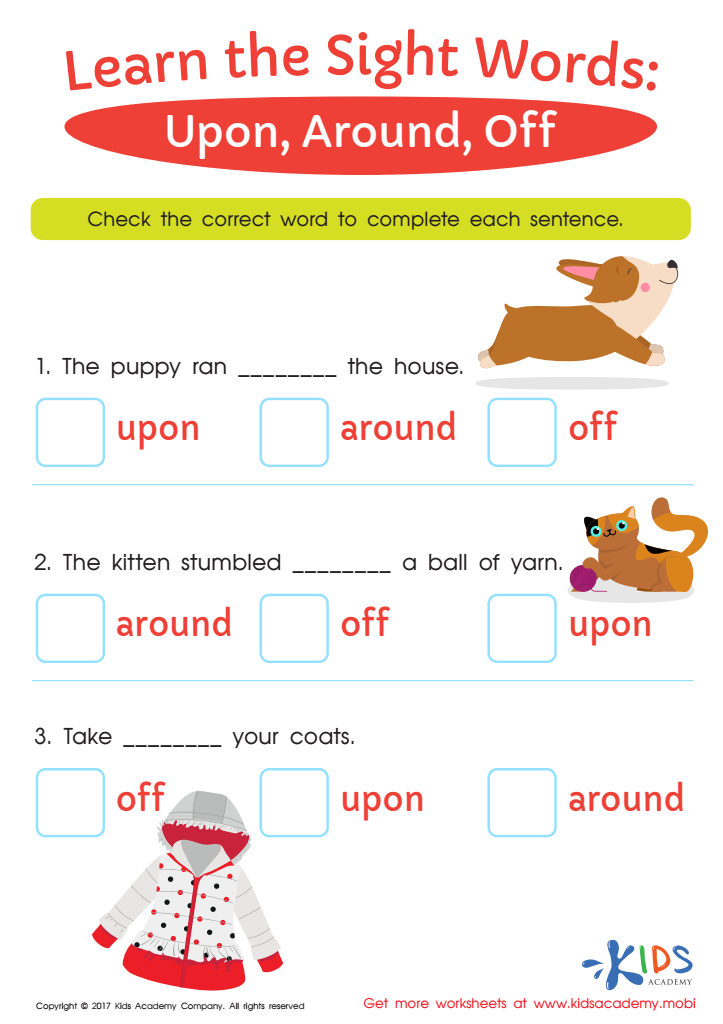
Upon, Around, Off Sight Words Worksheet
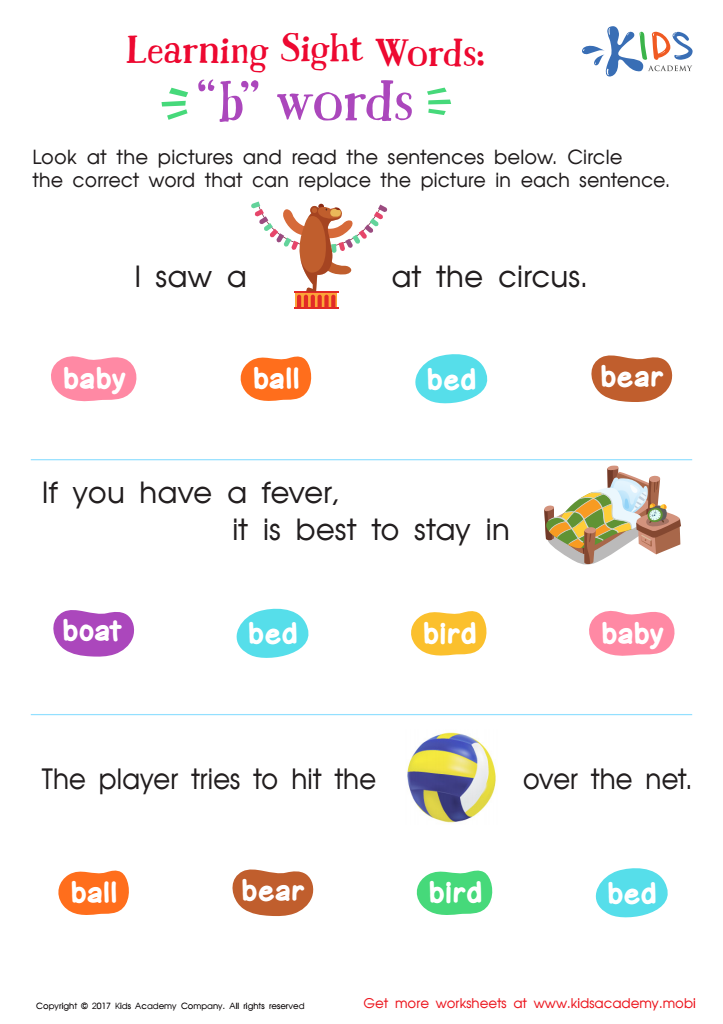
"B" Words Printable Sight Words Worksheet
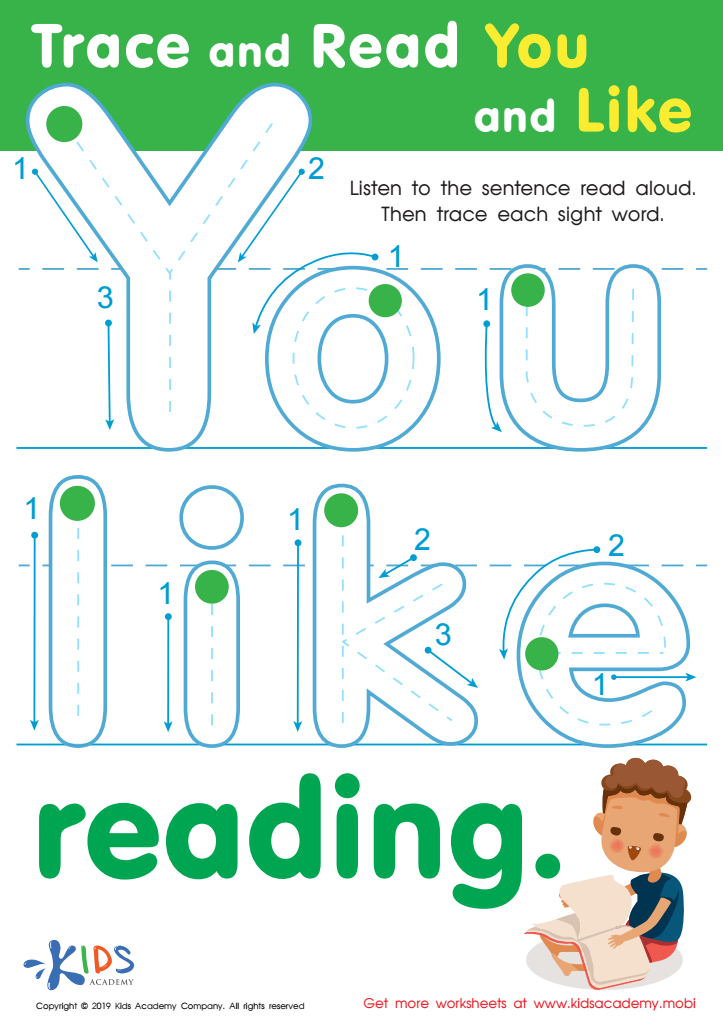
Trace Read You Like Worksheet






.jpg)

Handwriting practice and building vocabulary in children aged 6-8 are crucial foundational activities that significantly impact their academic and cognitive development. During these formative years, developing fine motor skills through handwriting fosters better hand-eye coordination and promotes neural connections associated with understanding written language. Consistent handwriting practice helps children improve their penmanship, making written communication clearer and boosting their confidence in expressing thoughts on paper.
Building vocabulary at this age is equally essential. A rich vocabulary enhances reading comprehension, enabling children to better understand stories, instructions, and descriptions. As children learn new words, they become more articulate and effective communicators. This expanded lexicon aids in all areas of language arts, aligning with listening, speaking, reading, and writing skills, ensuring a well-rounded literacy foundation.
Moreover, these skills are interconnected. Children who practice handwriting while learning new vocabulary tend to retain words more effectively. Writing out new terms helps cement their understanding and spelling, reinforcing memory. For educators and parents, focusing on these activities prepares children for future academic challenges, promotes cognitive development, and cultivates lifelong learning habits. Balancing both handwriting practice and vocabulary building creates confident, competent young learners ready to thrive in more complex learning environments.








