
Reading Skills Normal Reading Worksheets for Ages 6-8
6 filtered results
Difficulty Level
Grade
Age
-
From - To
Subject
Activity
Standards
Enhance your child's reading abilities with our engaging Normal Reading Worksheets designed specifically for ages 6-8. These interactive worksheets promote essential reading skills through fun exercises and activities that capture young learners' attention. Tailored to meet developmental needs, our resources help improve comprehension, vocabulary, and fluency in a structured yet enjoyable way. Kids will love exploring stories, answering questions, and completing exciting tasks that stimulate their curiosity and critical thinking. Perfect for classroom or home use, these worksheets are easy to print and include vibrant illustrations that keep children motivated as they build a solid foundation for lifelong reading success.
Favorites
With answer key
Interactive
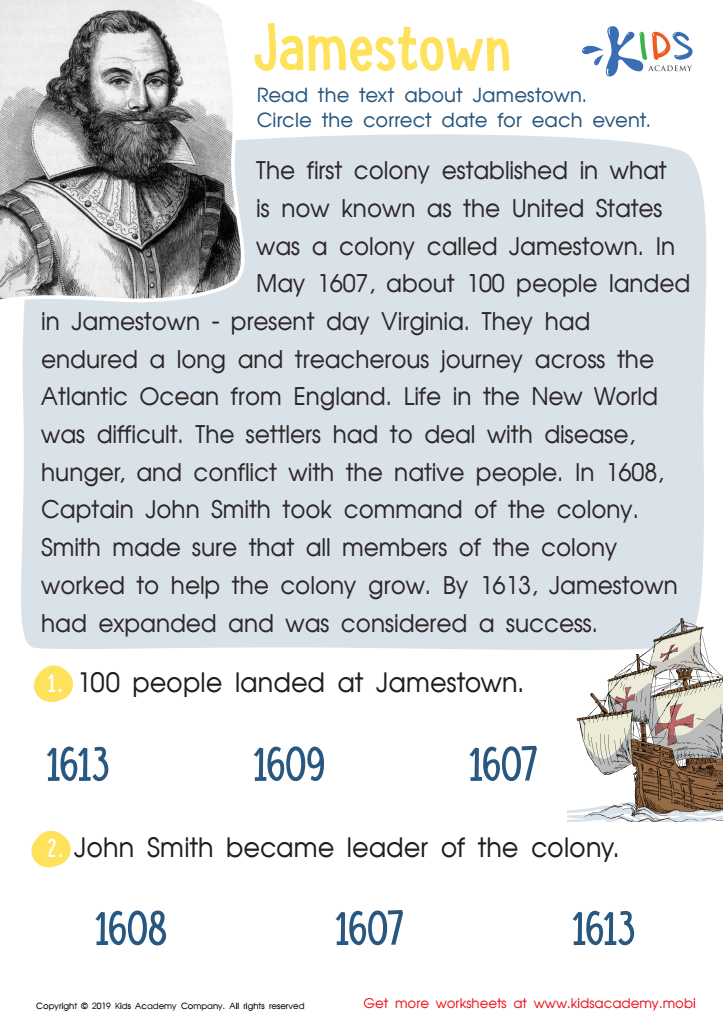
Jamestown Worksheet
Help your kids build vocabulary by reading simple texts and stories to them. This exercise helps them practice reading and grammar, and increases their knowledge of a topic. In this worksheet, kids learn about Jamestown: read text aloud and help them circle the correct date for each event.
 Assign to My Students
Jamestown Worksheet
Worksheet
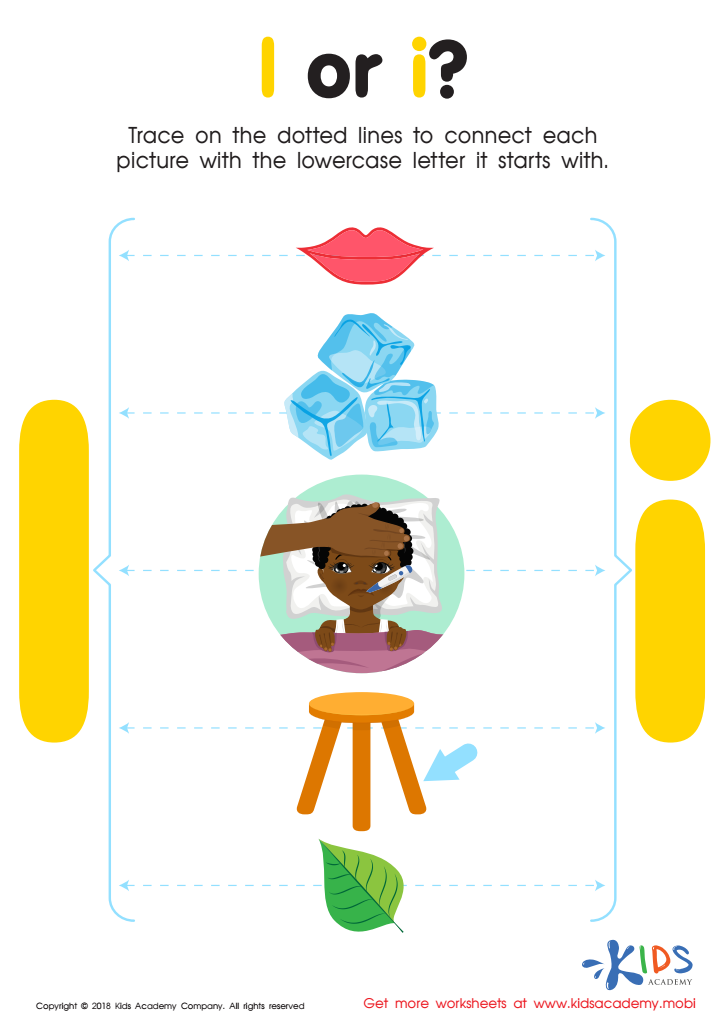
l or i? Worksheet
Trace the dotted lines on this worksheet to connect pictures with their lowercase letter. Ask your child what each picture is and the first letter of the word. Guide them to trace the letter with the dotted lines.
l or i? Worksheet
Worksheet
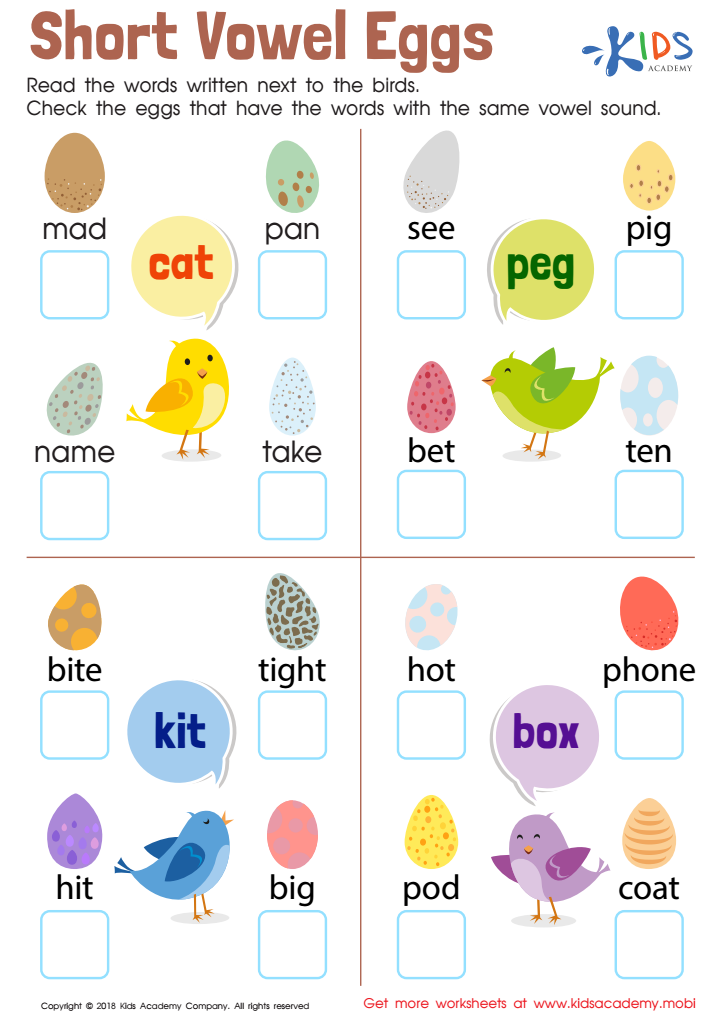
Short Vowel Eggs Worksheet
Your students will love helping these birdies pick the short vowel eggs! Have them read the words in the thought bubbles, then check off the boxes with the same short vowel sounds. The bright colors of this free Worksheet will draw them in and get them practicing their vowels!
Short Vowel Eggs Worksheet
Worksheet
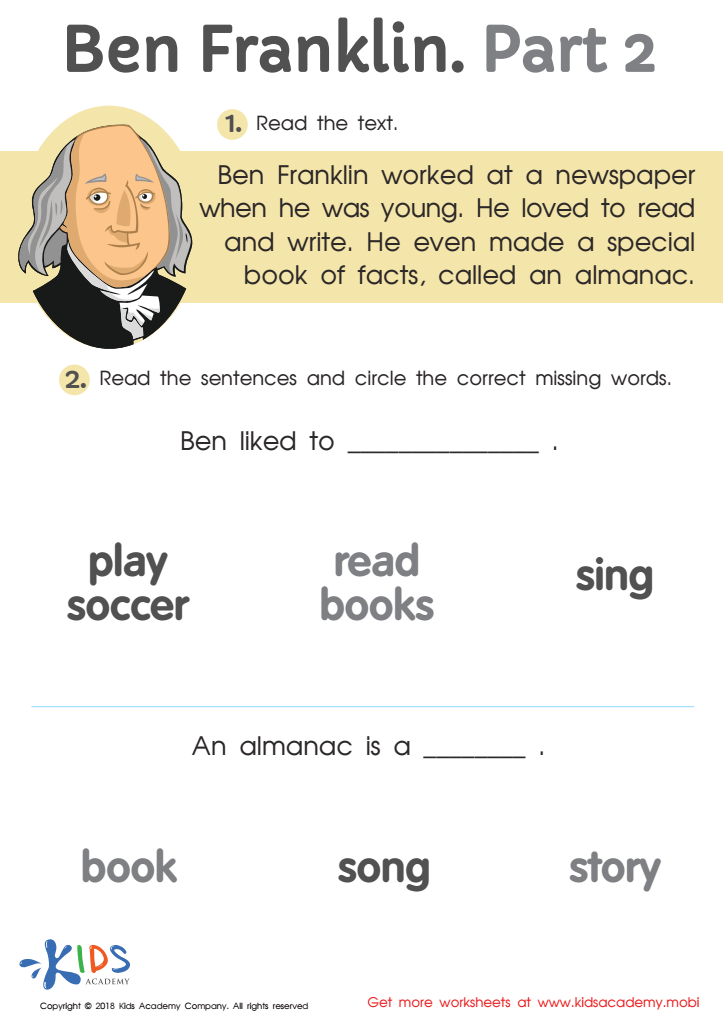
Ben Franklin Part 2 Worksheet
History is filled with great figures, like Benjamin Franklin. Let your kids in on the legacy by introducing them to the founder of the US fire department, diplomat, and inventor. Then, use a worksheet to have them fill in the blanks with the correct word to teach them more. Read the text, then read the sentences and have them circle the missing word.
Ben Franklin Part 2 Worksheet
Worksheet
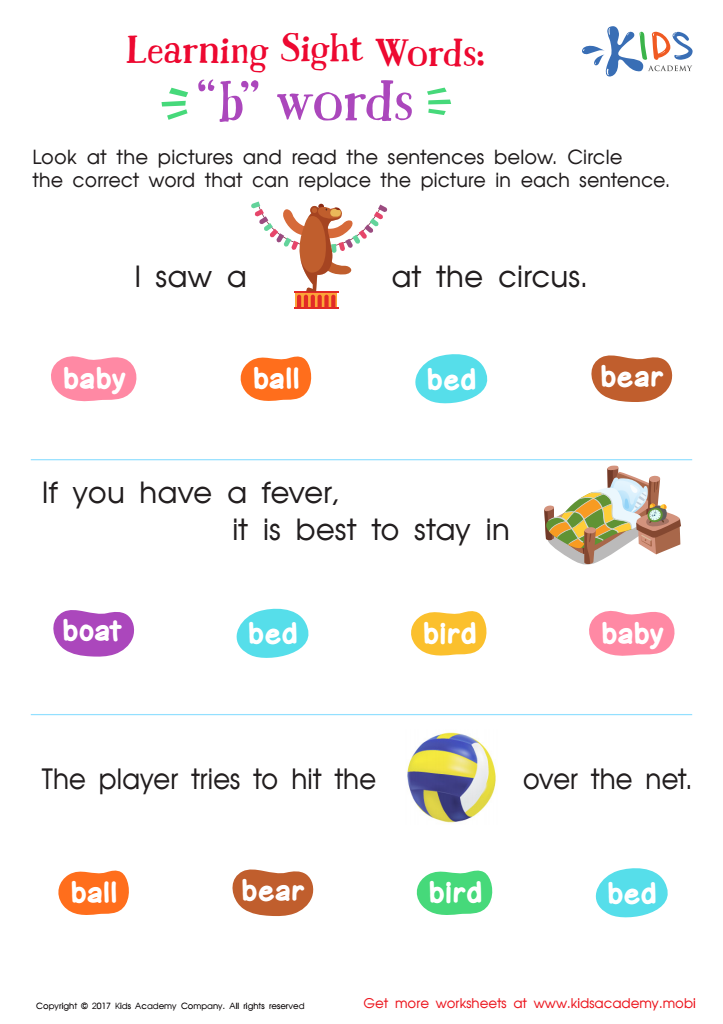
"B" Words Printable Sight Words Worksheet
Kids will learn sight words quickly with this fun worksheet! "B" Words offers guided practice with simple sentences and pictures. Build your child's reading confidence with this helpful worksheet and watch them become a master!
"B" Words Printable Sight Words Worksheet
Worksheet
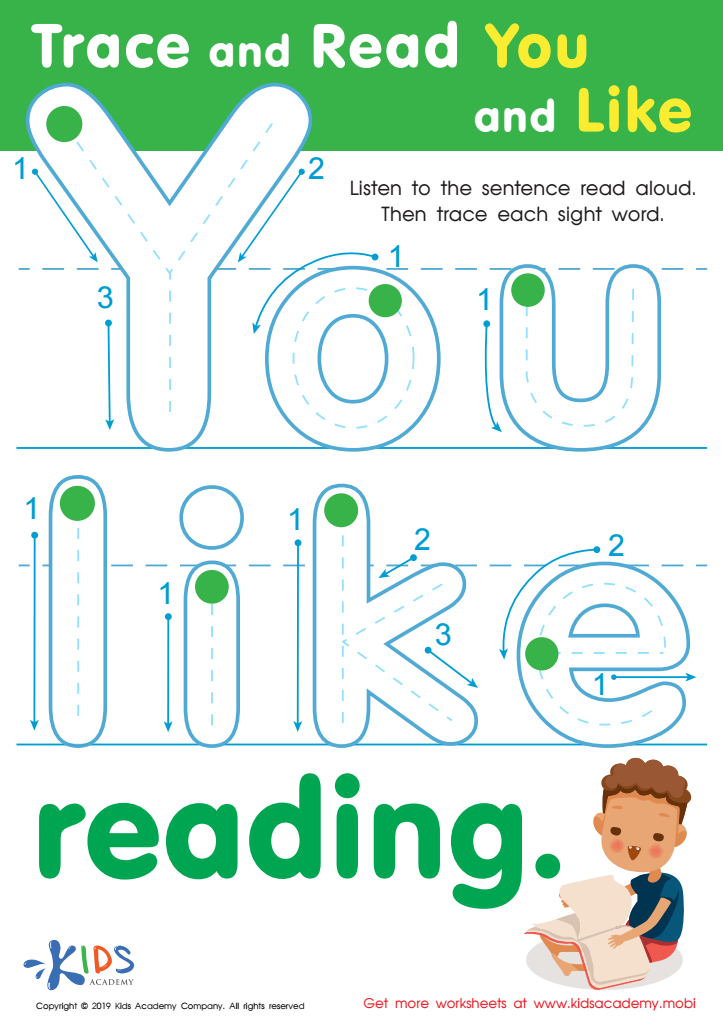
Trace Read You Like Worksheet
Sight words help children become confident and fluent readers. This free worksheet encourages success with basic 'you' and 'like' words. Writing them with traceable lines and green dots shows motion and builds sight word vocabulary. Help your child master the basics and boost their reading progress!
Trace Read You Like Worksheet
Worksheet
Join Kids Academy for Free
Who is primarily going to use this learning content?




.jpg)



Reading skills for children aged 6-8 are crucial for their overall development and future success. At this stage, children are transitioning from learning to read to reading to learn. This early literacy foundation not only enhances their ability to decode text but also fosters comprehension, critical thinking, and vocabulary expansion. Strong reading skills are linked to improved academic performance across all subjects, as children who read well can better understand and engage with material.
Moreover, reading promotes imagination and creativity, opening doors to different cultures and ideas through stories. For parents and teachers, supporting reading skill development is essential because literacy is an indicator of lifelong learning. Engaging children in diverse reading activities cultivates a love for reading, which leads to more significant educational gains.
Additionally, children who struggle with reading at this age may face challenges later on, resulting in decreased confidence and academic achievement. Thus, promoting effective reading habits and skills in early childhood is an investment in a child's future, empowering them with the ability to navigate an increasingly complex world. By prioritizing reading skills, parents and teachers equip children with the tools necessary for personal and academic growth, fostering a generation of capable and confident learners.








