Filters

8 filtered results

Clear all filters
Favorites
With answer key
Interactive

8 filtered results

Difficulty Level

Grade


Enhance your child's reading journey with our Vocabulary Expansion Normal Reading Fiction Worksheets designed specifically for children aged 6-8. These engaging worksheets encourage young readers to explore rich vocabulary while enjoying captivating stories. Perfect for home or classroom use, each activity is thoughtfully crafted to boost comprehension and language skills. Children will connect new words to context clues, enabling them to improve their vocabulary naturally and meaningfully. From matching words to definitions, to fill-in-the-blank exercises, our fun and interactive worksheets are an excellent tool for fostering a love of reading and expanding language abilities in early learners. Start their adventure today!

Check out this FREE Trial Lesson on Reading Fiction for age 6-8!

Correctly use Frequently used Homophones and Antonyms

Favorites
With answer key
Interactive
  • 6-8
  • Vocabulary expansion
  • Reading Fiction
  • Normal
Rhymes in Poems Worksheet

Rhymes in Poems Worksheet

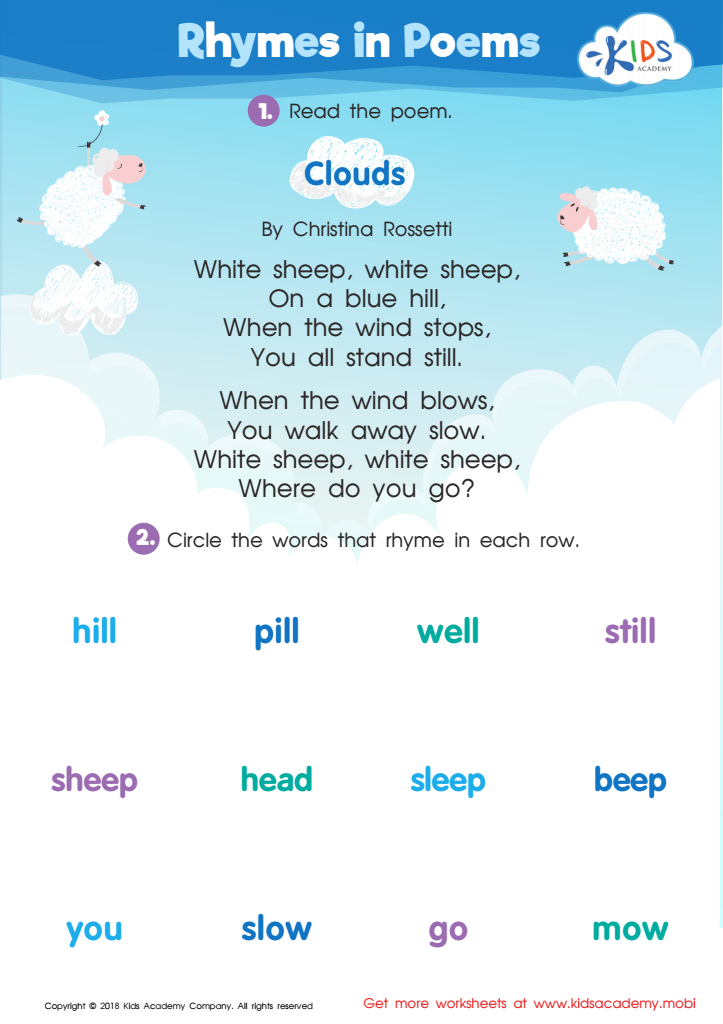
Poems are lovely works of literature; some with rhymes, and some without. This poem for kids is full of rhymes and tells the tale of a sheep. Read it aloud to your kids, then help them circle the rhyming words.
Rhymes in Poems Worksheet
Worksheet
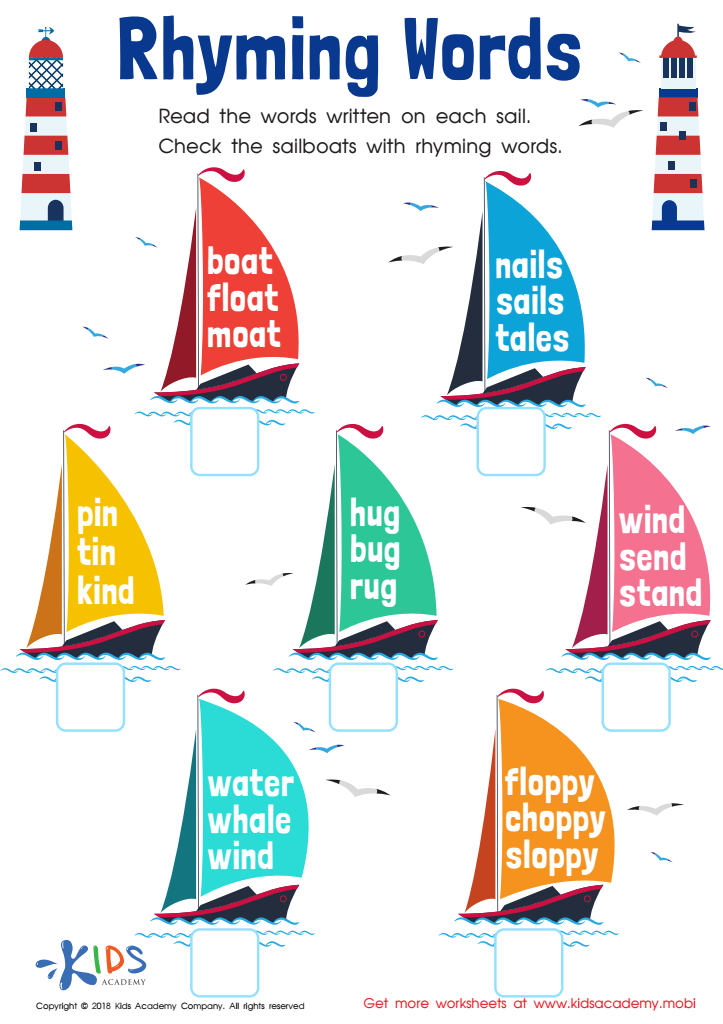
Rhyming Words Worksheet

Rhyming Words Worksheet

Does your child know about rhyming words? Get them interested in poetry and explain that these words have similar sounds when pronounced. Read the words on each sailboat to your child and ask them to identify the rhyming pairs. Guide them to check the sailboats.
Rhyming Words Worksheet
Worksheet
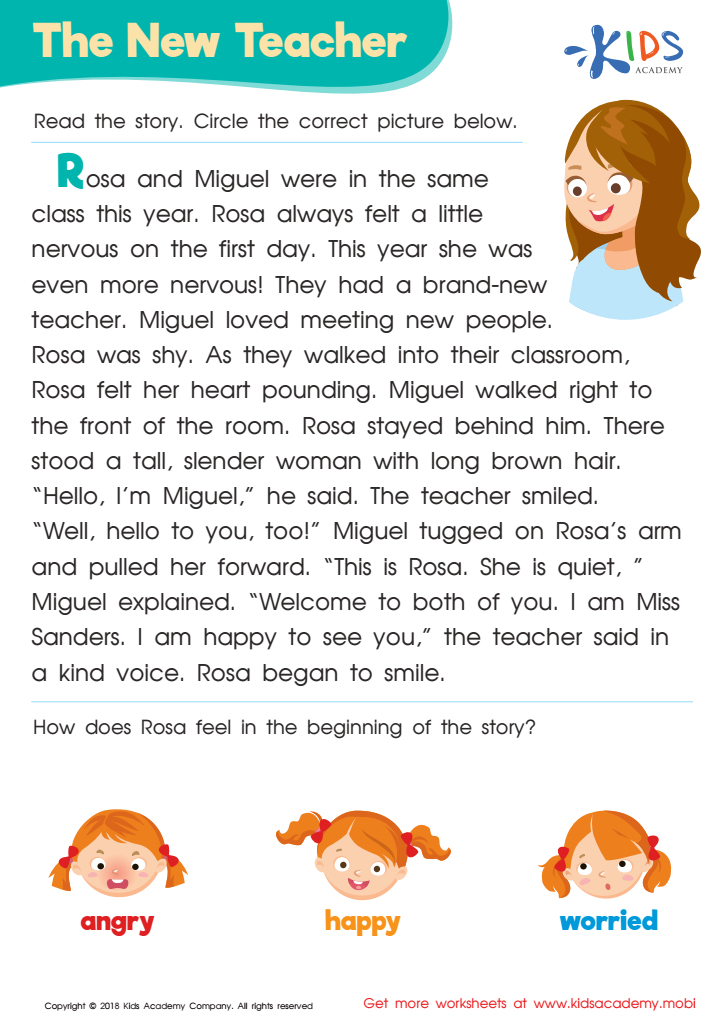
The New Teacher Worksheet

The New Teacher Worksheet

Encourage your kids to write their own short story before doing this exercise. It's about Rosa and Miguel on their first day of school, meeting their teacher. Read the story aloud and ask them to focus on Rosa's feelings. Then, help them circle the correct picture for the question.
The New Teacher Worksheet
Worksheet
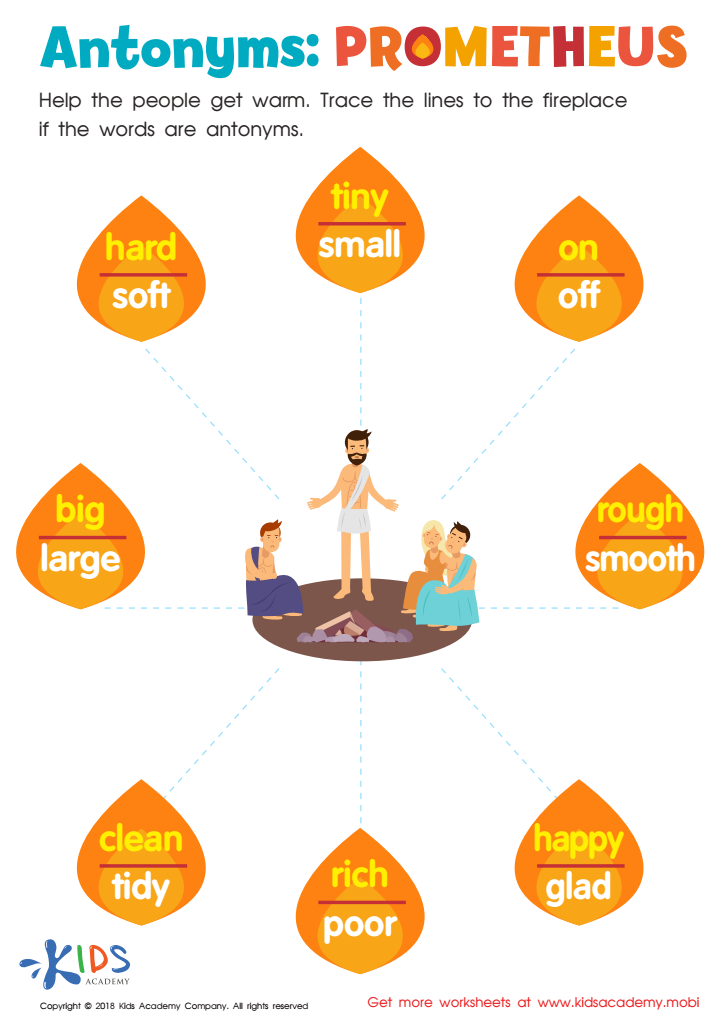
Antonyms: Prometheus Worksheet

Antonyms: Prometheus Worksheet

Antonyms are words with opposite meanings to another. For example, the antonyms of 'good' are 'bad', 'poor' and 'wicked'. Ask your child to give you antonyms for 'Prometheus', which relates to fire. Invite your kids to trace the lines to the fireplace if the words are antonyms, helping the people in the tracing sheet get warm.
Antonyms: Prometheus Worksheet
Worksheet
Rhyming Check Worksheet

Rhyming Check Worksheet

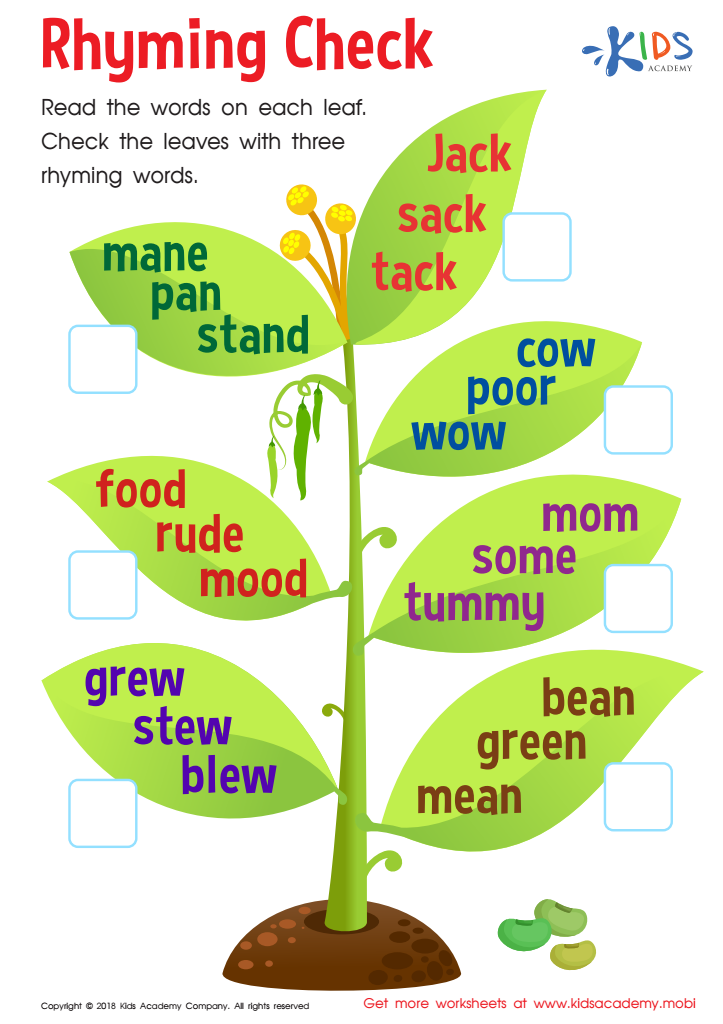
Help your child read the words on each leaf of a worksheet. Make sure they know that spellings can be misleading and tricky. When finished, ask them to identify the leaves with three rhyming words. This exercise helps their pronunciation skills and encourages critical thinking.
Rhyming Check Worksheet
Worksheet
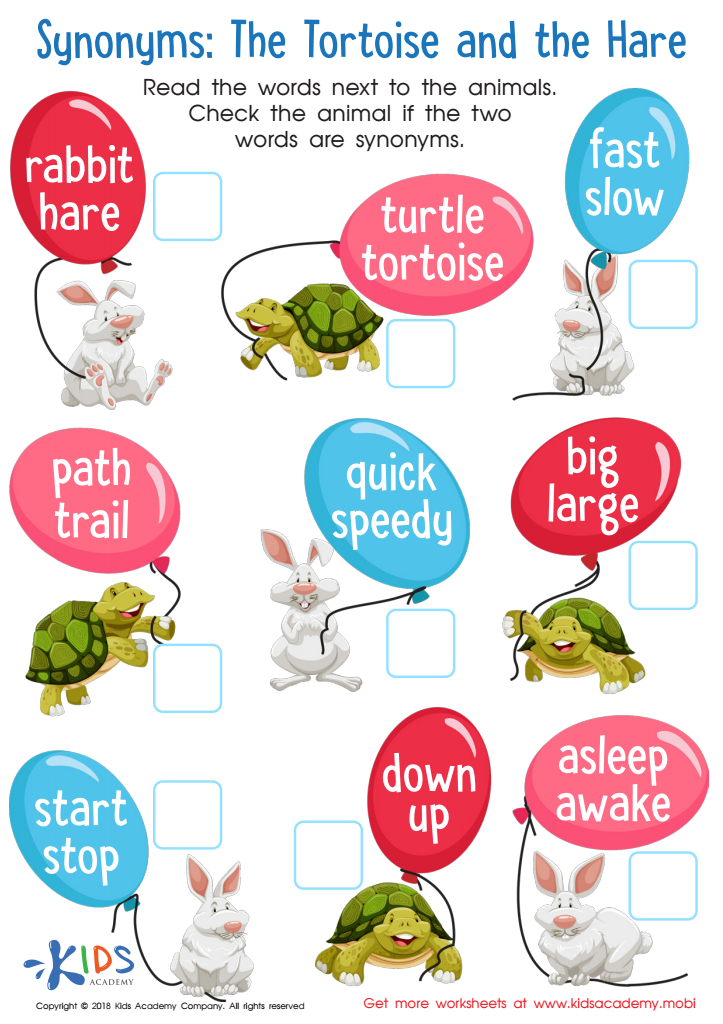
Synonyms: The Tortoise and Hare Worksheet

Synonyms: The Tortoise and Hare Worksheet

Help your kids identify words with similar meanings with this worksheet featuring a colourful picture of the Tortoise and the Hare. Show them how to check the boxes of animals with words that have similar meaning, then let them find more on their own. They'll love the challenge and you'll appreciate the educational value.
Synonyms: The Tortoise and Hare Worksheet
Worksheet
The Boy Who Cried Wolf Part 1 Worksheet

The Boy Who Cried Wolf Part 1 Worksheet

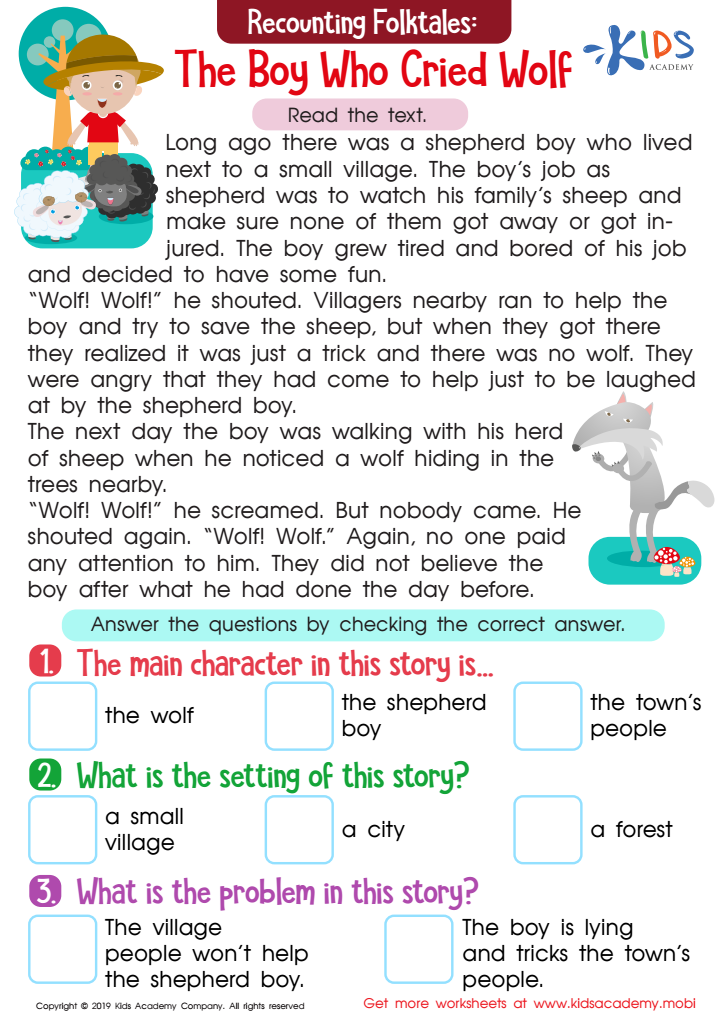
Storytime can be your kid's favorite part of the day. Ask them what their favorite stories are, then read the text in the printout. Read along with them, making sure they understand each word. At the end, go over the questions and have them check the correct answers.
The Boy Who Cried Wolf Part 1 Worksheet
Worksheet
Puss in Boots Vocabulary Worksheet


Puss in Boots Vocabulary Worksheet

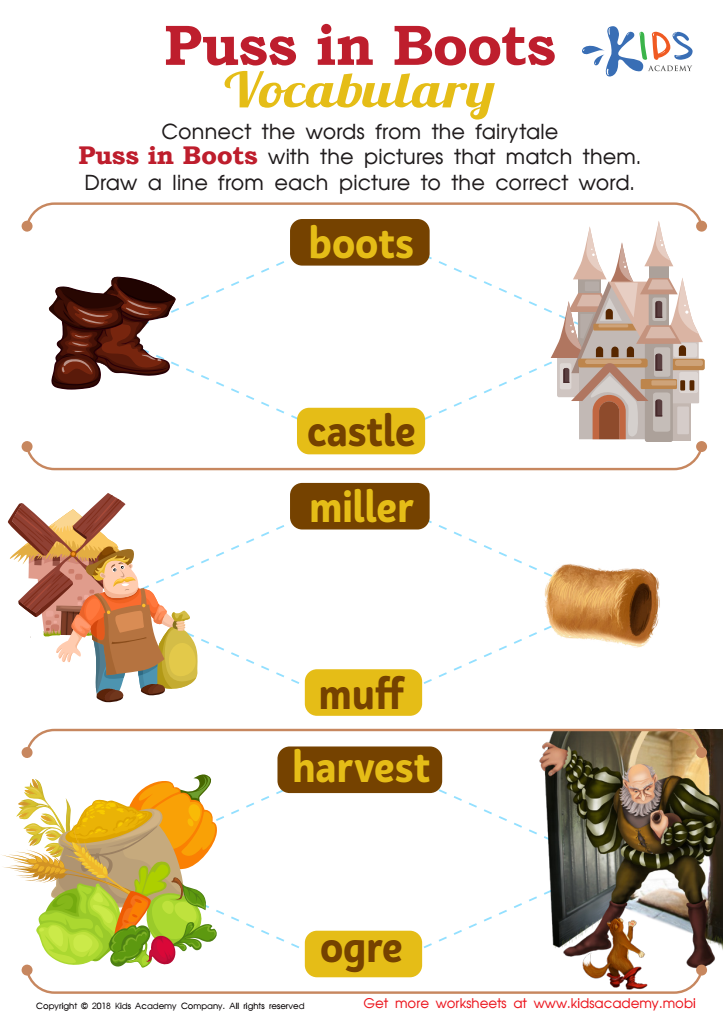
Let your kids enjoy story-telling while learning at the same time. Help them learn from the fairytale, Puss in Boots, by connecting words from the worksheet with the matching pictures. Ask them to draw a line between each picture and corresponding word to build their vocabulary.
Puss in Boots Vocabulary Worksheet
Worksheet


Vocabulary expansion during ages 6-8 is crucial for children's overall language development and comprehension skills. At this stage, children are exploring different genres, particularly fiction, which helps them express ideas, emotions, and collaborate with peers. Engaging with rich narratives introduces them to new words and phrases, enhancing their oral and written language skills.

When parents and teachers prioritize vocabulary development through reading fiction, they provide children with enhanced contextual understanding. Fiction often introduces diverse characters, settings, and plots, allowing children to encounter language in context, making new words more relatable and memorable. This not only aids in the immediate comprehension of the story but also builds a stronger foundation for future reading endeavors.

Additionally, as children interact with complex narratives, they develop critical thinking and comprehension skills that are essential for academic success across all subjects. By nurturing a love for reading through exposure to engaging fictional stories, parents and teachers can instill lifelong reading habits, ultimately enriching children's lives and broadening their worldviews. Therefore, encouraging vocabulary expansion through fiction is paramount in setting the stage for their continued educational journey and ensuring they become proficient communicators.