Counting practice Normal Science Worksheets for Ages 6-8
4 filtered results
-
From - To
Welcome to our Counting Practice Normal Science Worksheets for Ages 6-8! Designed to reinforce fundamental counting skills while integrating engaging science concepts, these worksheets are perfect for young learners. Each activity encourages exploration and discovery, helping children count objects, categorize items, and grasp basic scientific principles. With fun illustrations and a variety of hands-on exercises, students will enjoy practicing their counting skills in a scientific context. Whether at home or in the classroom, our worksheets provide a fun and effective way to make learning enjoyable. Begin your educational journey with us today and watch young minds thrive!
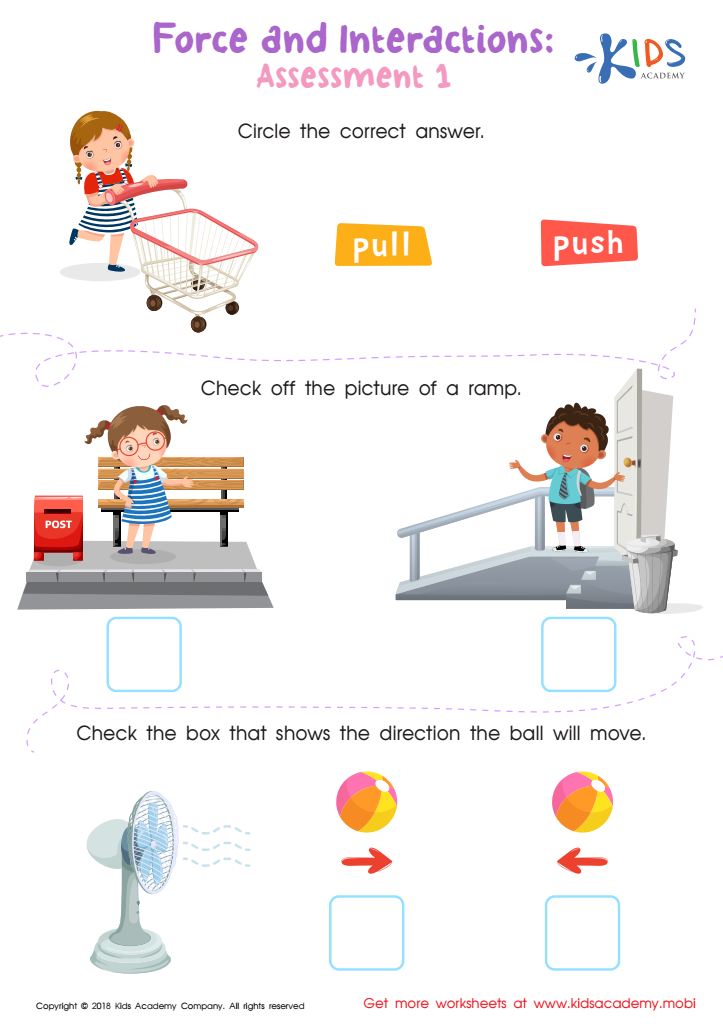
Force and Interactions: Assessment 1 Worksheet
 Assign to My Students
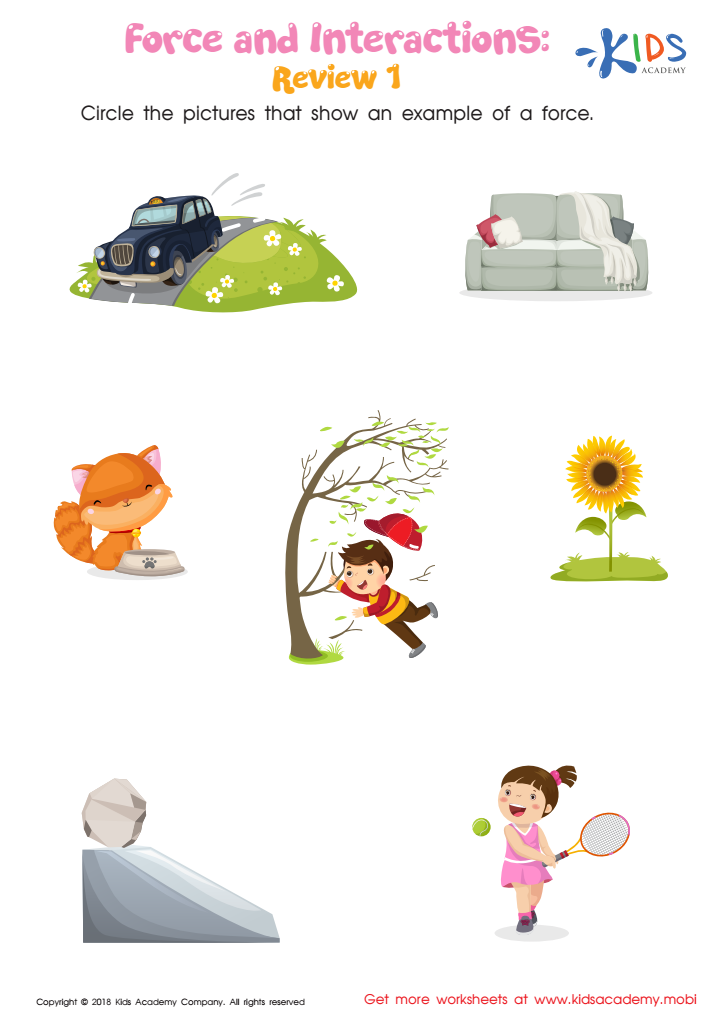
Force and Interactions: Review 1 Worksheet
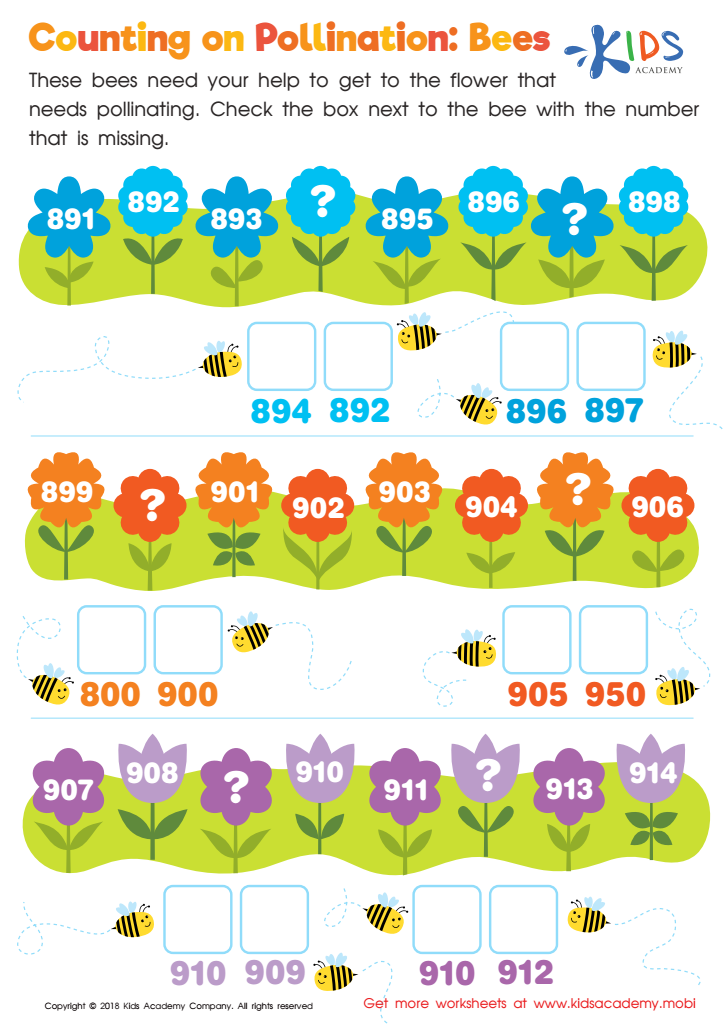
Counting on Pollination: Bees Worksheet
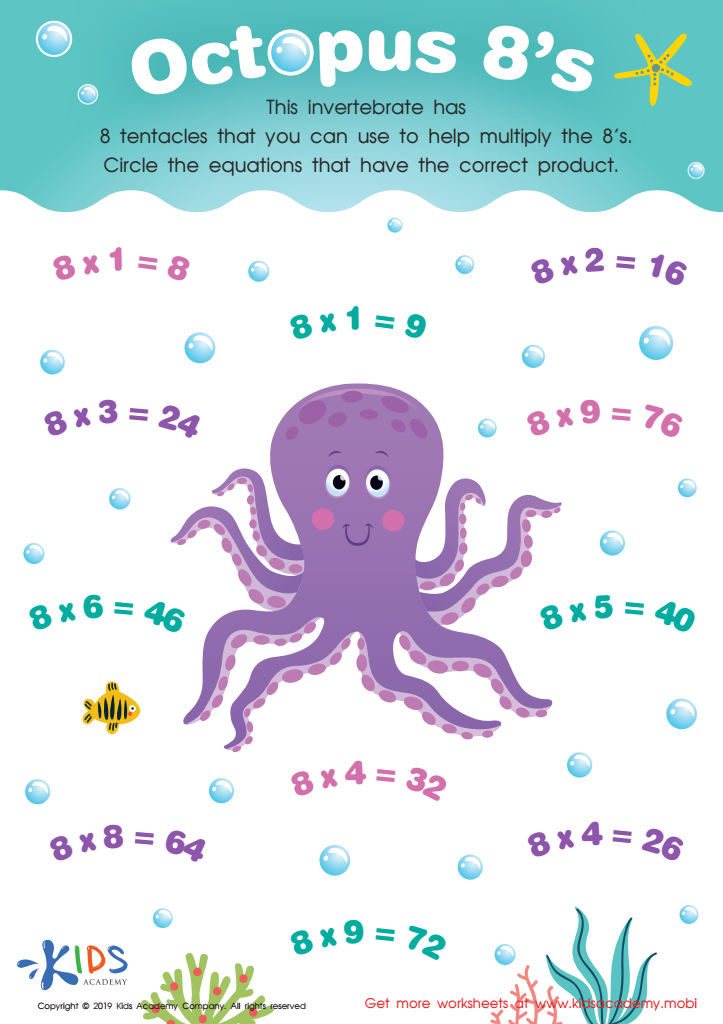
Octopus 8’s Worksheet





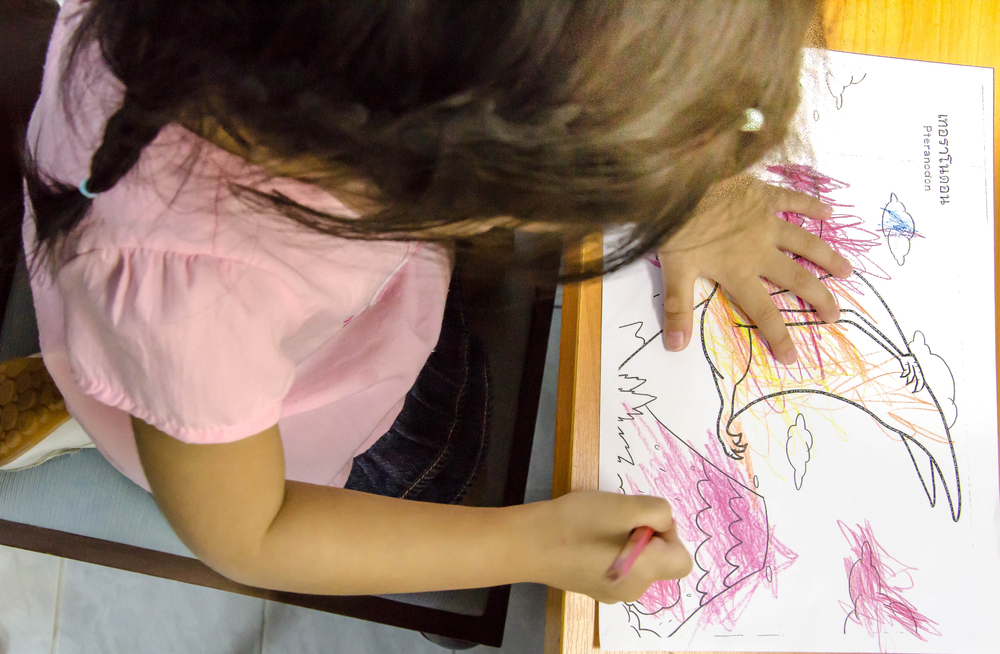


Counting practice is a vital aspect of early childhood education, especially for children ages 6-8. During this developmental stage, children are building foundational math skills necessary for future academic success. Understanding number concepts and developing counting proficiency enhances their ability to perform basic arithmetic, which is crucial as they progress in school.
Parents and teachers should care about counting practice because it fosters critical thinking skills. Counting helps children develop logic and reasoning as they learn to group, compare, and sort objects. It also strengthens their cognitive skills, including memory and attention, as children practice recalling and recognizing numbers in different contexts.
Moreover, counting practice encourages social interaction, particularly through group activities and games, which enhances communication and teamwork skills. This interaction can promote a love for learning and make math feel more engaging.
Additionally, consistent practice and positive reinforcement help to build confidence in math abilities. This confidence is essential as children face more complex mathematical concepts in later grades. Ultimately, prioritizing counting practice not only equips youngsters with essential mathematical skills but also creates a solid groundwork for lifelong learning and numeracy in everyday life. Thus, it is a valuable focus for both parents and educators.







