Understanding life cycles Normal Science Worksheets for Ages 6-8
4 filtered results
-
From - To
Unlock a child's curiosity with our "Understanding Life Cycles Normal Science Worksheets for Ages 6-8." Designed specifically for young learners, these engaging worksheets make science fun and accessible. Through colorful illustrations and interactive activities, kids explore the fascinating life cycles of plants, animals, and insects. Perfect for both classroom and home use, our expert-crafted materials align with educational standards, ensuring essential learning skills are cultivated. Encourage your child's natural curiosity and foster a love for science with our comprehensive collection, making complex concepts easy to grasp for young minds. Discover more learning adventures at Kids Academy!
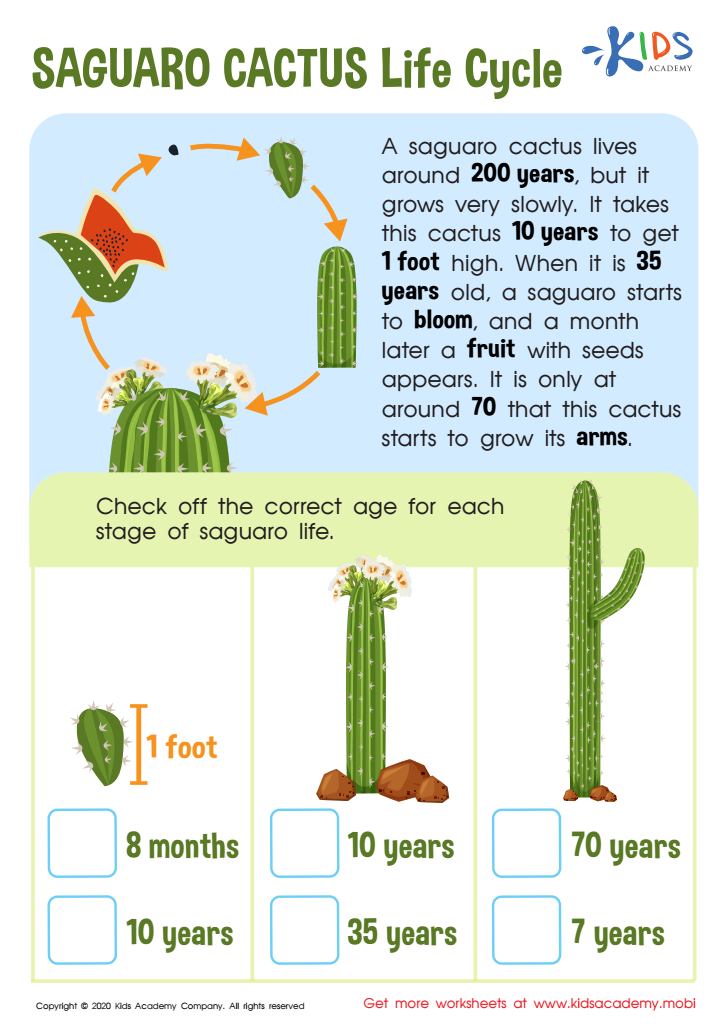
Saguaro Cactus Life Cycle Worksheet
 Assign to My Students
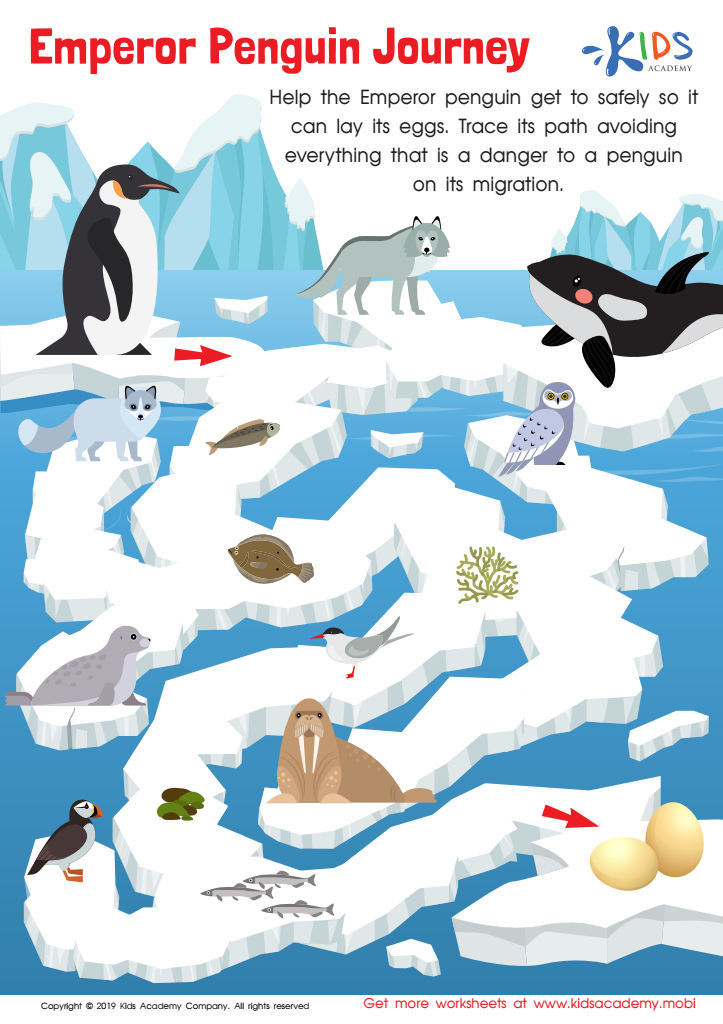
Emperor Penguin Journey Worksheet
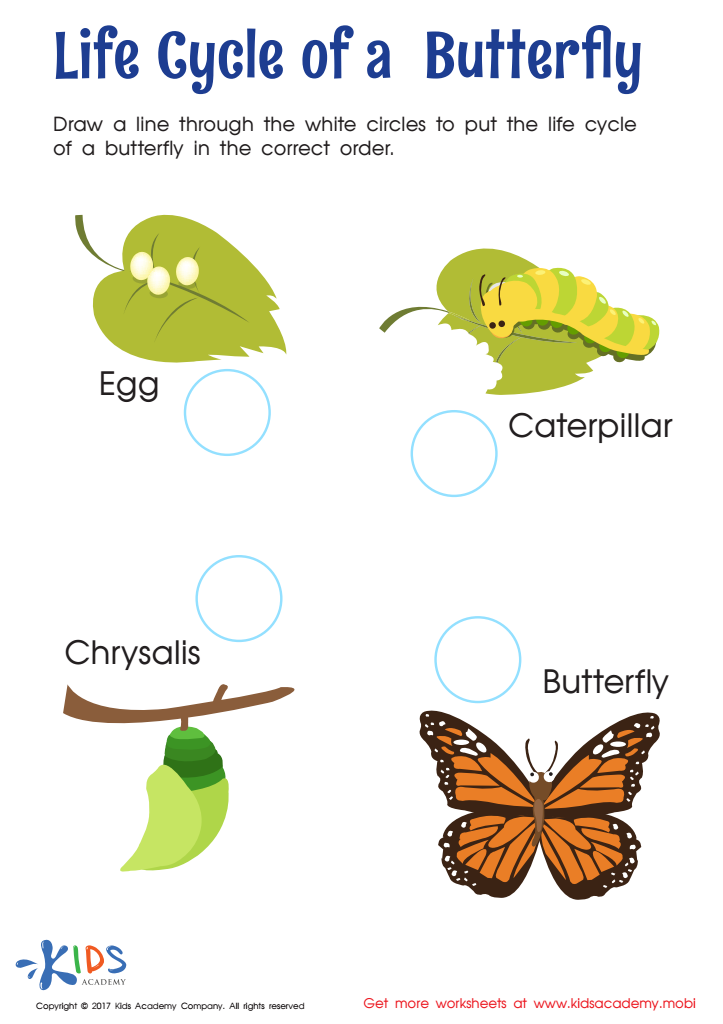
Life Cycle of Butterfly Worksheet
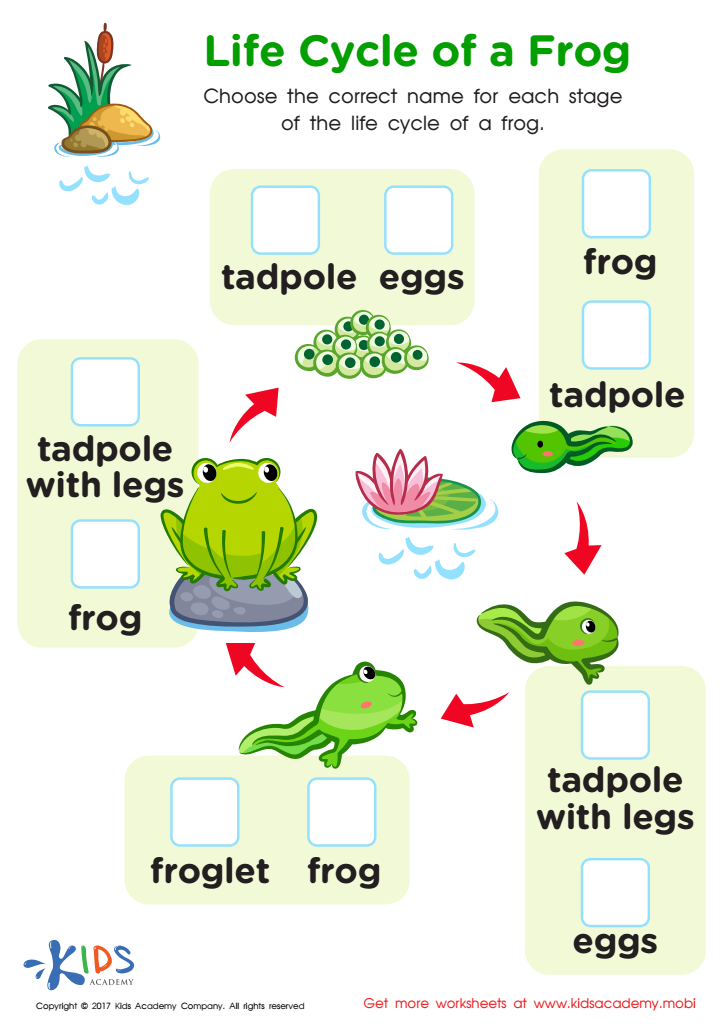
Life Cycle Frog Printable






Understanding life cycles is fundamental for young learners, ages 6-8, offering several important benefits that both parents and teachers should care about. Firstly, studying life cycles nurtures children's curiosity about the natural world, sparking a lifelong interest in biology and science. It encourages observational skills, asking questions, and making predictions—core scientific practices crucial for cognitive development.
Second, knowledge of life cycles provides a clear framework for children to understand the processes of birth, growth, reproduction, and death. This helps them grasp broader concepts of time, change, and interdependence. For instance, learning about the metamorphosis of a butterfly can highlight transformation and adaptation, offering valuable lessons about resilience and growth in their own lives.
Moreover, this area of study fosters empathy and respect for living organisms. When children learn how plants and animals grow, survive, and reproduce, they gain a better appreciation for environmental conservation and the interconnectedness of ecosystems. They learn that human actions can impact other lives, fostering a responsible and caring attitude toward nature.
Lastly, understanding life cycles aligns with scientific curriculum standards, ensuring that children achieve grade-level competencies in science. Mastery of these concepts builds a strong foundation for more advanced studies, promoting academic confidence and success.
In short, engagement with life cycles enriches educational experiences, supports personal growth, and instills environmental stewardship.







