Word Recognition Normal Community Worksheets for Ages 6-8
3 filtered results
Difficulty Level
Grade
Age
-
From - To
Subject
Activity
Standards
Discover engaging Word Recognition Normal Community Worksheets designed for children aged 6-8. These educational resources promote literacy skills while helping young learners understand their community's vocabulary. Each worksheet is thoughtfully curated to encourage fun and interactive learning, featuring a variety of activities that strengthen word recognition and comprehension. Ideal for classroom use or at-home practice, these worksheets support early literacy development and foster a sense of community awareness. Get ready to ignite curiosity and build essential reading skills in a playful way. Explore our collection and empower your students to connect with the world around them through impactful learning experiences!
Favorites
With answer key
Interactive
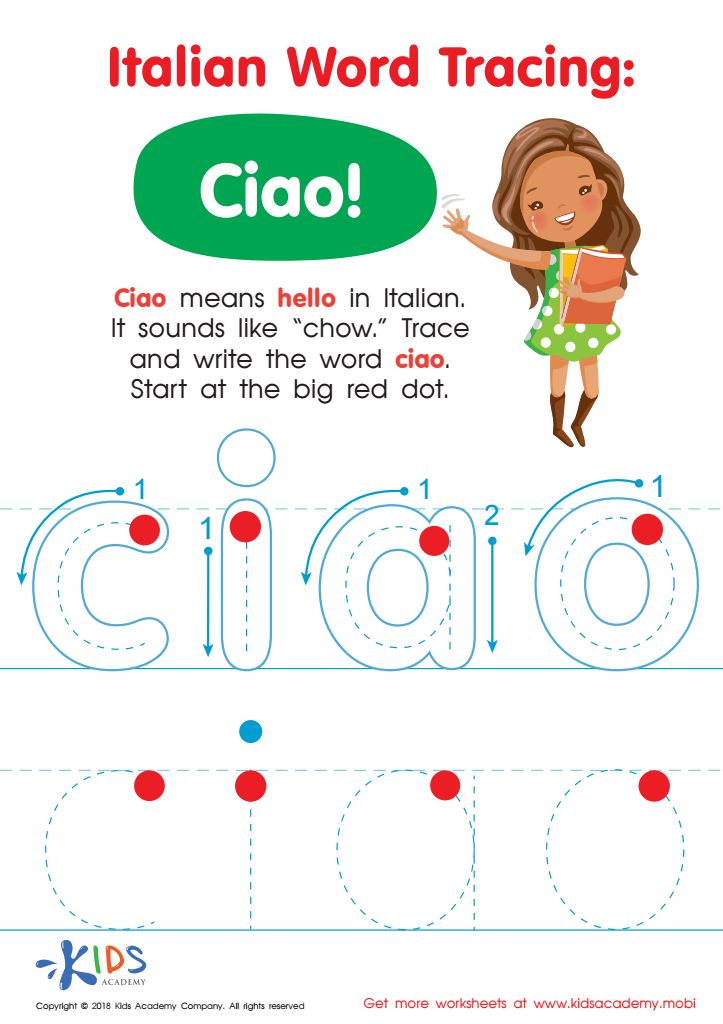
Italian Word Tracing: Ciao Worksheet
Help kids learn to greet people in different languages with this fun worksheet! Featuring the Italian word 'Ciao', it helps kids trace and learn the pronunciation. Plus, it teaches hand-eye coordination and fine-motor skills. Global connectivity can start with this activity!
 Assign to My Students
Italian Word Tracing: Ciao Worksheet
Worksheet
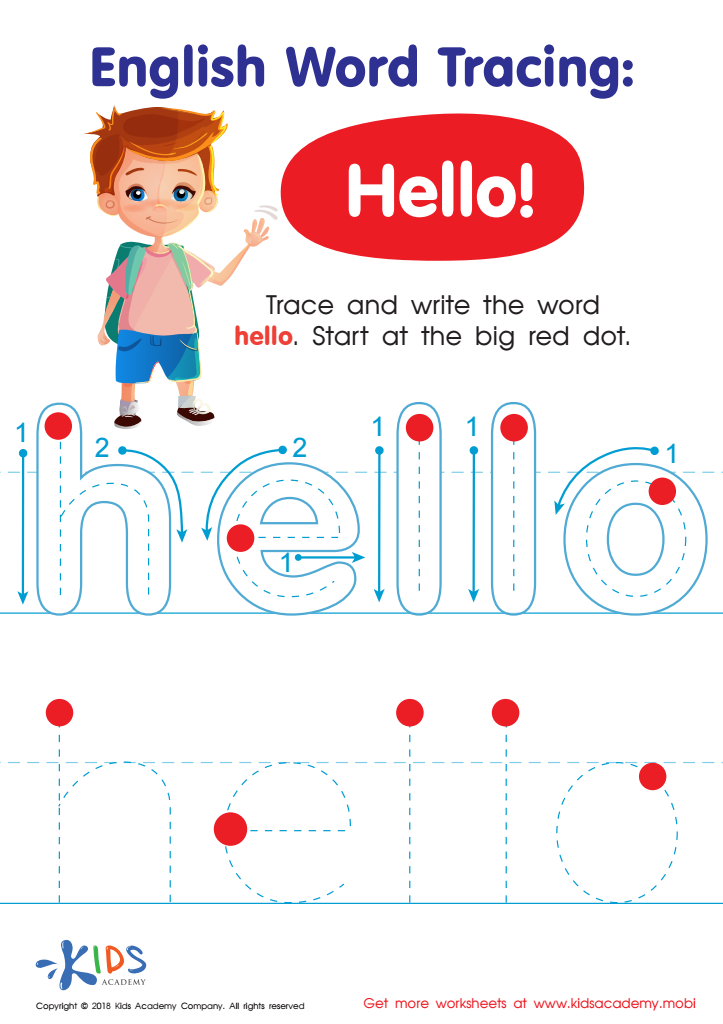
English Word Tracing: Hello Worksheet
Searching for free worksheets to help your kids refine their motor skills, handwriting and English word knowledge? Get this cheerful PDF! It offers your children the chance to practice tracing words like Hello, while following a top-to-bottom, left-to-right patterning.
English Word Tracing: Hello Worksheet
Worksheet
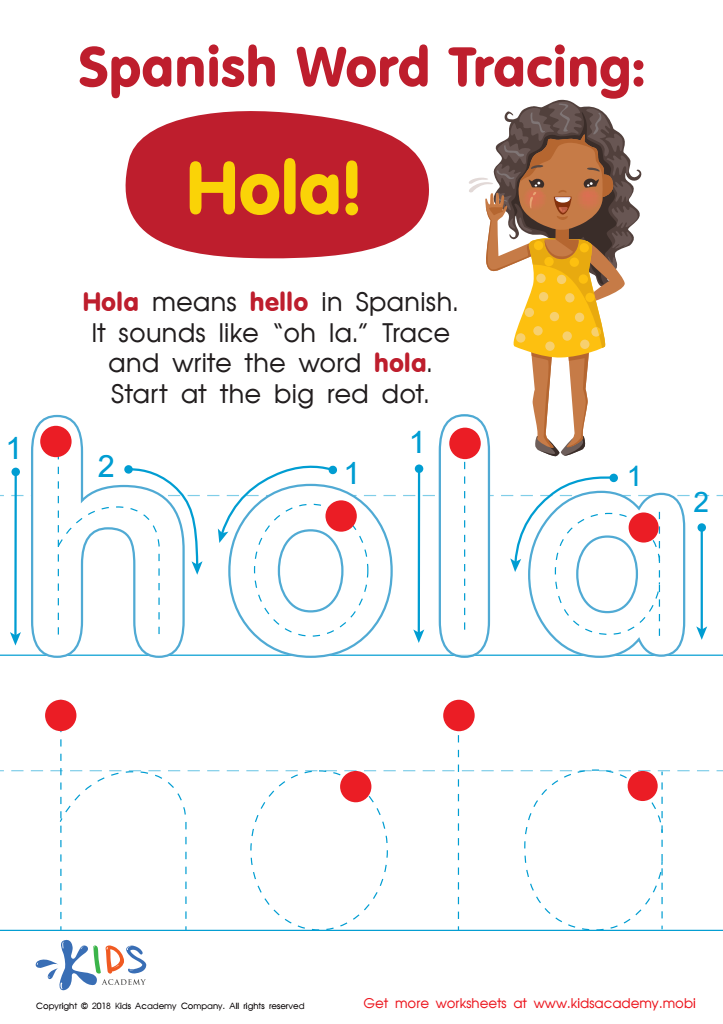
Spanish Word Tracing: Hola Worksheet
This PDF provides a fun way for students to learn "Hola" (Hello) in Spanish! Kids can practice fine motor and handwriting skills while they trace the letters. They'll get the hang of top-to-bottom, left-to-right patterning while they learn how to say and write in Spanish. With practice, they'll soon feel confident speaking and writing Spanish!
Spanish Word Tracing: Hola Worksheet
Worksheet
Join Kids Academy for Free
Who is primarily going to use this learning content?








Word Recognition is critical for children ages 6-8 as it directly impacts their literacy development, academic success, and overall confidence in learning. During this stage, students transition from learning to read to reading to learn. Establishing a strong foundation in word recognition helps children decode words fluently, which enhances comprehension and enables them to engage with a diverse range of texts.
Teachers and parents should prioritize Word Recognition Normal Communities because these environments foster collaborative learning. Engaging children in activities where they can practice word recognition, such as group reading or phonics games, encourages social interaction and reinforces their skills. Additionally, these communities provide an opportunity for children to celebrate progress, which boosts motivation and builds a positive attitude toward reading.
Moreover, understanding and supporting a child's word recognition abilities allows educators and parents to identify areas where additional help is needed, ensuring that no child is left behind. This proactive approach reduces frustration often associated with reading difficulties and creates a supportive atmosphere where learners can thrive. Ultimately, a focus on word recognition strengthens literacy skills essential for future academic achievement, lifelong learning, and successful communication in an increasingly complex world.