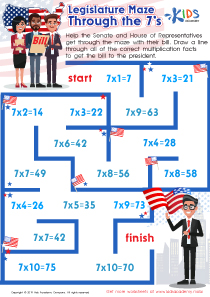
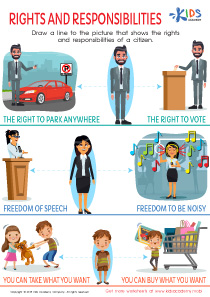
Analytical thinking Normal History Worksheets for Ages 6-8
3 filtered results
-
From - To
Enhance your child's analytical thinking skills with our engaging Normal History Worksheets, designed specifically for ages 6-8. These creative worksheets encourage young learners to explore historical events, analyze important figures, and connect the past with their present lives. By incorporating fun activities and thought-provoking questions, children will develop critical thinking skills while deepening their understanding of history. Our thoughtfully crafted resources promote active participation and foster a love for learning. Perfect for teachers and parents alike, these worksheets set the foundation for developing future problem-solving abilities. Spark curiosity and critical analysis in your child today with our comprehensive history worksheets!
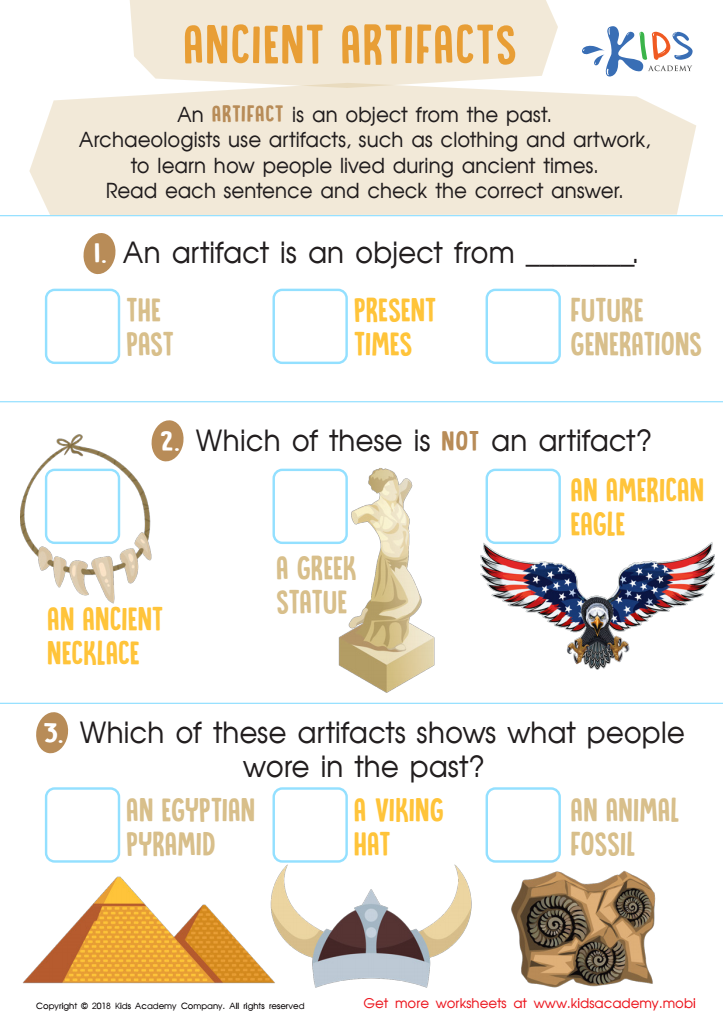
Ancient Artifacts Worksheet
 Assign to My Students
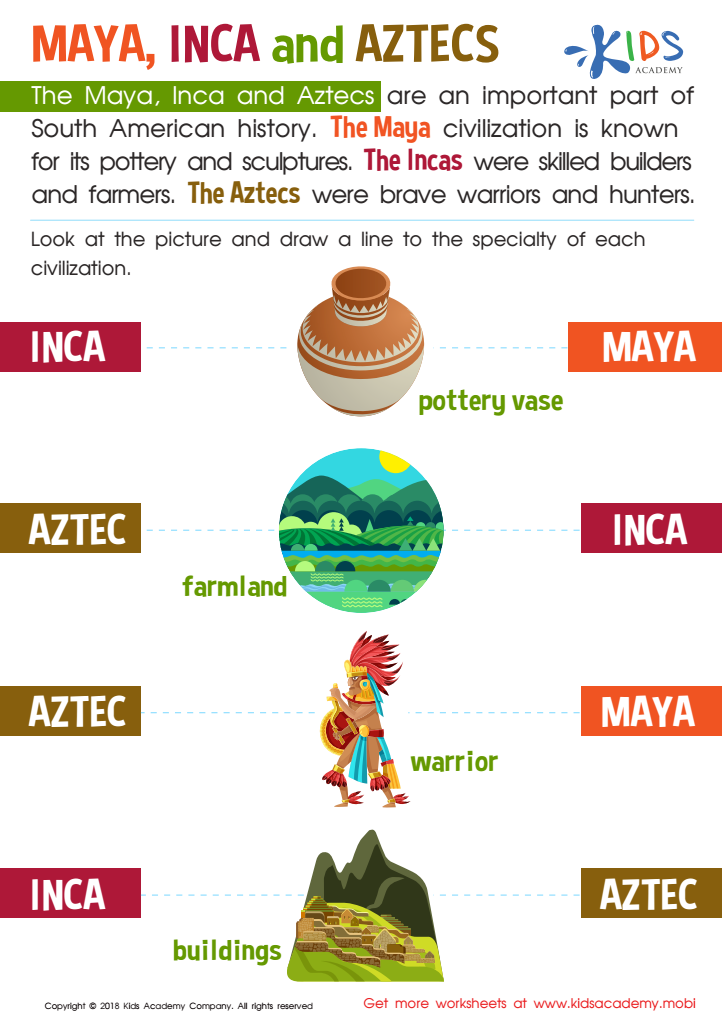
Maya, Inca and Aztecs Worksheet
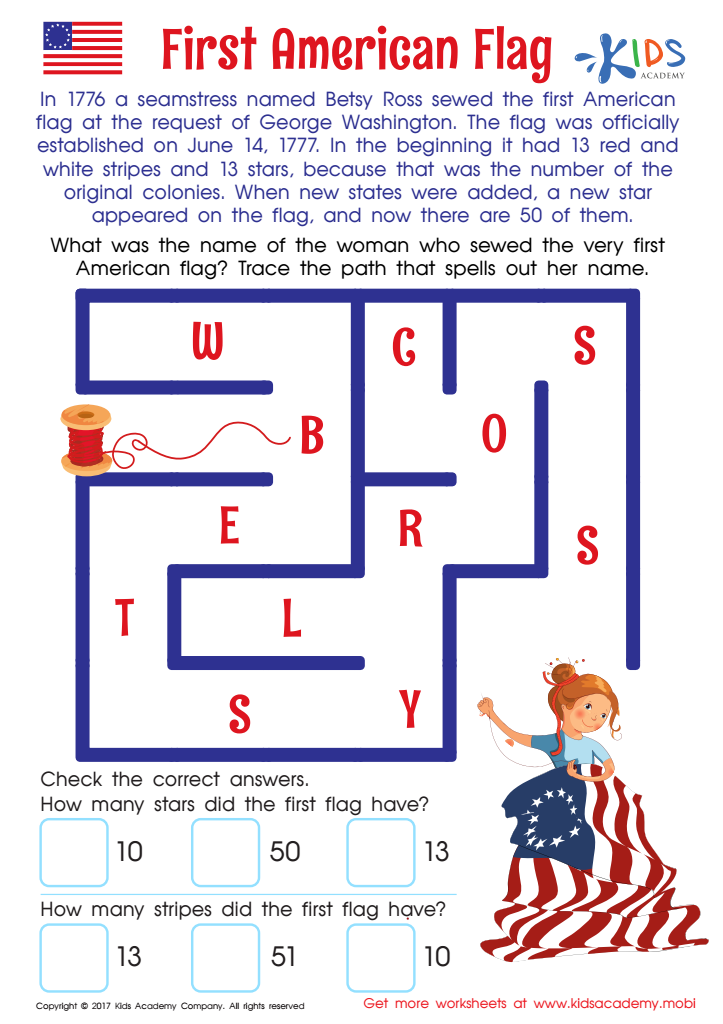
First American Flag Worksheet






.jpg)

Analytical thinking is a fundamental skill for children aged 6-8, significantly influencing their academic and personal development. Parents and teachers should care about fostering this skill, particularly in subjects like history, where critical analysis allows children to understand events, contexts, and perspectives.
In history, analytical thinking enables students to move beyond mere memorization of facts. It encourages them to ask questions about why events happened, how different individuals were affected, and what lessons can be drawn from those events. This deeper engagement helps develop independent thinking skills, essential for later academic success and informed citizenship.
By cultivating analytical skills, children also enhance their ability to solve problems and make decisions. These cognitive abilities are not only crucial in academics but are applicable in everyday life, helping children navigate social interactions and conflicts.
Furthermore, in an age where misinformation is rampant, strong analytical thinking can help children evaluate sources critically and develop informed opinions. By prioritizing analytical thinking in history, parents and teachers equip children with the tools needed to analyze their world, fostering lifelong learners who will contribute thoughtfully to society. Ultimately, nurturing these skills in young students lays the groundwork for their future academic pursuits and responsible adulthood.