Color recognition Normal Social Studies Worksheets for Ages 6-8
3 filtered results
-
From - To
Discover our engaging Color Recognition Normal Social Studies Worksheets designed specifically for children aged 6-8! These thoughtfully crafted resources help young learners explore the vibrant world of colors while seamlessly integrating foundational social studies concepts. Through interactive activities and fun exercises, kids will enhance their color identification skills and connect them to everyday social contexts. Perfect for both classroom and homeschool settings, our worksheets encourage creativity and critical thinking. Boost your child's confidence and understanding of their environment while making learning enjoyable. Visit us now to access a range of colorful worksheets that inspire curiosity and foster a love of learning!
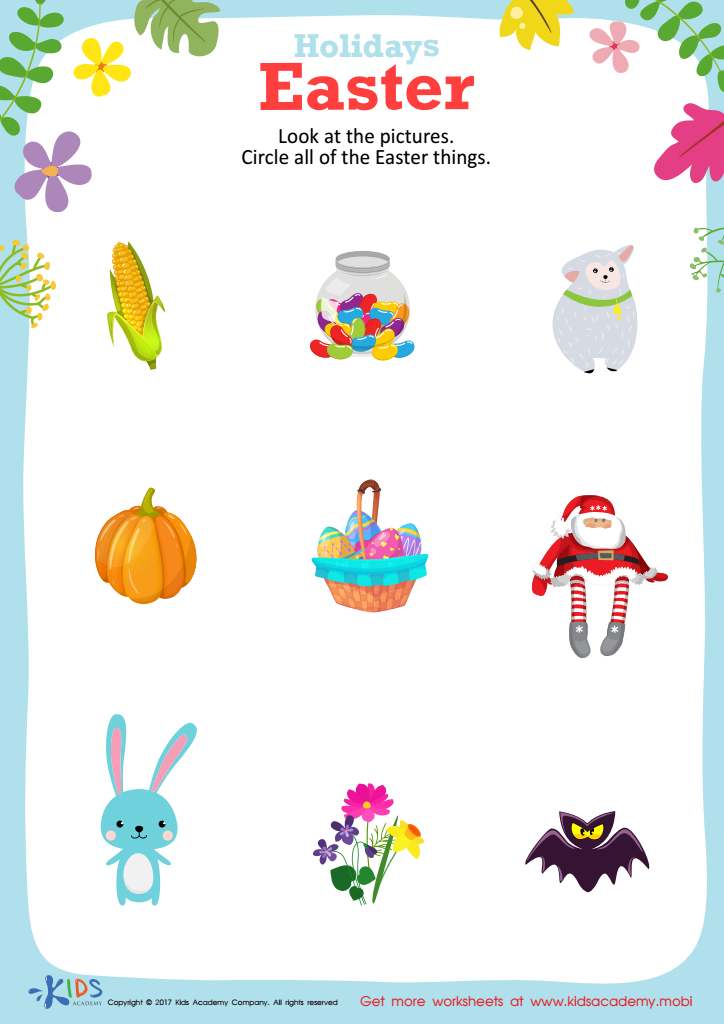
Easter Holiday Printable
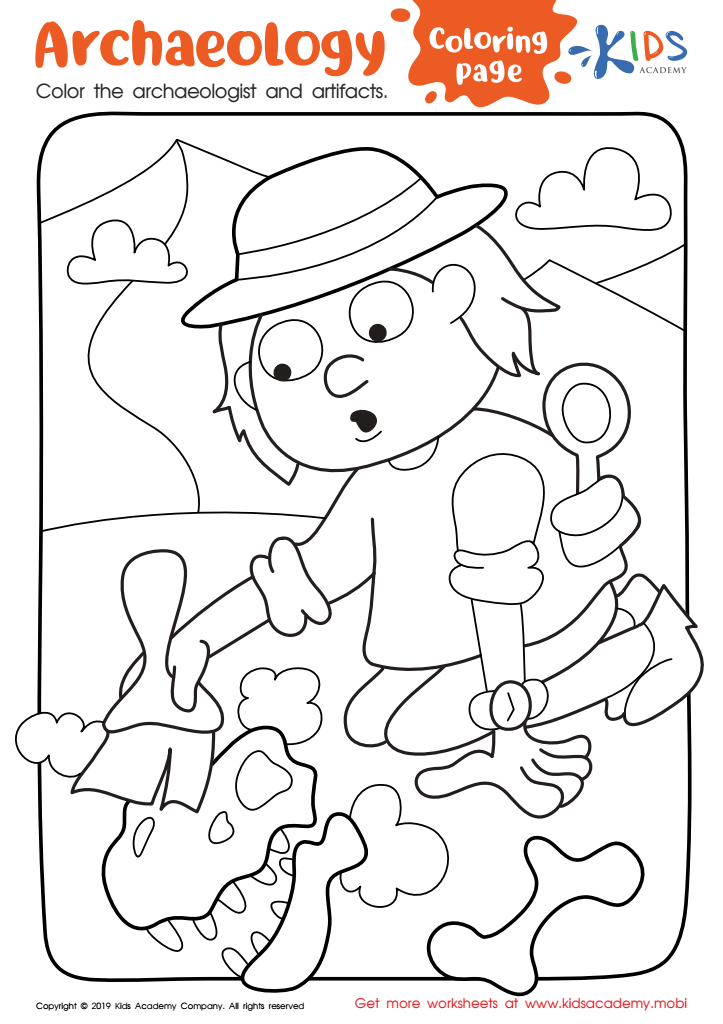
Archaelogy Coloring Page Worksheet
 Assign to My Students
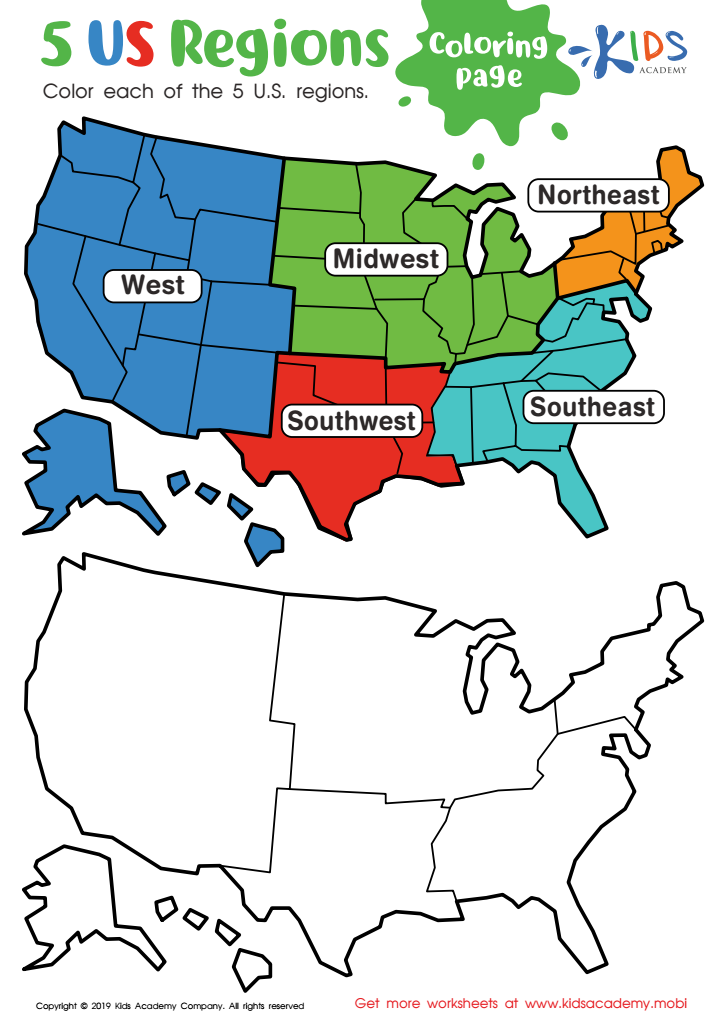
US Regions Coloring Page Worksheet
Assign to My Students



.jpg)



Color recognition is an essential skill in the early education of children aged 6-8, and it's crucial for parents and teachers to prioritize it within the curriculum, such as in Social Studies. Understanding colors helps children make sense of the world around them; it enhances their ability to categorize, express creativity, and improve communication skills. For instance, knowing colors enables children to understand cultural contexts, such as learning about flags or traditions associated with specific colors in different societies.
Moreover, color recognition fosters cognitive development, as it encourages observation and critical thinking. Engaging with colors through activities like arts and crafts can stimulate curiosity and self-expression, laying the groundwork for more complex concepts later on. In a social studies context, color identification can enhance a child’s understanding of diversity and inclusion, as they learn about different cultures through their symbols and meanings attached to various colors.
Incorporating color recognition into social studies teaches children to appreciate diversity and the richness of various cultures. As parents and teachers nurture these skills, they play a vital role in shaping a child’s educational journey and social awareness, equipping them with essential tools for everyday interactions and understanding the world around them.