Critical Thinking Normal World Around Us Worksheets for Ages 6-8
4 filtered results
-
From - To
Nurture critical thinking skills in children ages 6-8 with our engaging 'World Around Us' worksheets. Designed to challenge young minds, these printable activities encourage kids to explore, question, and understand their surroundings. Covering a range of topics from nature to technology, these worksheets foster curiosity and develop skills in observation, analysis, and logical reasoning. Perfect for classroom or home learning, they provide a fun yet educational way to help kids think critically about the world they'll shape in the future. Start your child’s journey towards becoming a keen thinker with our thoughtfully curated critical thinking exercises today!
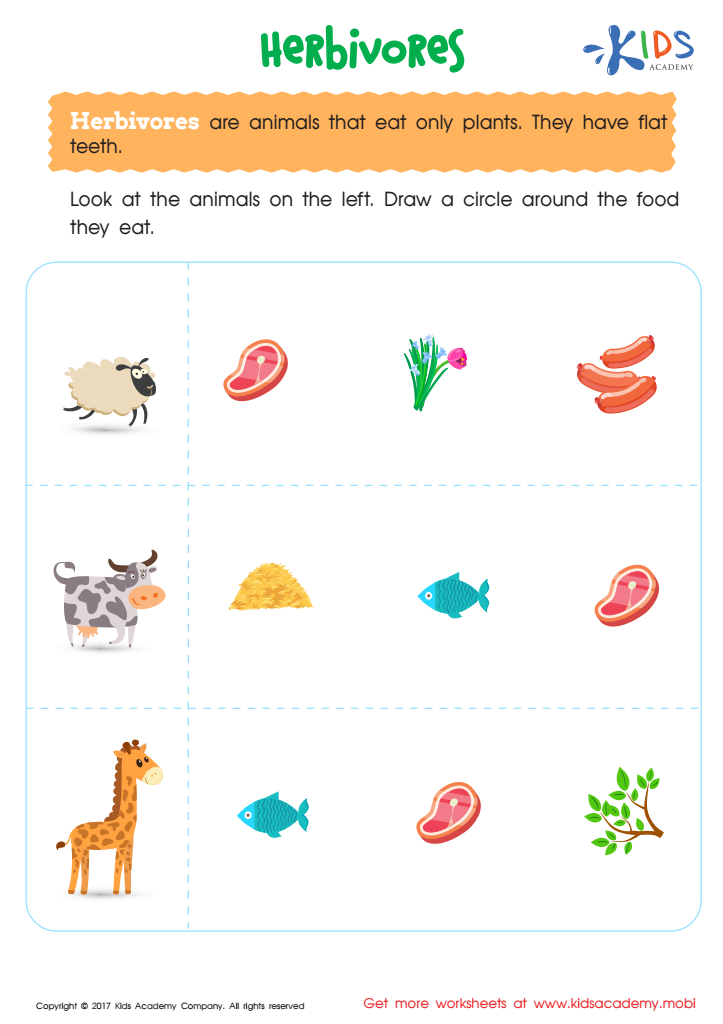
Herbivores Printable
 Assign to My Students
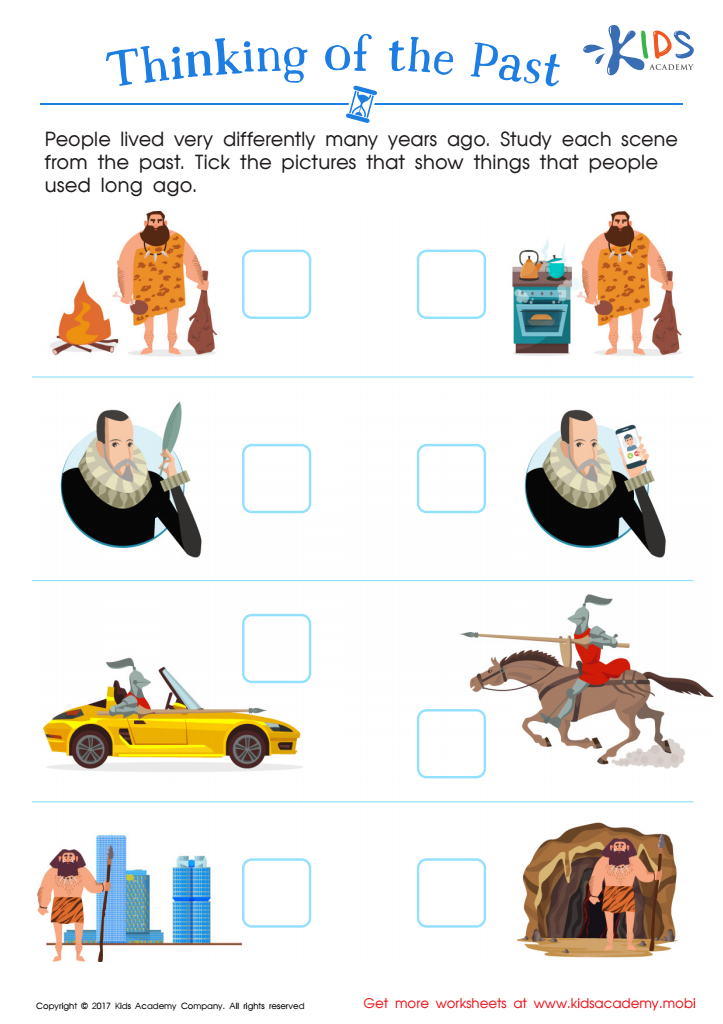
Thinking Past Printable








Encouraging critical thinking in children aged 6-8 is paramount as it lays the foundation for lifelong learning and problem-solving abilities. At this pivotal stage, young minds are naturally curious and absorb information like sponges, making it an ideal time to nurture their ability to reason, analyze, and evaluate the world around them.
Critical thinking involves questioning assumptions, recognizing patterns, and making connections between different ideas. By fostering this skill in early childhood, parents and teachers help children develop a deeper understanding of their environment. This not only enhances academic performance but also equips them with the tools to approach challenges creatively and thoughtfully.
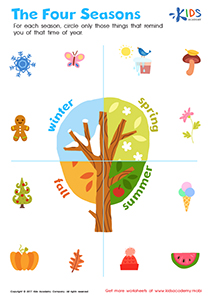
In a rapidly changing world, the capacity to think critically is becoming ever more important. It empowers children to make informed decisions, solve problems independently, and adapt to new situations. For instance, when kids learn to question why leaves change color in autumn or how bridges hold weight, they are practicing essential scientific and logical reasoning skills.
Moreover, critical thinking fosters empathy and ethical reasoning. When children consider different perspectives and the potential impact of their actions on others, they become more compassionate and responsible individuals.
Ultimately, teaching critical thinking helps children understand not just the 'what' and 'how,' but the 'why' behind everyday phenomena, setting them on a path to becoming thoughtful, innovative, and responsible adults.