Cultural awareness Normal World Around Us Worksheets for Ages 6-8
3 filtered results
-
From - To
Introducing "Cultural Awareness: Normal World Around Us Worksheets for Ages 6-8." These thoughtfully designed worksheets from Kids Academy help young learners appreciate cultural diversity and build global awareness. The engaging activities promote understanding and respect for different traditions, languages, and customs. Ideal for classrooms or at-home learning, the worksheets cover essential skills such as empathy, critical thinking, and open-mindedness. By exploring whhttps://chat.openai.com/c/09f9243cc3444892hatever-webvsesedifferences and connections, children develop a lasting appreciation for the rich tapestry of human culture, fostering a well-rounded worldview from an early age.
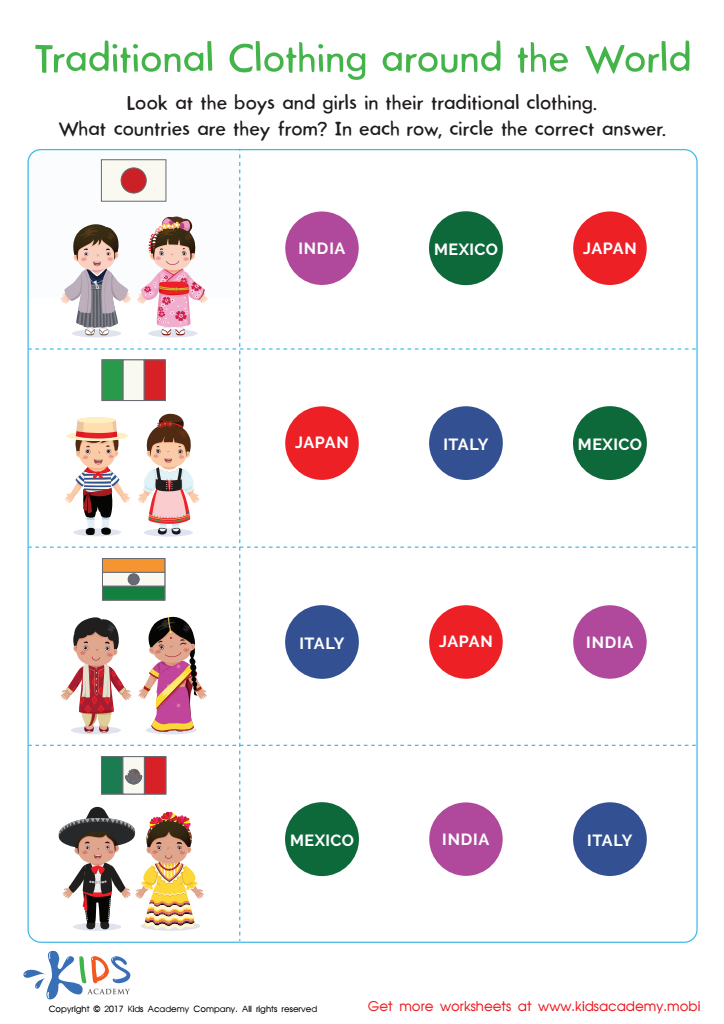
Traditional Clothing Worksheet
 Assign to My Students
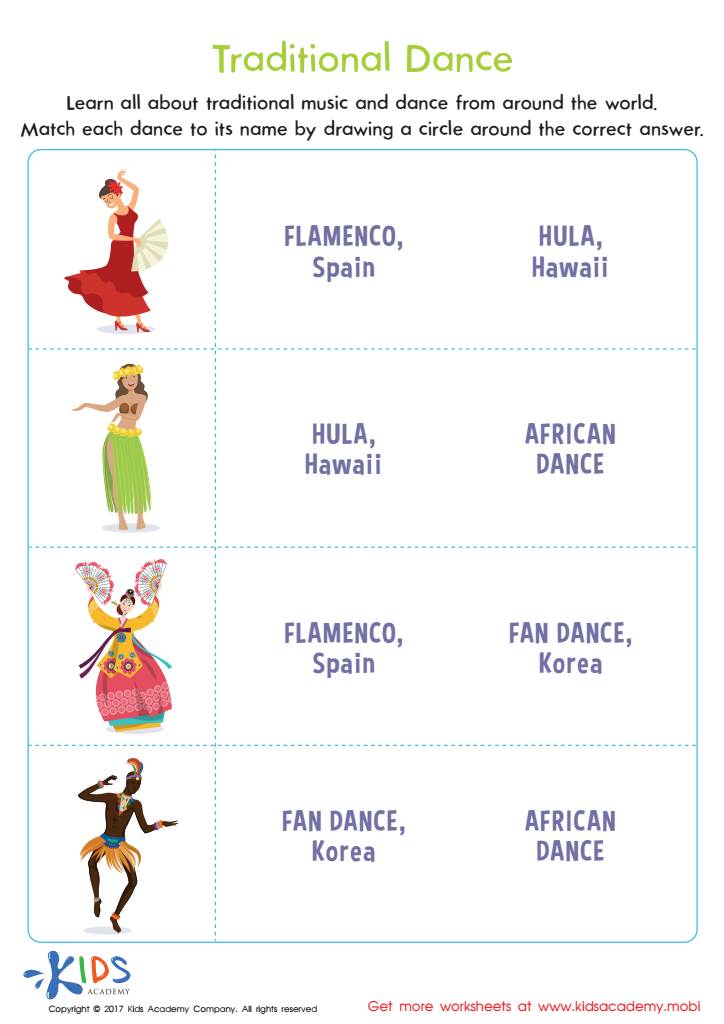
Traditional Dance Printable
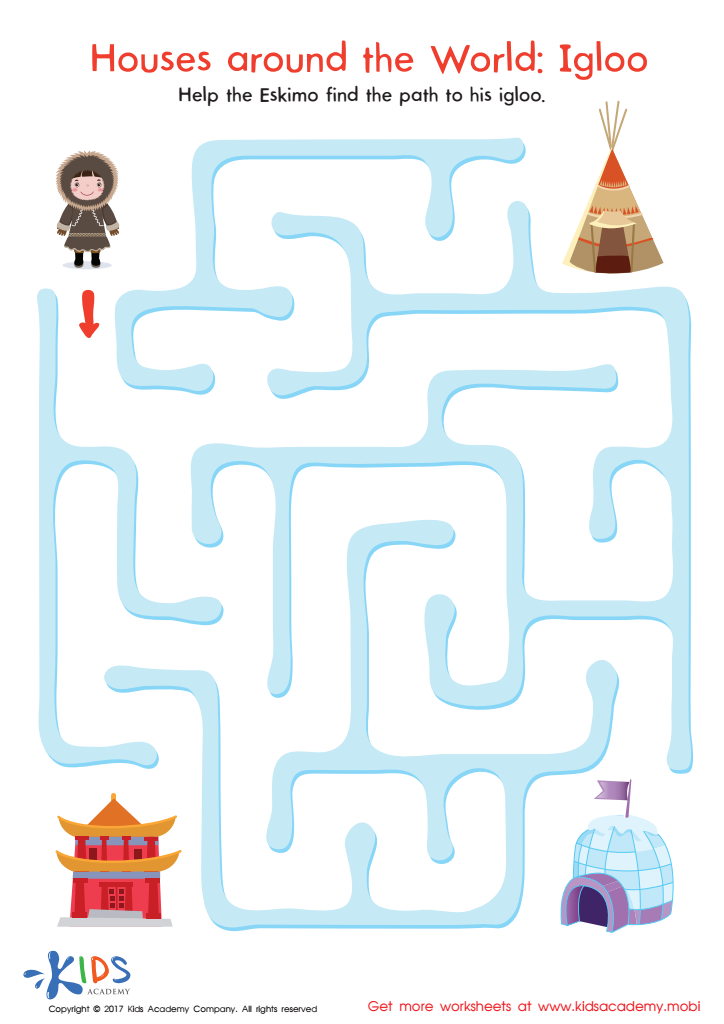
Houses Around the World: Igloo Printable



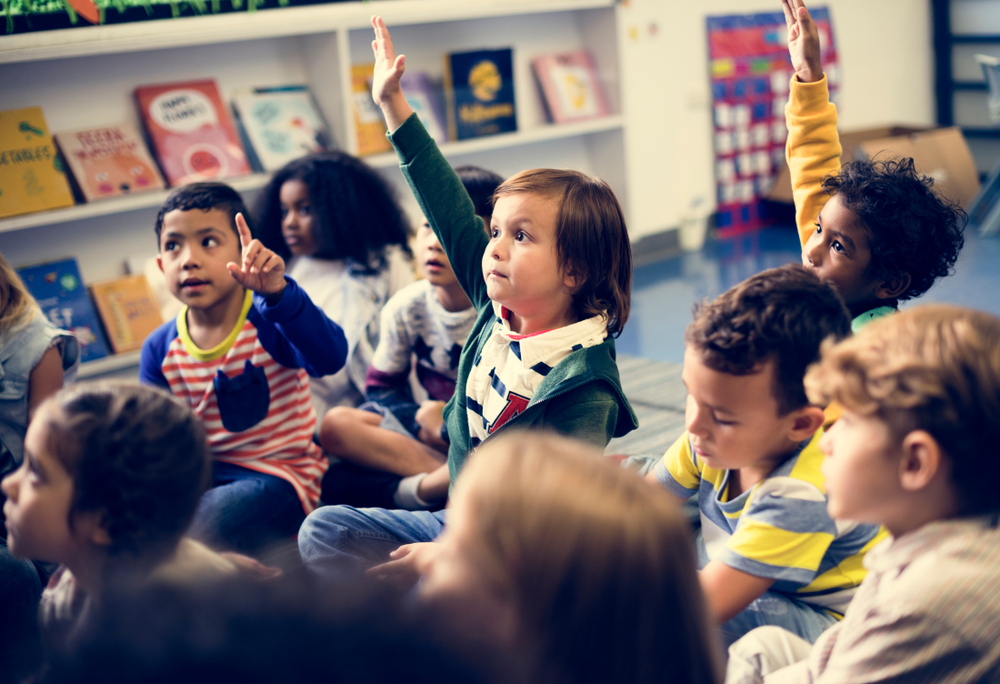



Cultural awareness is crucial for young children as they grow and learn how to navigate the world around them. At ages 6-8, children are developing their understanding of differences and similarities among people. When parents or teachers prioritize cultural awareness, they are fostering inclusivity and respect for diversity from an early age.
Understanding various cultures helps children appreciate different perspectives, customs, and traditions. This knowledge nurtures empathy, encouraging them to be open-minded and considerate towards others. Through cultural awareness, children learn to communicate better with peers from diverse backgrounds, reducing the likelihood of prejudice and promoting harmony.
Moreover, exposure to different cultures enriches a child’s learning experiences. It can ignite curiosity about the world, promoting a broader view that goes beyond their immediate environment. This broader perspective is beneficial in an increasingly interconnected world.
Cultural awareness also bolsters a child's self-esteem. When children see their culture being acknowledged and celebrated, they feel valued and affirmed. Recognizing and honoring diversity within the classroom or home setting sets the foundation for a strong, supportive community.
In summary, instilling cultural awareness in children ages 6-8 equips them with crucial social skills, broadens their understanding of the world, and contributes to a more inclusive, empathetic society. Parents and teachers play a vital role in this development.