Vowel Recognition Normal Grammar Worksheets for Ages 6-8
3 filtered results
-
From - To
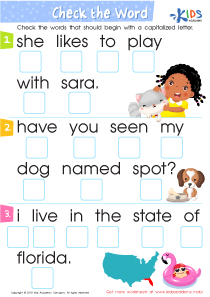
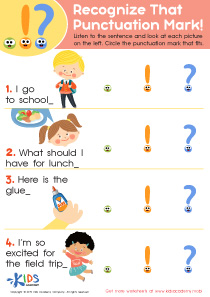
Enhance your child's language skills with our engaging Vowel Recognition Normal Grammar Worksheets designed specifically for ages 6-8. These interactive resources focus on helping young learners identify and use vowels effectively, a fundamental aspect of reading and writing. Each worksheet features fun activities that promote vowel awareness, including coloring, matching, and fill-in-the-blank exercises. By incorporating visual and hands-on approaches, children stay motivated while mastering essential grammar concepts. Ideal for classroom use or at-home learning, our worksheets provide a valuable tool for fostering literacy and confidence in young learners. Explore our printable options today and watch their skills flourish!
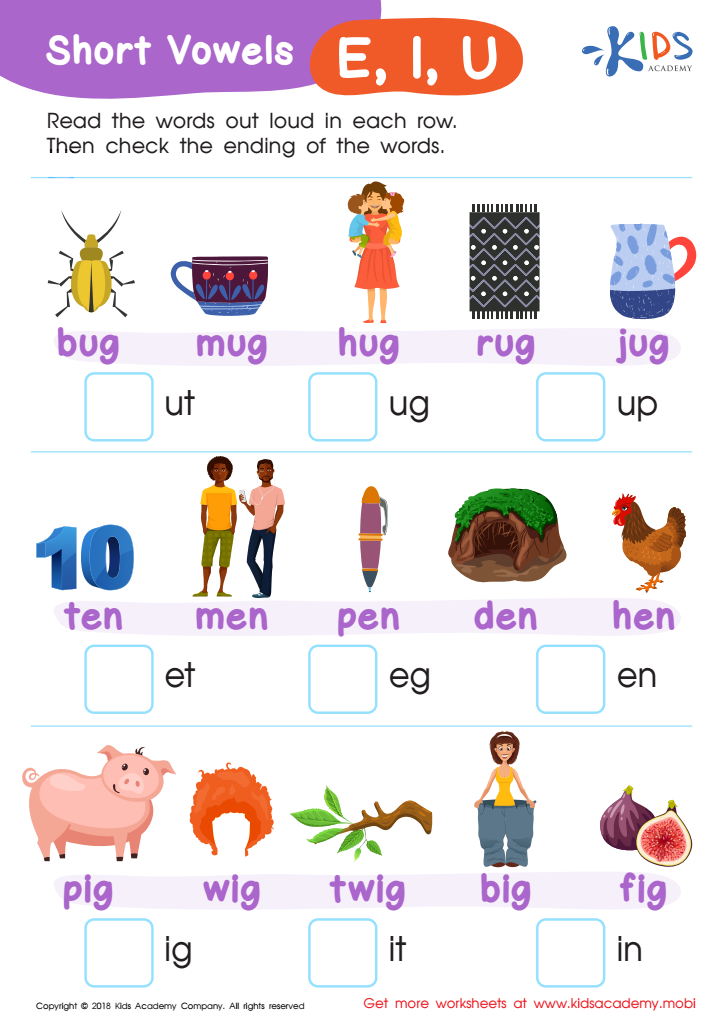
Short Vowels /e/, /i/, and /u/ Worksheet
 Assign to My Students
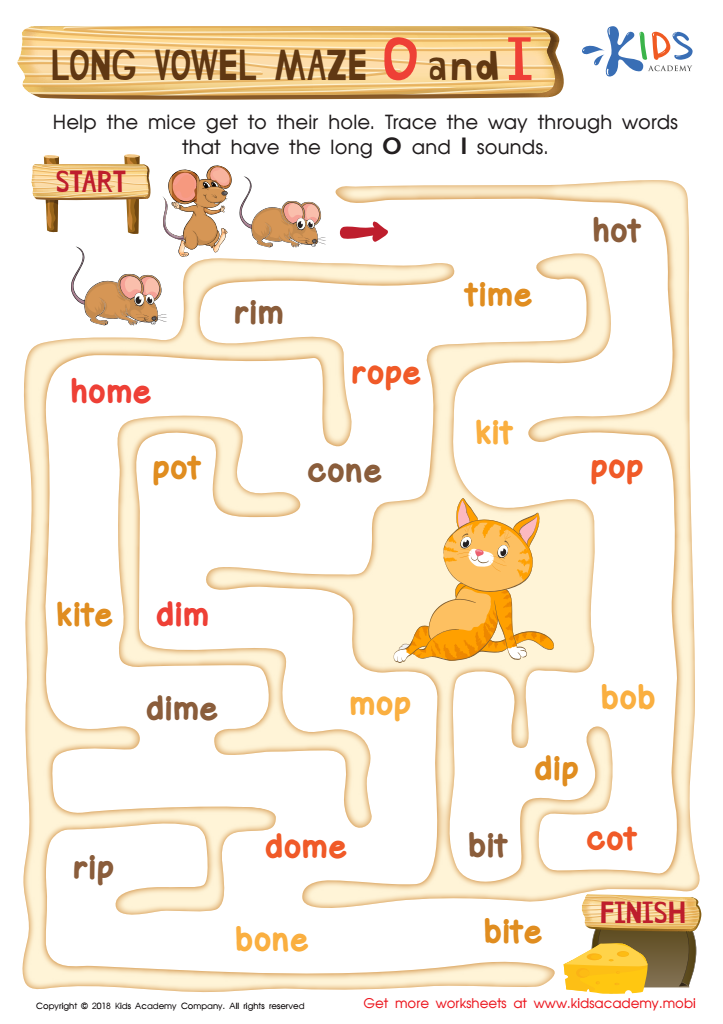
Long Vowel Maze /o/ and /i/ Worksheet
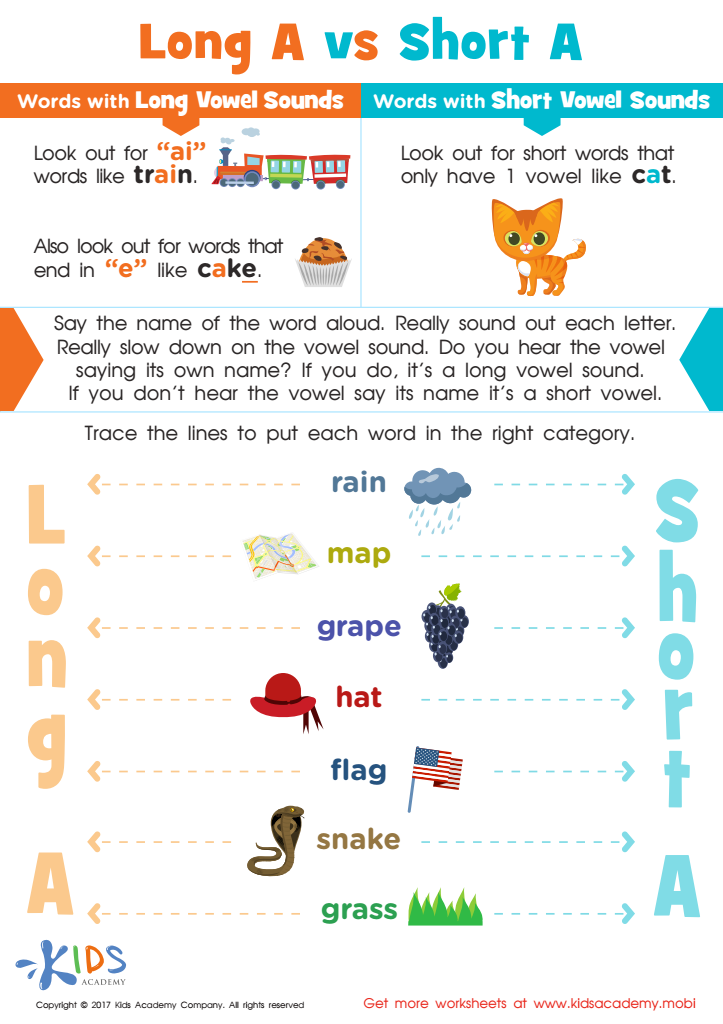
Long and Short Vowel A Spelling Worksheet


.jpg)




Vowel Recognition Normal Grammar (VRNG) is essential for children aged 6-8 as it lays the foundation for literacy development. At this age, children are honing their reading and writing skills, and understanding vowels is crucial. Vowels are the building blocks of words; without them, children struggle with reading fluency and comprehension.
Parents and teachers should prioritize VRNG because it directly affects vocabulary acquisition and spelling proficiency. When children recognize vowels and their sounds, they can decode unfamiliar words, enhancing their overall reading experience. Moreover, understanding how vowels function in different grammatical contexts empowers students to structure sentences correctly, improving their writing skills.
Additionally, mastering VRNG fosters confidence in young learners. As they become proficient in vowel recognition, they are more likely to engage with literature and express their thoughts through writing, promoting a positive attitude towards learning. This early attention to vowel mastery sets the stage for more complex language skills in the future.
Overall, VRNG is vital not just for academic success but also for building a love for language, which is a lifelong skill that empowers children intellectually and creatively. Parents and teachers, therefore, play a pivotal role in nurturing these essential skills during this formative stage.