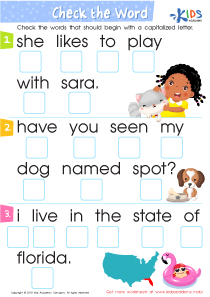
Cognitive Development Normal Writing Worksheets for Ages 6-8
6 filtered results
Difficulty Level
Grade
Age
-
From - To
Subject
Activity
Standards
Discover our engaging Cognitive Development Normal Writing Worksheets for ages 6-8! Designed to stimulate critical thinking and enhance writing skills, these worksheets provide fun and interactive activities tailored to young learners. Focused on developing cognitive abilities, each worksheet encourages creativity and logical reasoning through writing exercises that captivate students. Ideal for both classroom instruction and at-home practice, our resources support foundational literacy skills while fostering a love for writing. Parents and teachers can easily access and print these educational tools from our website, ensuring kids remain motivated and excited about their learning journey. Start nurturing their cognitive growth today!
Favorites
With answer key
Interactive
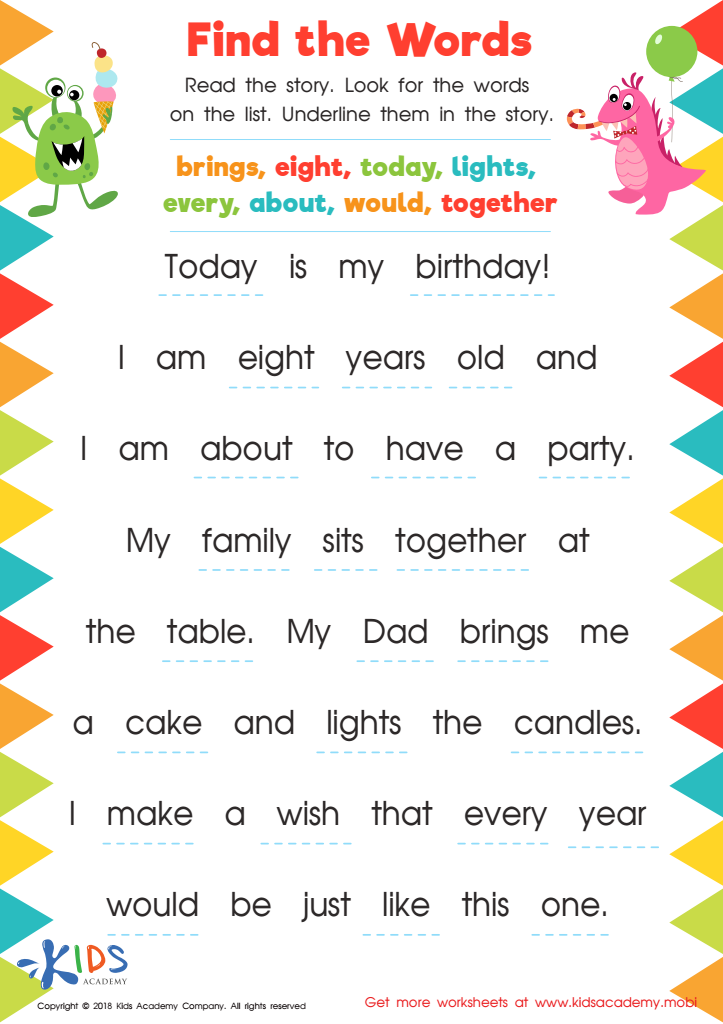
Find The Words Printable Worksheet
Hunt for words while reading this birthday story! This printable worksheet will help your child practice early reading skills as they search for words in the text. Enjoy the story and find the words!
 Assign to My Students
Find The Words Printable Worksheet
Worksheet
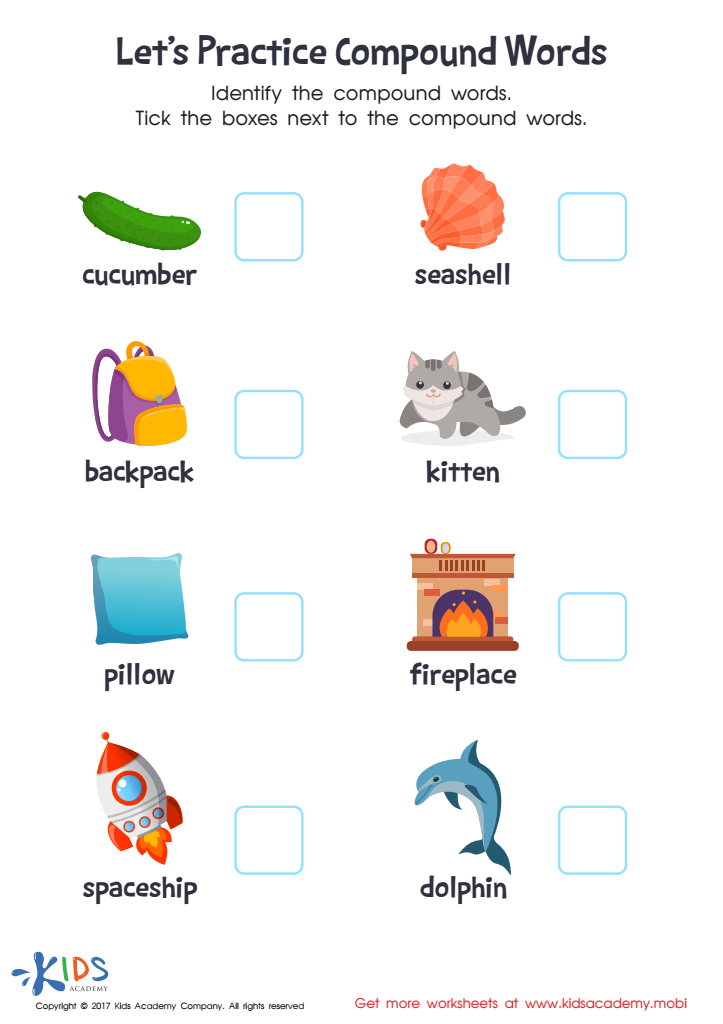
Let's Practice Compound Words Word Structure Worksheet
Test their knowledge of compound words with this fun worksheet and help them build their vocabulary. Have them say the words out loud as they work!
Let's Practice Compound Words Word Structure Worksheet
Worksheet
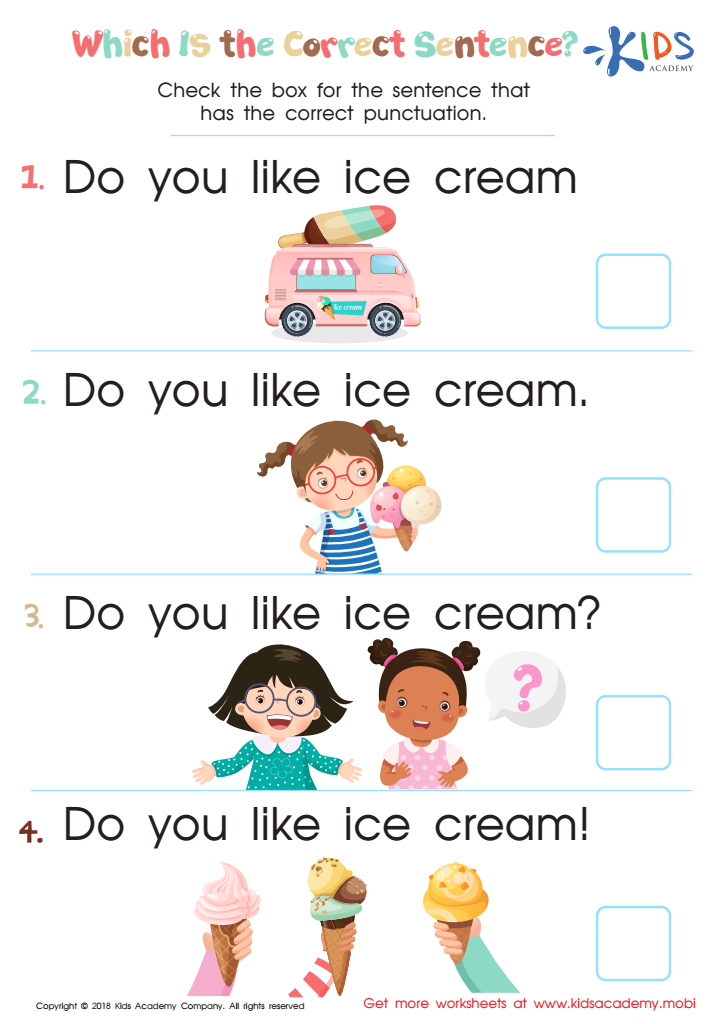
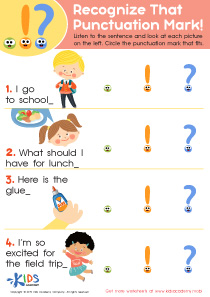
Which is the Correct Sentence? Worksheet
Punctuation is crucial in sentence formation. If your kid still doesn't grasp it, bigger hurdles await when writing sentences. Get them to read simple sentences, then ask if they know the right punctuation. Assist them in selecting the sentence that has the accurate punctuation.
Which is the Correct Sentence? Worksheet
Worksheet
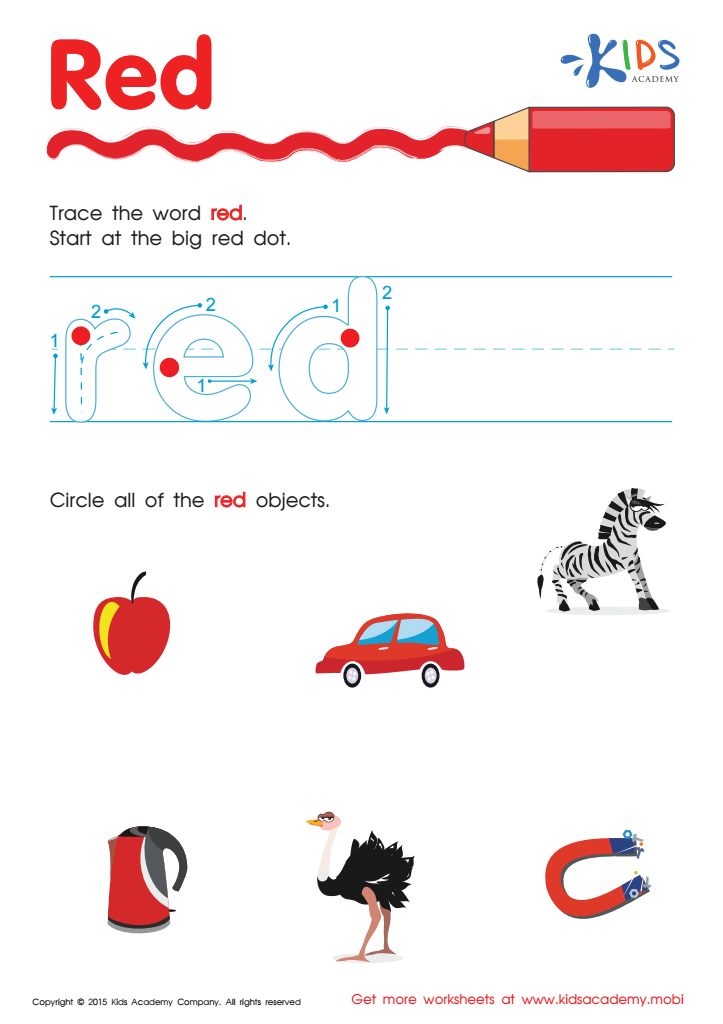
Red Tracing Color Words Printable
Trace red letter by letter, following the arrows and circling all the red objects. Look around your room and find something red. Have fun and become a handwriting master with this worksheet!
Red Tracing Color Words Printable
Worksheet
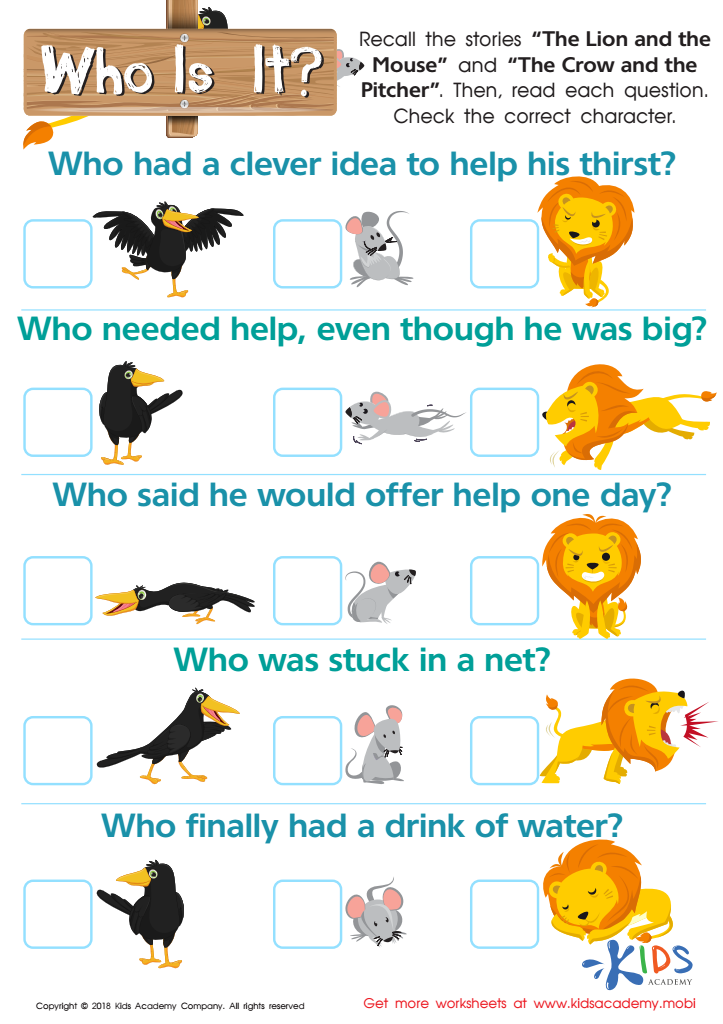
Who Is It? Worksheet
This worksheet helps students recall details from The Crow and the Pitcher and The Lion and the Mouse stories. Students will answer questions about the characters' actions. Use it to assess their understanding of both stories, as this is a key comprehension skill.
Who Is It? Worksheet
Worksheet
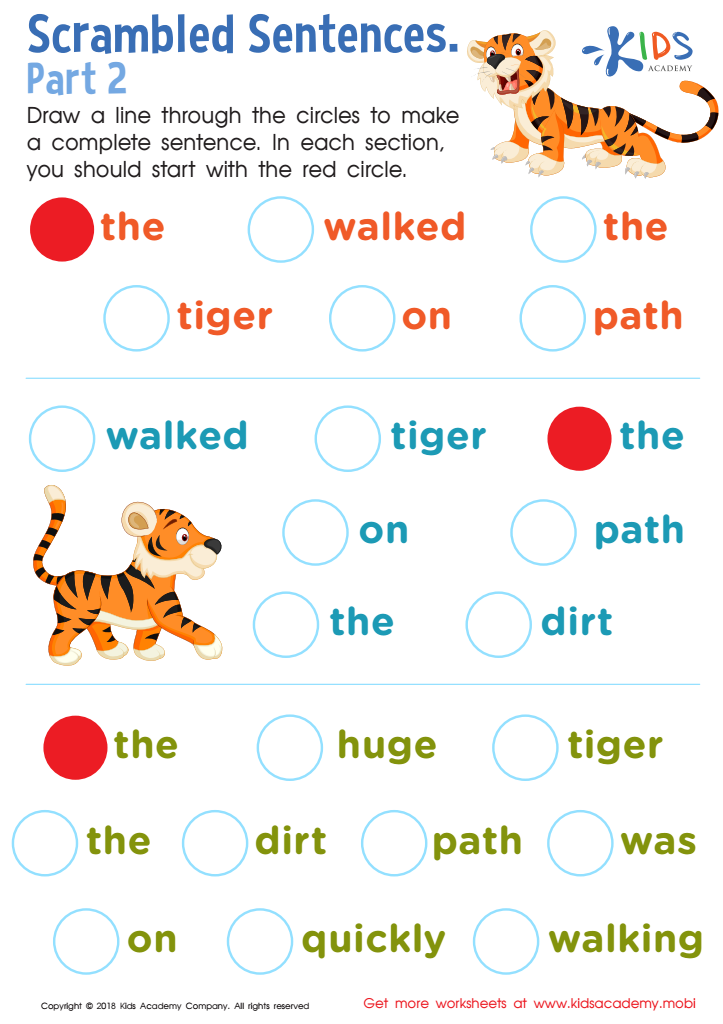
Scrambled Sentences Part 2 Worksheet
This printable worksheet helps kids construct simple, correct sentences. Introduce them to making sentences if they're new to it. Have them draw a line through the circles to form a sentence, starting with the red circle. After completing this exercise, they'll be able to craft short sentences with confidence.
Scrambled Sentences Part 2 Worksheet
Worksheet
Join Kids Academy for Free
Who is primarily going to use this learning content?







Cognitive development in children ages 6-8 is crucial as it sets the foundation for their future learning and skill acquisition. During this stage, children's brains are rapidly growing and changing, enabling them to engage in more complex thinking processes. Understanding cognitive development helps parents and teachers identify age-appropriate learning activities that stimulate critical thinking, problem-solving, and decision-making skills.
By fostering cognitive development, adults can support children's ability to comprehend narratives, follow instructions, and organize their thoughts coherently in writing. Writing becomes not only a means of communication but also a tool for self-expression and creativity. Parents and teachers who prioritize this aspect of development can enrich children’s vocabularies and strengthen their overall literacy skills.
Moreover, supporting cognitive development promotes better classroom behavior and social interactions, as children learn to cooperate, share ideas, and resolve conflicts. As children work on cognitive tasks, they build persistence and resilience, essential qualities for lifelong learning. Therefore, recognizing and nurturing cognitive growth in ages 6-8 lays the groundwork for academic success, personal growth, and social development, making it a high priority for parents and educators alike.