Vocabulary development Normal Writing Worksheets for Ages 6-8
7 filtered results
-
From - To
Boost your child's vocabulary with our comprehensive Writing Worksheets for Ages 6-8. Designed to enhance vocabulary development, these engaging activities help young learners expand their word knowledge through fun and interactive exercises. Tailored for children aged 6 to 8, our worksheets combine age-appropriate content with captivating themes, fostering both linguistic skills and a love for learning. Whether through matching, sentence completion, or word-building tasks, these resources aim to make vocabulary learning enjoyable and effective. Perfect for home or classroom use, our worksheets will help your child master new words and improve their communication skills. Explore our collection today!
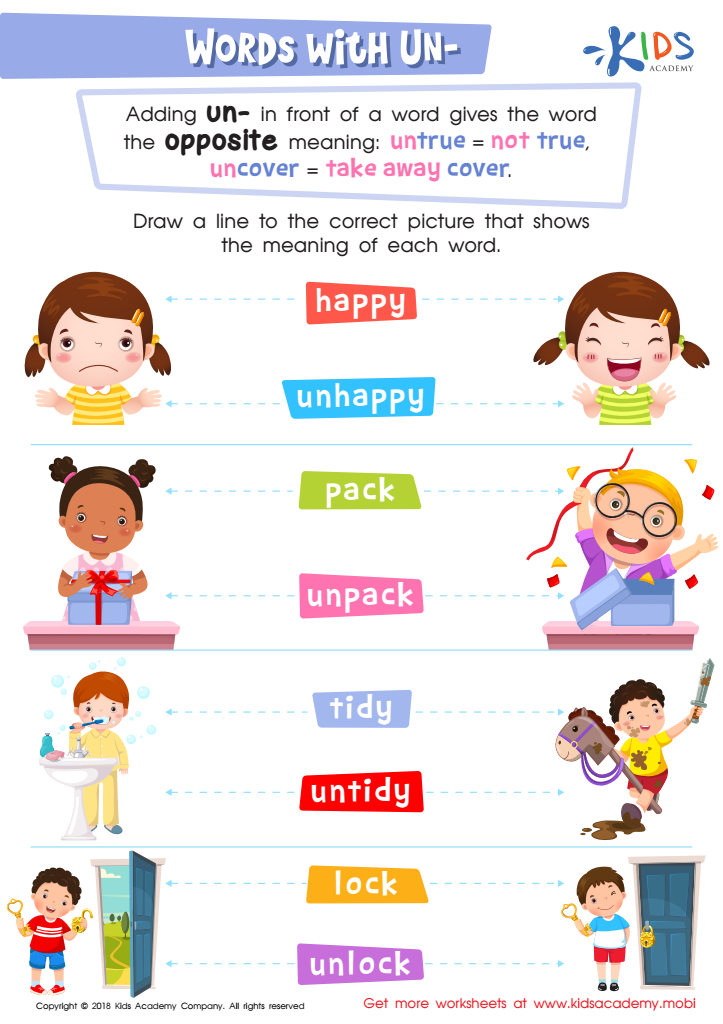
Words with Un– Worksheet
 Assign to My Students
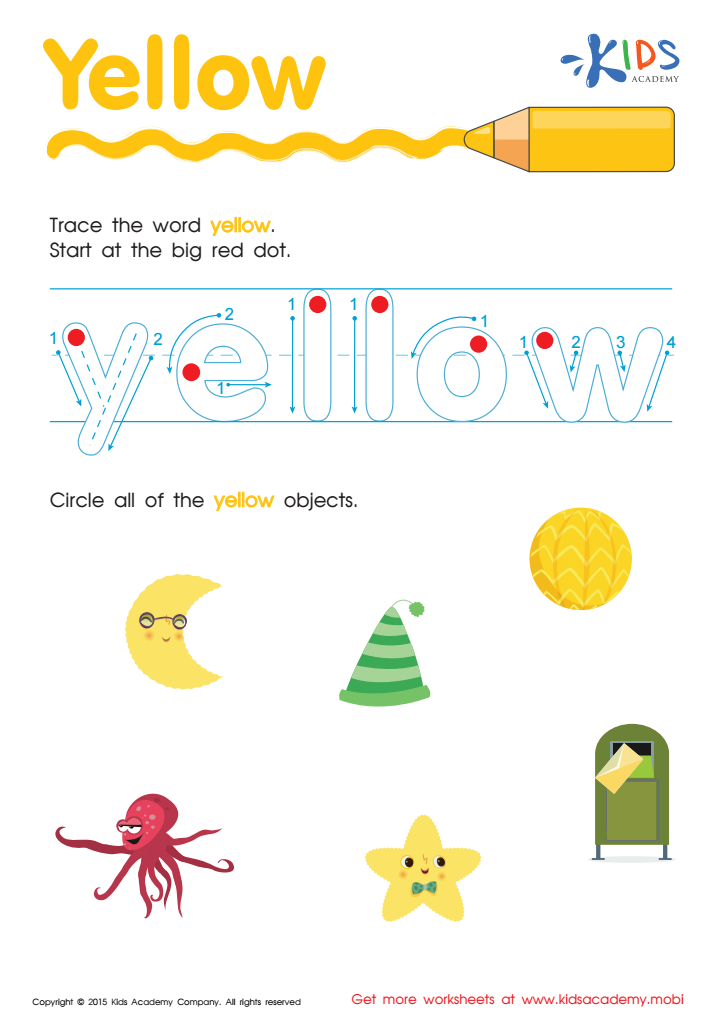
Yellow Tracing Color Words Worksheet
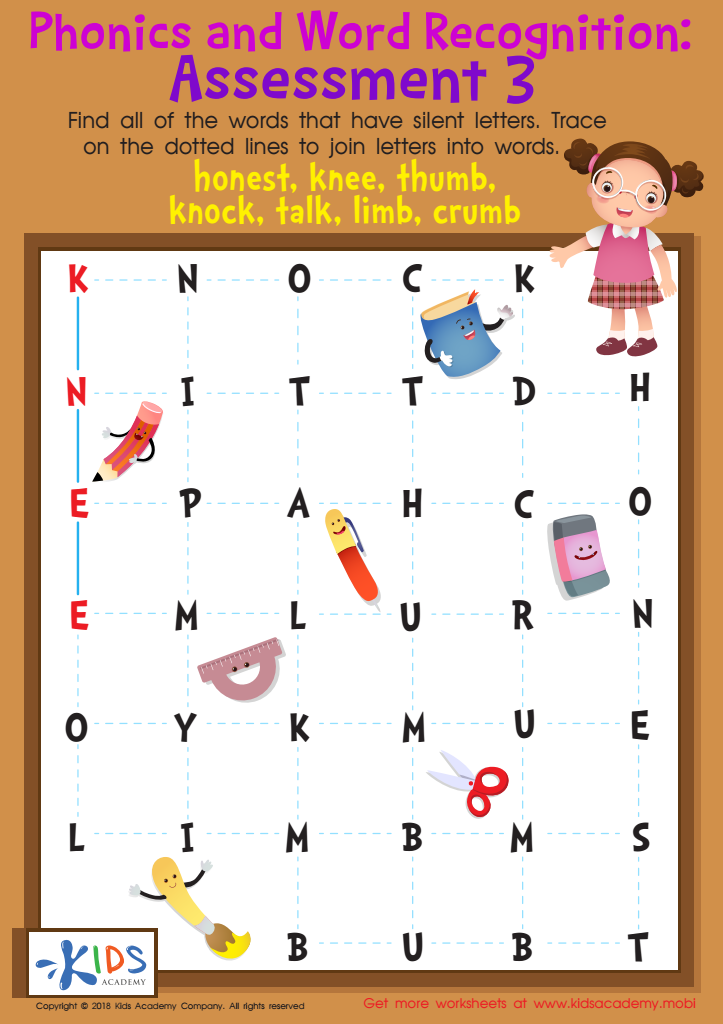
Phonics and Word Recognition: Assessment 3 Worksheet
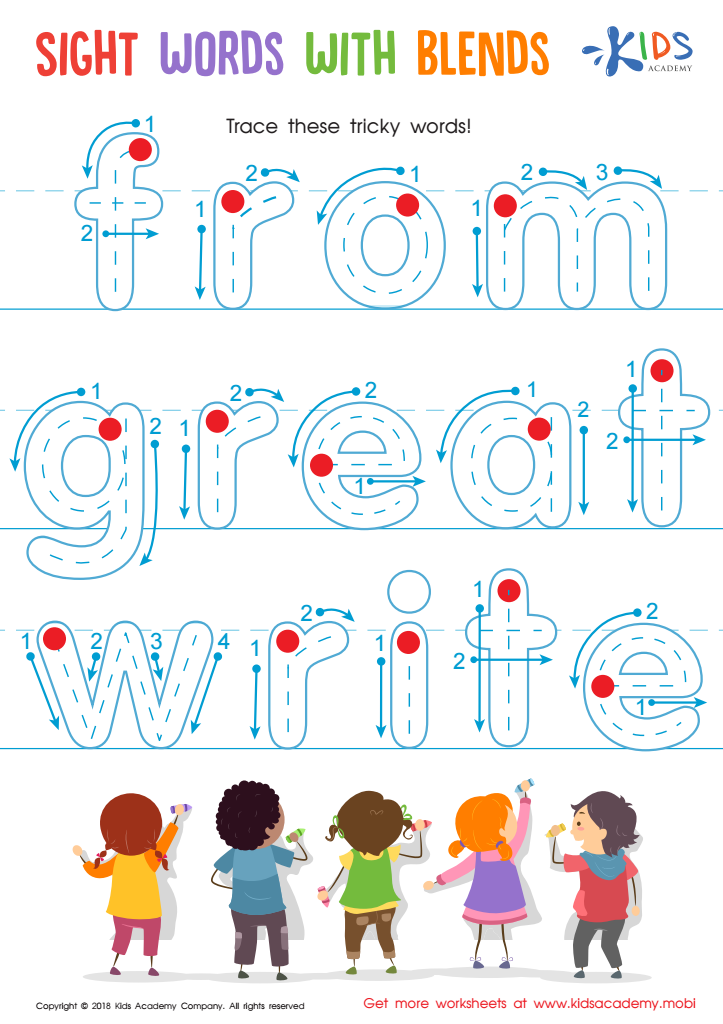
Sight Words with Blends Worksheet
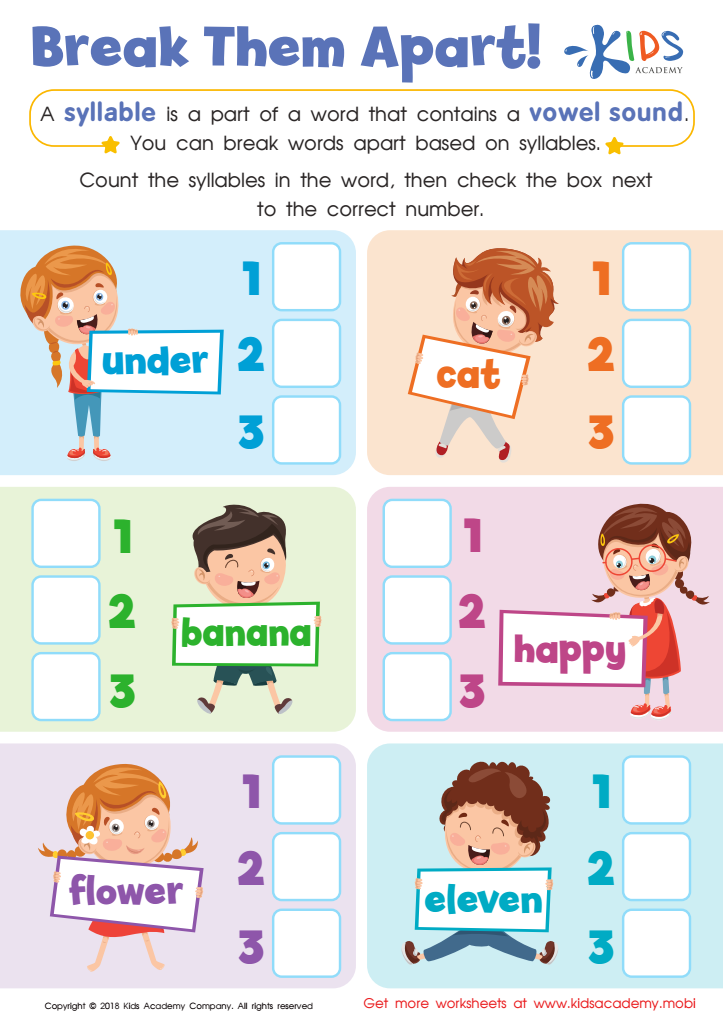
Reading: Break Them Apart Worksheet
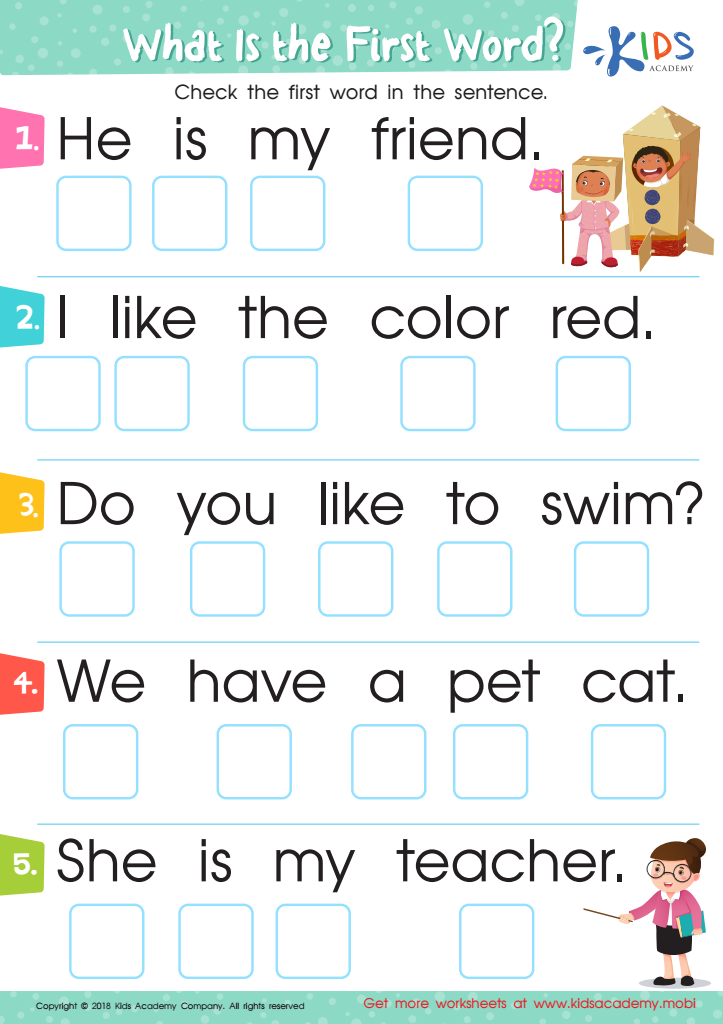
What is the First Word? Worksheet
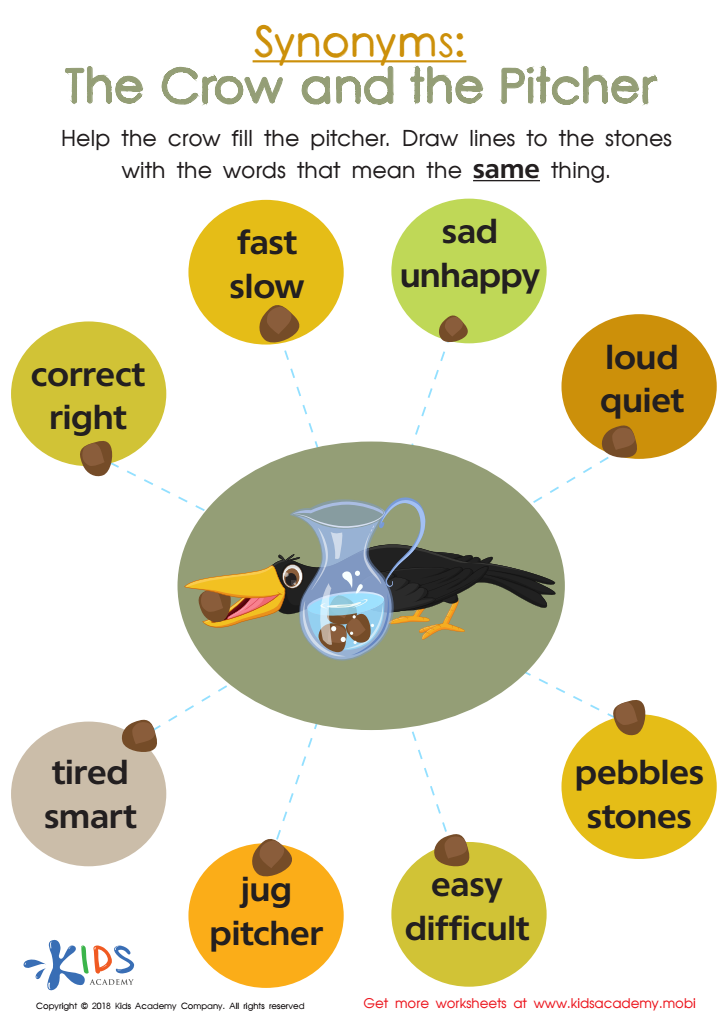
The Crow and the Pitcher Synonyms Worksheet








Vocabulary development is crucial for children ages 6-8 as it lays the foundation for literacy and academic success. At this age, children are transitioning from learning to read to reading to learn. A robust vocabulary allows them to understand and engage with the material more deeply. When children can understand the words they are encountering in their reading, they are more likely to comprehend the overall message, making learning more effective and enjoyable.
Strong vocabulary skills also enhance communication. With a broader word bank, children can express themselves more accurately and creatively. This proficiency aids in social interactions, contributing to better relationships with peers and adults. Furthermore, a well-developed vocabulary supports writing skills, allowing children to convey their thoughts clearly and effectively.
Early vocabulary development can also predict future academic achievements. Research shows that children with smaller vocabularies at a young age often struggle with reading comprehension and other core subjects later on. Therefore, the focus on vocabulary from an early age can set children on a path to better grades and greater academic confidence.
By paying attention to vocabulary development, parents and teachers help children build a strong linguistic foundation, setting the stage for lifelong learning and communication skills. This investment in vocabulary is, in essence, an investment in the child’s overall academic and personal growth.