Motor skills development Normal ABC Letters Worksheets for Ages 6-9
3 filtered results
-
From - To
Unlock your child's potential with our engaging "Motor Skills Development Normal ABC Letters Worksheets" designed for ages 6-9. These worksheets focus on enhancing fine motor skills through interactive activities that combine playful learning with essential alphabet recognition. Kids will enjoy tracing, coloring, and identifying letters as they develop coordination and dexterity in a fun, educational environment. Our thoughtfully crafted exercises take into account the developmental milestones for this age group, ensuring each activity supports their growth. Perfect for homeschooling or supplemental learning, these worksheets are an excellent resource to build confidence in writing and literacy skills. Explore our collection today!

Letter H Tracing Page










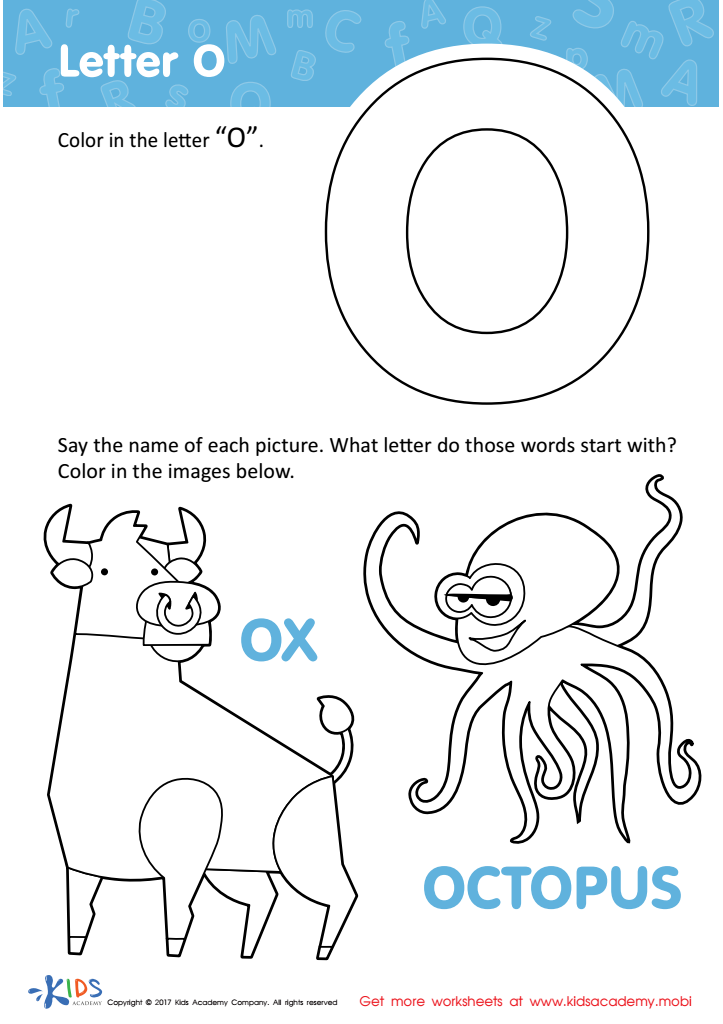
Letter O Coloring Sheet
 Assign to My Students

Letter B Tracing Page







Motor skill development in children aged 6-9 is crucial for several reasons. First, mastering fine motor skills, which include activities like writing, drawing, and manipulating objects, impacts a child's ability to perform everyday tasks effectively. When children develop proficiency in these skills, they build confidence and foster a sense of independence.
Furthermore, the ability to write letters legibly and consistently is fundamental to academic success. Proper formation of letters lays the groundwork for more advanced literacy skills, directly influencing a child's reading and writing fluency. A solid grasp of normal ABC letters enables students to express their ideas clearly and enhances their participation in classroom activities.
Parents and teachers should also recognize that motor skill development influences social interactions. Activities involving motor skills often encourage teamwork and collaboration, promoting vital social-emotional growth. Through play and structured activities, children learn turn-taking, sharing, and communication.
Finally, motor skill development is linked to overall cognitive functioning. As children practice these skills, they are also improving their focus, attention, and problem-solving abilities. Therefore, investing attention and resources in motor skill development during these formative years positively affects children's academic, social, and emotional well-being, nurturing well-rounded individuals.







