Alphabet sequencing Normal Alphabet Worksheets for Ages 6-9
4 filtered results
-
From - To
Discover our engaging "Alphabet Sequencing Normal Alphabet Worksheets" designed for children ages 6-9! These worksheets provide a fun and interactive way for young learners to master the order of the alphabet. Each worksheet includes a variety of activities, such as spotting the missing letters, filling in the correct sequences, and matching letters with pictures. Our resources help reinforce letter recognition and improve critical thinking skills, all while ensuring your child remains entertained. Perfect for homeschooling, classroom settings, or supplementary practice, these worksheets offer a comprehensive approach to foundational literacy skills. Encourage your child's love for learning with our alphabet sequencers today!
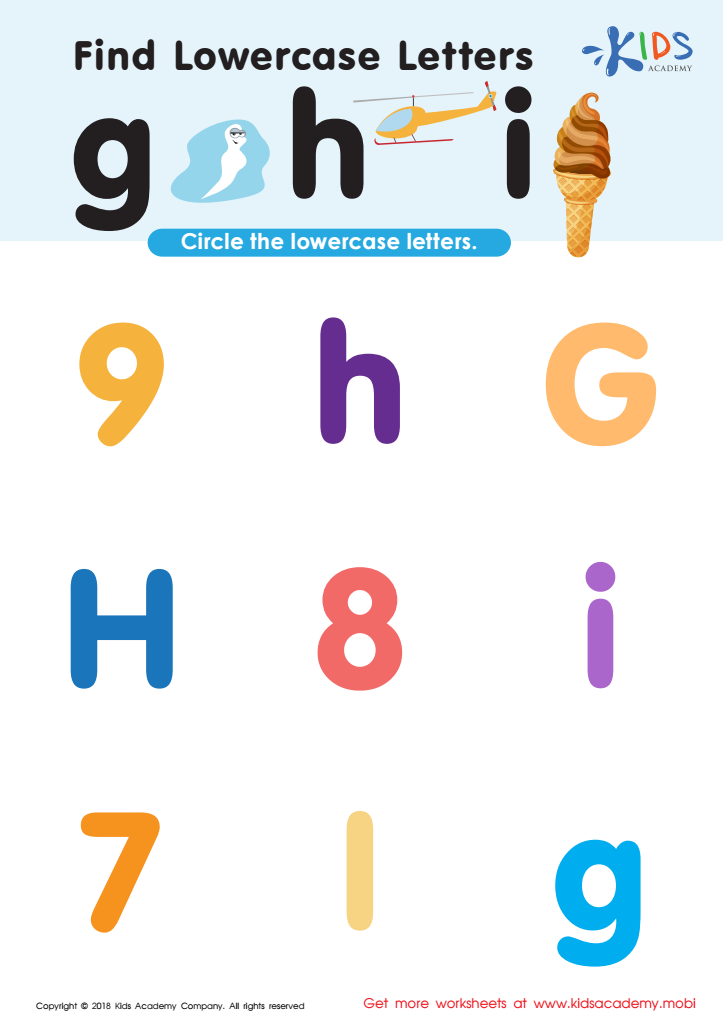
Find Lowercase Letters g h i Worksheet
 Assign to My Students
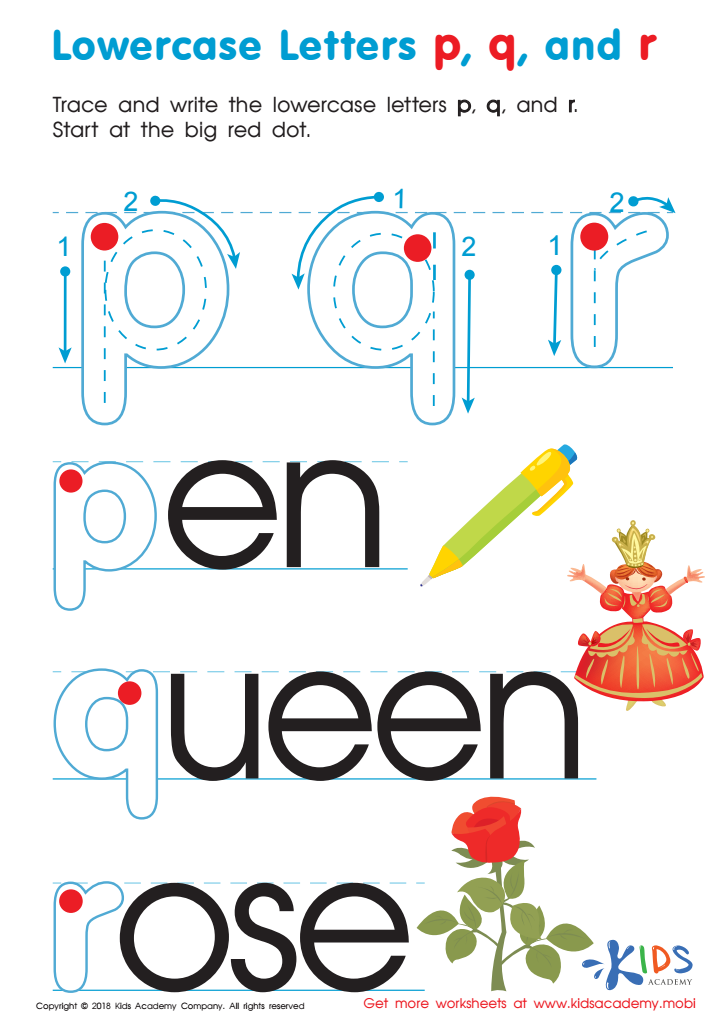
Lowercase Letters p q r Worksheet
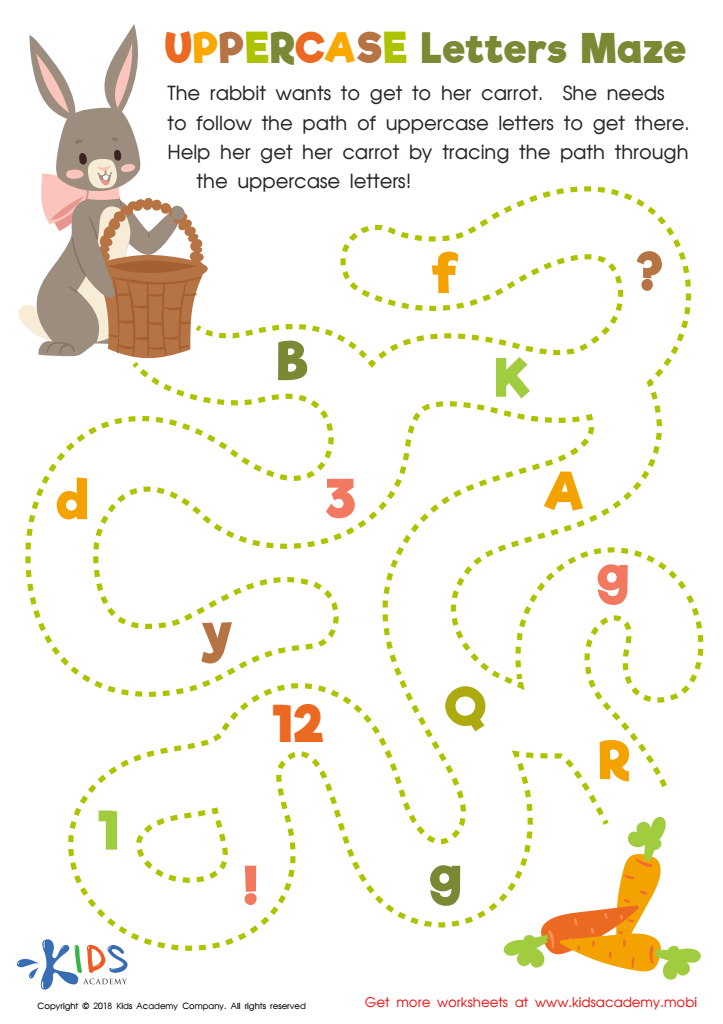
Uppercase Letters Maze Worksheet
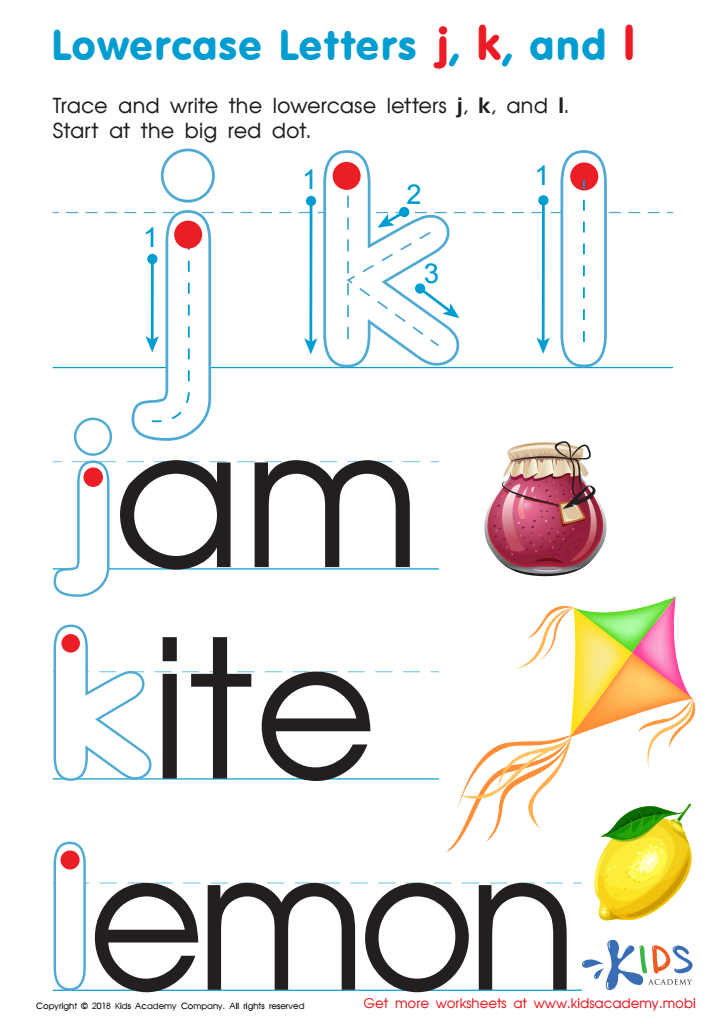
Lowercase Letters j k l Worksheet








Alphabet sequencing is crucial for children aged 6-9 as it lays the foundation for their literacy development. During these formative years, mastering the normal alphabet sequence enables young learners to recognize letters, understand their order, and develop essential reading and writing skills.
Understanding letter order facilitates phonemic awareness, allowing children to decode words effectively. By knowing the sequence, they can break words into sounds, blend them together, and improve their spelling and writing abilities. This foundational skill also supports their comprehension of more complex subjects later on, as literacy is pivotal in almost all areas of learning.
Moreover, familiarity with the alphabetical order aids in accessing information in everyday tasks. For example, children responsibly organize their reading materials or names in the classroom, fostering not only academic skills but also vital life skills, such as categorization and organization.
As parents and teachers instill this understanding, they foster confidence in children's abilities to navigate written language. This appreciation for the alphabet's structure enhances their educational journey, cultivating a love for learning and a strong desire for further exploration in reading and writing. In summary, emphasizing alphabet sequencing is essential for comprehensive literacy development in young learners.







