
Number Recognition Normal Alphabet Worksheets for Ages 6-9
3 filtered results
Difficulty Level
Grade
Age
-
From - To
Subject
Activity
Standards
Explore our Number Recognition Normal Alphabet Worksheets specially designed for children aged 6 to 9! These engaging worksheets combine number recognition and letter learning, helping young learners build essential math and literacy skills simultaneously. Each worksheet features vibrant illustrations and fun activities that encourage kids to identify numbers, match them with corresponding letters, and enhance their understanding of both concepts. Perfect for classrooms or home use, these resources promote interactive learning and foster a love for education. Give your child the tools they need to thrive in early math while learning the alphabet! Download our worksheets today and watch their confidence grow!
Favorites
With answer key
Interactive
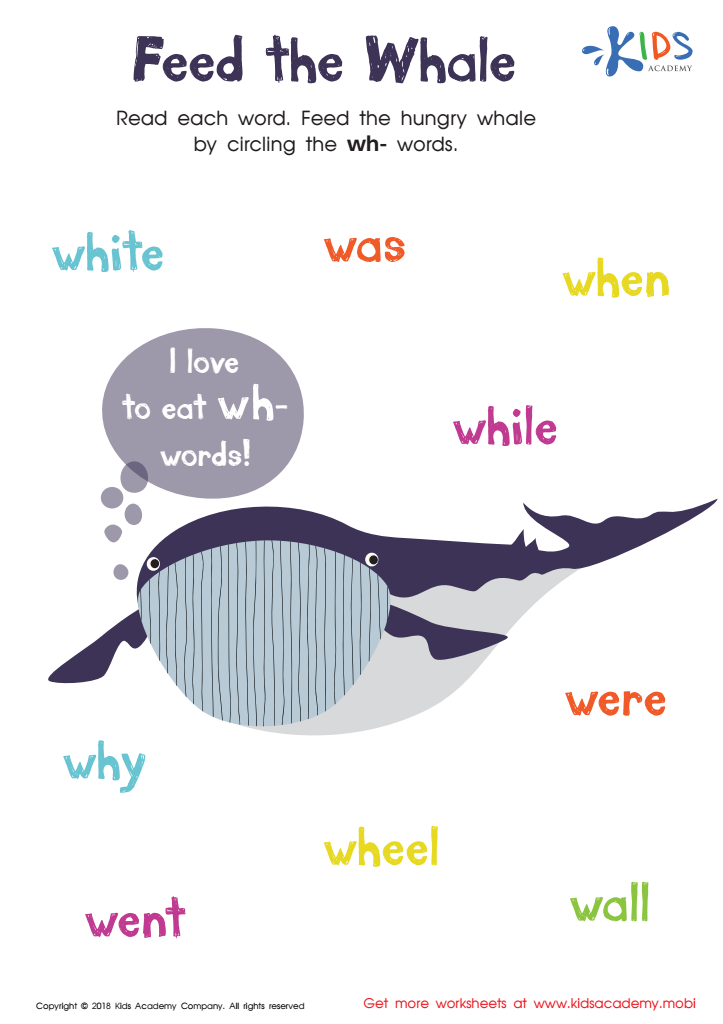
Feed the Whale Worksheet
Help your early reader build beginning consonant and blend recognition with this fun whale worksheet! They'll feed the whale wh- words, circle sight words, and build fine motor skills—all while discriminating between differently colored words.
 Assign to My Students
Feed the Whale Worksheet
Worksheet
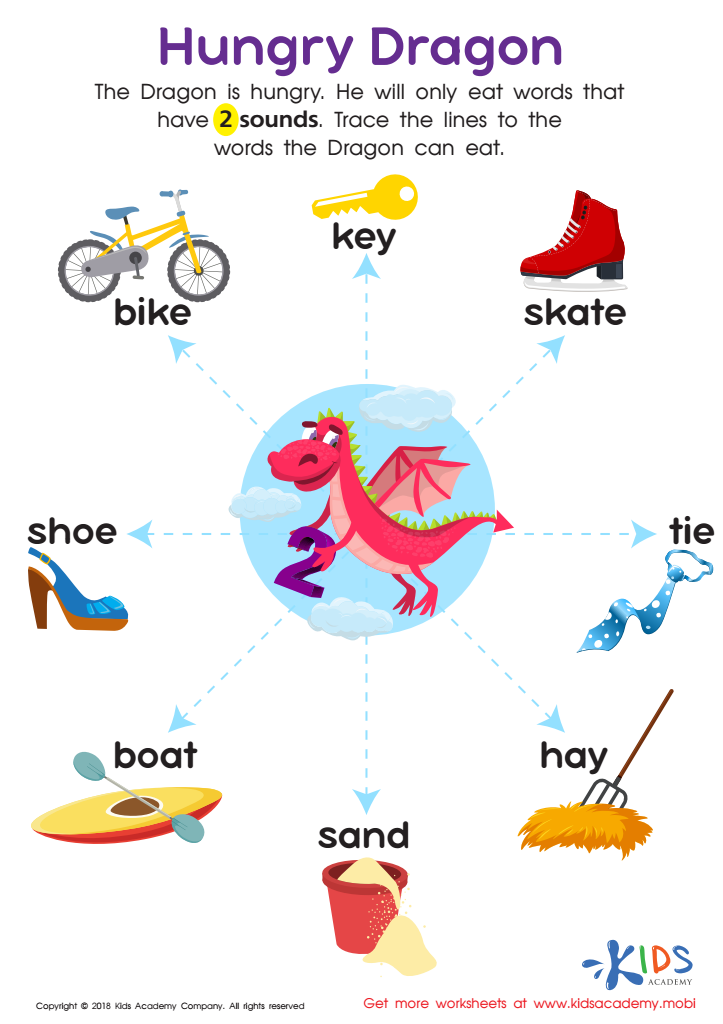
Hungry Dragon Worksheet
Feed the dragon words and watch your child strengthen their phonological awareness and auditory discrimination skills! Download this free PDF for tracing exercises that build their fine motor skills too. Kids will love spending time with the cute dragon while they unwittingly learn reading skills!
Hungry Dragon Worksheet
Worksheet
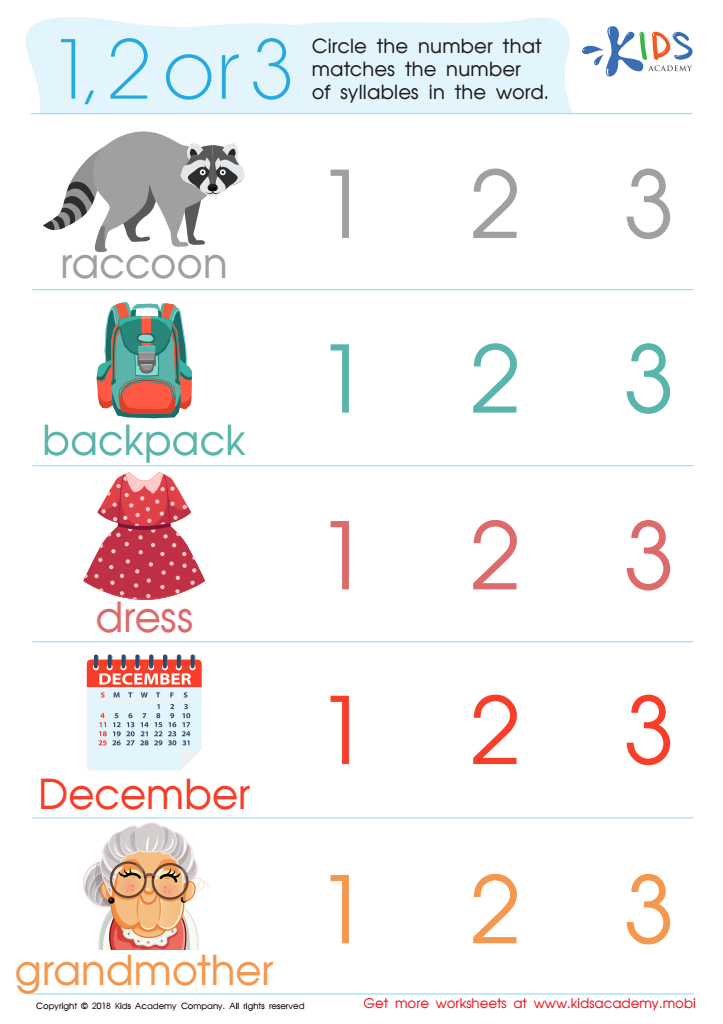
1, 2 or 3? Worksheet
Do your kids know about syllables? Test their understanding with this worksheet. Read the words aloud and ask them to say them with you. Help them circle the number that matches the number of syllables in each word. Perfect for expanding knowledge or testing how much they've already learned.
1, 2 or 3? Worksheet
Worksheet
Join Kids Academy for Free
Who is primarily going to use this learning content?







Number recognition and understanding the normal alphabet are fundamental skills for children aged 6-9, laying the groundwork for their academic journey. As children engage with numbers and letters, they enhance their cognitive development, which is crucial at this stage. Recognizing numbers fosters basic math skills, essential for tasks like counting, addition, and understanding patterns. This foundation is vital for later instruction in mathematics, equipping children to tackle more complex concepts as they progress in school.
The alphabet is equally important; recognizing letters aids in reading and writing proficiency. As children become familiar with the letters and their sounds, they build the phonemic awareness necessary for successful literacy development. This age group is particularly receptive to learning through games and activities, increasing the likelihood of engagement and retention.
Moreover, anxiety or reluctance towards numbers and letters can impact a child’s confidence and self-esteem, affecting their overall attitude towards learning. Therefore, parents and teachers play a vital role in creating an encouraging environment where children feel supported in mastering these skills. By emphasizing number recognition and alphabet familiarity, adults can significantly enhance children’s educational experiences, setting them up for future academic success and a lifelong love of learning.







