Fine Motor Skills Normal Letter E Worksheets for Ages 6-9
3 filtered results
-
From - To
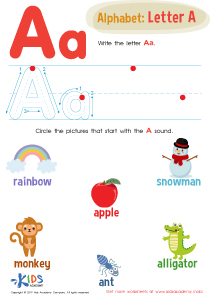
Enhance your child's fine motor skills with our engaging Normal Letter E Worksheets designed specifically for ages 6-9. These worksheets provide a fun and interactive way for children to practice writing the letter E, while also improving hand-eye coordination and dexterity. Featuring various activities such as tracing, coloring, and cutting, our worksheets support early literacy development in a playful manner. With clear instructions and a visually appealing layout, children will enjoy mastering the letter E, paving the way for confident writing and reading skills. Explore our collection and help your child build a solid foundation for their educational journey!
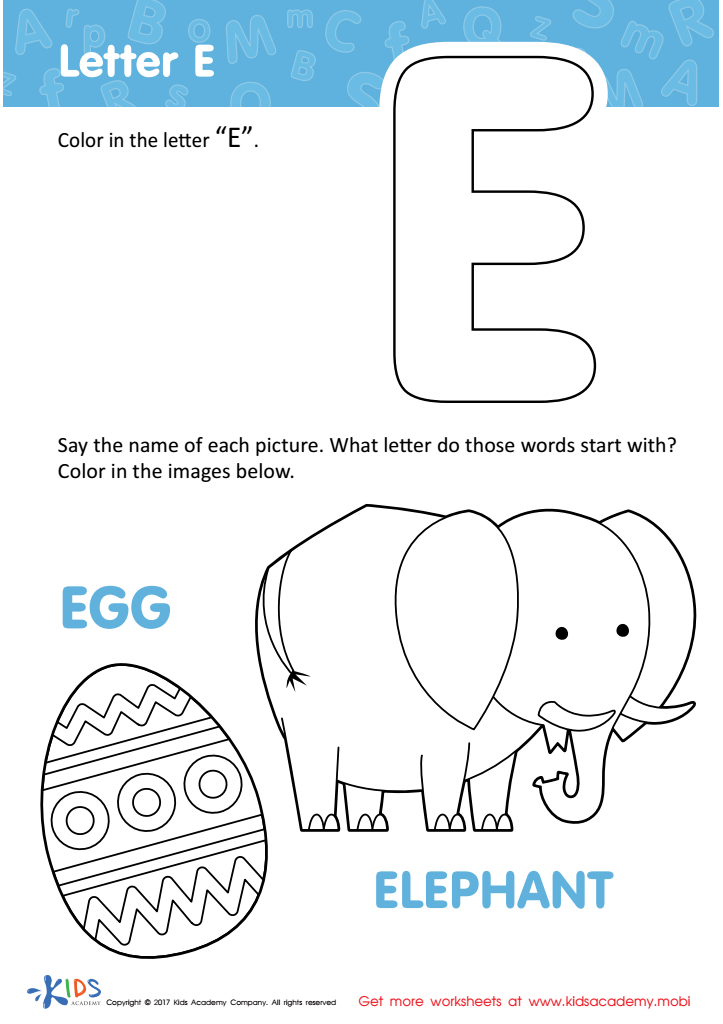
Letter E Coloring Sheet
 Assign to My Students
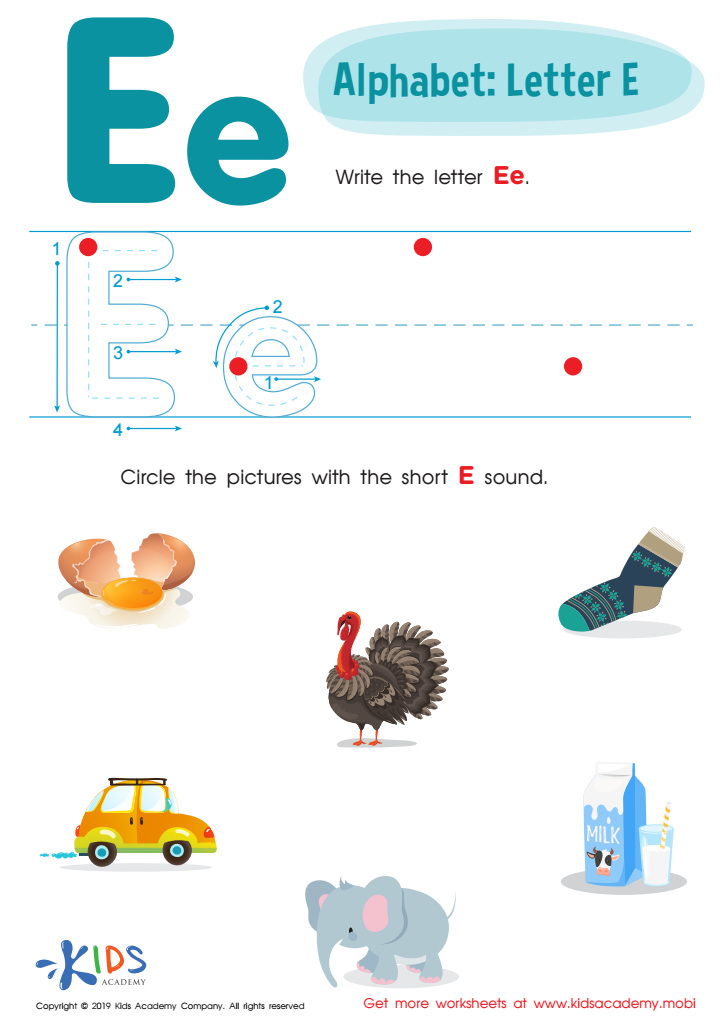
Letter E Tracing Worksheet
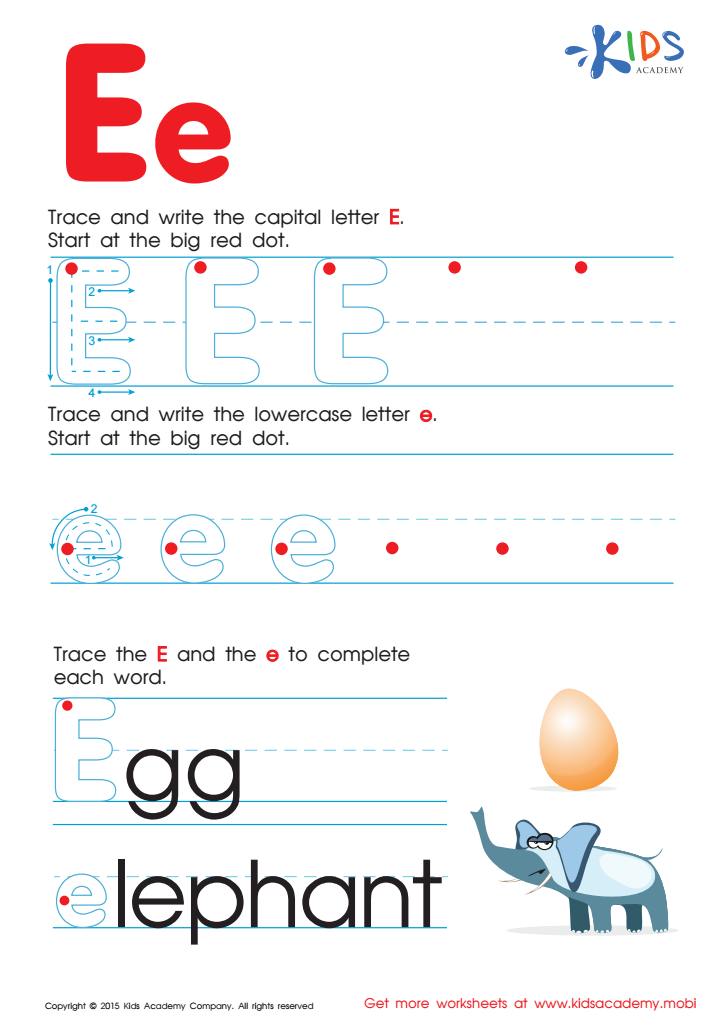
Letter E Tracing Page







Fine motor skills are crucial for children aged 6-9, as they significantly influence their academic success and everyday tasks. One important aspect of this development is the formation of letters, including the letter "E." Mastering the correct formation of "E" helps children refine their writing technique and enhances their ability to express thoughts clearly on paper. This foundational skill supports their literacy development, making reading and comprehension easier as they progress in school.
Moreover, fine motor skills play a vital role in various activities beyond writing, such as tying shoelaces, buttoning clothing, and using scissors. These everyday tasks promote independence and confidence in children, thereby augmenting their social skills and self-esteem.
When parents and teachers emphasize fine motor activities, like practicing the letter "E," they foster concentration, hand-eye coordination, and dexterity—all essential not only for writing but for overall cognitive development. Incorporating engaging, playful activities in everyday learning can make practicing these skills enjoyable. Ultimately, attention to fine motor skills lays the groundwork for academic performance and daily living skills, allowing children to thrive in and out of the classroom.