Vocabulary enhancement Normal Letter Recognition Worksheets for Ages 6-9
3 filtered results
-
From - To
Boost your child's literacy skills with our Vocabulary Enhancement Normal Letter Recognition Worksheets designed for ages 6-9. These engaging and interactive worksheets encourage young learners to explore letters and their corresponding sounds through diverse activities that reinforce vocabulary development. By matching, tracing, and identifying letters, children enhance their comprehension while strengthening their confidence in reading and writing. Each worksheet is tailored to meet developmental milestones, ensuring that kids not only recognize letters but also associate them with words and meanings. Perfect for teachers and parents alike, our resources make learning exciting and effective! Discover the joy of learning with our thoughtfully crafted worksheets.
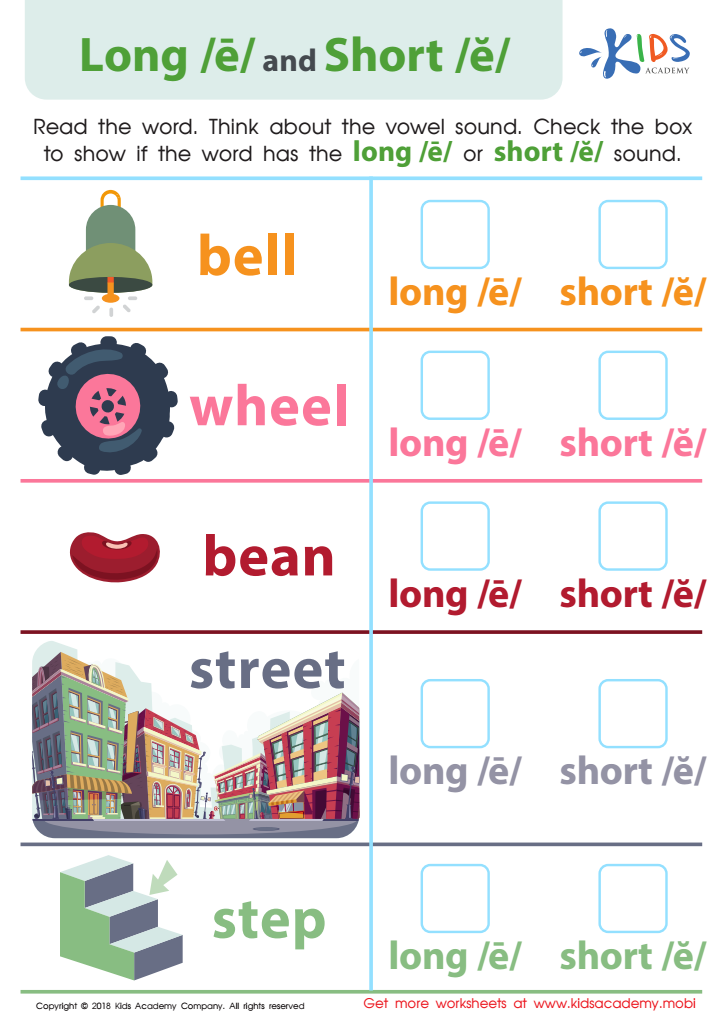
Reading: Long E and Short E Worksheet
 Assign to My Students
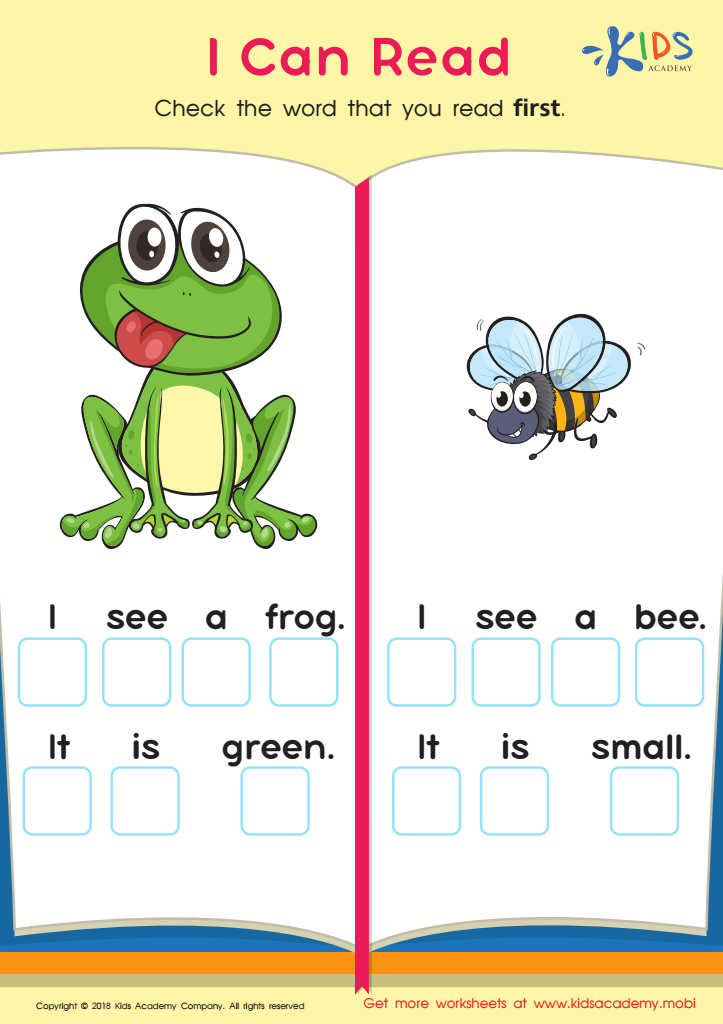
I Can Read Worksheet
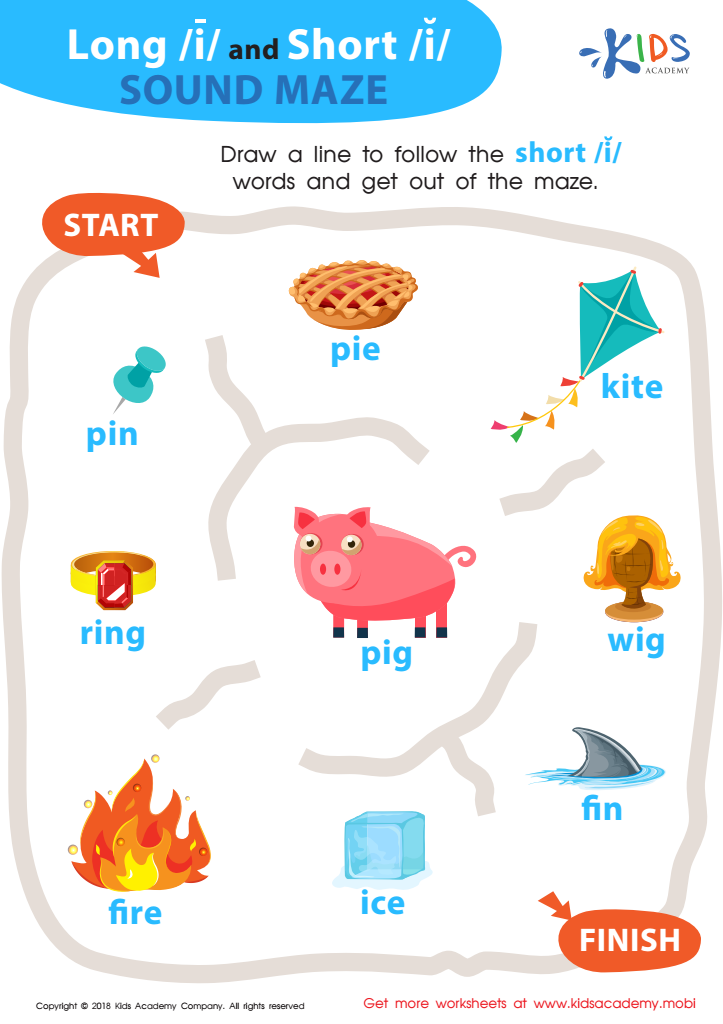
Reading: Long I and Short I Sound Maze Worksheet








Vocabulary enhancement and normal letter recognition are crucial components of early literacy for children aged 6-9. At this developmental stage, children transition from learning to read to reading to learn, making a solid vocabulary foundation essential. A rich vocabulary enhances comprehension, enabling kids to interpret and understand text, which is vital for academic success. When students can recognize letters and their sounds fluently, they become proficient decoders of words, making reading a more enjoyable and engaging experience.
Parents and teachers should prioritize vocabulary enhancement because it impacts a child’s ability to express themselves effectively and build communication skills. A wide-ranging vocabulary empowers children to articulate their thoughts, ask questions, and participate in discussions, bolstering their confidence in social settings and future academic pursuits.
Furthermore, practicing normal letter recognition complements vocabulary learning by reinforcing the connection between spoken and written language. As children learn to identify letters, they gain the necessary skills to sound out words, contributing to their literacy development.
In summary, focusing on vocabulary enhancement and normal letter recognition provides children with the tools to thrive in reading and communication, paving the way for lifelong learning and success in various aspects of their lives. Parents and educators are therefore integral in this critical period.








