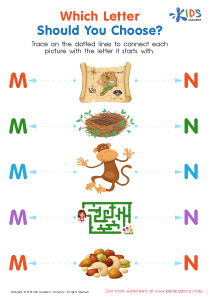
Handwriting practice Normal Lowercase/Small Letters Worksheets for Ages 6-9
8 filtered results
-
From - To
Enhance your child’s handwriting skills with our Handwriting Practice Normal Lowercase/Small Letters Worksheets, designed specifically for ages 6-9! These engaging worksheets from Kids Academy are designed to help young learners master lowercase letter formation, improve fine motor skills, and develop proper writing habits. Perfect for both classroom and home use, these printable sheets provide a variety of fun tracing and writing exercises that boost confidence and penmanship. Cultivate a foundation for lifelong writing excellence with our comprehensive worksheets, tailored for early grade students eager to refine their alphabet-in-action techniques. Start the journey to neat and tidy handwriting today!
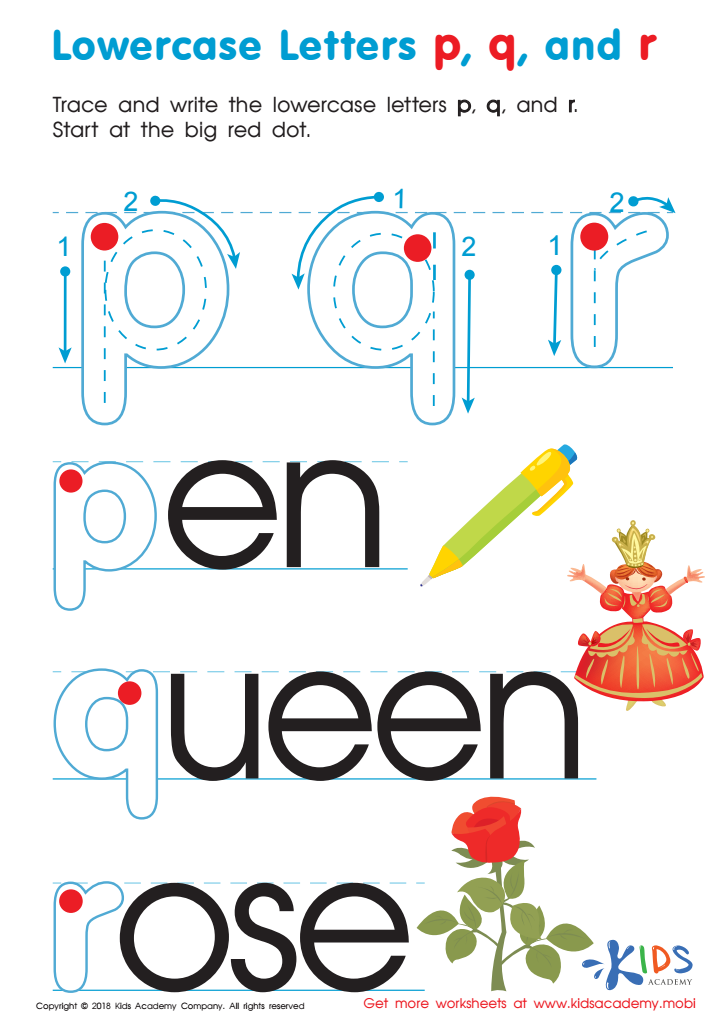
Lowercase Letters p q r Worksheet
 Assign to My Students
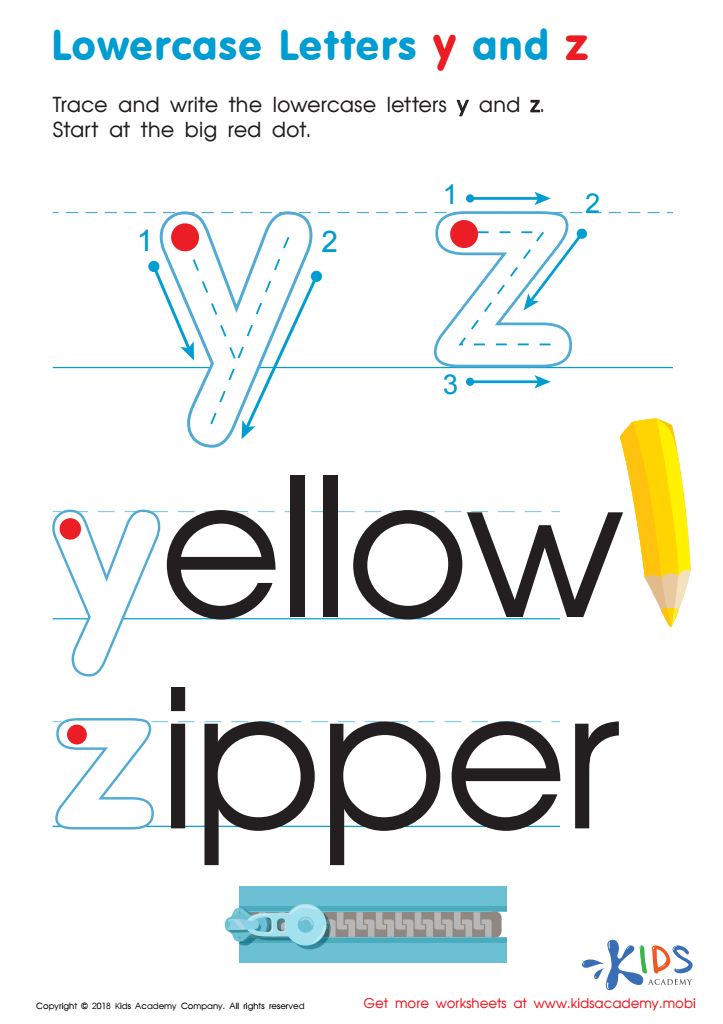
Lowercase Letters y z Worksheet
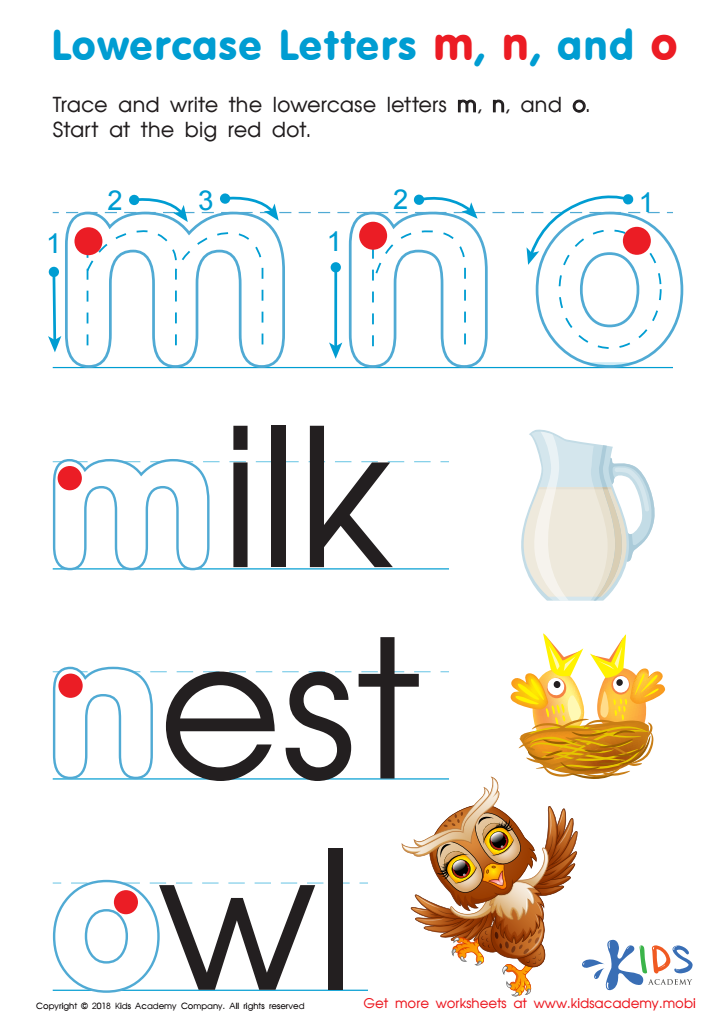
Lowercase Letters m n o Worksheet
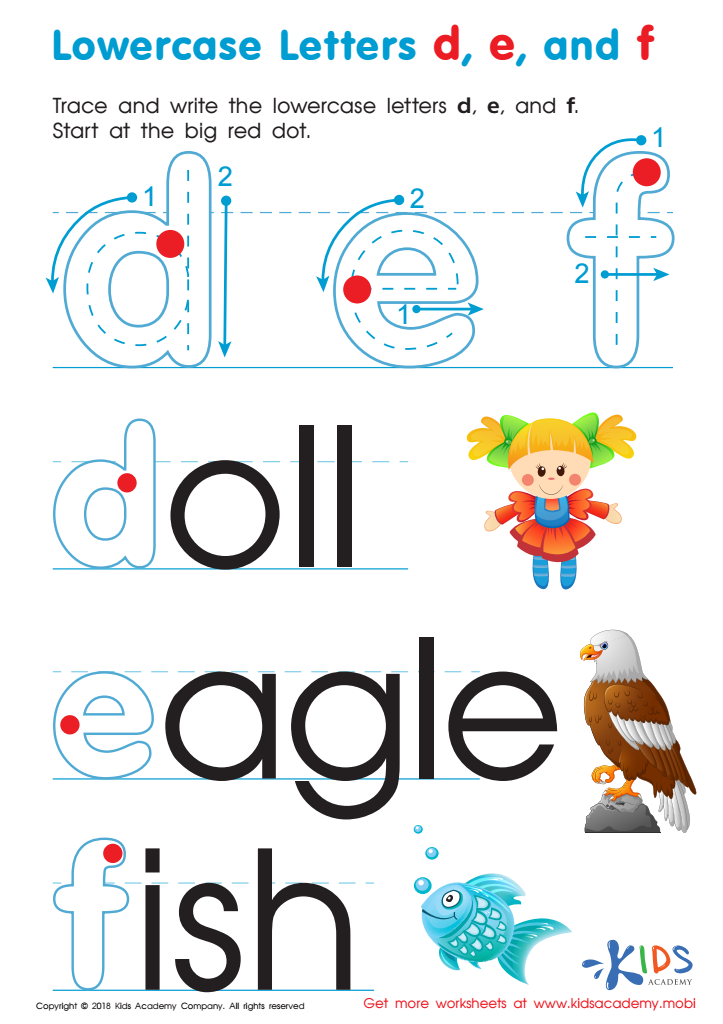
Lowercase Letters d e f Worksheet
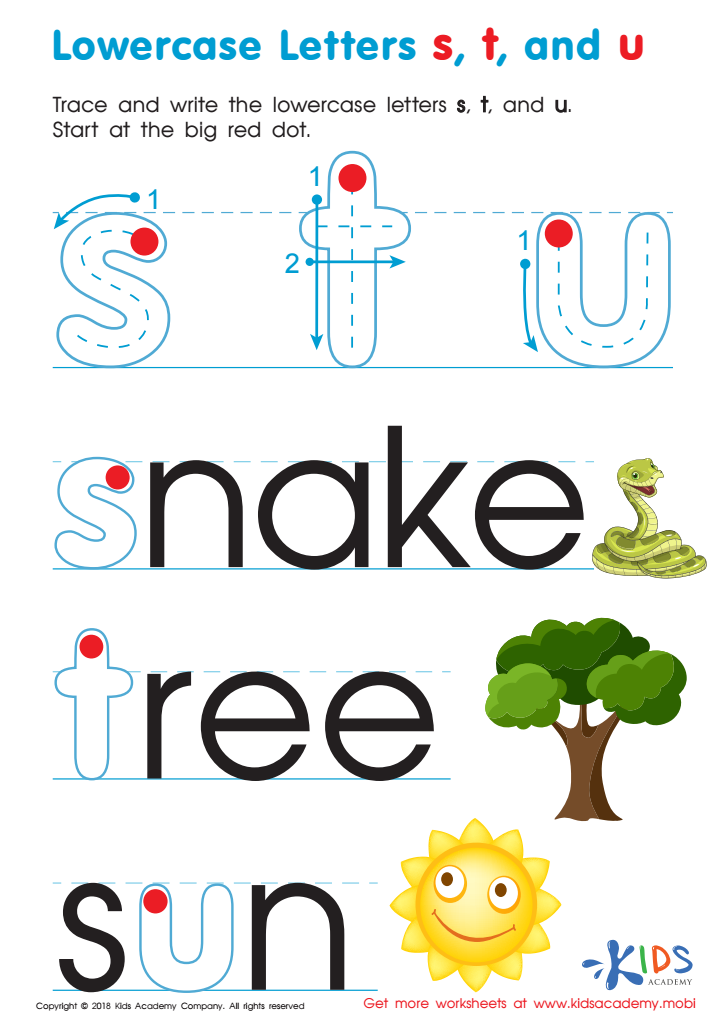
Lowercase Letters s t u Worksheet
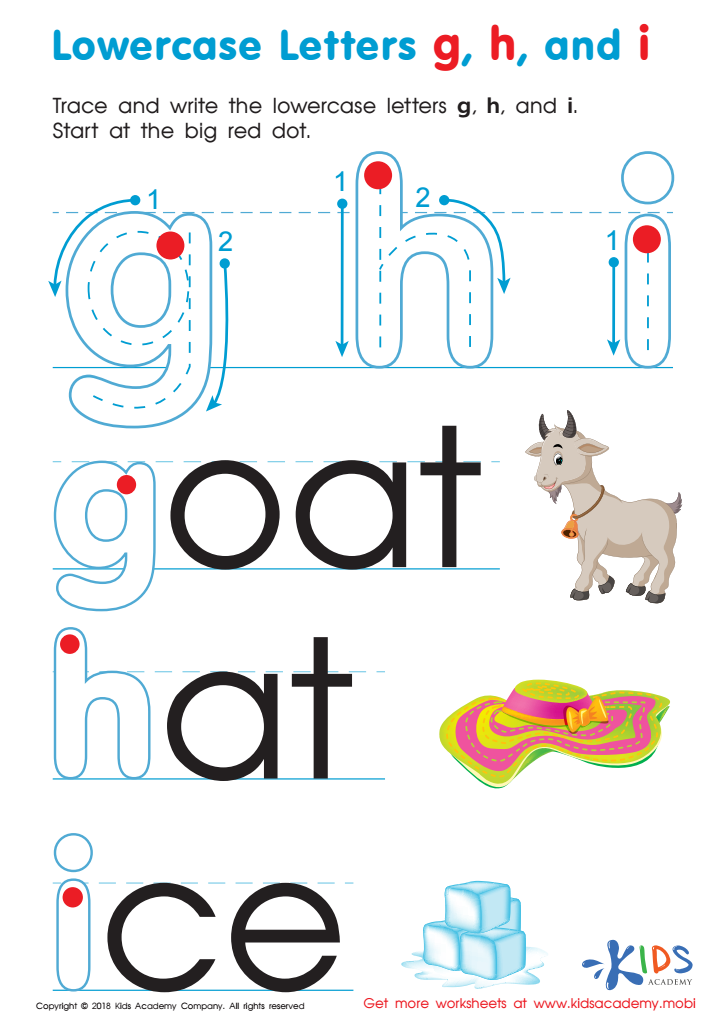
Lowercase Letters g h i Worksheet
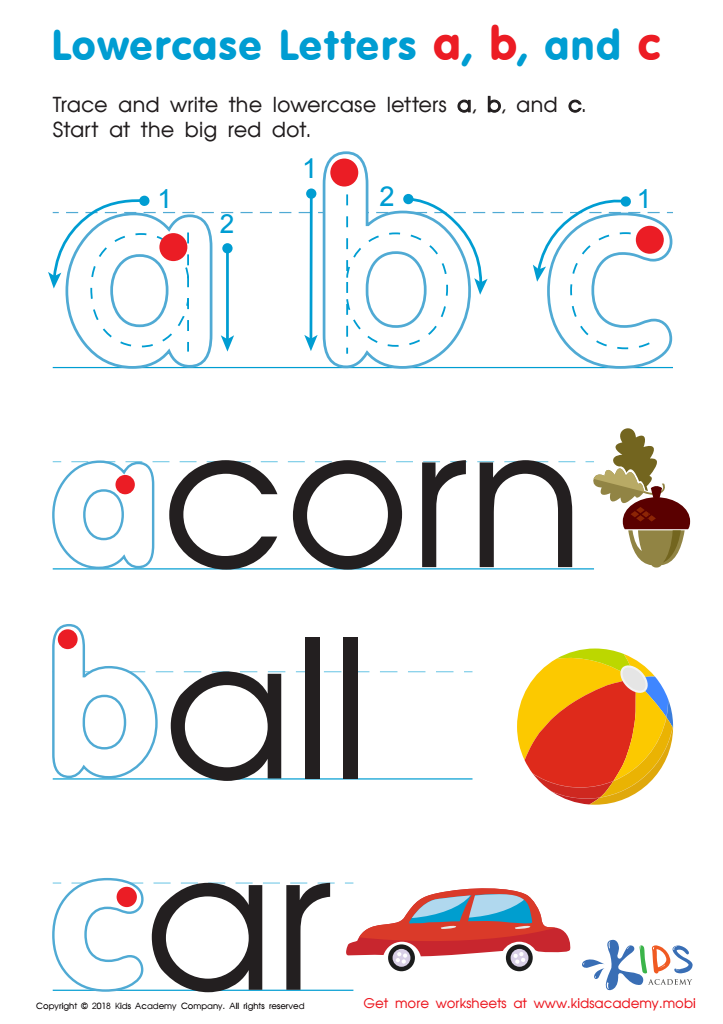
Lowercase Letters a b c Worksheet
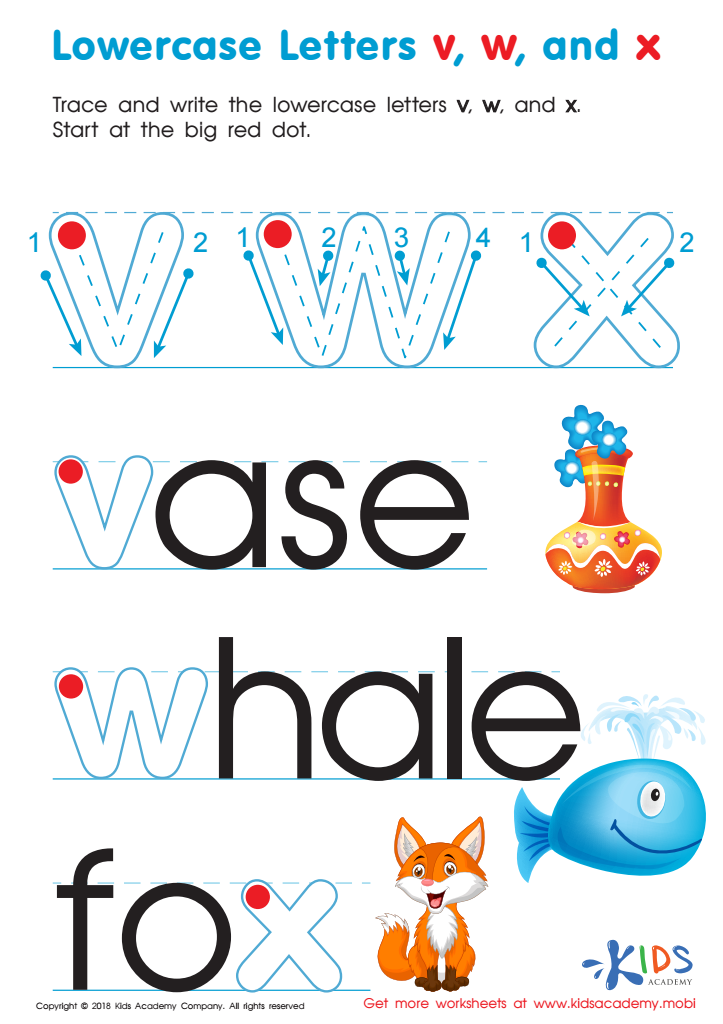
Lowercase Letters v w x Worksheet


Handwriting practice in normal lowercase or small letters is instrumental for children ages 6-9 as it lays the foundation for their academic development and confidence. During these formative years, children are honing their fine motor skills, and consistent handwriting practice helps to strengthen hand muscles and improve hand-eye coordination. Handwriting is more than a tool for communication; it plays a crucial role in learning and cognitive development. Studies have shown that mastering handwriting enhances reading, writing, and spelling skills: decoding letters and words become more effortless as children recognize the consistent patterns they practice.
Regular practice also aids memory retention. The tactile nature of forming letters helps solidify knowledge in a child's brain, making it easier for them to retrieve information. In essence, learning the formation of letters through handwriting serves as a prelude to deeper academic skills.
Furthermore, neat handwriting bolsters children's confidence and willingness to participate in classroom activities. When students can write clearly and legibly, they are more likely to express their thoughts and ideas without the anxiety of being judged for illegibility. This confidence has a cascading effect on their overall academic performance and social interactions. Hence, parents and teachers should prioritize handwriting to build a strong educational foundation for their children.