Phonics skills development Normal Phonics Worksheets for Ages 6-9
4 filtered results
-
From - To
Enhance your child's literacy journey with our Normal Phonics Worksheets, designed specifically for ages 6-9. These engaging worksheets focus on critical phonics skills, helping young learners master letter sounds, blends, and decoding techniques essential for reading proficiency. With a mix of fun activities and exercises, children will improve their phonemic awareness and boost their confidence in reading. Each worksheet aligns with educational standards, making them an ideal resource for teachers and parents alike. Discover a range of printable phonics activities that make learning enjoyable and effective, laying a strong foundation for lifelong reading success. Start your child’s phonics adventure today!
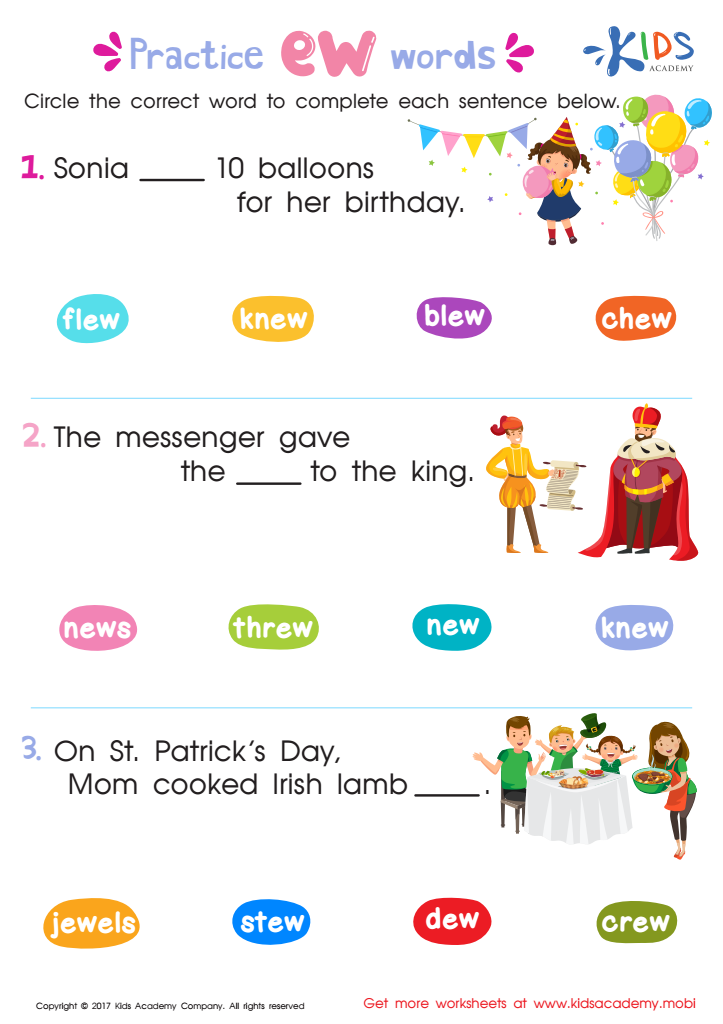
EW Words Worksheet
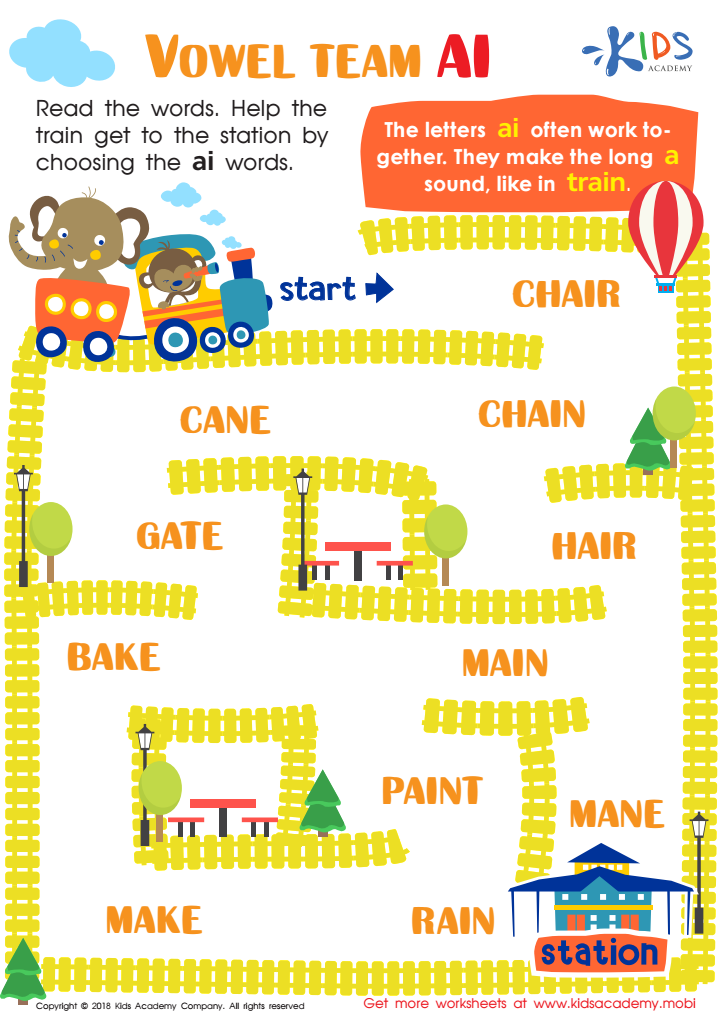
Vowel team ai Worksheet
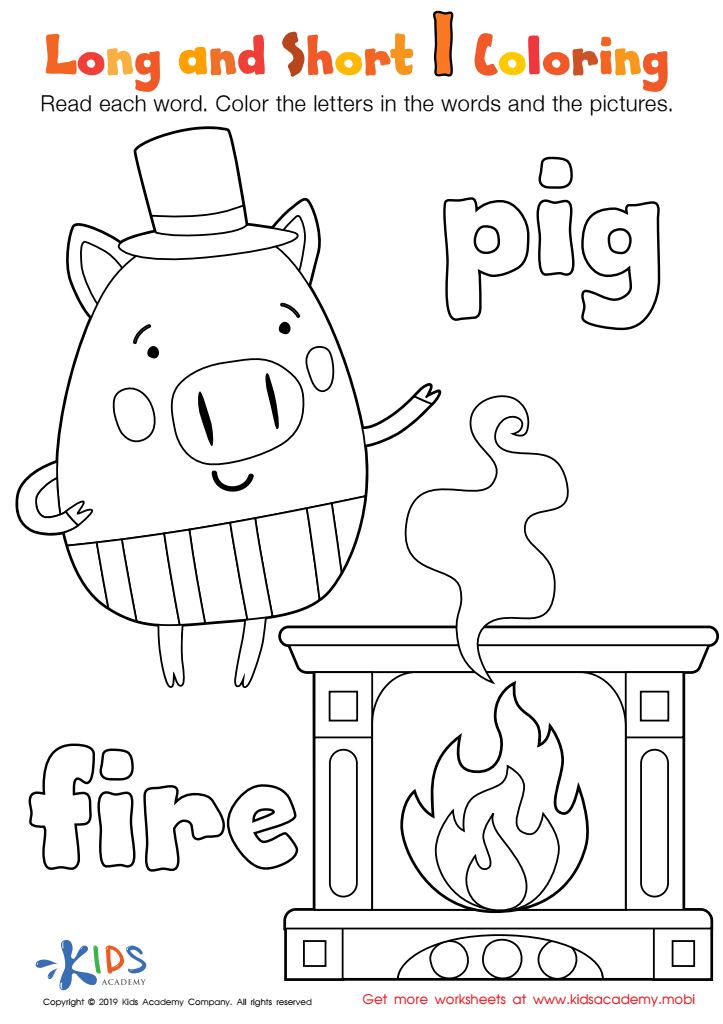
Long and Short I Worksheet
 Assign to My Students
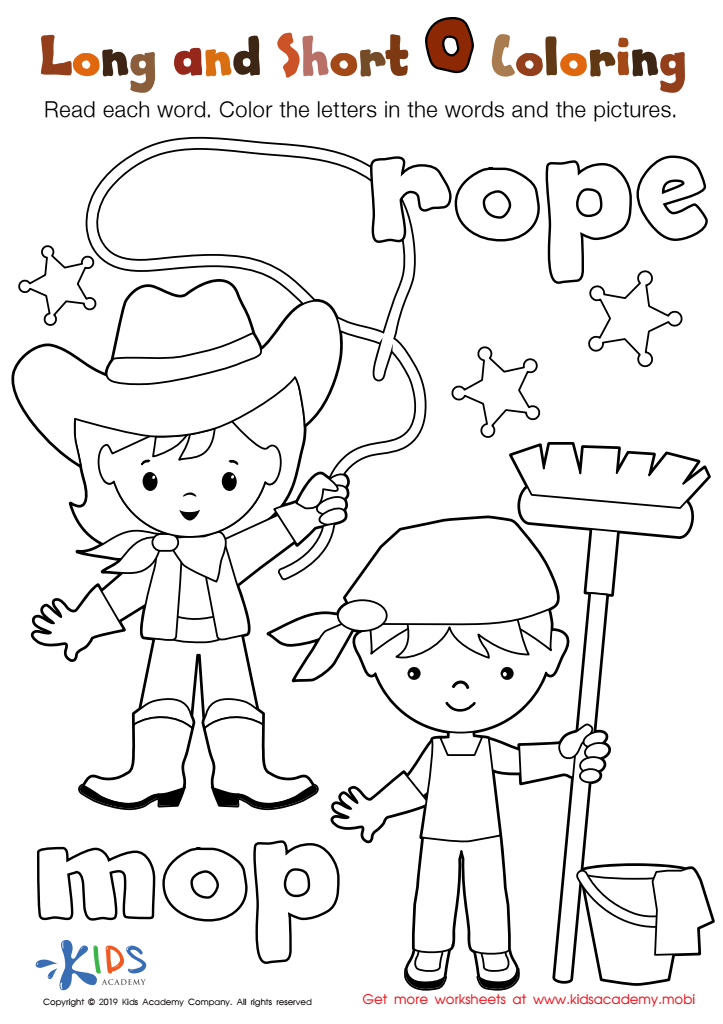
Long and Short O Worksheet
Assign to My Students








Phonics is a fundamental skill for developing reading and literacy in children aged 6 to 9. Understanding phonics enables children to decode words effectively, facilitating smoother reading comprehension. At this age, children are transitioning from learning to read to reading to learn, making phonics instruction crucial for their academic success.
Parents and teachers should prioritize phonics development as it lays a strong foundation for lifelong literacy skills. Mastery of phonics helps children recognize letter-sound relationships, empowering them to tackle unfamiliar words and fostering their confidence. As they become fluent readers, students can engage more meaningfully with texts across subjects, enhancing their overall learning experience.
Moreover, phonics skills are foundational for writing. Children who understand the connection between letters and sounds can express themselves more clearly through writing, supporting stronger communication skills. The benefits of a solid phonics foundation extend beyond literacy; they boost cognitive development and critical thinking, essential skills for future academic challenges.
In summary, investing in phonics skills for ages 6-9 is crucial as it supports not only reading and writing but also overall educational development. Parents and teachers play vital roles in cultivating these essential skills, ensuring that children thrive as competent, confident learners.







