Hand-eye Coordination Normal Tracing Letters Worksheets for Ages 6-9
4 filtered results
-
From - To
Boost your child's hand-eye coordination with our "Normal Tracing Letters Worksheets" tailored for ages 6-9! These engaging worksheets feature fun and imaginative letter tracing exercises that will help young learners develop essential motor skills while reinforcing their understanding of the alphabet. Each worksheet is designed to enhance fine motor control and cognitive development, making it a perfect blend of learning and play. Ideal for preschool, kindergarten, and early grade students, these tracing activities encourage concentration and precision. Download now to support your child's educational journey with meaningful, skill-building practice that pairs creativity with foundational literacy skills. Explore today!
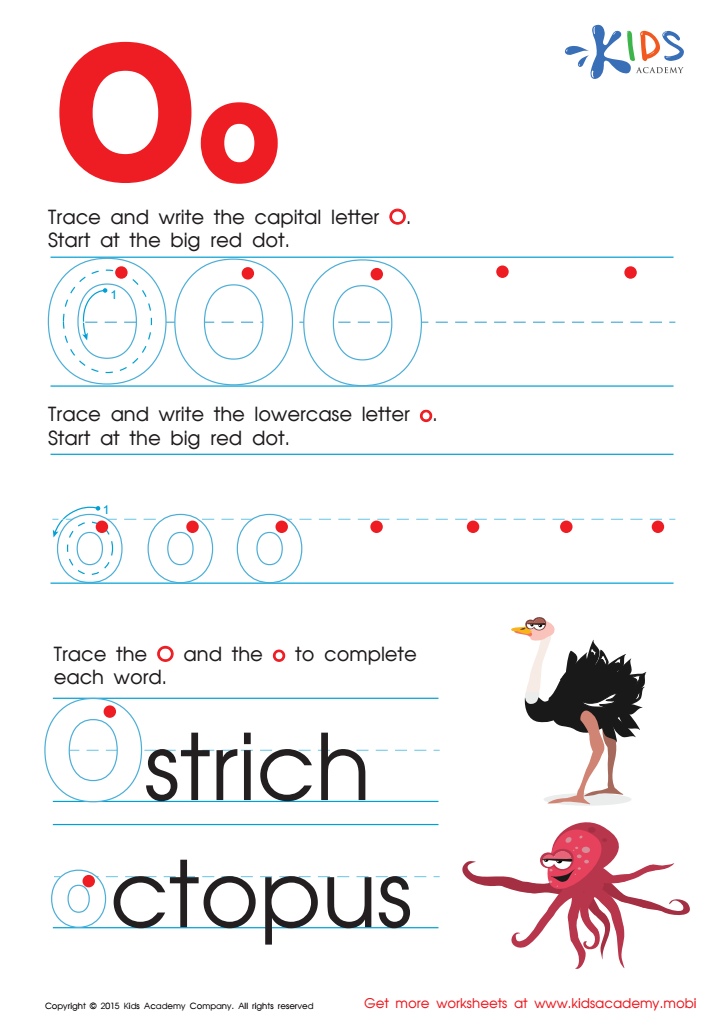
Letter O Tracing Page
 Assign to My Students
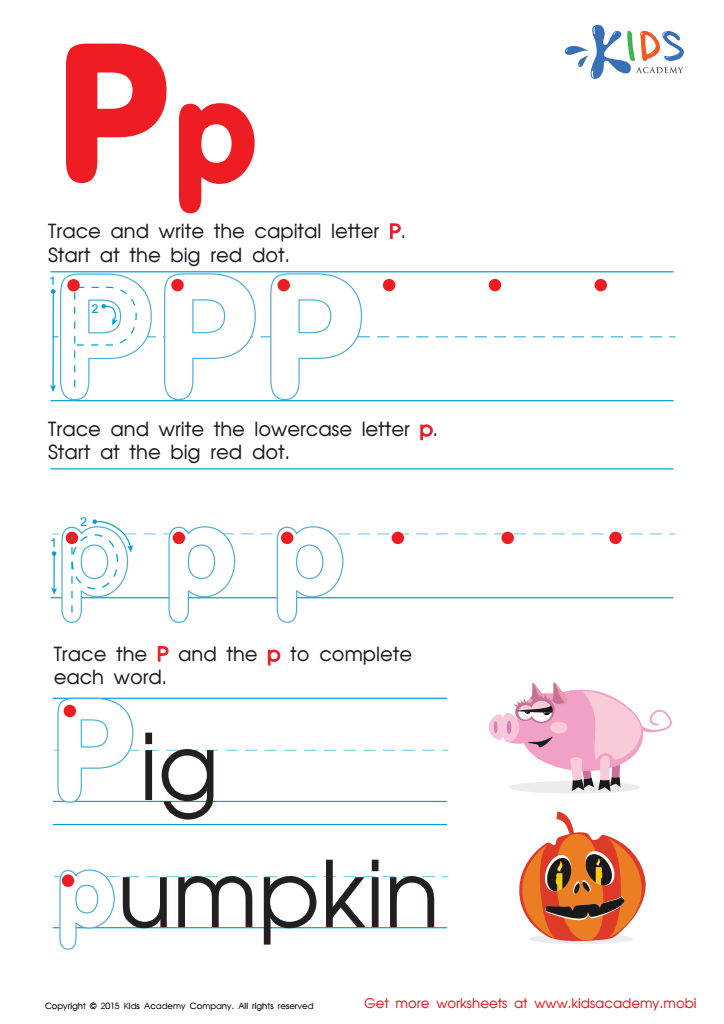
Letter P Tracing Page

Letter H Tracing Page

Letter D Tracing Page







Hand-eye coordination is a crucial developmental skill for children aged 6-9, especially in relation to tracing letters. This skill enables kids to synchronize their hand movements with what they see, laying the groundwork for essential writing abilities. As children learn to trace letters, they not only practice the physical act of writing but also develop fine motor skills, boost their cognitive functions, and enhance visual perception.
Parents and teachers should care about this process because it directly impacts a child's academic success and overall confidence. Mastering letter formation through tracing helps children become proficient readers and writers, making it easier for them to express their thoughts clearly. Furthermore, improving hand-eye coordination can lead to greater hand strength and control, which are necessary for various daily tasks, from crafting to sports.
Encouraging activities that engage hand-eye coordination, like tracing letters, also supports children's emotional development. As they see their progress and receive positive reinforcement, their self-esteem flourishes, fostering a love for learning. In essence, nurturing these skills during this critical age prepares children not only for their immediate education but also instills lifelong habits of confidence, competence, and creativity in their approach to learning.








