Letter Tracing Practice Normal Tracing Letters Worksheets for Ages 6-9
3 filtered results
-
From - To
Enhance your child's literacy skills with our "Letter Tracing Practice" worksheets designed for ages 6-9! These engaging and easy-to-use normal tracing letter worksheets help boys and girls master their alphabet, learn proper letter formation, and improve handwriting. Our worksheets provide a variety of tracing activities, enabling kids to practice both uppercase and lowercase letters at their own pace. With vibrant visuals and fun exercises, children will enjoy developing their writing skills while gaining confidence in their abilities. Perfect for at-home education or classroom use, our tracing worksheets are ideal for reinforcing learning in a creative and effective way!
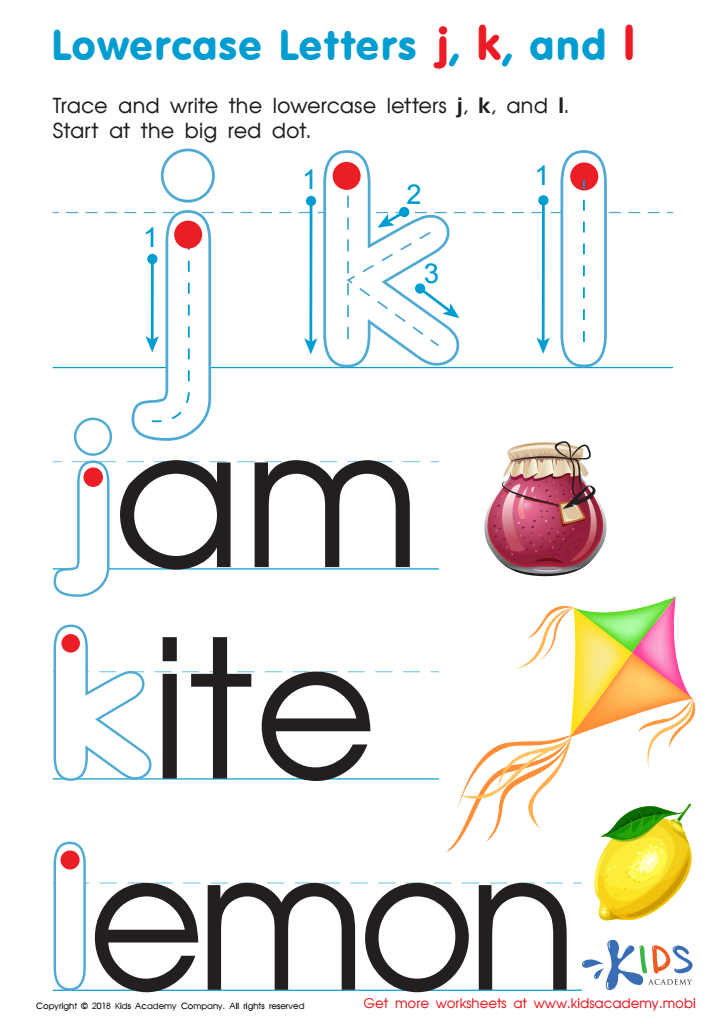
Lowercase Letters j k l Worksheet
 Assign to My Students
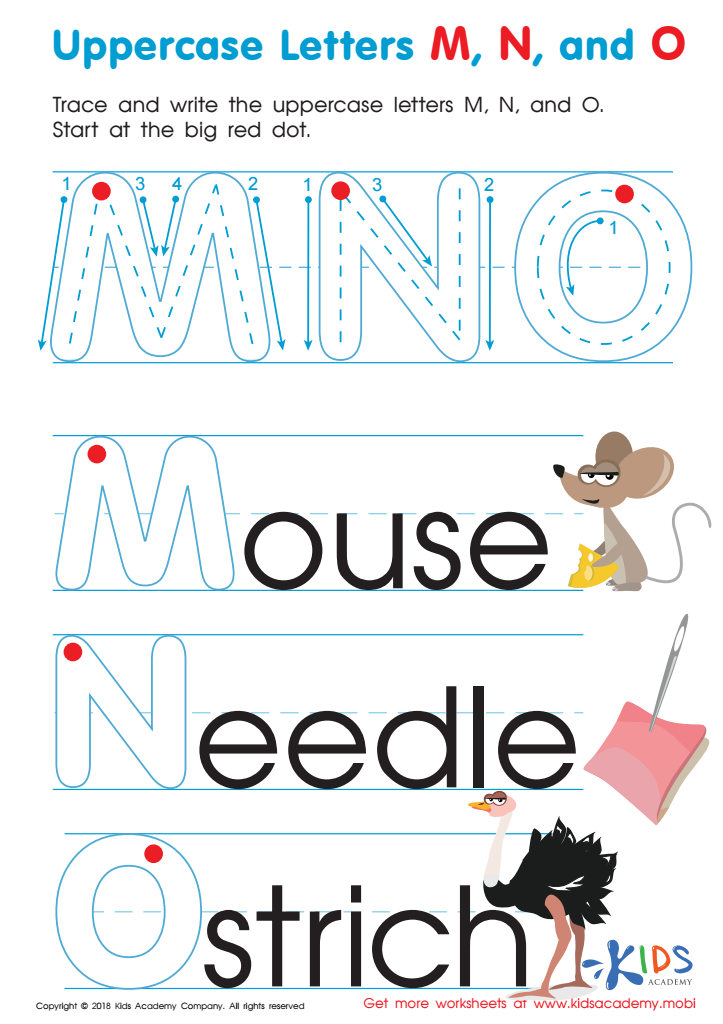
Uppercase Letters M, N, and O Worksheet
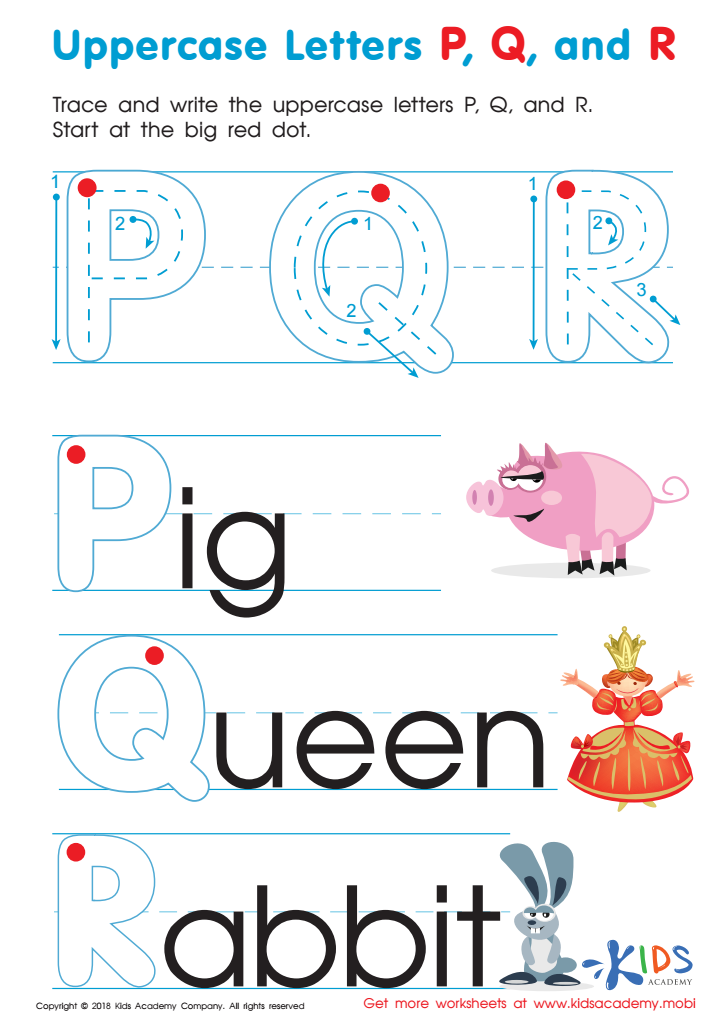
Uppercase Letters P, Q, and R Worksheet








Letter tracing practice is a crucial educational tool for children ages 6-9, and both parents and teachers should prioritize it for several reasons. First, this practice aids in developing fine motor skills, which are essential for writing and other daily tasks. By tracing letters, children improve their hand-eye coordination and dexterity, laying a robust foundation for their writing proficiency.
Second, letter tracing reinforces letter recognition and phonemic awareness. As children trace each letter, they become more familiar with its shape and sound, aiding in literacy development. This practice also helps instill an understanding of proper letter formation, helping students avoid bad habits that can hinder their writing legibility.
Moreover, engaging with tracing activities can boost children’s confidence in their writing abilities. Completing a tracing exercise gives a sense of accomplishment, encouraging them to advance to more challenging writing tasks.
Lastly, these activities can be interactive and enjoyable. They can be complemented with various creative approaches, making it a fun bonding experience between parents, teachers, and children. By integrating letter tracing into learning routines, adults play a vital role in fostering a love for writing and reading, ultimately setting the foundation for future academic success.








