Phonics Skills Normal Two Letter Phonics Worksheets for Ages 6-9
6 filtered results
-
From - To
Enhance your child's reading abilities with our engaging Two Letter Phonics Worksheets, designed specifically for ages 6-9. These activities help students master the foundational phonics skills necessary for reading fluency. Young learners will practice sound recognition, blending, and decoding simple two-letter combinations through fun, interactive worksheets. Our carefully crafted materials encourage phonemic awareness and build confidence as children learn to read and write. Perfect for home or classroom use, these worksheets foster independent learning while making phonics fun and accessible. Give your child the tools they need for literacy success today with our standard Two Letter Phonics resources!
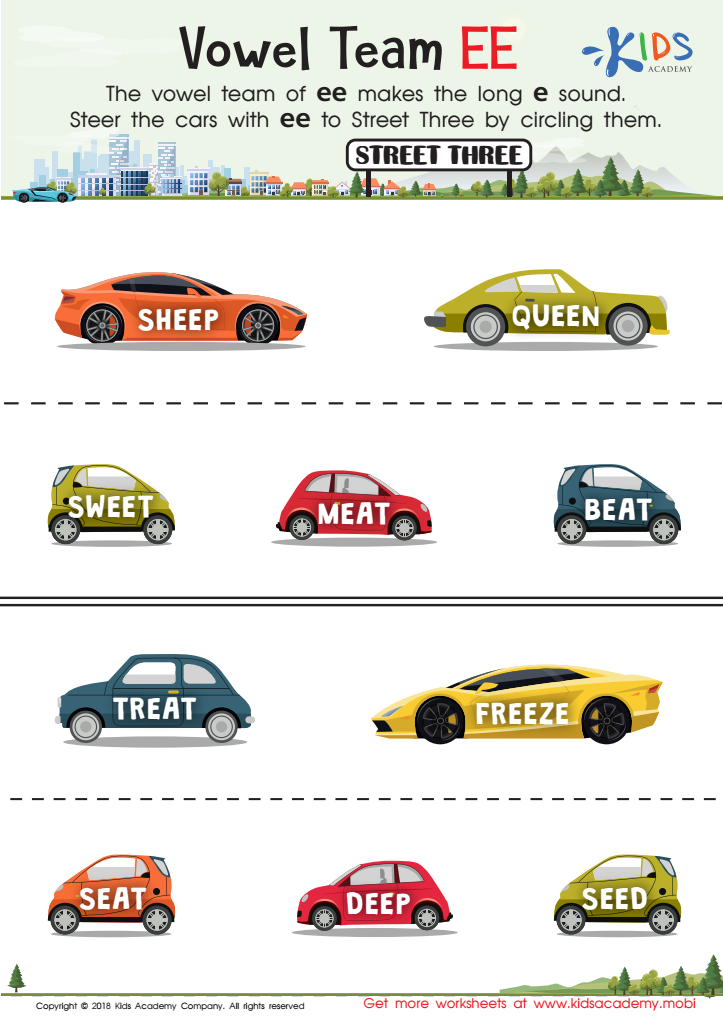
Vowel team ee Worksheet
 Assign to My Students
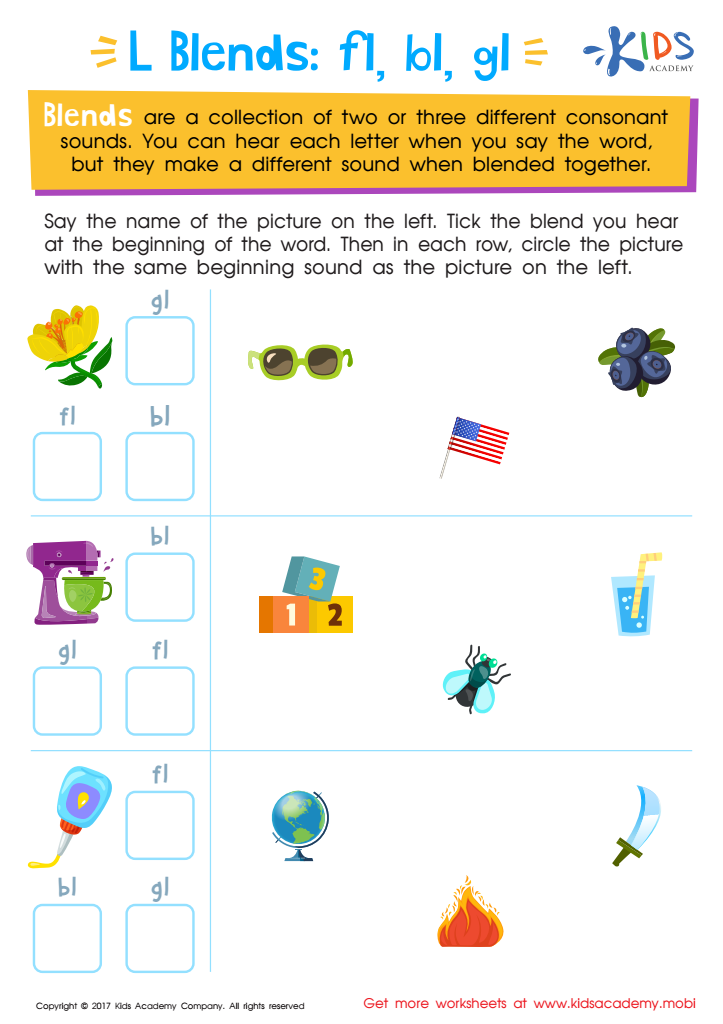
Blending Consonants: "Fl", "Bl" and "Gl" Printable
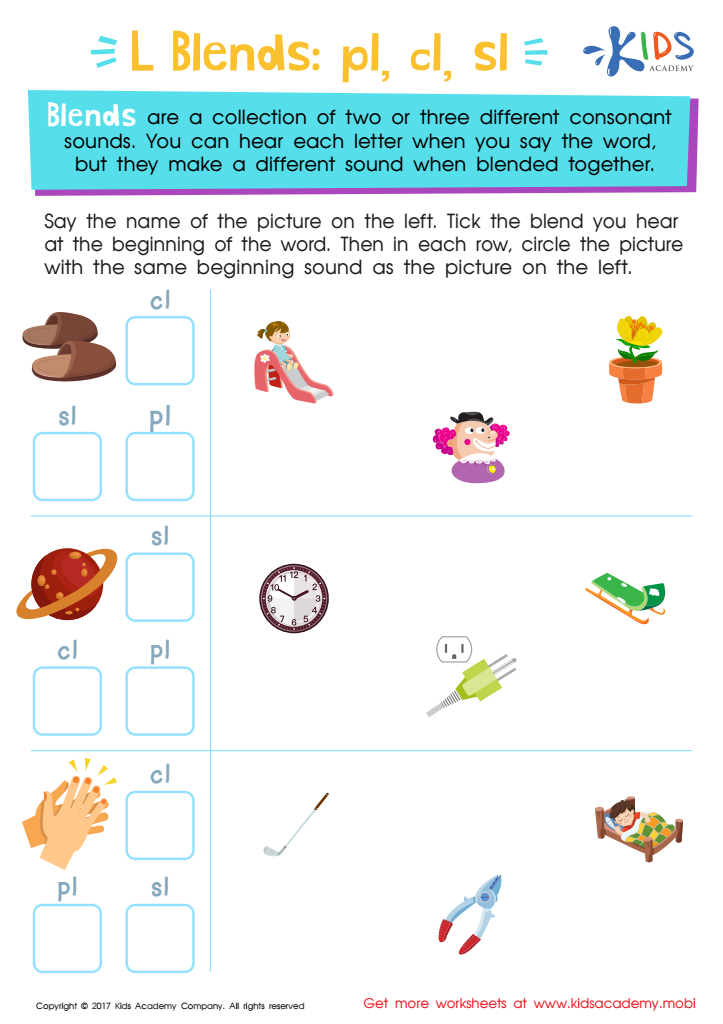
L Blends: "Pl", "Cl" and "Sl" Printable
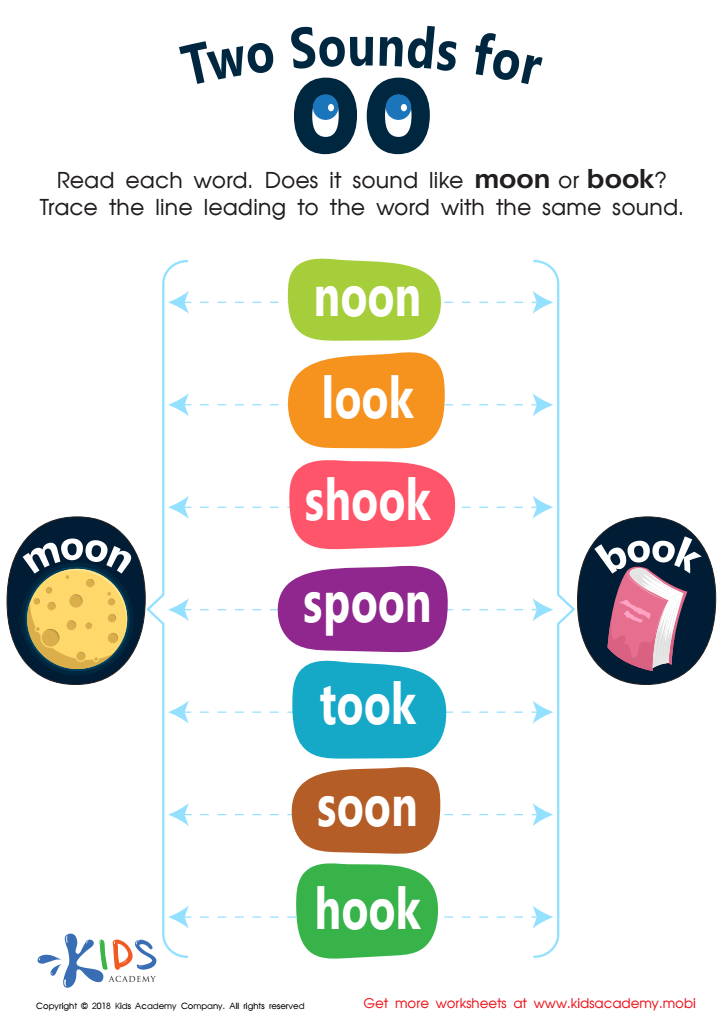
Two Sounds for OO Worksheet
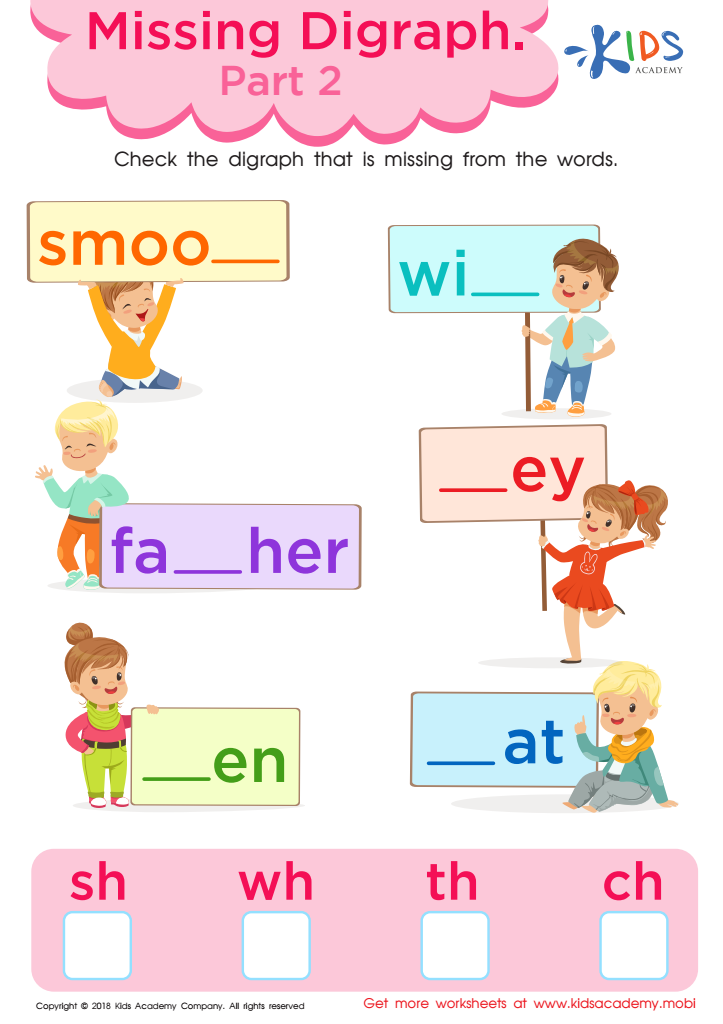
Missing Digraph: Part 2 Worksheet
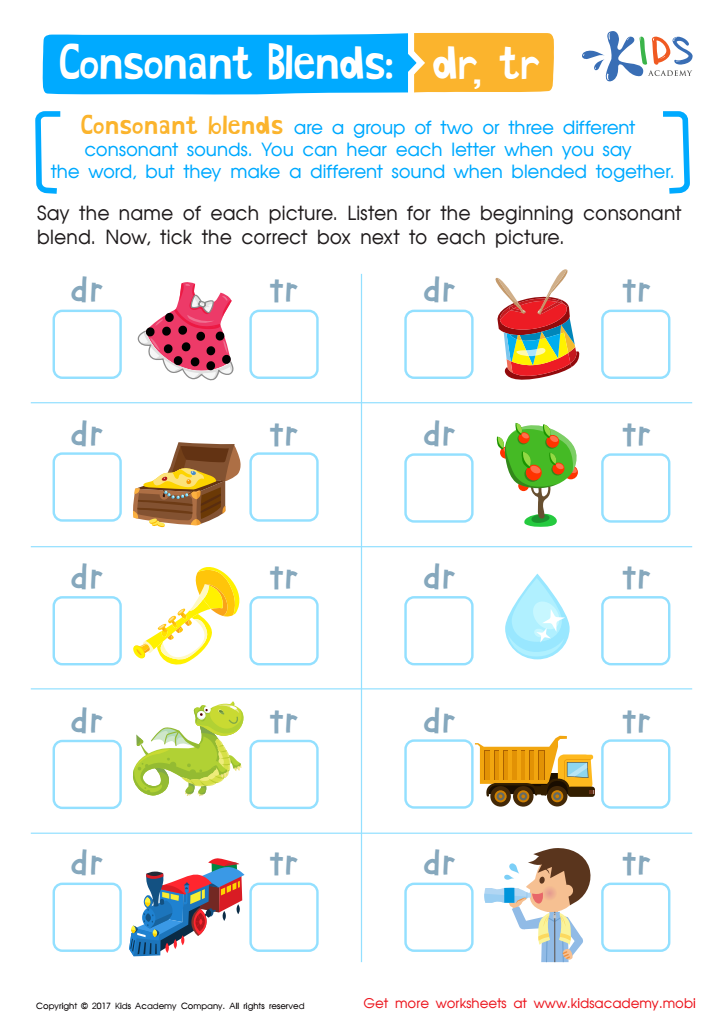
Consonant Blends: "Dr" and "Tr" Printable



Phonics skills, specifically normal two-letter phonics, are crucial for children aged 6-9 as they lay the foundation for reading proficiency and overall literacy development. During these formative years, children are transitioning from learning to read to reading to learn. Mastery of two-letter phonics helps young readers decode words, improving their ability to recognize sounds and comprehend text.
Parents and teachers should care about these skills because they directly influence a child's confidence and academic success. Proficiency in phonics enables children to tackle more complex words and sentences as they progress in their education. Struggling with phonics can lead to frustration, decreased motivation, and poor performance in school.
Furthermore, a solid understanding of phonics enhances vocabulary acquisition and improves writing skills. As children apply their phonics knowledge, they become more adept at spelling and constructing sentences, laying the groundwork for future communication skills.
Promoting two-letter phonics through engaging activities can foster a love for reading and learning. Ultimately, when parents and teachers prioritize phonics skills, they empower children with essential tools that enhance their learning experience, contribute to their social-emotional growth, and prepare them for academic challenges ahead.






