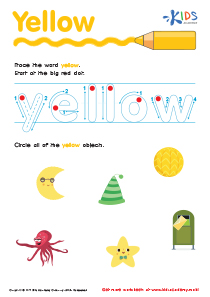
Handwriting practice Normal English for Beginners Worksheets for Ages 6-9 - Page 2
26 filtered results
-
From - To
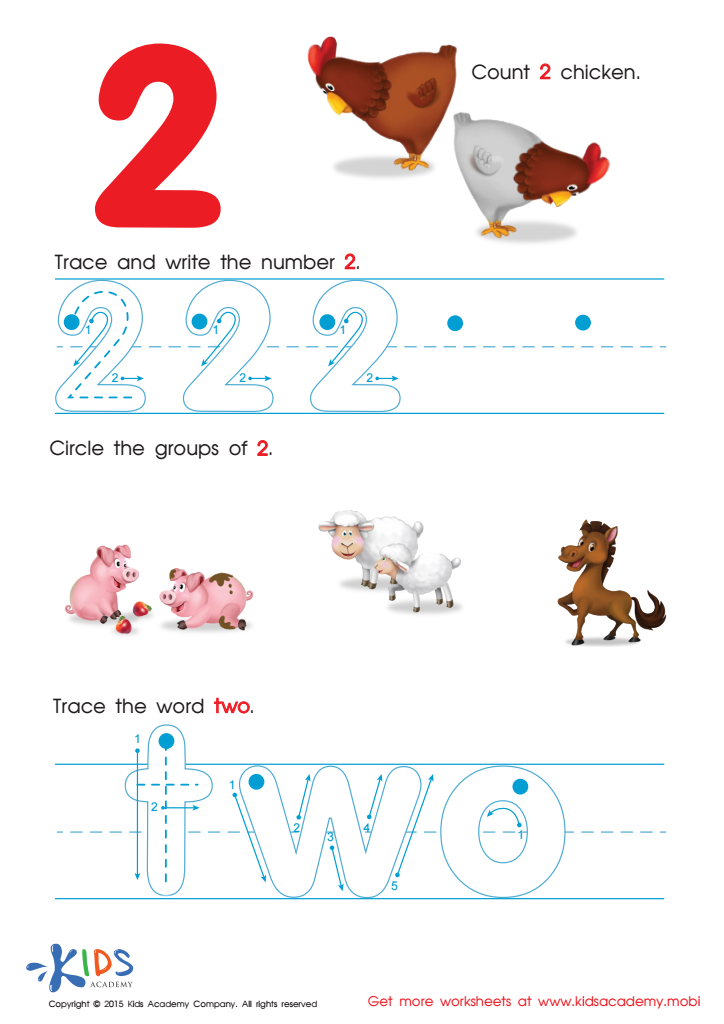
Learn to Write the Number 2 Worksheet
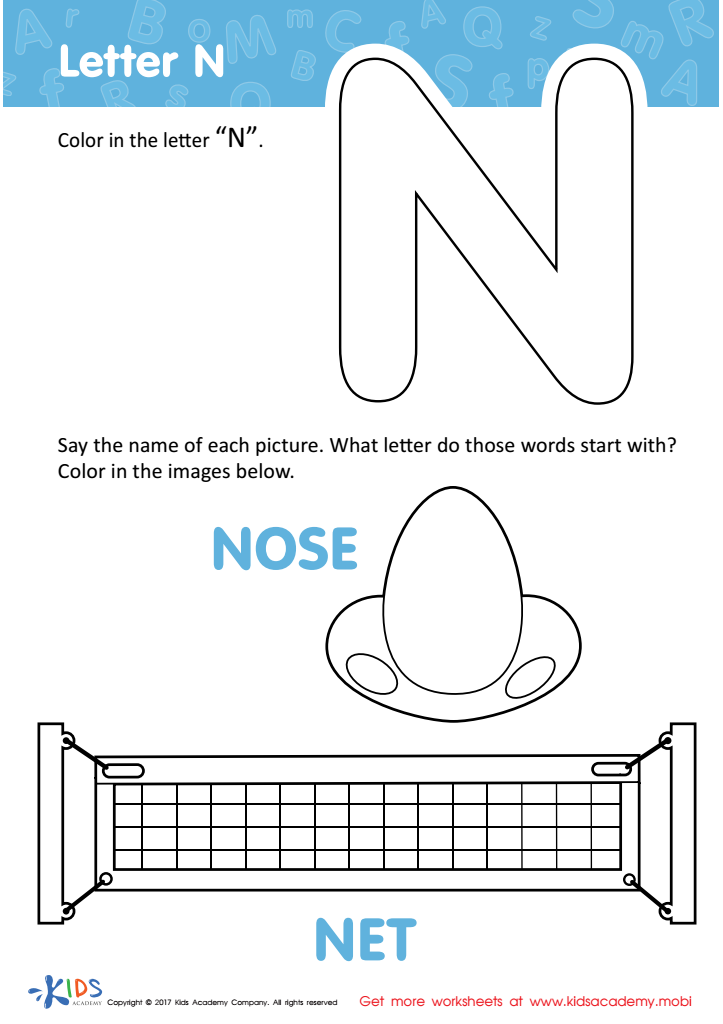
Letter N Coloring Sheet
 Assign to My Students





Handwriting practice is extremely important for children ages 6-9 to support their overall development. Firstly, it helps improve fine motor skills. When children practice writing, they engage the small muscles in their hands, which enhances dexterity and coordination. This fine motor development is crucial for other activities like tying shoes, using scissors, and even playing sports.
Secondly, good handwriting is foundational for academic success. Children are often required to write as part of their schoolwork. Clear and legible handwriting ensures that students can efficiently complete assignments, take notes, and communicate their ideas. This skill also supports literacy; as children write letters and words, they reinforce their understanding of the alphabet, phonics, and spelling.
Additionally, handwriting practice benefits cognitive development. Writing by hand has been shown to activate areas of the brain involved in thinking, memory, and language, which can lead to improved comprehension and retention of information.
Finally, handwriting encourages personal expression and confidence. As children see their progress, from scribbles to legible words and sentences, they gain pride in their accomplishments and build self-esteem. By supporting handwriting practice, parents and teachers can help lay the foundation for their children's lifelong learning and success.