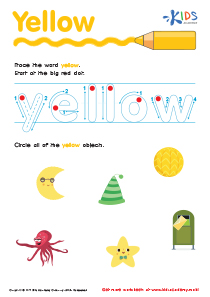
Spelling Skills Normal English for Beginners Worksheets for Ages 6-9
4 filtered results
-
From - To
Enhance your child's spelling abilities with our Spelling Skills Normal English worksheets, specially designed for beginner learners aged 6 to 9. These fun and interactive worksheets make learning enjoyable while reinforcing essential spelling patterns and vocabulary. Ideal for early grade teachers and parents, our resources help young learners build confidence in their reading and writing skills. With engaging activities tailored for ESL students, children can explore various word forms and improve their understanding of English language rules. Download our printable worksheets today and support your child’s journey to becoming a proficient speller while having fun along the way!
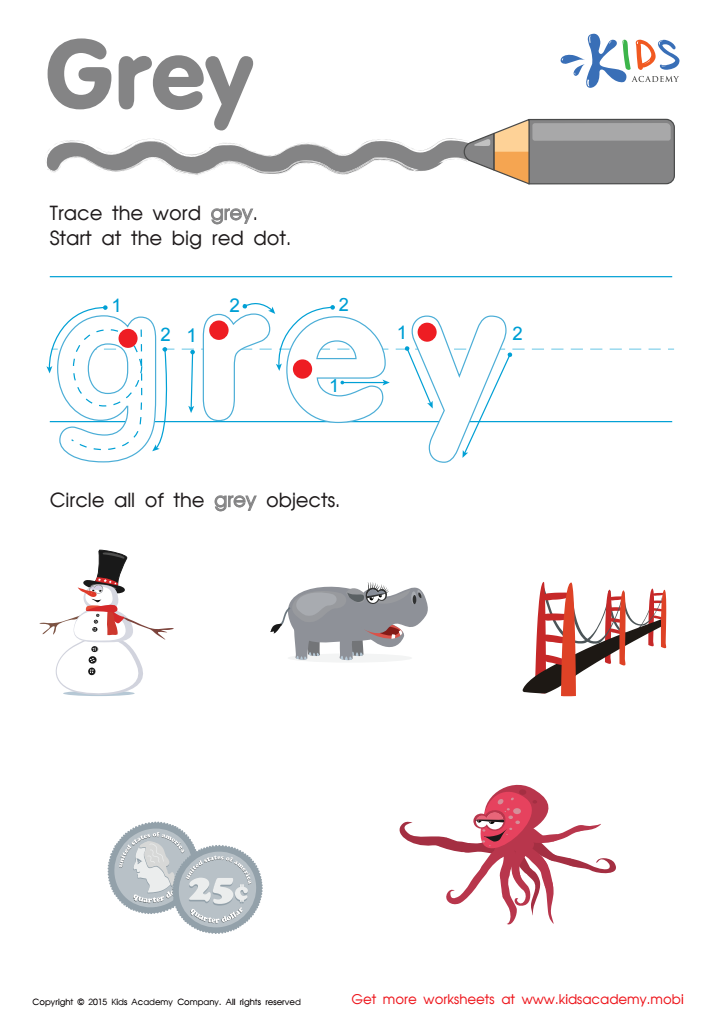
Grey Tracing Color Words Worksheet
 Assign to My Students
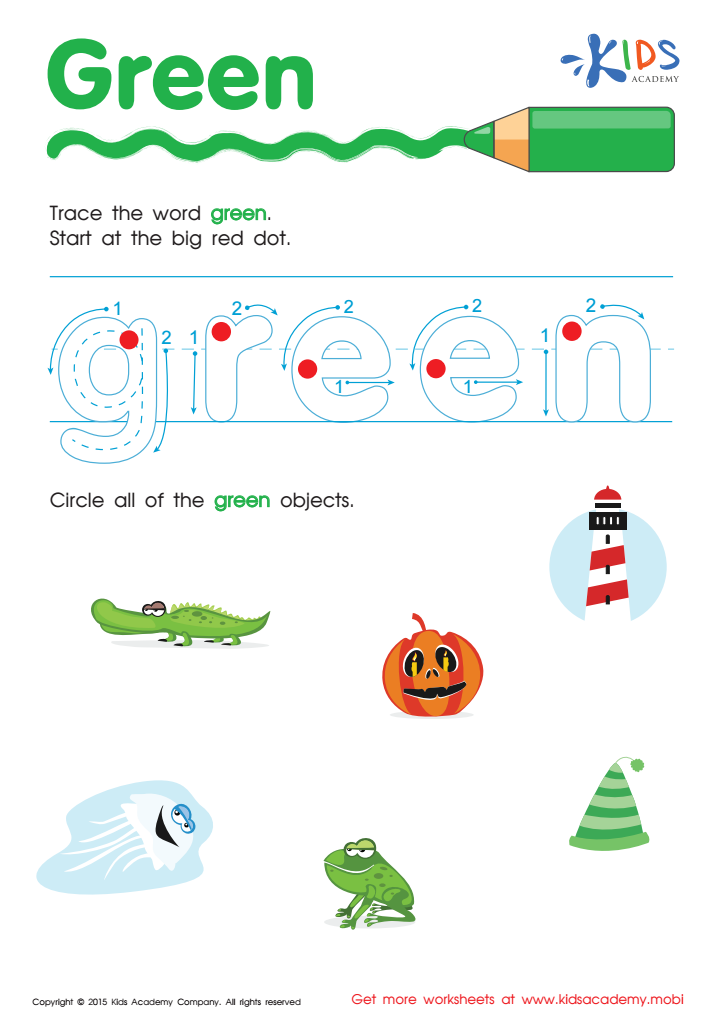
Green Tracing Color Words Worksheet
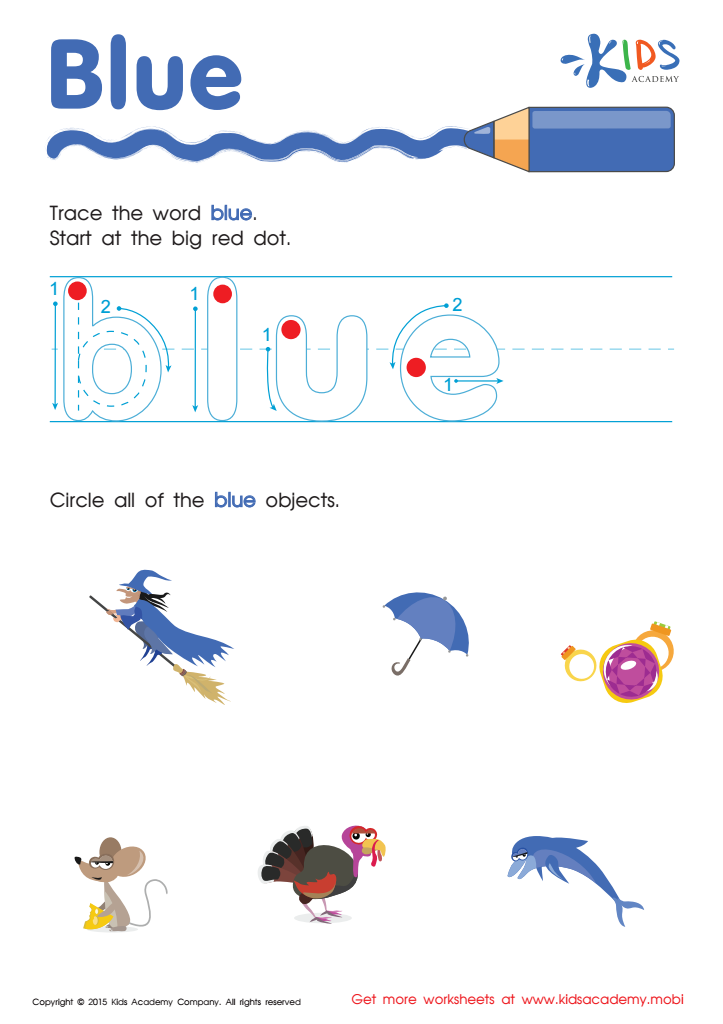
Blue Tracing Color Words Printable

Brown Tracing Color Words Worksheet





Parents and teachers should prioritize spelling skills for children ages 6-9 because this foundational ability significantly impacts overall literacy and academic success. At this age, children are developing their phonemic awareness and learning the relationship between sounds and letters, which is crucial for effective reading and writing. Strong spelling skills enhance vocabulary acquisition and comprehension, enabling children to express themselves more clearly and confidently in both written and oral communication.
Additionally, mastering spelling helps build a child’s self-esteem. When children see themselves succeed in spelling, they gain the motivation to tackle more challenging tasks. Moreover, consistent spelling practice fosters critical thinking and problem-solving abilities, as children begin to discern patterns in words, which can assist in decoding unfamiliar language.
In a digital age, where communication often takes place through text, proficient spelling contributes to a child's ability to communicate clearly and professionally, preparing them for future academic and career opportunities. By supporting their early spelling development, parents and teachers can cultivate a love for language, laying the groundwork for lifelong learning and effective communication skills. The benefits of nurturing spelling competencies extend far beyond the classroom, aiding children in their futures.