Developing critical thinking Normal Worksheets for Ages 6-9
7 filtered results
-
From - To
Nurture your child's analytical abilities with "Developing Critical Thinking Normal Worksheets for Ages 6-9." These well-crafted worksheets are designed to engage young learners in exercises that stimulate their critical thinking and problem-solving skills. Through a variety of fun and intellectually stimulating activities, including puzzles, sorting tasks, and pattern recognition challenges, children practice logical reasoning and decision-making. Boost your child's cognitive development and academic success by integrating these resources into their daily learning routine. Ideal for both home and classroom use, these worksheets provide a solid foundation for lifelong learning and intellectual growth. Explore now and set your child on the path to critical thinking mastery!

Seeds on the Move Worksheet
 Assign to My Students
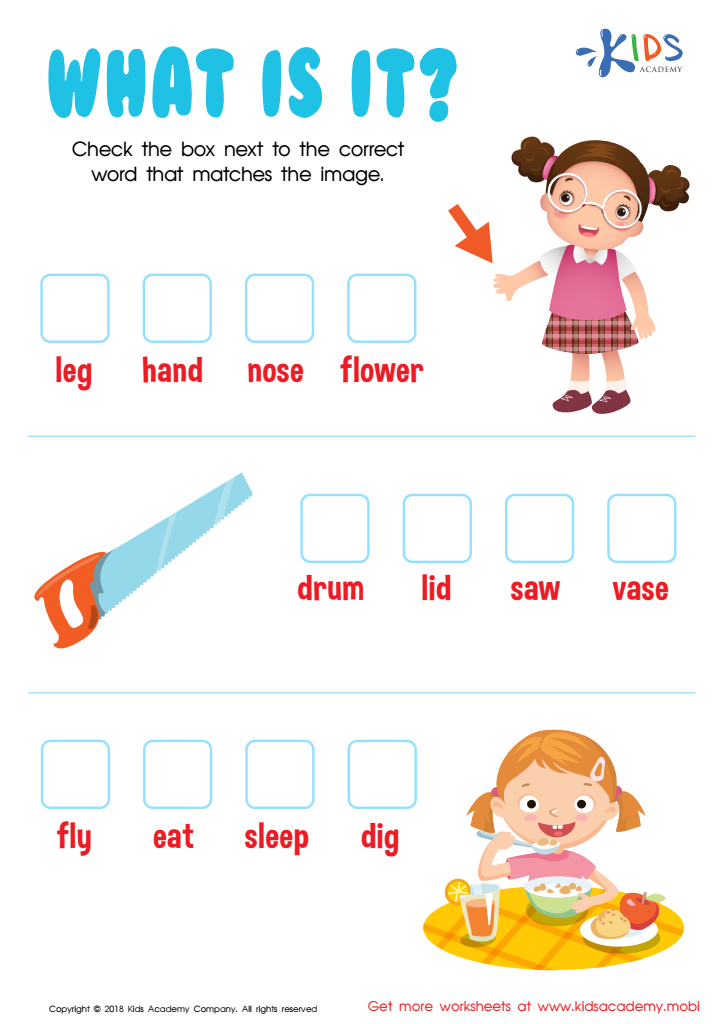
What Is It? Worksheet
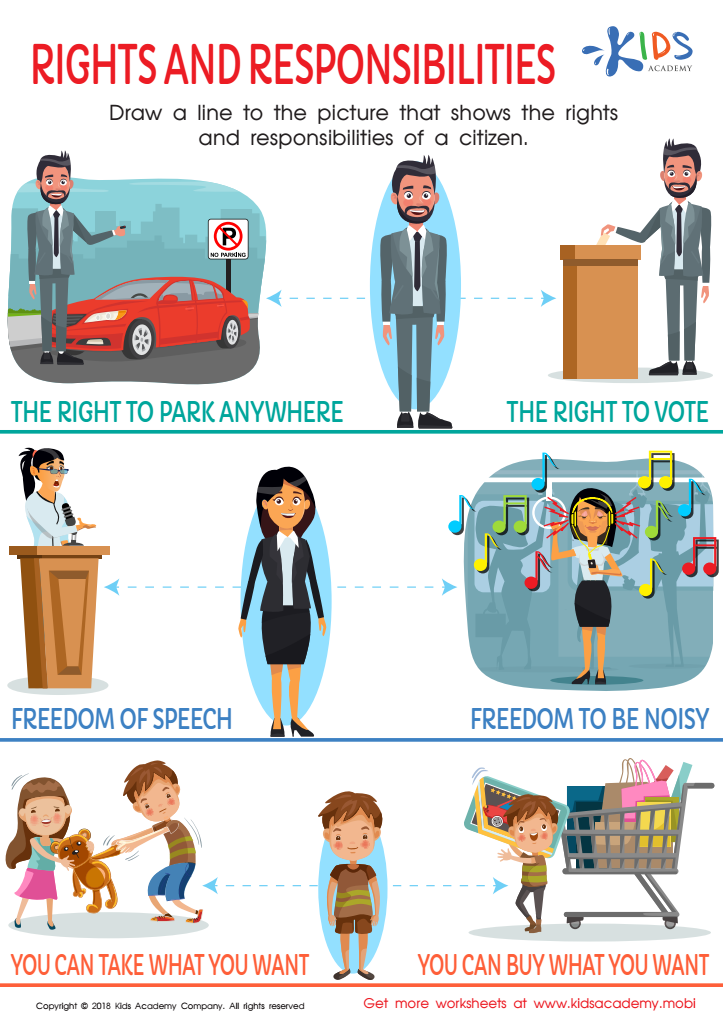
Rights and Responsibilities Worksheet
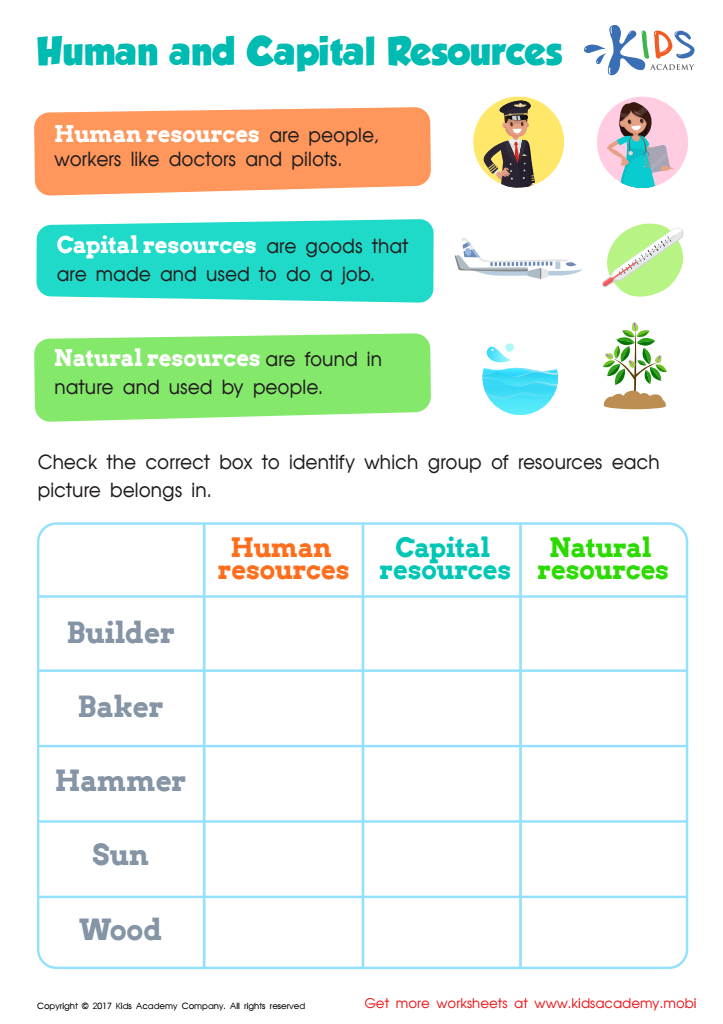
Human and Capital Resources Worksheet
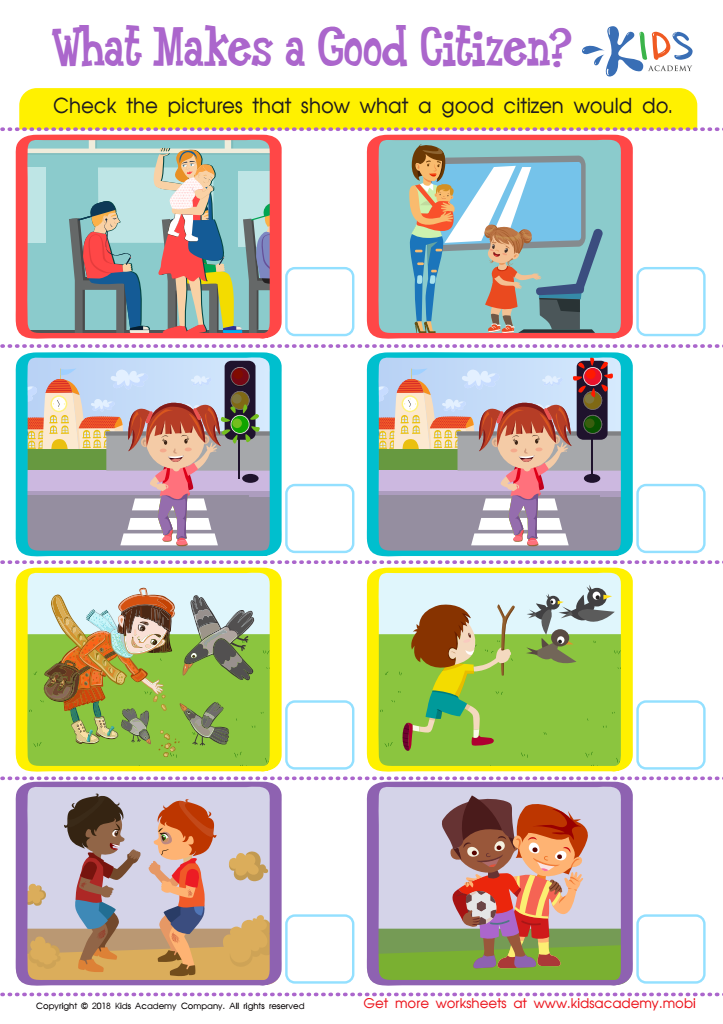
What Makes a Good Citizen? Worksheet
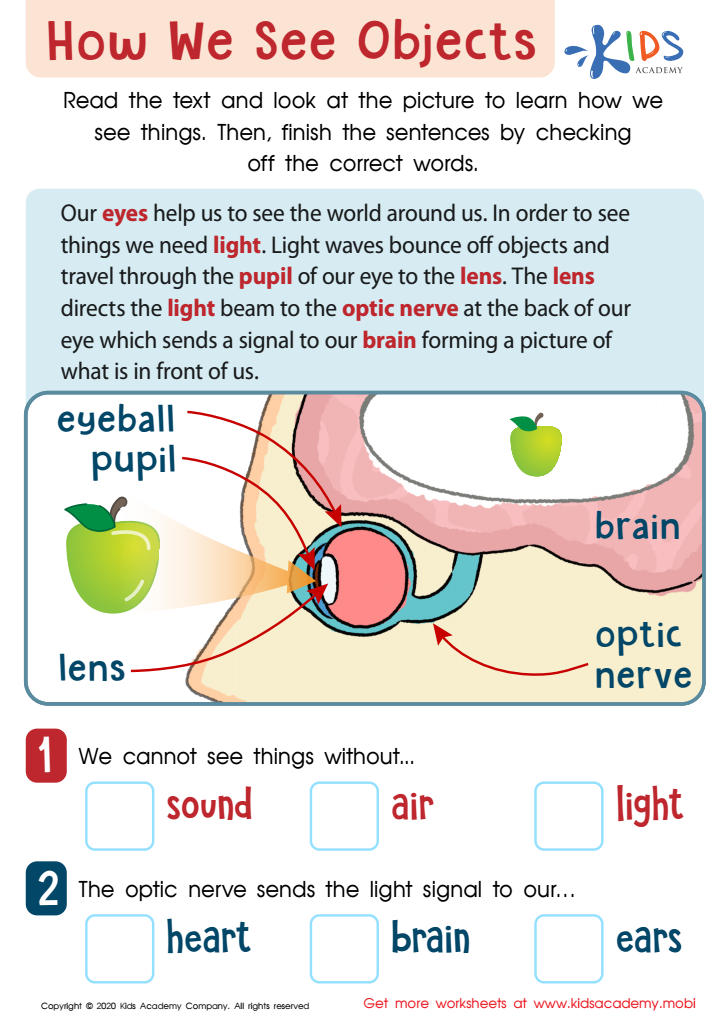
How We See Objects Worksheet

Man-Made or Natural? Worksheet







Developing critical thinking in children aged 6-9 is crucial because it lays the foundation for well-rounded cognitive development and academic success. During these formative years, children's brains are exceptionally receptive to learning and adopting new ways of thinking. Encouraging critical thinking helps young learners to develop problem-solving skills, enabling them to approach challenges with confidence and creativity.
Critical thinking also enhances children's ability to understand and process what they learn, making them more effective and engaged students. For example, rather than simply memorizing facts, young learners who are taught to think critically can analyze information, make connections, and understand the rationale behind concepts. This deeper learning fosters curiosity and a love for knowledge, qualities that are essential for lifelong learning.
Equipping children with critical thinking skills early on also helps them become more independent and responsible individuals. They learn to make better decisions, recognize logical fallacies, and think about consequences, which are valuable life skills. For parents and teachers, fostering these abilities in children is investing in their future success, both academically and in everyday life. Essentially, developing critical thinking in young minds helps build the resilient, informed, and creative problem-solvers of tomorrow.








