Developing logical thinking Normal Worksheets for Ages 6-9
4 filtered results
-
From - To
Enhance your child's cognitive skills with our Developing Logical Thinking Worksheets, designed specifically for ages 6-9. These engaging and fun activities foster critical thinking, problem-solving, and reasoning abilities, making learning enjoyable. Each worksheet presents challenges that encourage children to analyze, sequence, and categorize information effectively. By stimulating their logical reasoning, your child will build a strong foundation for future learning. Perfect for both classroom and home use, these worksheets provide a comprehensive approach to developing essential skills needed for academic success. Explore our collection today and watch your child's confidence and analytical abilities soar!
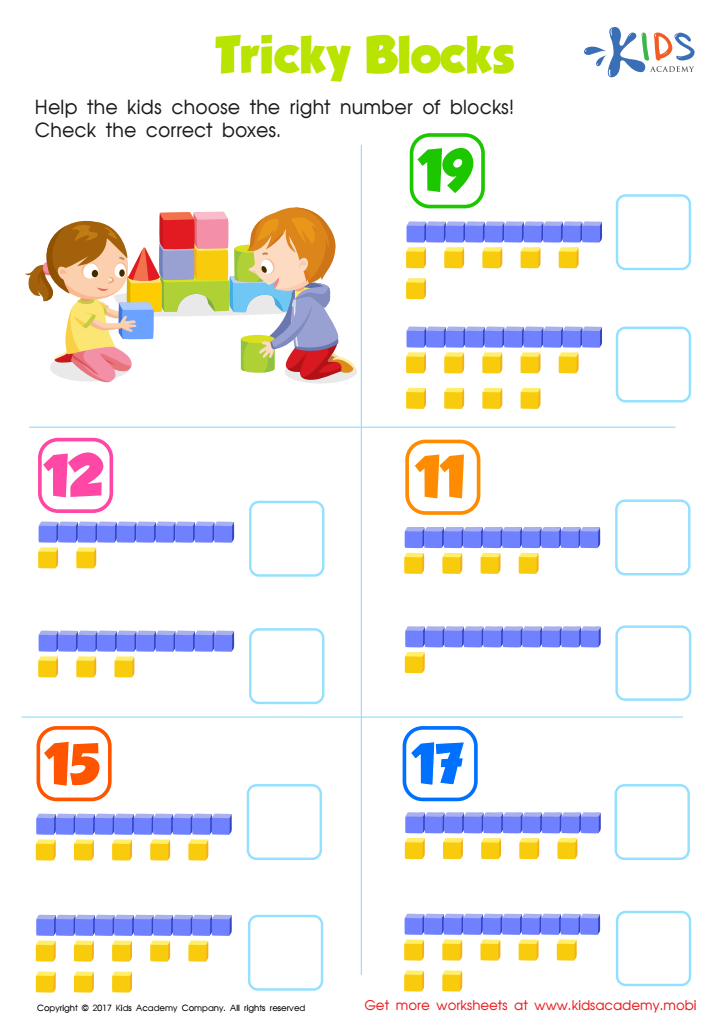
Tricky Blocks Worksheet
 Assign to My Students
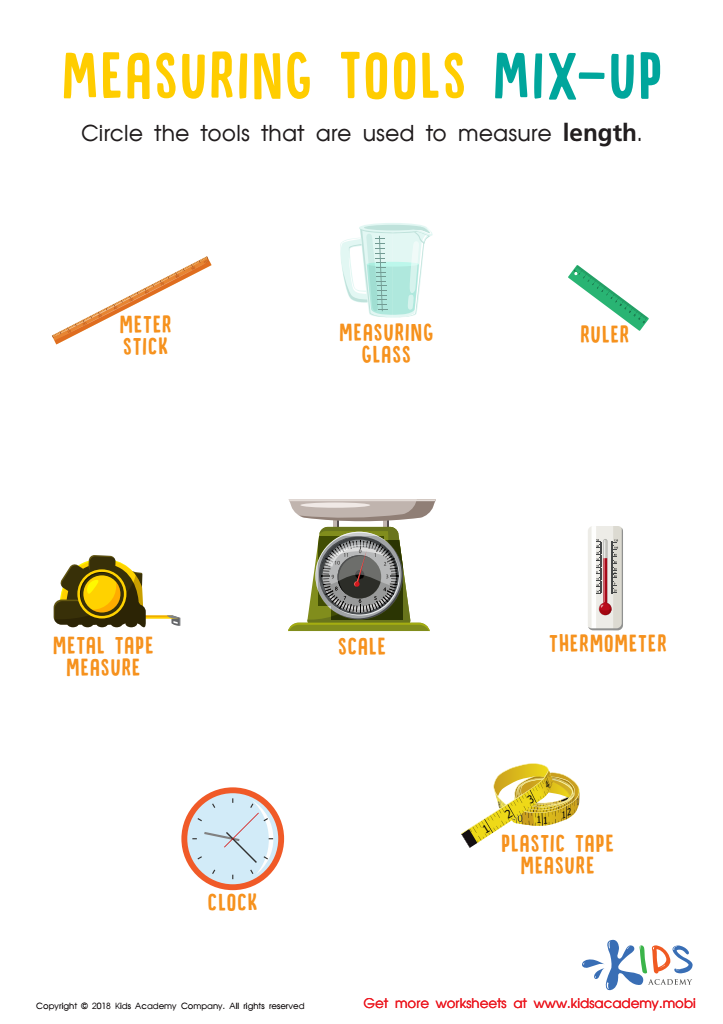
Measuring Tools Mix–up Worksheet
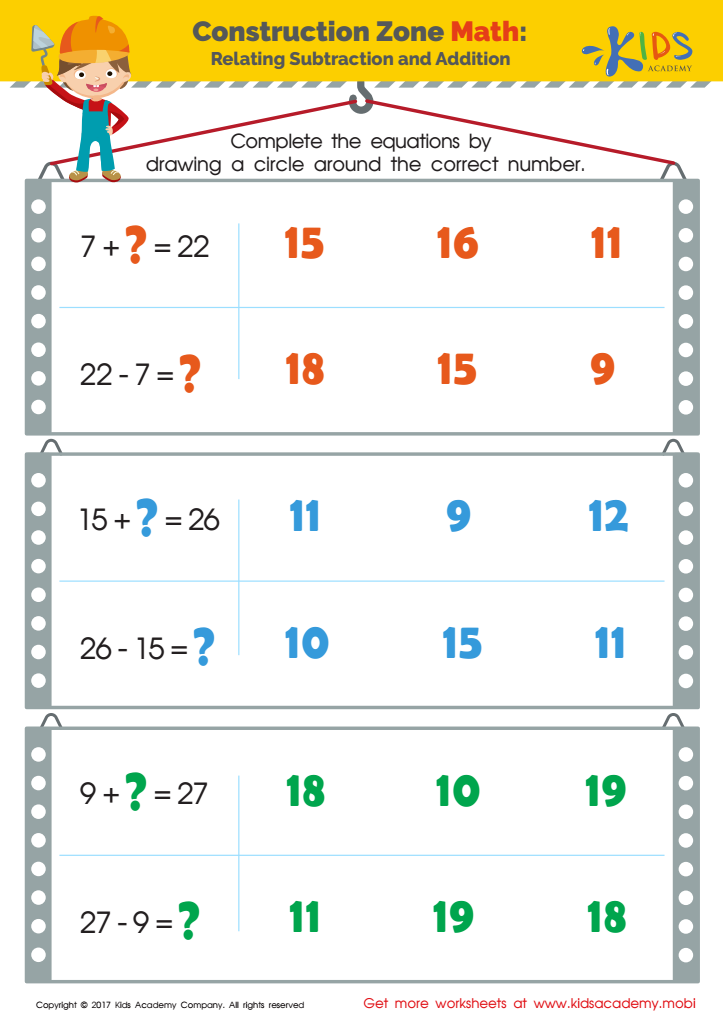
Related Addition and Subtraction Facts Worksheet
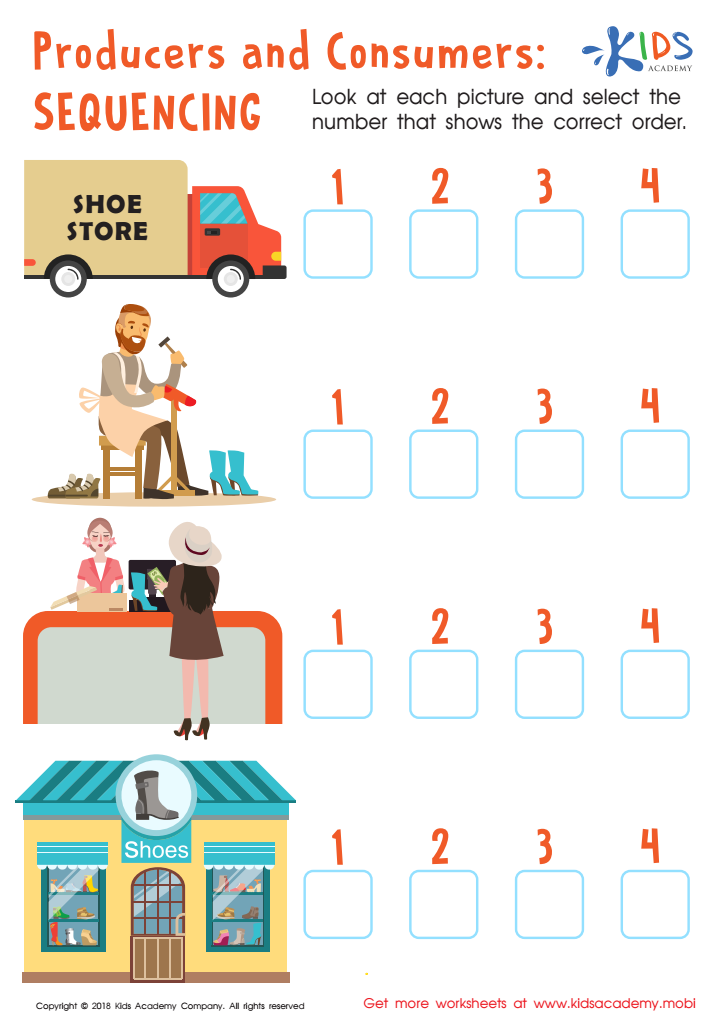
Producers and Consumers: Sequencing Worksheet







.jpg)
Developing logical thinking in children aged 6 to 9 is crucial for several reasons. At this stage, children are beginning to branch out in their cognitive abilities, moving from concrete-thinking to more abstract reasoning. This foundational period is where they start understanding cause and effect, making connections, and forming conclusions based on evidence—all key aspects of logical thinking.
Parents and teachers should prioritize fostering these skills as they enhance problem-solving abilities, enabling children to approach challenges methodically rather than impulsively. Logical thinking equips children with the ability to analyze situations, weigh options, and make informed decisions, skills that are vital not only academically but also in everyday life.
Furthermore, promoting logical reasoning helps cultivate curiosity and a love for learning. When children can think logically, they become more confident in asking questions, exploring new concepts, and seeking answers, laying the groundwork for lifelong intellectual engagement.
Incorporating logic-based activities—such as puzzles, games, and reasoning exercises—can make learning fun while nurturing these essential skills. Overall, sharpening logical thinking in young learners prepares them for future educational achievements and contributes significantly to their social and emotional development.








