Enhancing categorization skills Normal Worksheets for Ages 6-9
4 filtered results
-
From - To
Discover our "Enhancing Categorization Skills" worksheets, designed specifically for children ages 6-9. These engaging activities help young learners develop critical thinking and organizational abilities by categorizing various objects, animals, and activities. With colorful illustrations and age-appropriate challenges, your child will enjoy sorting, grouping, and classifying items while improving their comprehension skills. Ideal for home or classroom use, these normal worksheets encourage creativity and independent thinking. Foster your child’s cognitive development and prepare them for future academic success with our enriching categorization resources. Explore the joyous journey of learning through fun, interactive worksheets that make education enjoyable!
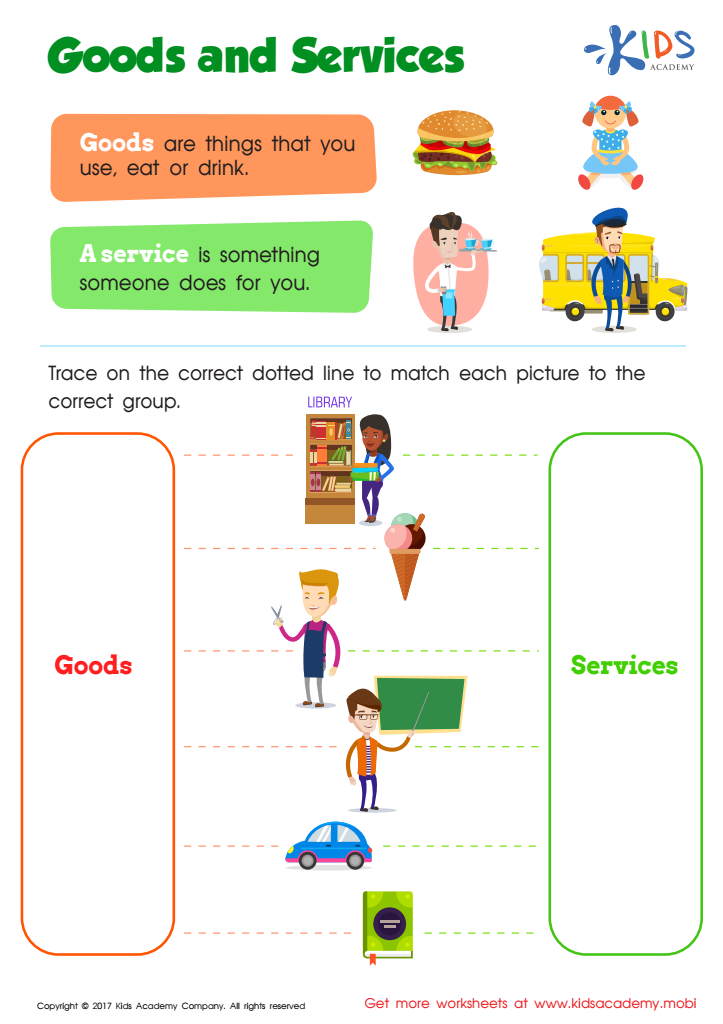
 Assign to My Students
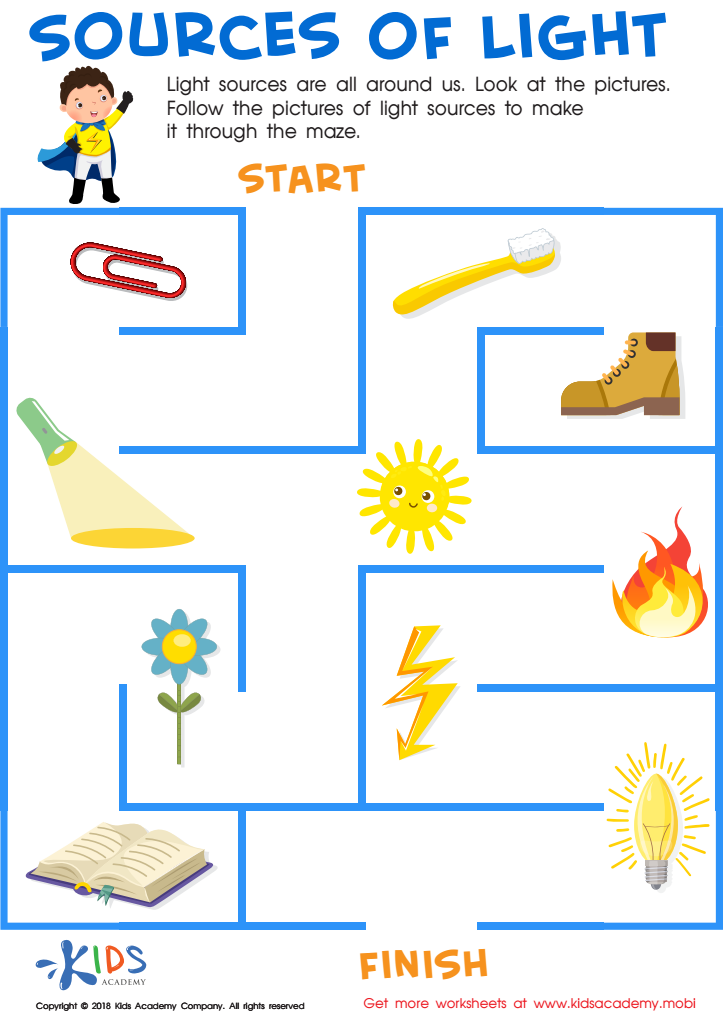
Sources of Light Worksheet
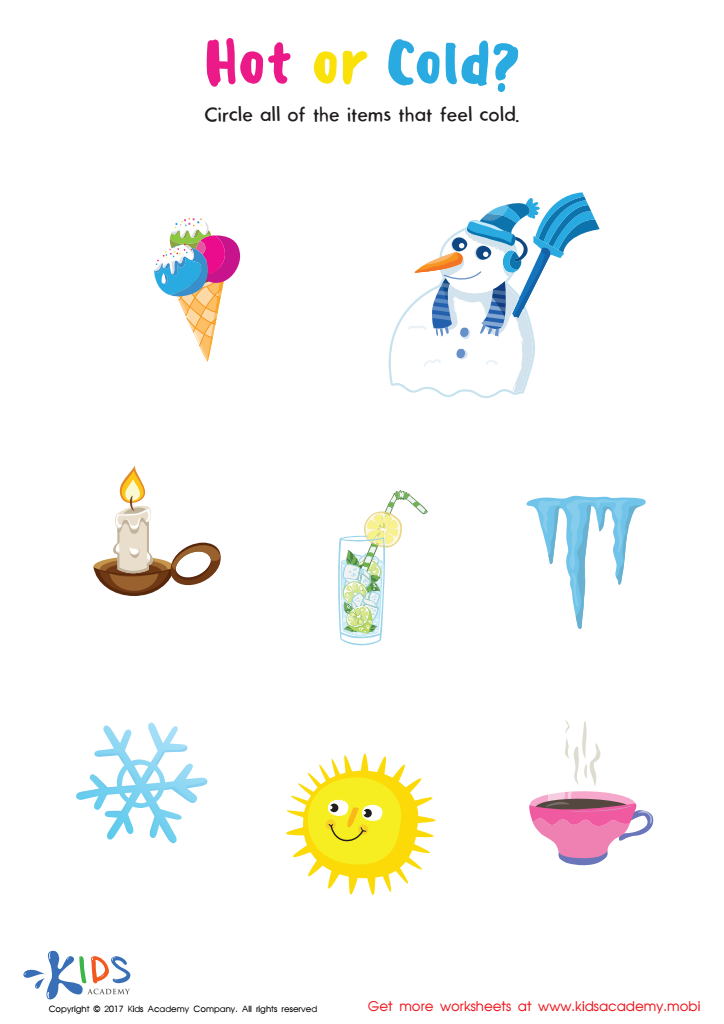
Hot or Cold Printable
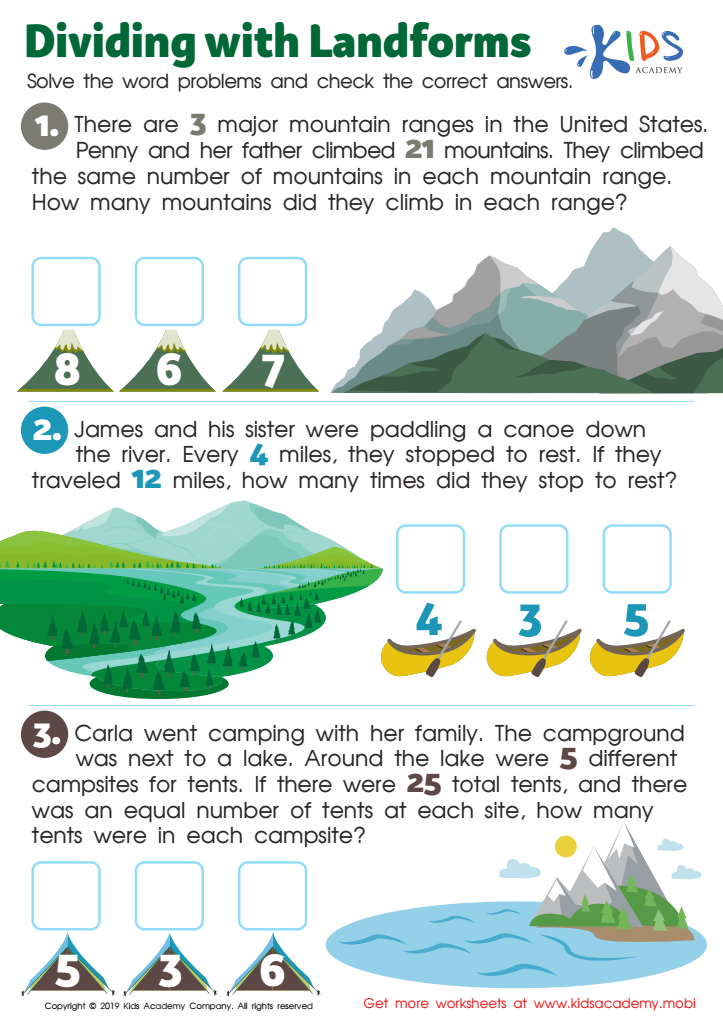
Dividing with Landforms






Enhancing categorization skills in children aged 6-9 is crucial for their cognitive and social development. During these formative years, children's brains are highly receptive to learning, making it an ideal time to reinforce the ability to group and classify information. This skill is foundational for critical thinking, as it enables children to recognize similarities and differences, sort objects, and draw connections between concepts.
Furthermore, robust categorization skills support academic success across subjects, from math—where children must classify shapes and numbers—to reading comprehension, where understanding text structure relies on recognizing themes and categories.
From a social perspective, children who are adept at categorization can better navigate relationships and interactions. They learn to identify and group peers based on shared interests or traits, which fosters social understanding and empathy.
Lastly, enhancing these skills can boost children's confidence and independence as they become more capable of organizing their thoughts and environment. Parents and teachers should prioritize activities—like sorting games or thematic discussions—that promote categorization to support children's overall growth, ensuring they develop a structured way of processing the world around them. Engaging children in these practices lays a strong foundation for lifelong learning and problem-solving skills.








