Phonics skills development Normal Worksheets for Ages 6-9
6 filtered results
-
From - To
Unlock the world of reading with our expertly crafted Phonics Skills Development worksheets for ages 6-9 at Kids Academy! Our engaging resources provide young learners with vital practice in phonemic awareness, blending, and decoding skills, ensuring they build a solid foundation in reading. Each worksheet progressively challenges kids, focusing on letter sounds, word patterns, and reading fluency. Designed by education professionals, these activities are perfect for in-class use or additional practice at home. Foster a love for reading and enhance your child's literacy skills with our comprehensive phonics worksheets. Visit Kids Academy for more.
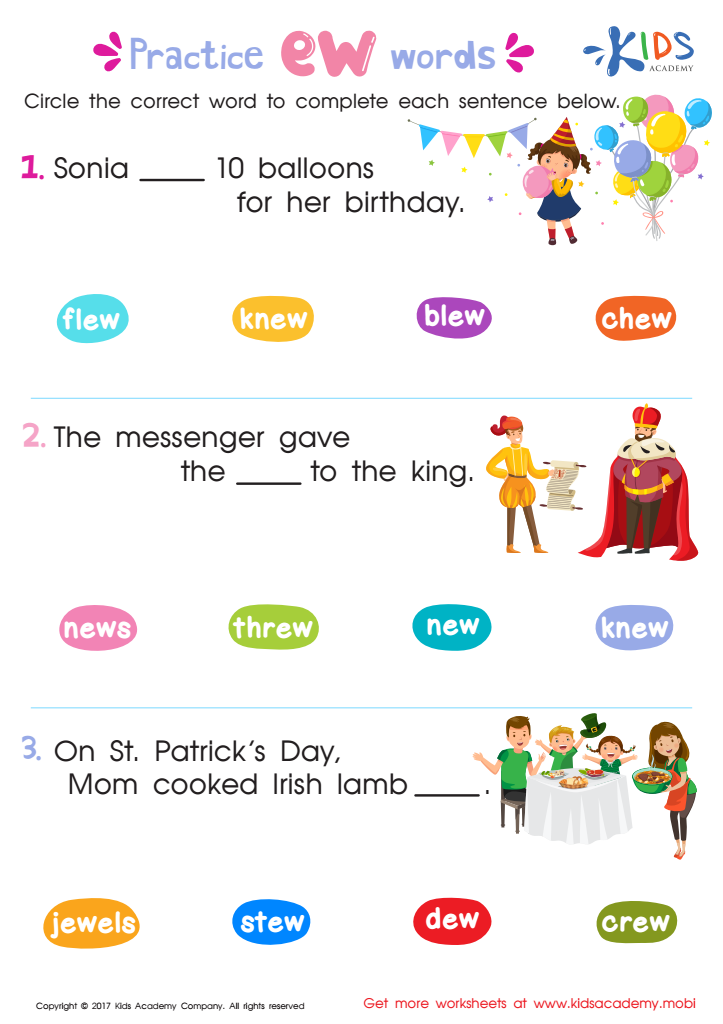
EW Words Worksheet
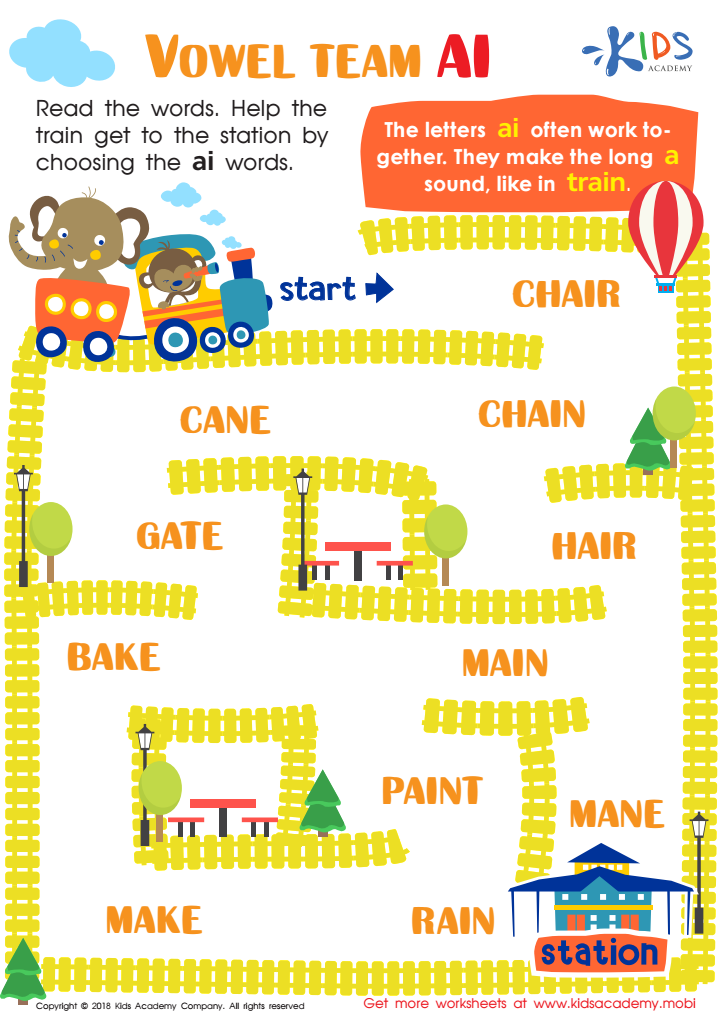
Vowel team ai Worksheet
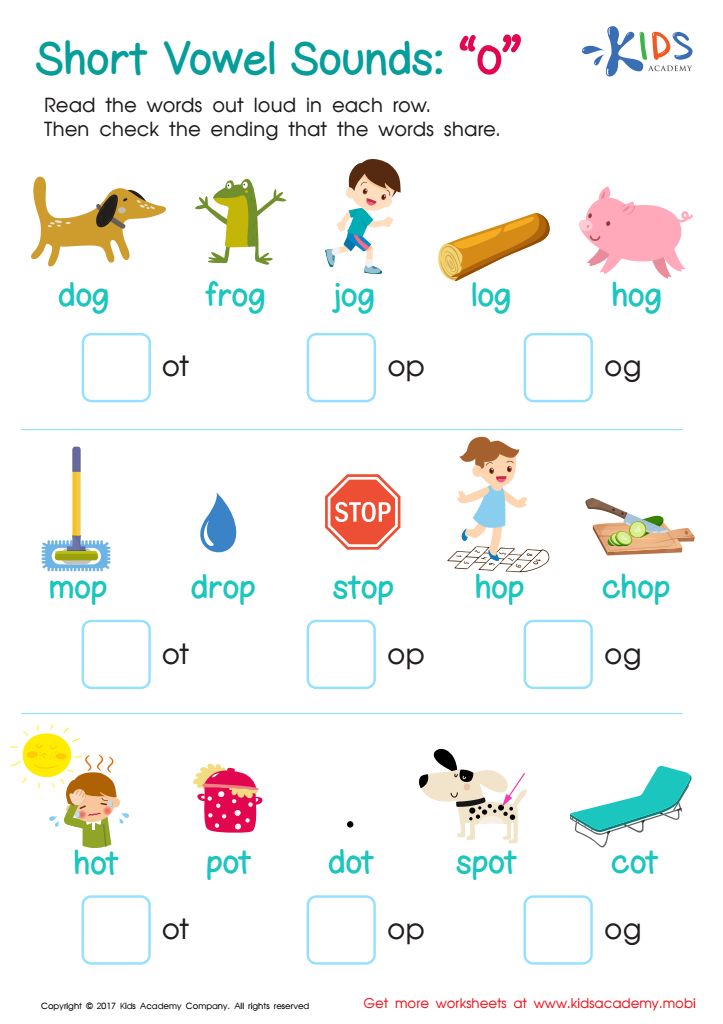
Short vowel Sounds "o" Spelling Worksheet
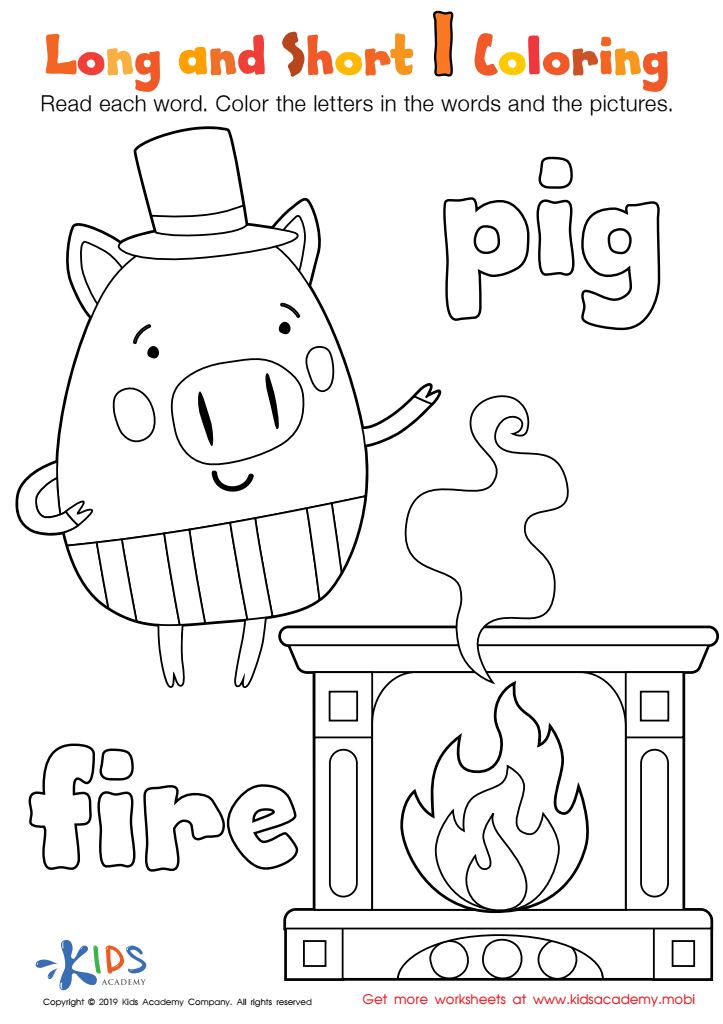
Long and Short I Worksheet
 Assign to My Students
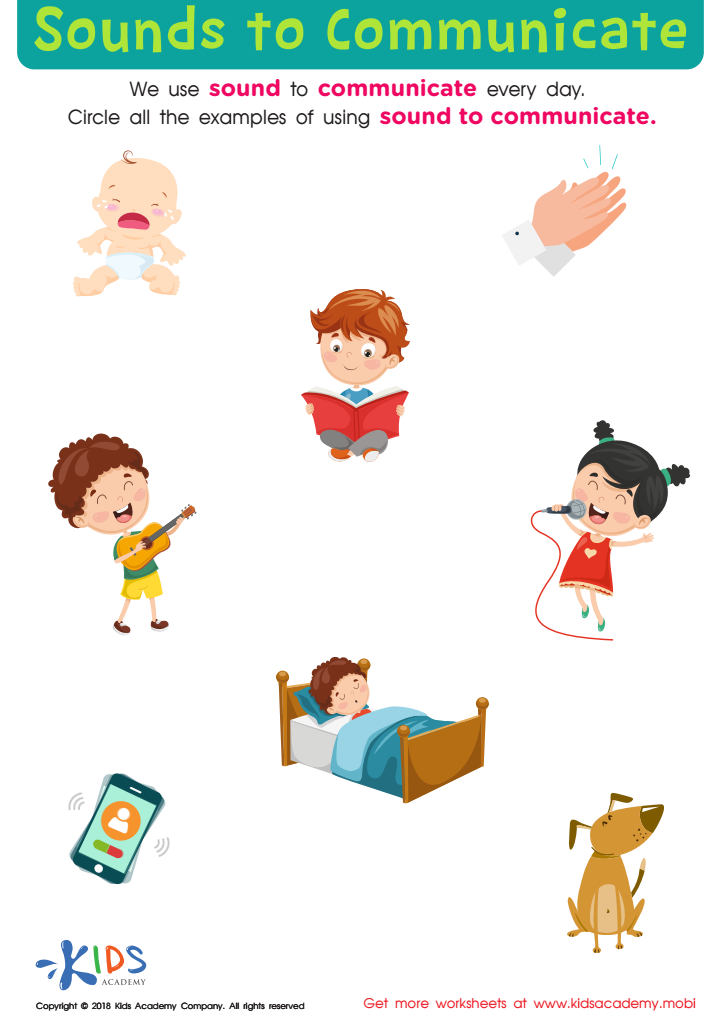
Sounds to Communicate Worksheet
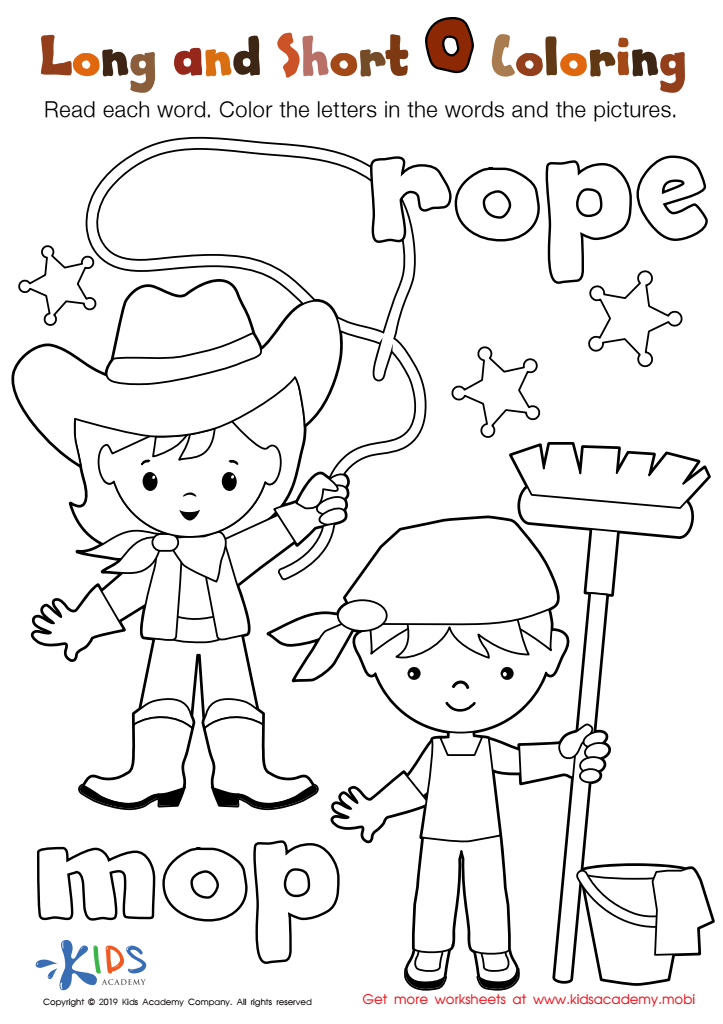
Long and Short O Worksheet
Assign to My Students







Phonics skills development is crucial for children aged 6-9 because it is foundational to their reading abilities. Phonics teaches the relationship between letters and sounds, enabling children to decode words, which is essential for fluent reading. As children learn phonics, they recognize sound patterns and spell words correctly, fostering literacy skills crucial for academic success.
For parents, strong reading abilities open doors to knowledge and creativity, instilling a lifelong love for learning. Reading proficiency allows children to understand and enjoy a wide spectrum of topics, from fairy tales to science facts, fostering intellectual curiosity. When parents focus on phonics skills, they provide their child with the tools to succeed not just in school, but in life.
Teachers have a pivotal role in a child's phonics development. Skilled teaching in phonics equips students to tackle more complex texts as they progress through school. Early literacy success boosts confidence and maintains engagement in education, which can significantly affect a child's overall attitude towards school. Moreover, early intervention in phonics can help identify and address reading difficulties before they become entrenched, ensuring all children have an equal opportunity to excel.
In conclusion, phonics skills development for ages 6-9 is essential for nurturing proficient, confident readers who are prepared for lifelong learning and success.








