
Weather identification Normal Worksheets for Ages 6-9
3 filtered results
Difficulty Level
Grade
Age
-
From - To
Subject
Activity
Standards
Explore our engaging Weather Identification Normal Worksheets designed specifically for children aged 6-9! These worksheets provide a fun and interactive way for young learners to understand different weather conditions and improve their identification skills. Featuring vibrant illustrations and age-appropriate activities, students will learn to recognize various weather patterns such as sunny, rainy, windy, and snowy days. Each worksheet promotes critical thinking and encourages kids to describe and categorize the weather around them. Perfect for classroom use or at-home learning, these educational resources make mastering weather identification exciting and enjoyable! Download now to inspire your child's curiosity about the world around them.
Favorites
With answer key
Interactive
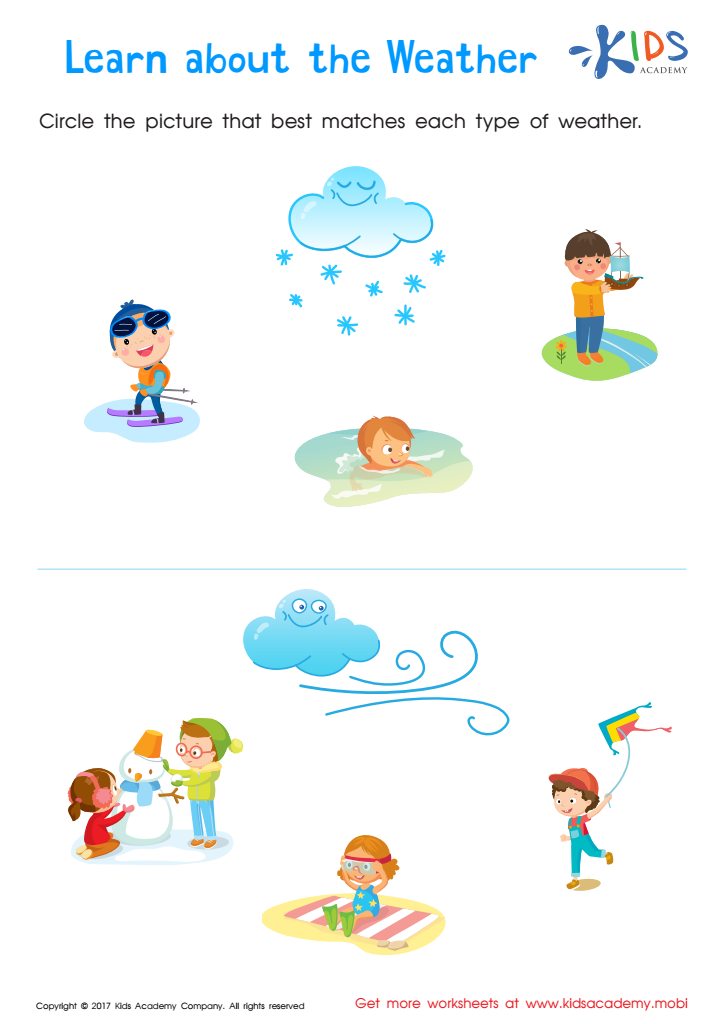
About the Weather Printable
This worksheet is perfect for reinforcing knowledge about changing weather and activities that suit each season. Help your child use their life experiences to observe the weather and complete the worksheet. Fun and colorful, it's a great way to learn about weather and seasons. Let's get started!
 Assign to My Students
About the Weather Printable
Worksheet
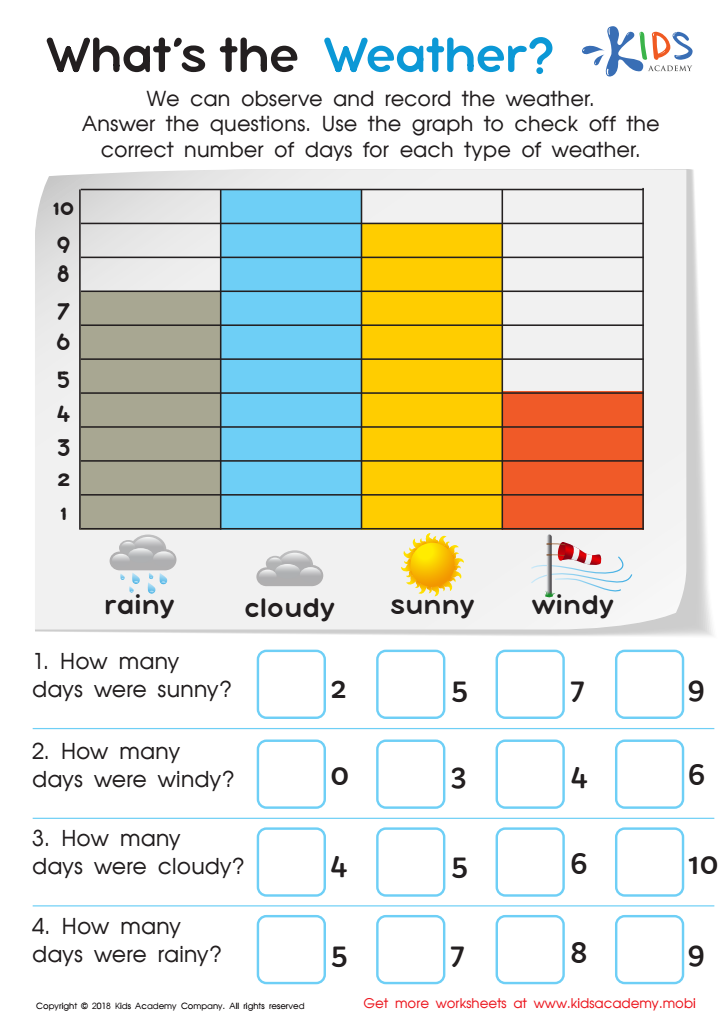
What's the Weather? Worksheet
Check the weather outside. Help kids learn and practice science and math by tracking different types of days using this printable worksheet. Have them count bars next to weather types like cloudy, sunny, windy, and rainy. Answer the questions and take the lesson further by creating a bar graph to show the monthly weather.
What's the Weather? Worksheet
Worksheet
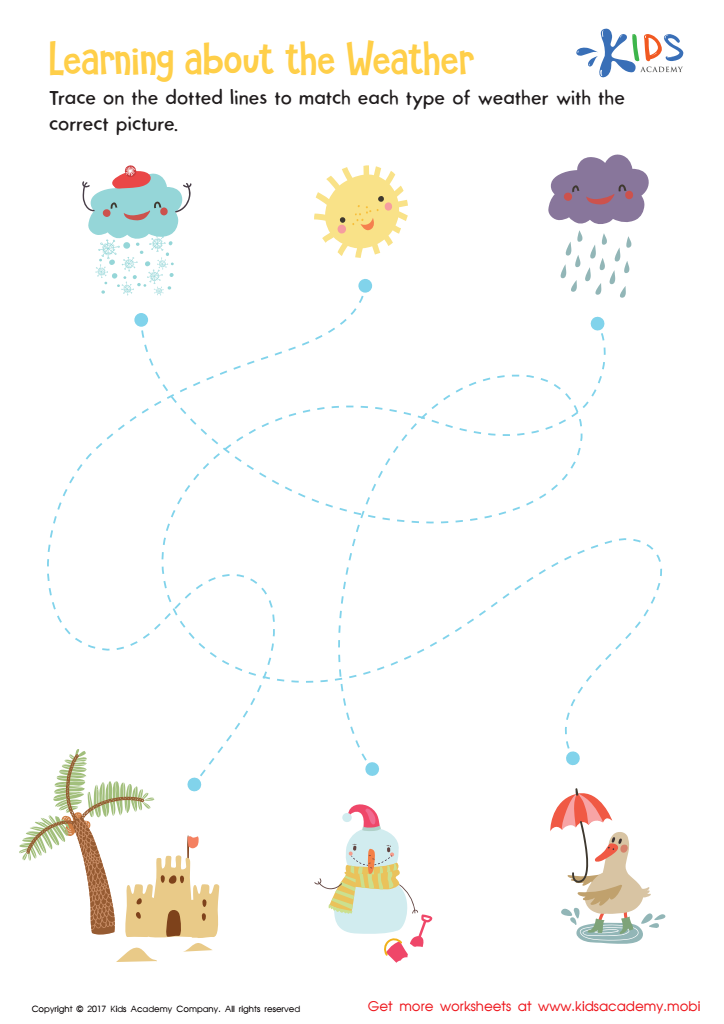
Join Kids Academy for Free
Who is primarily going to use this learning content?



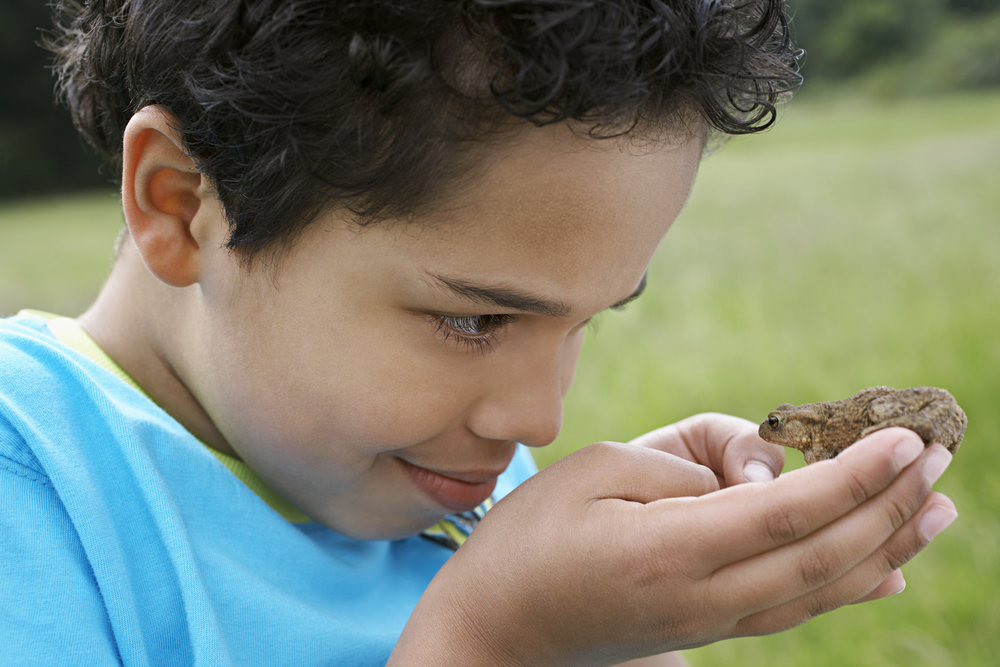


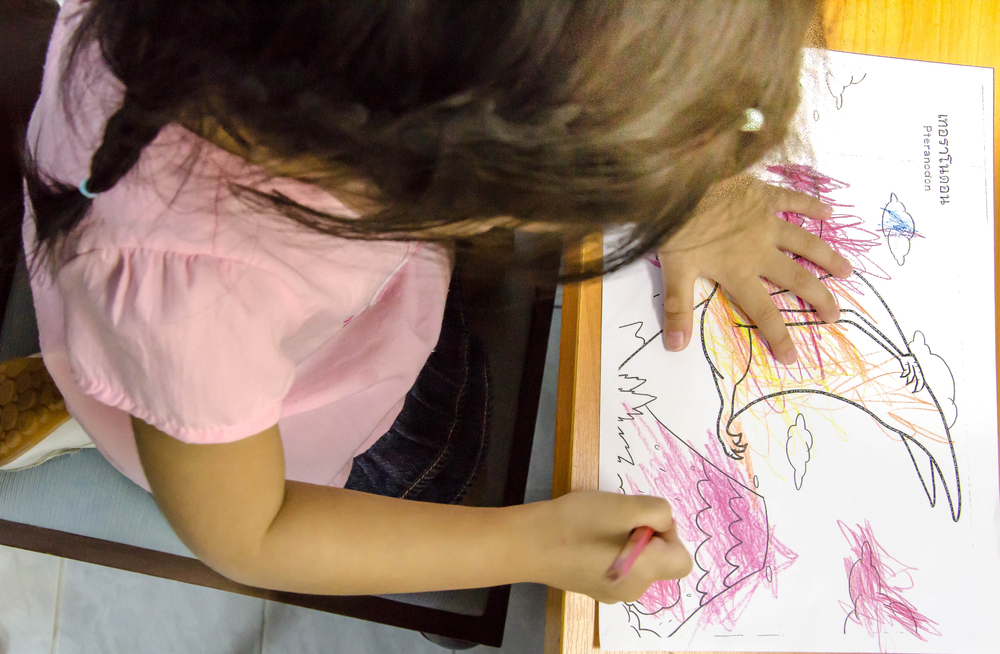

Understanding weather identification is crucial for children aged 6-9, as it lays the groundwork for their comprehension of the natural world. Parents and teachers should prioritize teaching weather concepts because it fosters curiosity and observation skills. By learning to identify different weather conditions—such as sunny, cloudy, rainy, or snowy—children develop critical thinking as they observe changes in their environment.
Moreover, weather appreciation promotes safety awareness. For instance, recognizing storm clouds can prompt discussions about seeking shelter during severe weather. This knowledge empowers children to make informed choices about outdoor activities, thereby enhancing their overall safety.
Additionally, weather identification can serve as a gateway to broader scientific learning. It encourages discussions about climate, seasons, and ecological patterns, fostering a holistic understanding of Earth’s systems. Engaging children in weather-related activities, like tracking daily forecasts, also enhances their communication and collaborative skills when they share their findings with classmates and families.
Ultimately, investing time in weather education not only enriches children's understanding of their surroundings but also contributes positively to their social-emotional development by encouraging inquiry and discussion. Emphasizing these skills equips young learners with valuable tools for engagement and exploration throughout their lives.








