Mathematical reasoning Normal Addition Facts Worksheets for Ages 6-9
3 filtered results
-
From - To
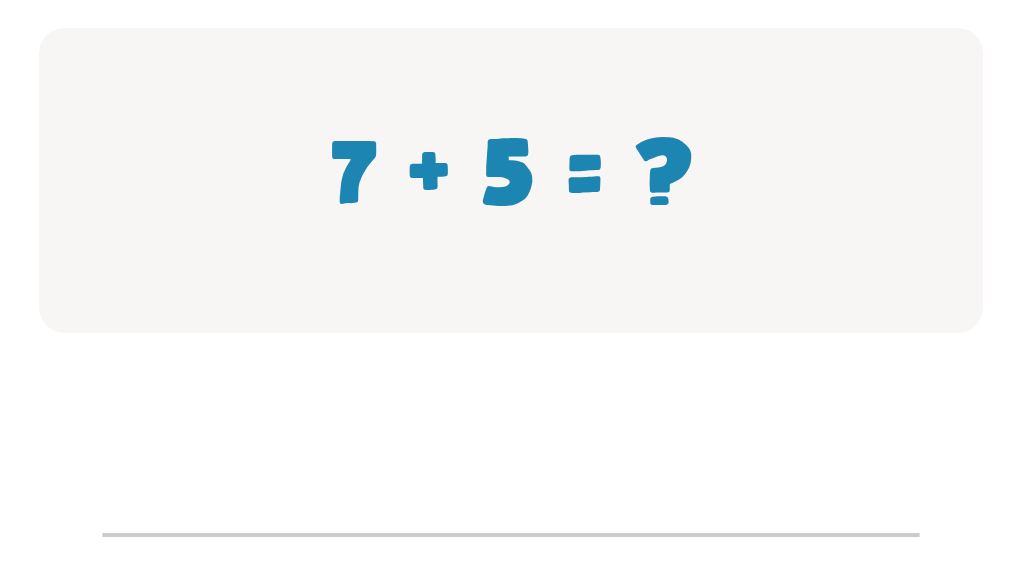
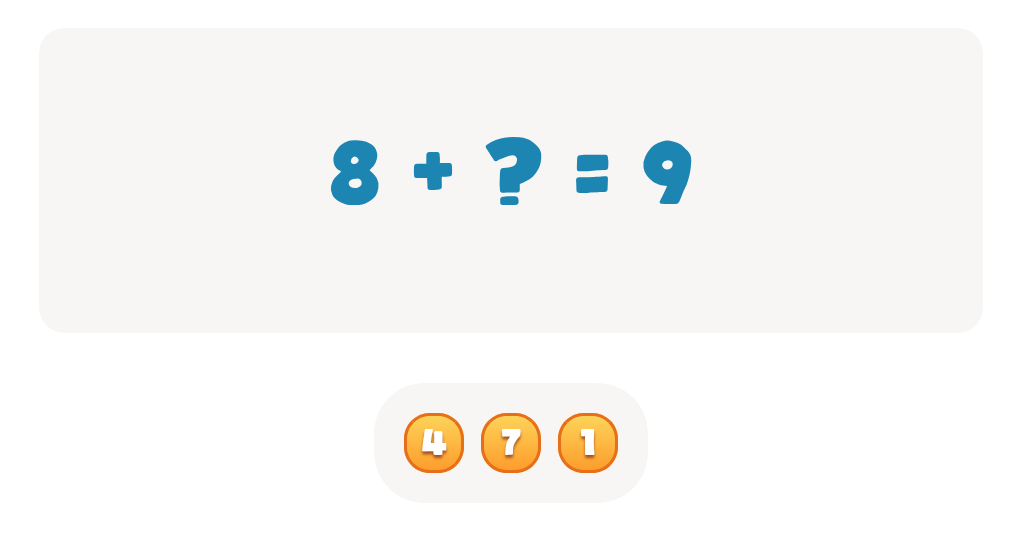
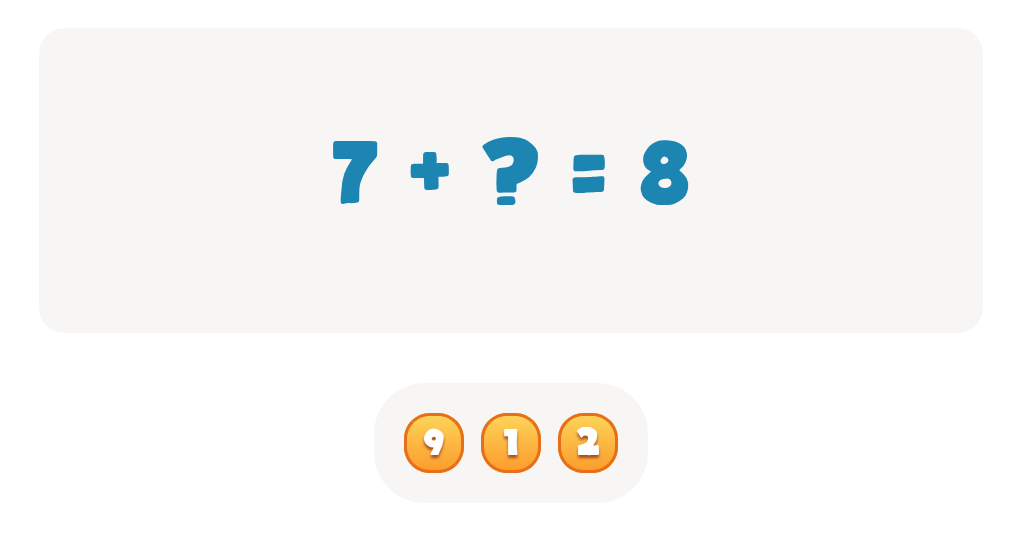
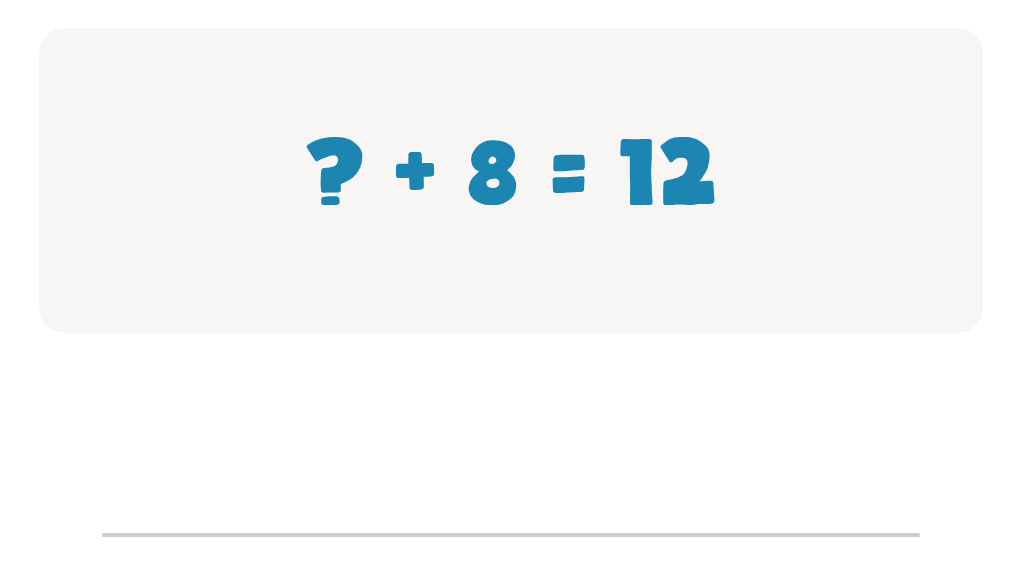
Enhance your child's math skills with our "Mathematical Reasoning Normal Addition Facts Worksheets for Ages 6-9." These expertly designed worksheets provide engaging, age-appropriate challenges to develop strong addition skills and fundamental mathematical reasoning. Specifically tailored for children aged 6 to 9, our printable worksheets make learning addition facts fun and effective. Each worksheet focuses on building fluency and confidence in solving addition problems, offering a mix of basic and slightly advanced tasks to foster critical thinking. Perfect for classroom use or additional home practice, these resources help your child excel in their math journey with ease and enjoyment.
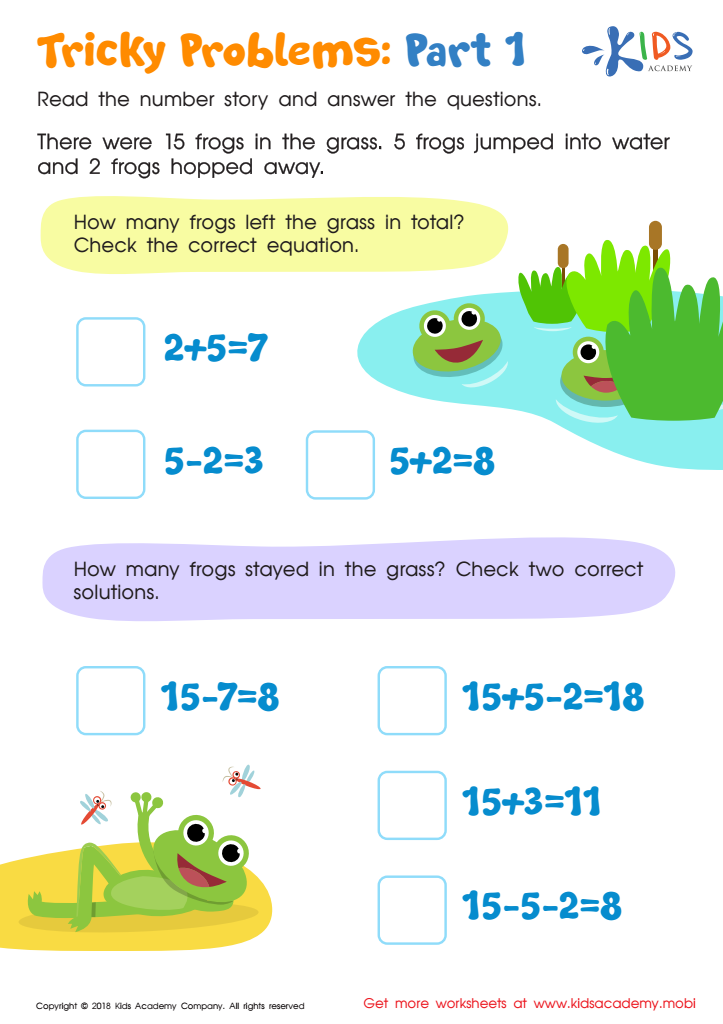
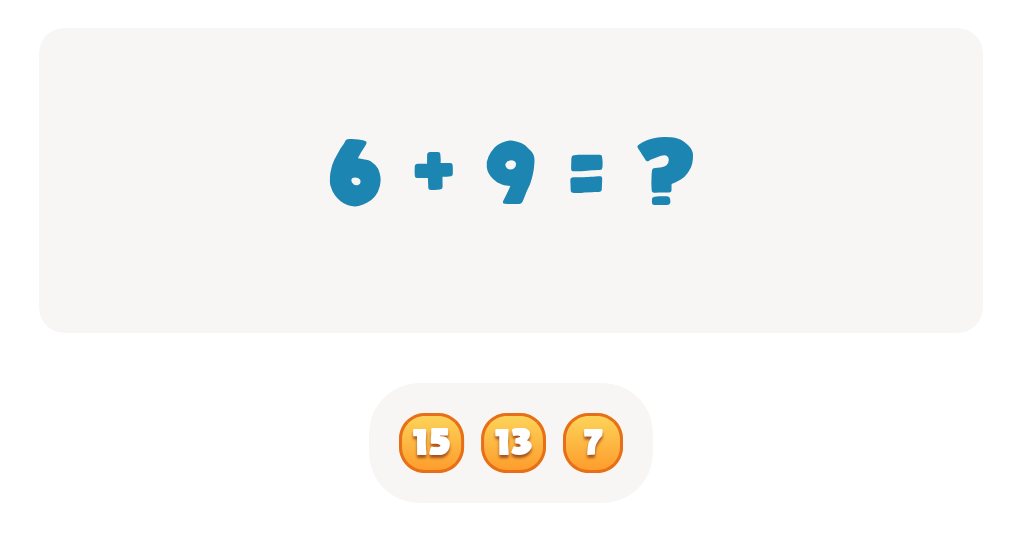
Tricky Problems Worksheet: Part 1
 Assign to My Students



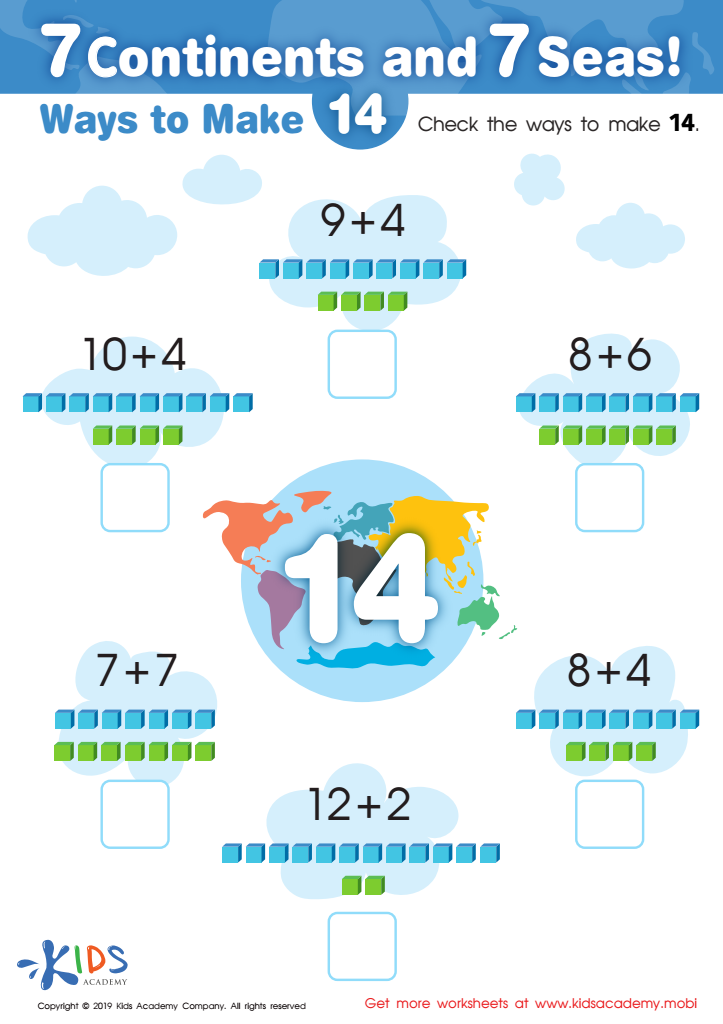
7 Continents and 7 Seas Worksheet
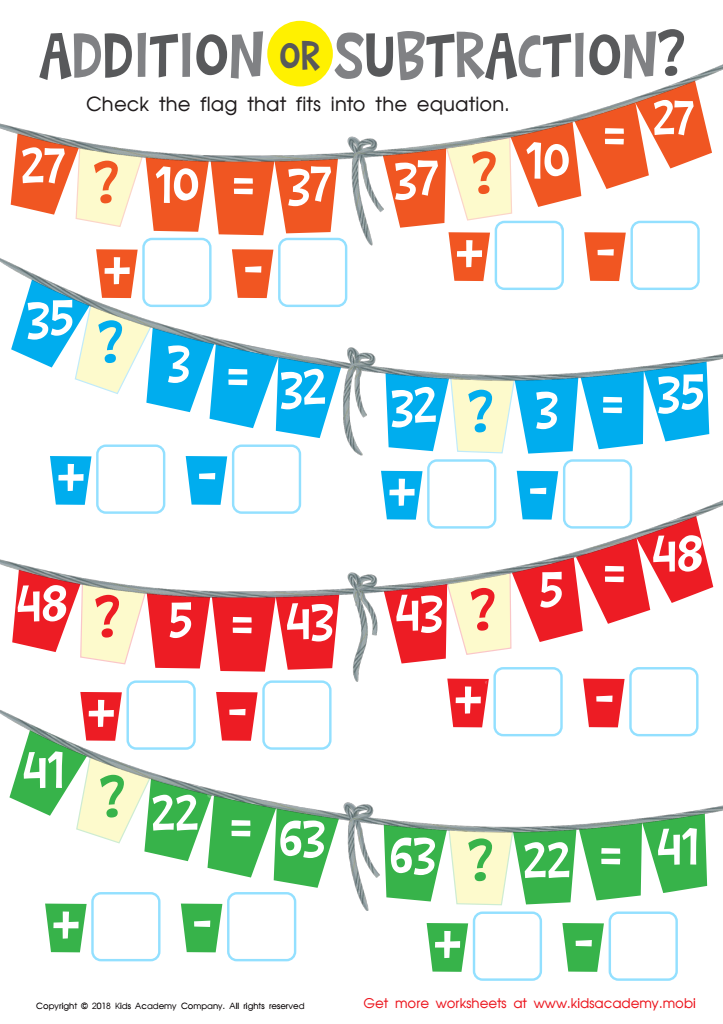
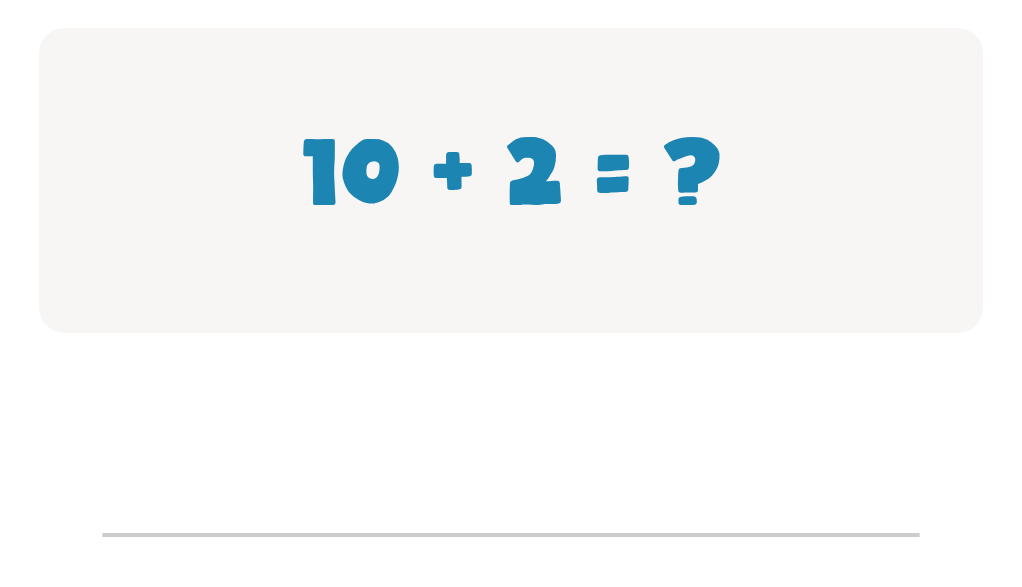
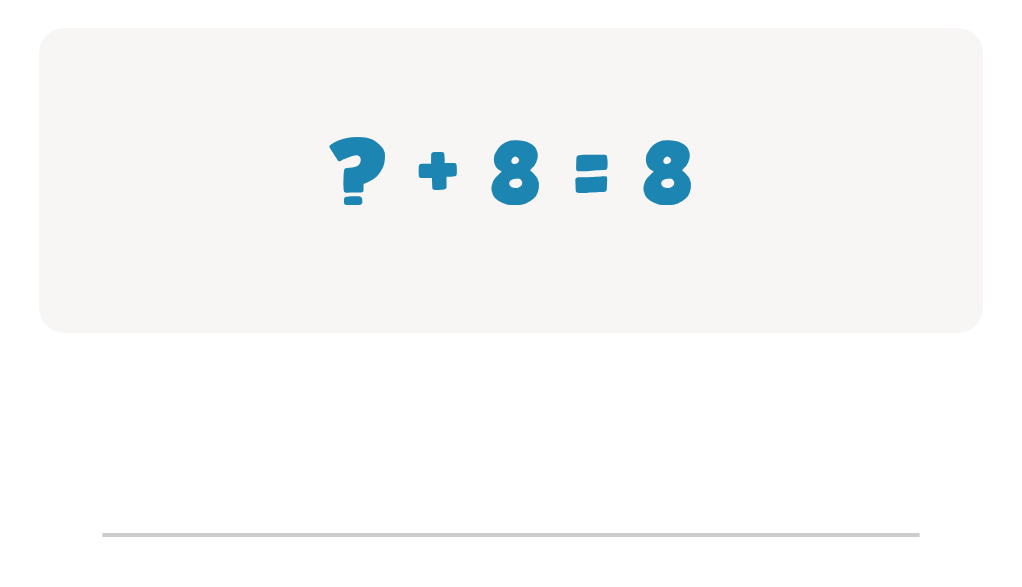
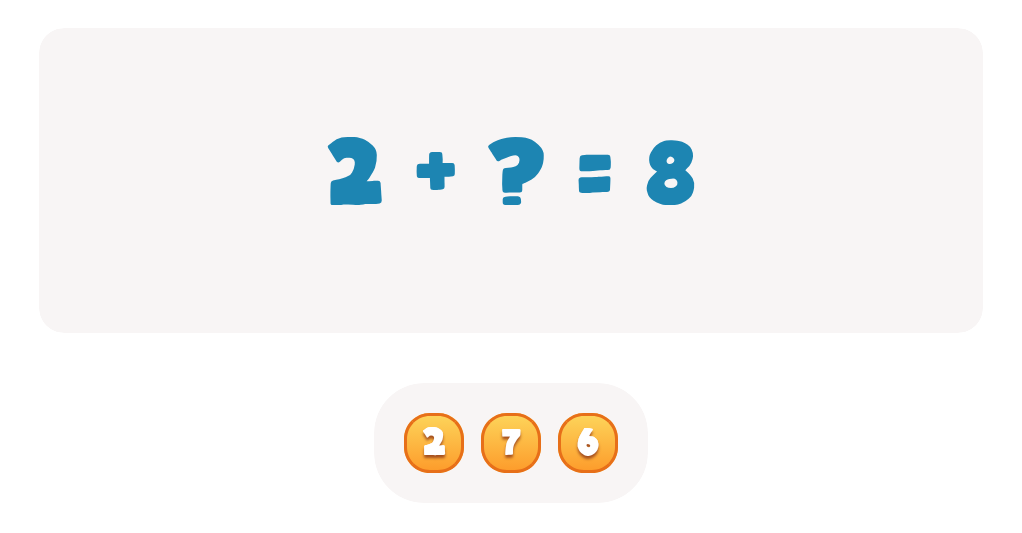
Addition or Subtraction? Worksheet








Parents and teachers play pivotal roles in nurturing a child's early mathematical development, including their understanding of normal addition facts. During ages 6-9, children are in a crucial developmental stage where foundational cognitive skills are being formed. Mathematical reasoning and basic addition are the building blocks for more complicated mathematical concepts they will encounter in the future, such as multiplication, division, and algebra.
Proficiency in normal addition facts helps sharpen a child's number sense—an understanding of numbers and their relationships—which is fundamental in solving more complex problems. It fosters mental math capabilities, enabling children to perform calculations quickly and accurately in their daily lives. This fluency also translates into greater confidence in their mathematical ability, reducing math anxiety and promoting a positive attitude towards the subject.
Moreover, incorporating games and activities that emphasize addition facts can transform learning into an enjoyable experience, engaging children and helping develop a lifelong love for math. By paying attention to mathematical reasoning and normal addition facts from a young age, parents and teachers cultivate critical thinking and analytical skills that are essential for academic success and everyday problem-solving. It sets the stage for a child's future learning trajectory and overall cognitive development.








