Mental math practice Normal Addition Facts Worksheets for Ages 6-9
3 filtered results
-
From - To
Our Mental Math Practice Normal Addition Facts Worksheets for ages 6-9 are designed to enhance your child’s arithmetic skills through engaging and interactive activities. These worksheets aim to build a strong foundation in addition, helping young learners to solve problems quickly and accurately without always relying on written methods. With a variety of exercises suited for early elementary students, these printable resources offer an effective way to practice adding numbers mentally. Ideal for classroom use or homework, these worksheets boost confidence and develop essential math fluency, making learning both fun and highly productive for your child. Download now!
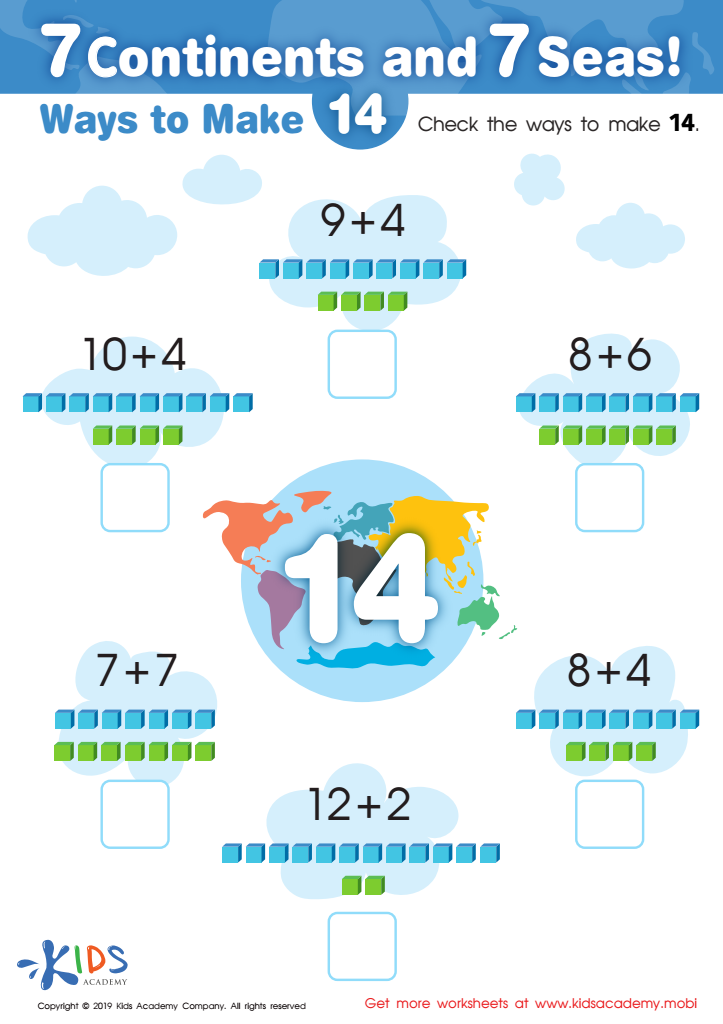
7 Continents and 7 Seas Worksheet
 Assign to My Students
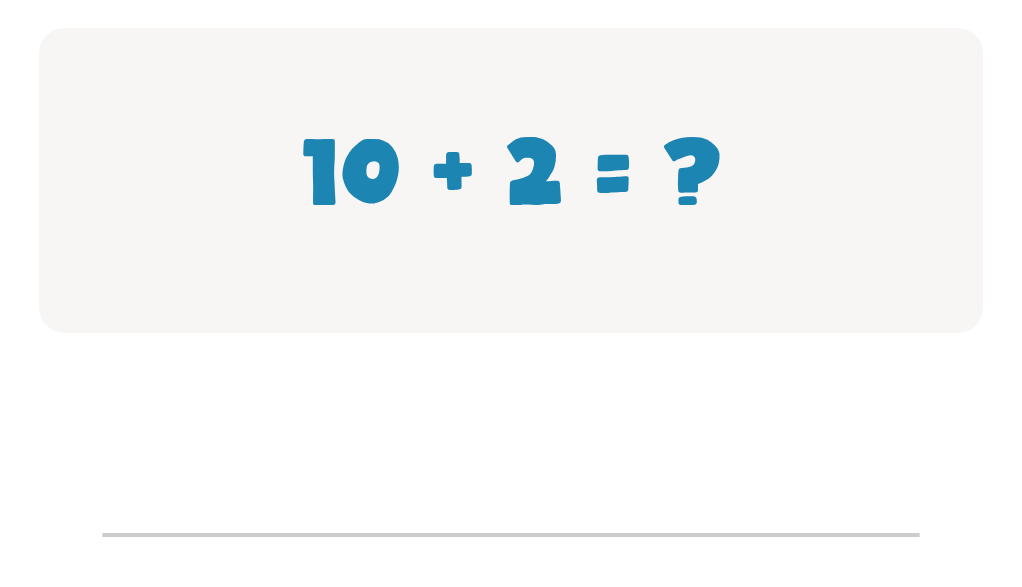

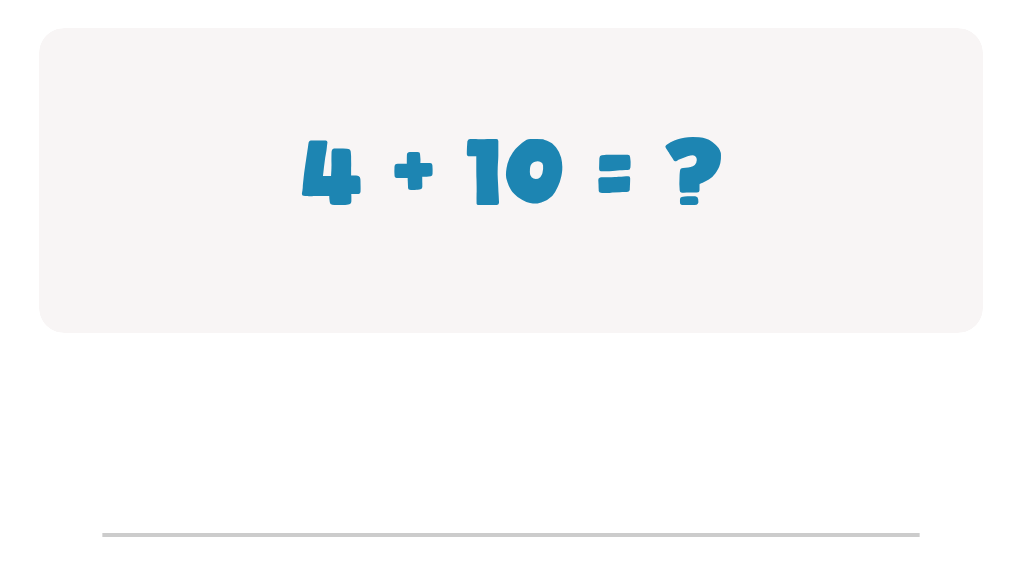
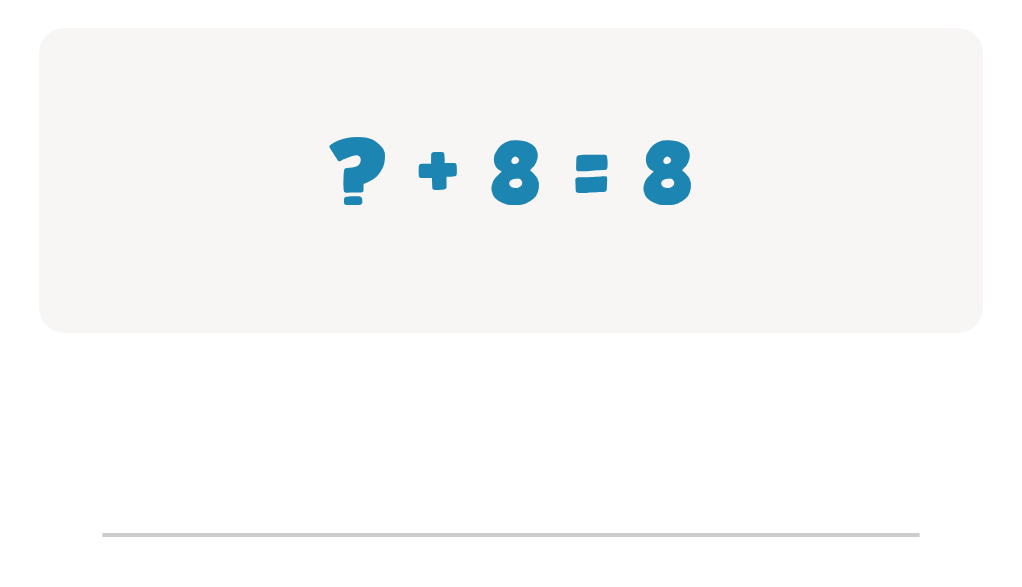

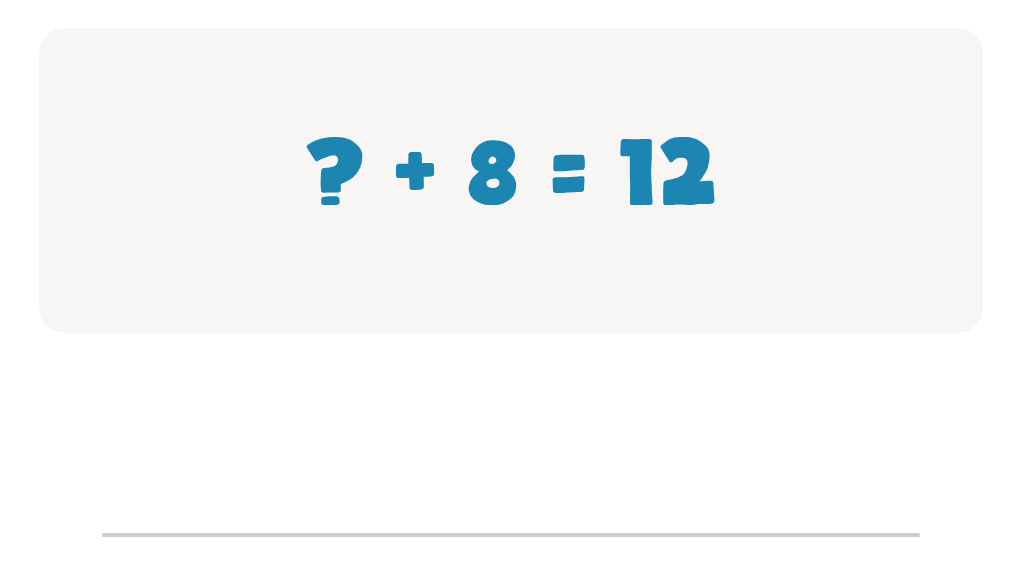
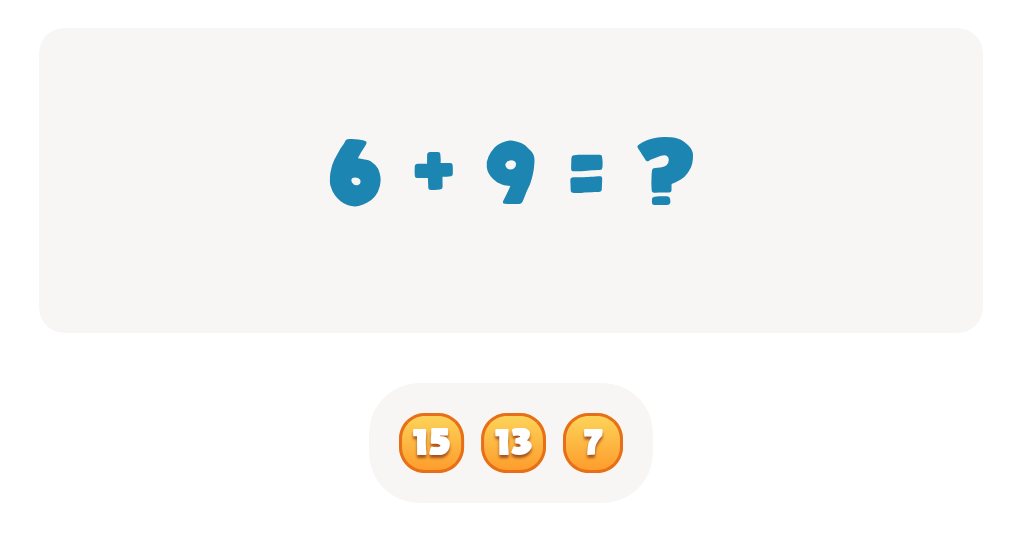
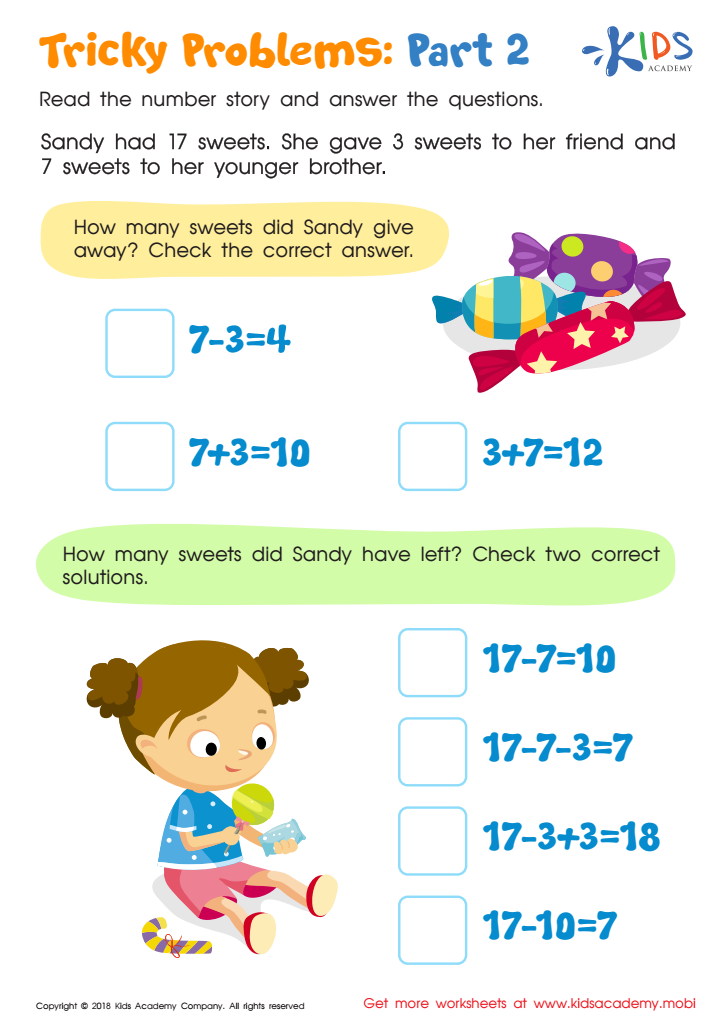
Tricky Problems Worksheet: Part 2
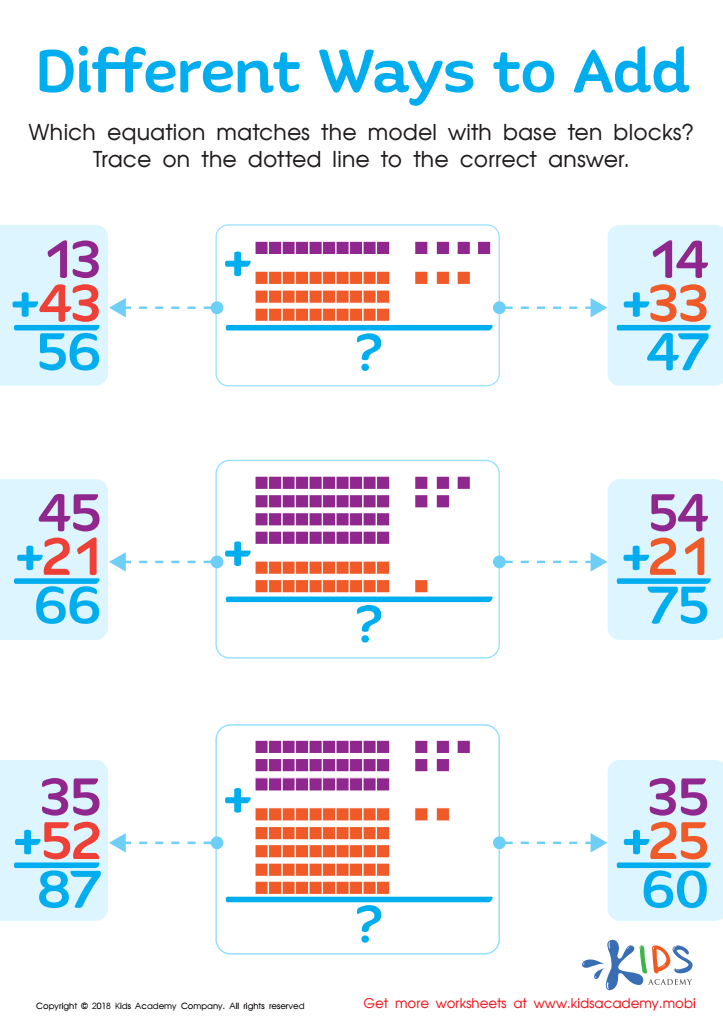
Different Ways to Add Worksheet








Mental math practice for normal addition facts is a critical component of early education, particularly for children aged 6-9. At this stage, developing strong foundational skills in addition lays the groundwork for more complex arithmetic and mathematical concepts. Here’s why parents and teachers should prioritize it:
-
Cognitive Development: Practicing mental math helps children enhance their memory and cognitive flexibility. It encourages the brain to find multiple pathways to solve problems, promoting better overall intellectual growth.
-
Math Fluency: Regular practice ensures children become faster and more accurate with basic addition facts. This fluency frees up cognitive resources for tackling more complex problems down the line, reducing frustration and boosting confidence.
-
Problem-Solving Skills: Mental math fosters better problem-solving abilities. By visualizing numbers and operations without relying on physical aids, children learn to trust their own reasoning skills and become more independent thinkers.
-
Confidence and Enthusiasm: Success in mental math builds self-assurance. When children feel adept at these basic tasks, they are more likely to approach other academic challenges with a positive attitude.
-
Real-World Application: Simple tasks like calculating change, measuring ingredients, or dividing items equally among friends are all easier with strong mental addition skills. Early practice makes these everyday activities intuitive.
By incorporating mental math exercises into daily routines, parents and teachers can help children build a robust mathematical foundation, setting them up for future academic and real-world success.








