Spelling practice Normal Building Vocabulary Worksheets for Ages 6-9 - Page 2
28 filtered results
-
From - To
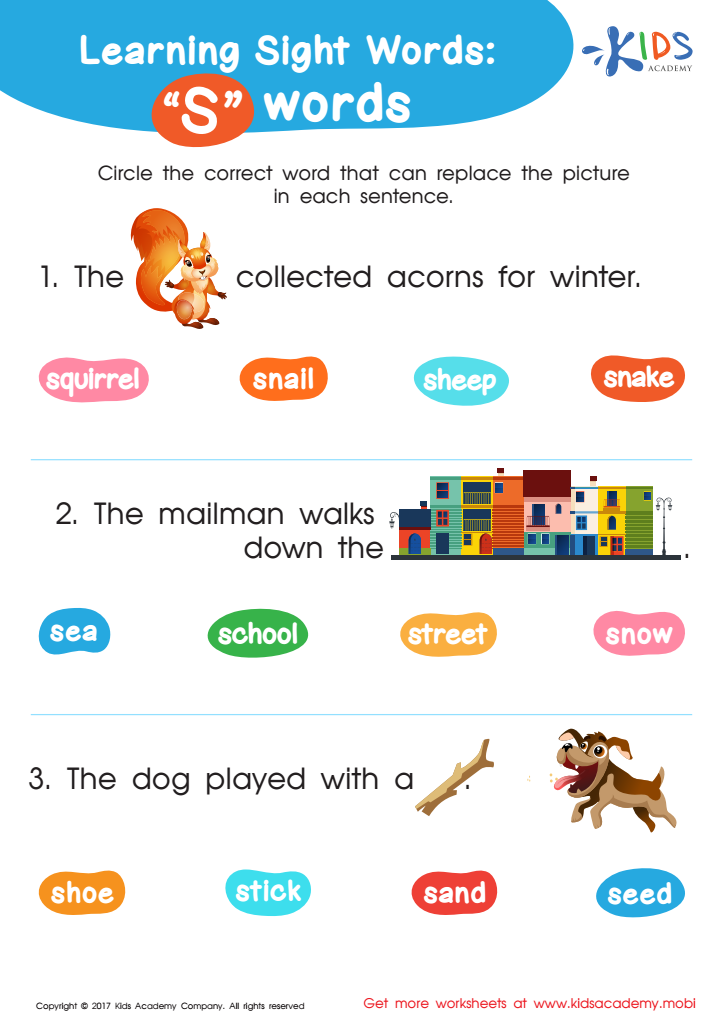
S Words Sight Words Worksheet
 Assign to My Students











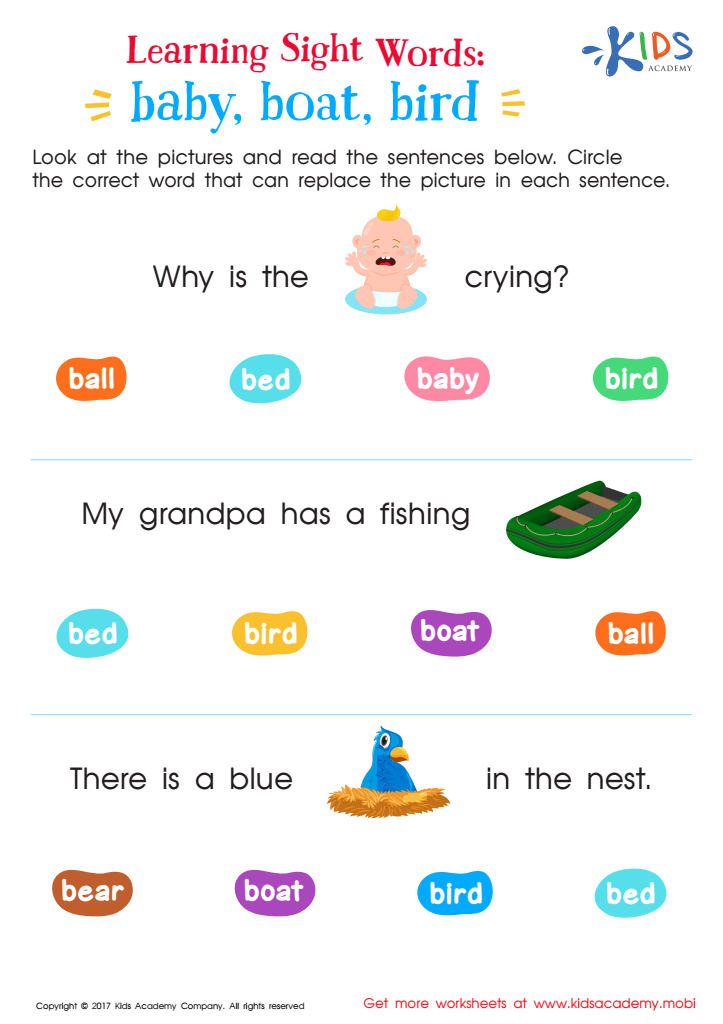
Baby, Boat, Bird Worksheet Sight Words Worksheet
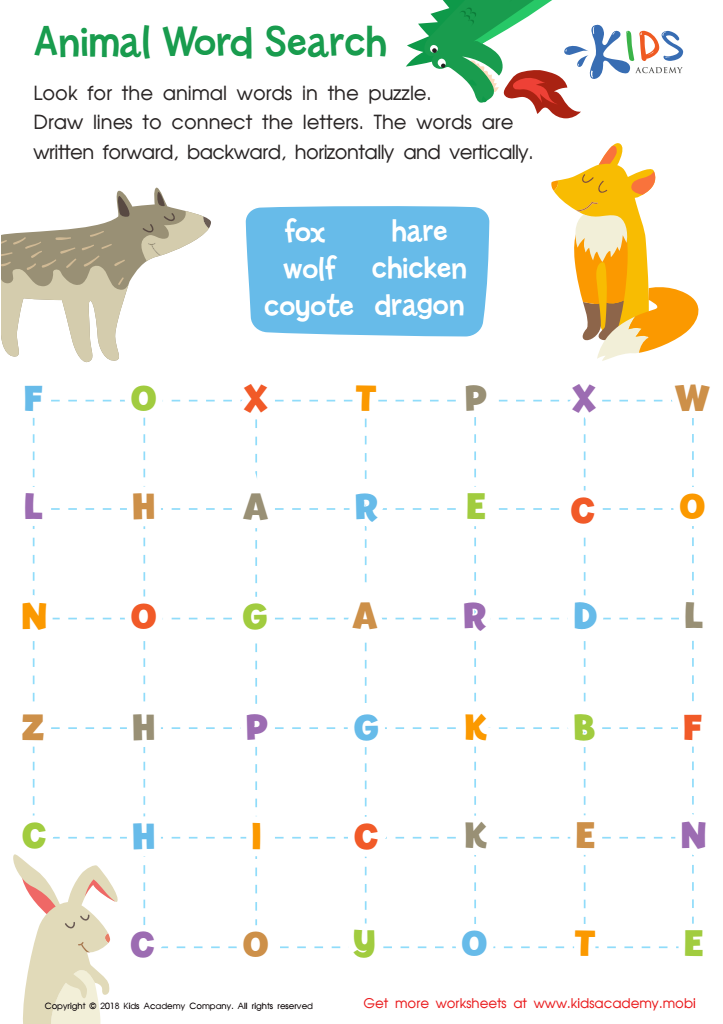
Animal Word Search Worksheet
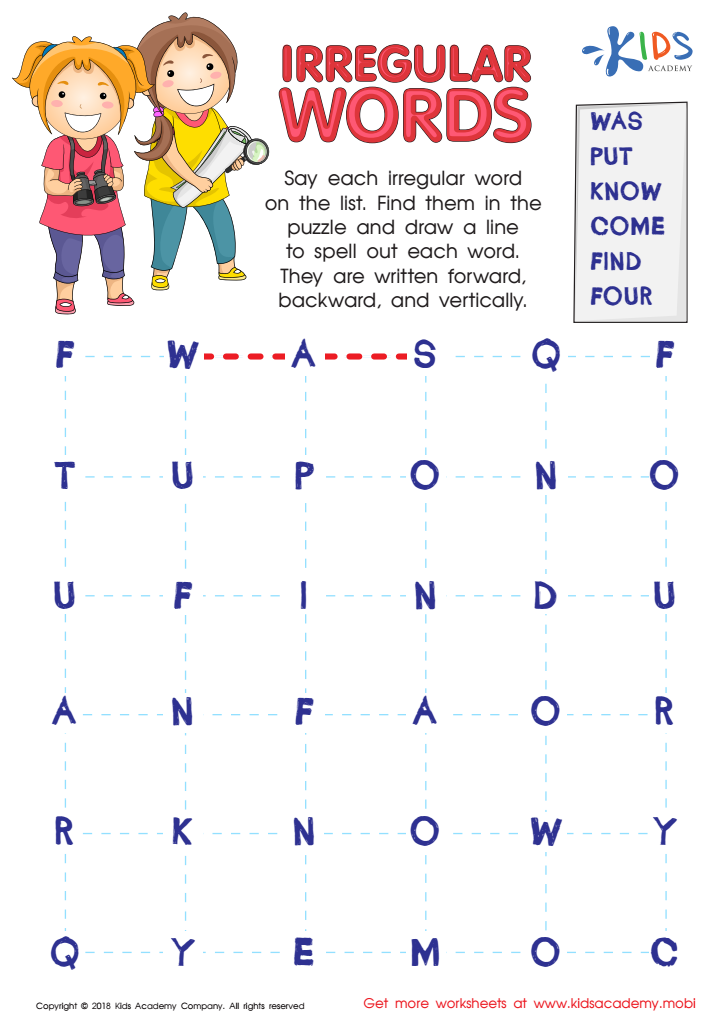
Irregular Words Worksheet



.jpg)




Spelling practice and building vocabulary are crucial for children aged 6-9, as these skills lay the foundation for effective communication and literacy development. During this formative stage, children are not just learning to spell words correctly; they are also developing an understanding of how language works. This is essential for their overall academic success and future learning.
When parents and teachers prioritize spelling practice, they help children improve their reading comprehension. Recognizing and correctly spelling words enables them to decode and understand texts more efficiently. A strong vocabulary enhances their ability to express thoughts, feelings, and ideas clearly, making communication more effective.
Moreover, spelling and vocabulary exercises cultivate cognitive skills such as memory retention, concentration, and critical thinking. These exercises often incorporate fun, engaging activities that can foster a love for learning.
Additionally, building vocabulary can boost children's confidence as they encounter new words in conversations, stories, and academic materials. A rich vocabulary supports diverse expressions in writing and verbal communication, which is key for their social interactions and personal development. Overall, involvement from parents and teachers in these practices can create a supportive learning environment that promotes lifelong literacy skills.








